UK’s infected blood scandal could and should have been avoided, inquiry finds
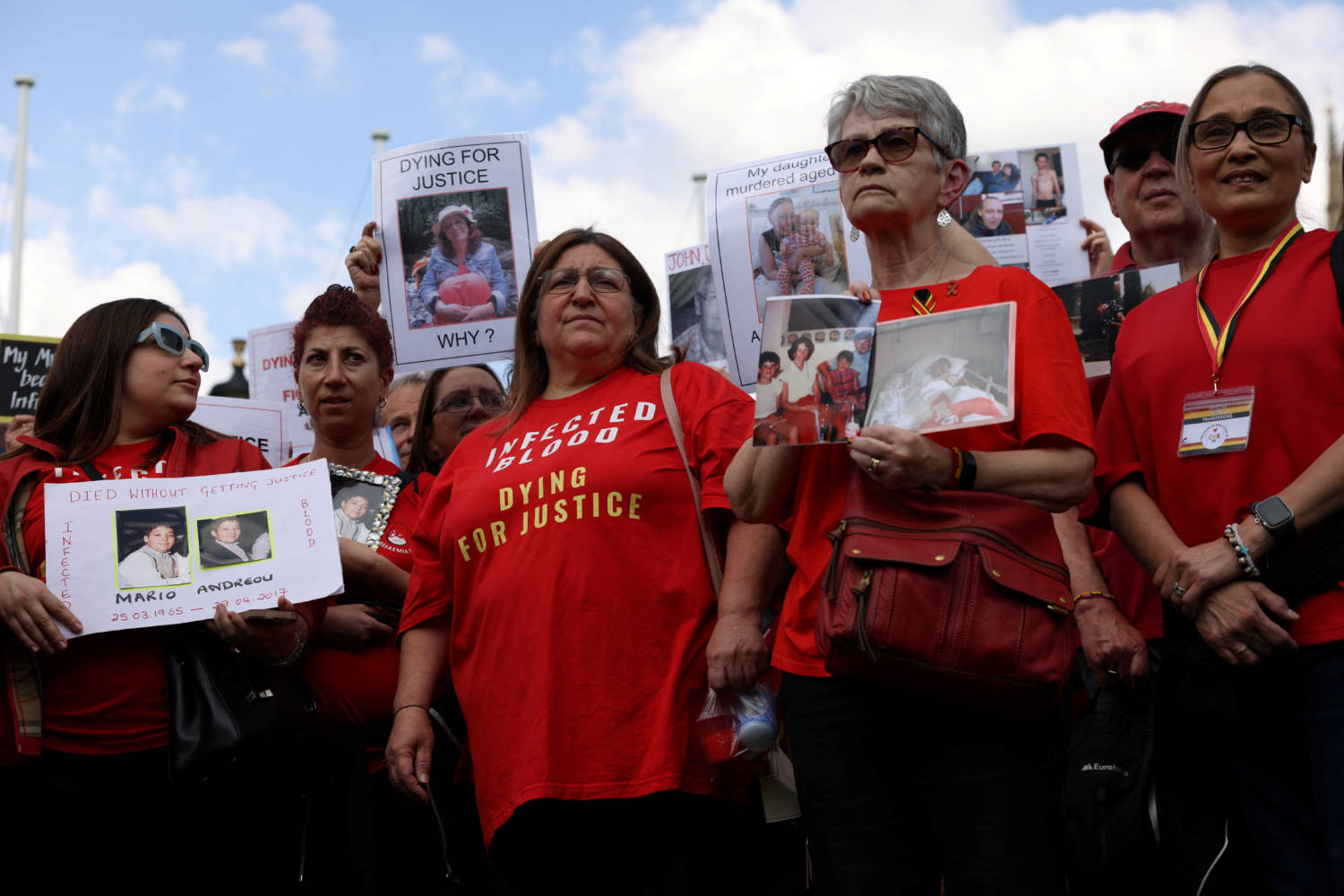
An infected blood scandal in Britain led to 3,000 deaths and thousands more contracting hepatitis or HIV due to doctors and governments fault. Over 30,000 people received infected blood in the 1970s and 1980s, destroying lives, with some blood products being made from high-risk donations. The government hid the truth to save face. Prime Minister Rishi Sunak is expected to apologize on behalf of the state. The scandal rocked trust in the medical establishment. The infected blood products were used for transfusions and treatments, with some haemophiliacs receiving Factor 8 concentrates with a high risk of infection. Between 80 and 100 people became infected with HIV by transfusion, and about 26,800 were infected with Hepatitis C. The British inquiry found systemic failures and lack of meaningful apology or redress. The inquiry does not have the power to recommend prosecutions. Former health minister Edmond Herve in France was convicted for his role in the scandal.


