When darkness is normalised in politics

When darkness is normalised in politics

The far-right party ELAM has gained significant political space in Cyprus, attracting voters from various parties. This rise of the far-right is not just a Cypriot issue but a European and international phenomenon. The far-right thrives on crises and social inequalities, offering what seems like an attractive alternative to traditional parties. Despite some missteps, ELAM continues to influence public discussions and set the agenda, posing a potential nightmare for other parties and society as a whole. The focus should be on countering the far-right through effective policies and addressing pressing issues to prevent the normalization of fascism.

Violence against civilians in Gaza ‘no longer justifiable,’ Italy says

Violence against civilians in Gaza ‘no longer justifiable,’ Italy says

Italy strongly criticized Israeli attacks on Palestinian civilians in Gaza, stating that the situation is increasingly difficult and no longer justifiable. Defence Minister Guido Crosetto expressed despair over the situation and emphasized the need to distinguish between Hamas and the Palestinian people. Italy has previously supported Israel’s right to defend itself from Hamas but has urged for a ceasefire and the release of Israeli hostages.

Nostalgia as a political tool

Nostalgia as a political tool

Political leaders like Donald Trump, Giorgia Meloni, and Recep Tayyip Erdoğan all share a common theme of nostalgia for a romanticized past. They use this longing for the “good old days” as a strategic political tool to manipulate people by distorting history and promising to bring back a time that never truly existed. This exploitation of nostalgia is effective in winning elections but is also dangerous as it leads to misinformation and a distorted perception of the present and future.

The far-right has already been normalised

The far-right has already been normalised

The rise of the far-right is becoming normalized in Cyprus and beyond, with political parties adopting its rhetoric in an attempt to tame it. This normalization is not exclusive to Cyprus or Greece, as far-right parties are gaining power in countries like Italy, Hungary, France, the Netherlands, Germany, Portugal, Spain, Romania, Slovakia, Czechia, Belgium, the USA, and Argentina. The far-right’s communication skills and appeal in a conspiracy-obsessed society are contributing to its success, raising concerns about a return to pseudo-eugenic and misanthropic theories reminiscent of the Middle Ages.

Italy updates IVF rules to allow access for widowed or separated women

Italy updates IVF rules to allow access for widowed or separated women

Italy’s Health Ministry has updated its guidelines on medically assisted reproduction, allowing women who have separated from their male partner or become widowed to proceed with the implantation of an embryo if the partner had previously agreed to the procedure.

Hard right wants more EU power to reflect likely election gains

Hard right wants more EU power to reflect likely election gains

French right-wing lawmaker Jean-Paul Garraud expects nationalist and eurosceptic parties to gain influence in the upcoming EU assembly election. Polls predict radical right parties will increase their seats across the EU, including France, Germany, and Italy. Garraud anticipates far-right parties could have positions in committees or even hold key roles in the European Parliament, allowing them to influence policies related to green initiatives, free trade, and immigration. The rise of radical right parties is fueled by a growing gap between mainstream parties and distrustful voters, as well as concerns over issues such as the cost of living, illegal migration, and changing geopolitical dynamics. Critics warn that the influence of the hard right could weaken Europe and potentially lead to closer ties with China and Russia.

ELAM takes cues from Italian far-right during ECR gathering

ELAM takes cues from Italian far-right during ECR gathering

The ECR Conference in Nicosia, promoted by ELAM, focused on immigration and criticized the European Union. ELAM aims to follow the model of Italian Prime Minister Giorgia Meloni’s party. Delegations from 22 countries attended the conference, discussing challenges facing Europe. Marinos Sizopoulos of EDEK warned of “genocidal plans brewing” and emphasized the need for a democratic solution to the Cyprus issue.

Over 63,000 people dead or missing while migrating over last decade

Over 63,000 people dead or missing while migrating over last decade

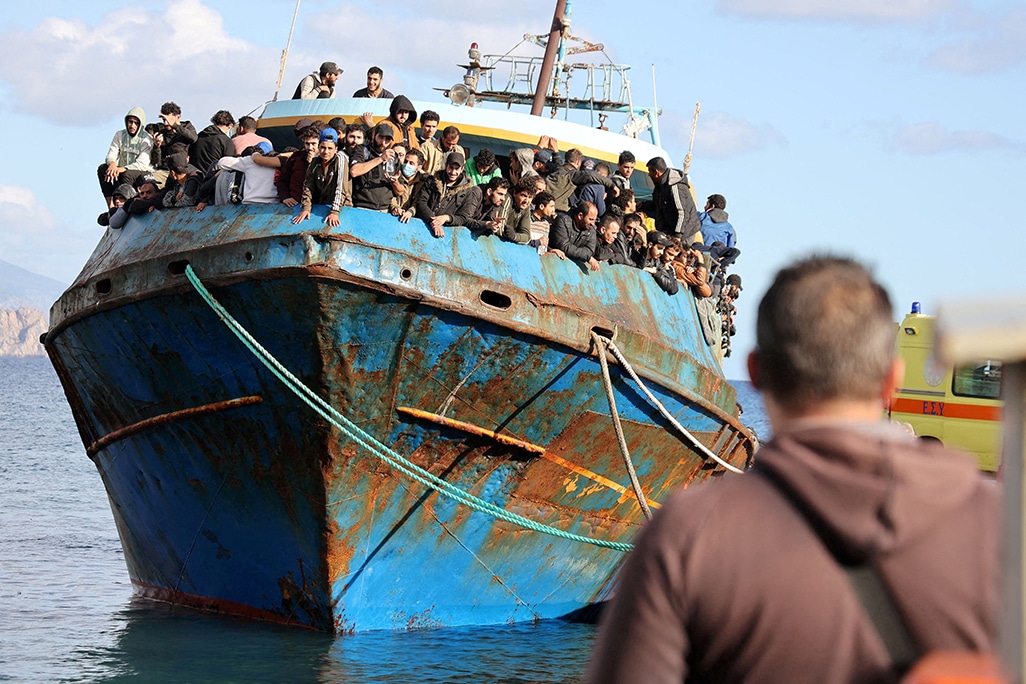
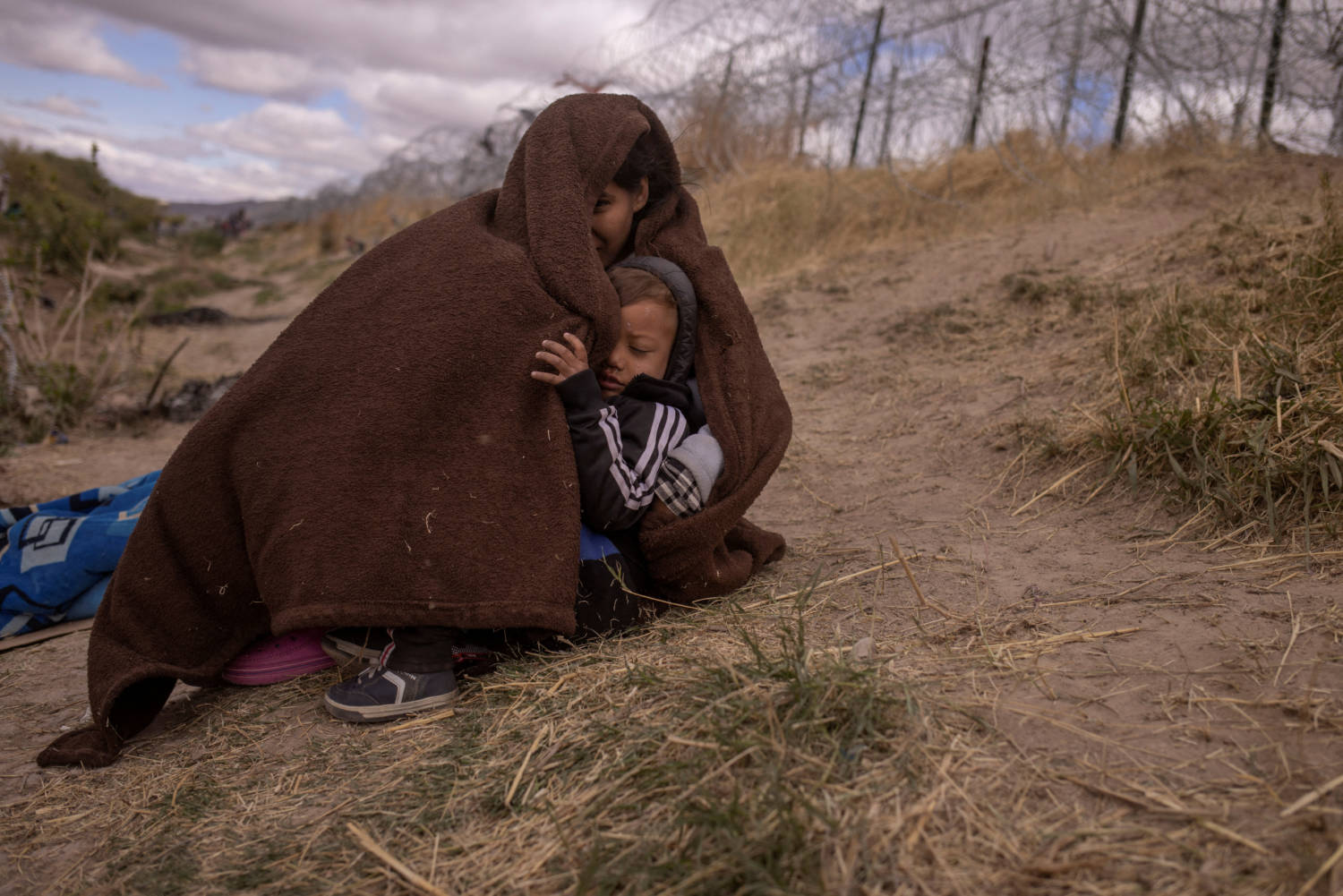
Fact: At least 63,285 people have perished or disappeared on migration routes around the world between 2014 and 2023, with most deaths caused by drowning.

More than 63,000 people dead or missing while migrating over last decade, IOM says

More than 63,000 people dead or missing while migrating over last decade, IOM says

At least 63,285 people have perished or disappeared on migration routes around the world between 2014 and 2023, with most deaths caused by drowning.

Voters are shifting in search of security

Voters are shifting in search of security

Socially conservative parties, often supported by individuals negatively impacted by globalization, are gaining votes from those who feel left behind economically and culturally. Politicians are perceived as detached from public concerns, contributing to a shift in voter behavior towards prioritizing security and identity issues. This trend benefits right-wing and far-right parties, as voters seek solutions to economic and identity crises, leading to a decline in support for traditional left-wing parties. The economic situation remains a primary voting criterion, but it’s increasingly intertwined with security concerns, especially post-pandemic and due to geopolitical tensions like the war in Ukraine. Voter abstention, particularly among the youth, is rising due to distrust in the political system and a belief that voting does not effect change. The political landscape is witnessing a shift towards more conservative stances on issues like immigration, challenging traditional parties to adapt or risk losing relevance. Social media has transformed political communication, enabling direct interaction between politicians and voters but also increasing scrutiny and the speed at which information spreads. To succeed, political candidates and parties must clearly articulate their unique selling points and effectively communicate them to the electorate, adapting to changing voter preferences.