Dutch parties to propose former intelligence chief as new prime minister

Dutch parties to propose former intelligence chief as new prime minister

Dick Schoof, the former Dutch intelligence chief, has been proposed as the prime minister of the Netherlands’ incoming right-wing government led by Geert Wilders’ nationalist PVV. The four parties forming the new government have announced a press conference with Schoof, who currently serves as a senior official at the Dutch Ministry of Justice. The new government aims for stricter migration policies and exceptions to EU asylum and environmental rules.

ELAM takes cues from Italian far-right during ECR gathering

ELAM takes cues from Italian far-right during ECR gathering

The ECR Conference in Nicosia, promoted by ELAM, focused on immigration and criticized the European Union. ELAM aims to follow the model of Italian Prime Minister Giorgia Meloni’s party. Delegations from 22 countries attended the conference, discussing challenges facing Europe. Marinos Sizopoulos of EDEK warned of “genocidal plans brewing” and emphasized the need for a democratic solution to the Cyprus issue.

Voters are shifting in search of security

Voters are shifting in search of security

Socially conservative parties, often supported by individuals negatively impacted by globalization, are gaining votes from those who feel left behind economically and culturally. Politicians are perceived as detached from public concerns, contributing to a shift in voter behavior towards prioritizing security and identity issues. This trend benefits right-wing and far-right parties, as voters seek solutions to economic and identity crises, leading to a decline in support for traditional left-wing parties. The economic situation remains a primary voting criterion, but it’s increasingly intertwined with security concerns, especially post-pandemic and due to geopolitical tensions like the war in Ukraine. Voter abstention, particularly among the youth, is rising due to distrust in the political system and a belief that voting does not effect change. The political landscape is witnessing a shift towards more conservative stances on issues like immigration, challenging traditional parties to adapt or risk losing relevance. Social media has transformed political communication, enabling direct interaction between politicians and voters but also increasing scrutiny and the speed at which information spreads. To succeed, political candidates and parties must clearly articulate their unique selling points and effectively communicate them to the electorate, adapting to changing voter preferences.

Dutch politician Wilders says he is ready to forego job of prime minister

Dutch politician Wilders says he is ready to forego job of prime minister

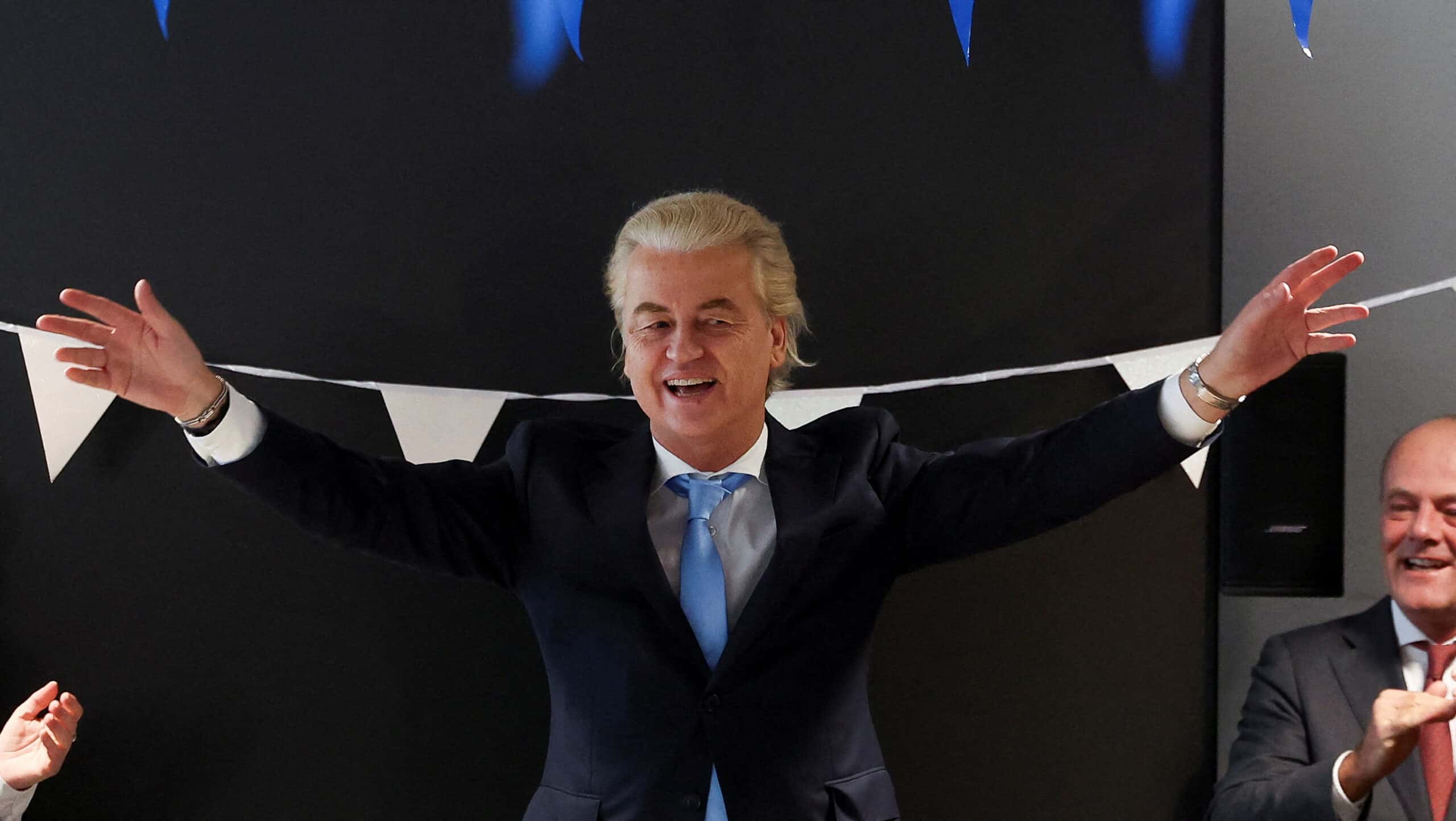
Dutch politician Geert Wilders expressed his willingness to not pursue the position of prime minister to help establish a new right-wing government, following an election held on November 22, where his party received the most votes. Despite efforts and discussions with potential allies for over 100 days since the election, no successful coalition has been formed. Wilders emphasized his preference for a right-wing cabinet focused on reducing asylum and immigration, stating his love for his country and its voters surpasses his personal ambitions. The possibility of forming an “extra-parliamentary” cabinet, where leaders would not join the government but appoint external experts and politicians to government roles, has been considered.