The far-right has already been normalised

The far-right has already been normalised

The rise of the far-right is becoming normalized in Cyprus and beyond, with political parties adopting its rhetoric in an attempt to tame it. This normalization is not exclusive to Cyprus or Greece, as far-right parties are gaining power in countries like Italy, Hungary, France, the Netherlands, Germany, Portugal, Spain, Romania, Slovakia, Czechia, Belgium, the USA, and Argentina. The far-right’s communication skills and appeal in a conspiracy-obsessed society are contributing to its success, raising concerns about a return to pseudo-eugenic and misanthropic theories reminiscent of the Middle Ages.

Portugal’s democracy turns 50: Thousands commemorate Carnation Revolution

Portugal’s democracy turns 50: Thousands commemorate Carnation Revolution

Portugal celebrated the 50th anniversary of the “Carnation Revolution” that ended a fascist dictatorship and brought democracy. The revolution was led by junior army officers who wanted democracy and decolonization. Recent celebrations were overshadowed by concerns over the rise of the far right in Portugal, including the populist party Chega. Chega has gained popularity by appealing to those with a revisionist view of history and advocating for changes to the constitution. Despite being the third largest party in Portugal, Chega’s leader denies being fascist and criticizes mainstream parties for not addressing poverty and other issues.

Portugal’s New Minority Government Orders Tax Cuts

Portugal's New Minority Government Orders Tax Cuts

Portugal’s new centre-right Prime Minister Luis Montenegro announced income and corporate tax cuts in his first speech to parliament. Montenegro’s Democratic Alliance party, which has no majority, refused to make an accord with the far-right Chega party. Income tax will be cut by 1.5 billion euros, with middle-income earners benefiting most. Company taxes will be reduced from 21 percent to 15 percent over three years. The government’s programme will only pass in parliament with the abstention of the Socialists, who have 78 seats compared to the Democratic Alliance’s 80. Chega made significant gains in the March elections, and the Socialists have said they will oppose many government measures. Socialist leader Pedro Nuno Santos has warned that it will be “practically impossible” for his party to support the government’s 2025 budget.

Portugal’s far-right Chega to seek government role to break election deadlock

Portugal’s far-right Chega to seek government role to break election deadlock

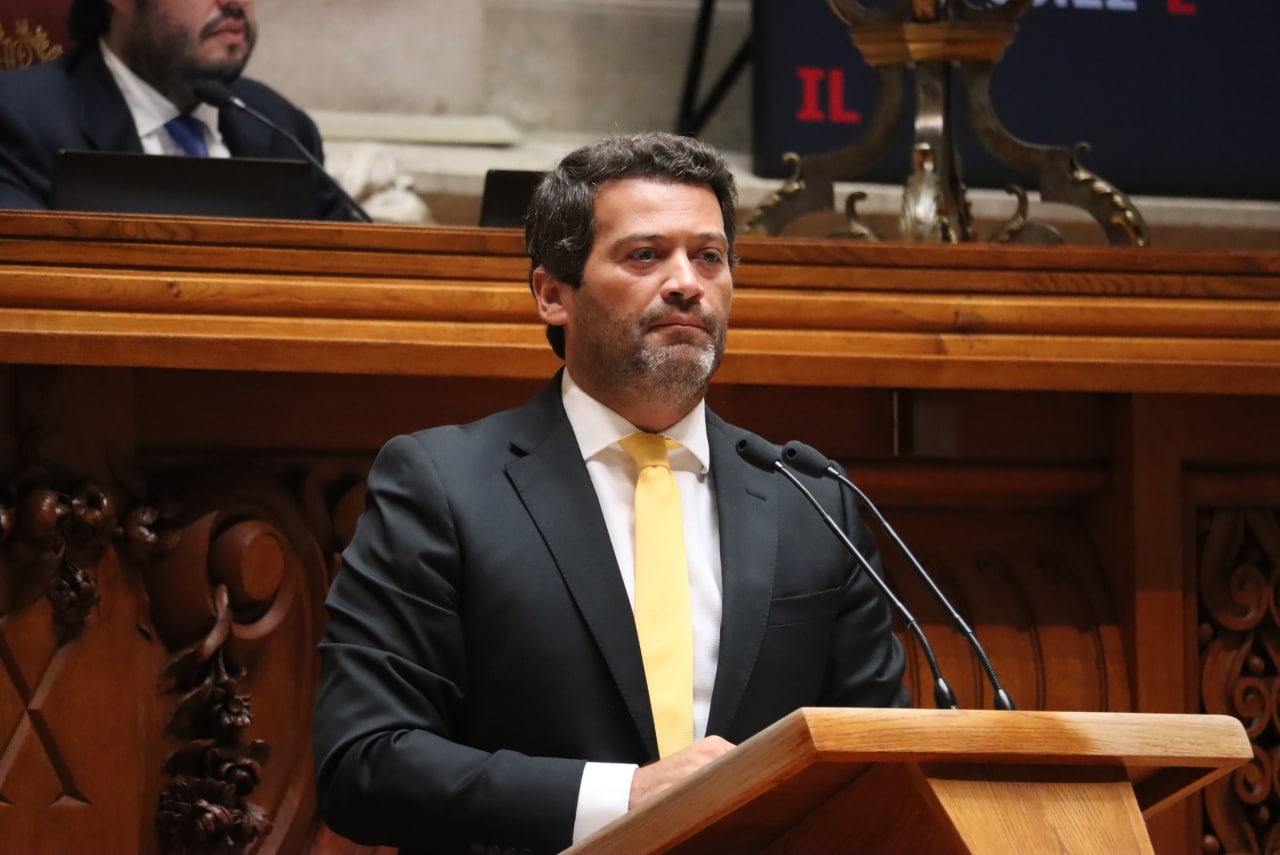
Portugal’s far-right Chega party, led by Andre Ventura, has stated that it would demand to be part of a rightist coalition government in exchange for parliamentary support. Opinion polls suggest that a hung parliament is likely in the upcoming election, with the Socialists expected to win the most votes but right-wing parties projected to win more seats. Chega, currently in third place in the polls, wants to influence policies in areas such as justice, internal affairs, and agriculture in return for supporting a PSD-led government. The party’s demands may be difficult to accept, as the PSD leader has previously ruled out any agreement with Chega. However, Ventura draws inspiration from Italy, where centrist parties backed a coalition led by the hard-right Brothers of Italy. Chega supports the death penalty, chemical castration for repeat rapists, and has a strong stance against illegal immigration. The party has grown rapidly since its creation in 2019 and is expected to win more than 15% of the vote in the upcoming election. Far-left parties accuse Chega of fascism, xenophobia, and racism, but Ventura rejects these labels and believes his party addresses issues that interest people, such as immigration and corruption. The election was called after Socialist Prime Minister Antonio Costa resigned over an investigation into alleged illegalities in his government’s handling of investment projects.