Tax department to look into scandal hit monastery

Tax department to look into scandal hit monastery

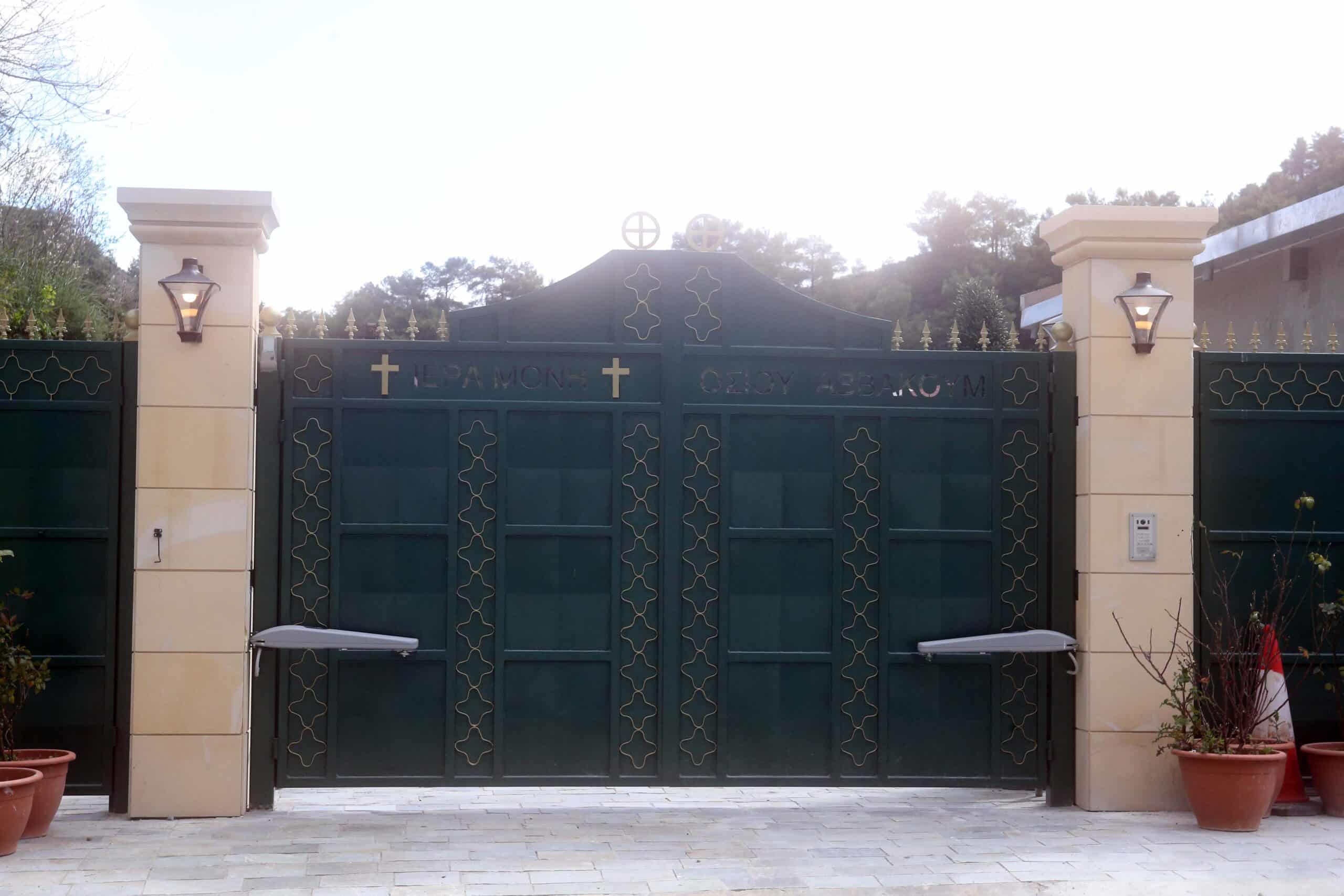
The tax department in Cyprus is examining the books at Osiou Avakoum monastery to determine if it has met all taxation requirements. This action is part of an audit to assess compliance with tax obligations by the monastery and individuals involved. The investigation follows the suspension of five monks by the Holy Synod amid scandals involving suspect economic activities, financial crimes, sexual harassment, and abuse allegations. The monastery had previously applied for a €3 million fundraiser in 2020 without submitting necessary financial statements. A safe box containing €800,000 was found at the monastery, which was transferred to the Tamassos Bishopric under police supervision.

‘Govt not taking oversight authority seriously at all’

‘Govt not taking oversight authority seriously at all’

The Cyprus Bar Association criticized the government for its approach to establishing an oversight authority, accusing it of lacking seriousness. This criticism followed a presentation at the finance ministry about the oversight authority, which was approved by the cabinet last month to address sanctions and the country’s reputation regarding money laundering. The Bar Association pointed out legal issues with the framework and accused the finance ministry of not properly evaluating and presenting important matters, leading to serious weaknesses in implementing the decision. Stakeholders such as the accountant’s association, anti-money laundering unit, fiduciary association, and Securities and Exchange Commission were present at the presentation. The Bar Association also claimed that the finance ministry sent stakeholders the wrong document regarding the plans for the new authority and disagreed with the existing framework. It was clarified that CySEC would not oversee 50 of the biggest service industry firms or high-risk companies as previously thought. The Finance Minister had stated that the authority would be led by CySEC and conduct checks with the Bar Association and the accountant’s association. The Bar Association has called for the president and cabinet to reconsider their decisions and has expressed concerns about CySEC’s involvement breaching client confidentiality.

Monastery sought , €3m fundraiser, ignored govt reminders

Monastery sought , €3m fundraiser, ignored govt reminders

The Osiou Avakoum monastery applied for a €3 million fundraiser to the interior ministry in 2020 but failed to submit the necessary financial statements afterwards. The application for the fundraiser, intended for the expansion of the monastery, was approved by the Tamassos Bishopric. The monastery is currently embroiled in scandals involving financial crimes, sexual harassment, and abuse, with investigations being conducted by the police and the anti-money laundering unit. A safe box containing €800,000 was found at the monastery, and the cash was transferred to the Tamassos Bishopric under police supervision. No arrests have been made in connection with these issues. The interior ministry expected a financial statement from the monastery after approving its fundraising application in 2021 but did not receive any despite sending eight reminders. A subsequent fundraising request from the monastery in 2023 was not approved, even though it provided bank statements showing €85,000 transfers from the previous fundraiser. The ministry plans to re-examine the case in light of these revelations, and MPs have called for a thorough investigation into money laundering within the church. Two investigators have been appointed by the attorney-general to examine allegations involving police officers’ presence at the monastery without senior officers’ knowledge or orders.

People smugglers jailed

People smugglers jailed

Two men, aged 28 and 19, were jailed for transporting 125 illegal immigrants by boat to the Famagusta area last November. The Famagusta district court sentenced the 28-year-old to two years and the 19-year-old to four years in prison for assisting illegal entry to the Republic, participating in a criminal organisation, and money laundering.

MiCA for cryptos by end of year, early-2025

MiCA for cryptos by end of year, early-2025

Cyprus plans to implement the Markets in Crypto-Assets (MiCA) regulation by the end of this year or early 2025, aiming to protect investors and promote transformation in the crypto asset sector in the European Union. The MiCA framework, created by the European Commission, focuses on maintaining financial stability throughout the EU. Currently, there are no safeguards at the Union level for the crypto asset market, with only individual national legislation in place. The number of crypto-asset service providers increased from seven in 2022 to 11 by the end of that year, with a total of 16 applications pending so far this year. The Chairman of the Cyprus Securities and Exchange Commission (CySEC), Dr. George Theocharides, anticipates more CASP companies will emerge once MiCA is implemented. In 2023, CySEC conducted over 700 on-site and remote thematic inspections of supervised entities, assessed compliance with prudential supervision framework limits, and monitored Cypriot Investment Firms (CIFs) affected by Russia-Ukraine sanctions. CySEC also evaluated promotional material of over 35 CIFs, conducted investigations into CIFs, and imposed administrative sanctions totaling approximately EUR 2.2 million in 2023, with a total of EUR 6 million in administrative sanctions over the last three years. Additionally, 19 cases of CIFs had their operating licenses revoked or suspended. Dr. Theocharides highlighted the importance of the upcoming MiCA regulation for crypto-asset service providers, aimed at ensuring investor protection and market integrity. He urged investors to be cautious when investing in crypto-assets due to the associated risks. Despite challenges, the capital market in Cyprus remains of significant interest, with 82 entities receiving approval in 2023 and the number of supervised entities at 830 by the end of February 2024. CySEC also participated in events promoting financial literacy and issued warnings about entities posing as CySEC officials or imitating its website.

Release of monastery CCTV footage , ‘clearly illegal’

Release of monastery CCTV footage , ‘clearly illegal’

The Data Protection Commissioner of Cyprus, Irene Loizidou Nicolaidou, stated that the publication of videos from the Osiou Avakoum monastery’s CCTV, which also contain audio, is illegal. This is because the circulation of audio from such recordings is considered highly intrusive. The legality of the CCTV footage collection is uncertain, affecting its online distribution. Nicolaidou has requested police to investigate the placement of these cameras, their recording locations, and whether their installation infringes on third-party rights without consent. This inquiry follows the circulation of a video showing a monk hitting a woman with a belt, leading to police seizing the CCTV footage. The police are in possession of several videos from the monastery’s CCTV. Since March 8, when police began investigating financial offenses at the monastery, scandals involving sex, fake miracles, and money laundering have emerged. Nicolaidou’s office has received complaints from individuals identifiable in the CCTV footage.

North a safe haven for criminals

North a safe haven for criminals

– At least 11 fugitives wanted by Interpol have been located in Northern Cyprus in the last 20 months.
– These fugitives, including notable criminals from Australia, Russia, China, and Italy, had purchased real estate and obtained residence permits from the Turkish Cypriot administration.
– All arrested fugitives were extradited to Turkey, as Northern Cyprus, not recognized by any state other than Turkey, has no extradition treaties and relies on Turkey for Interpol-related arrests and extraditions.
– Northern Cyprus is described as a safe haven for criminals due to lack of international recognition, oversight, and adequate controls on entry and activities within the country.
– Moldovan authorities believe fugitive oligarch Vladimir Plahotniuc is hiding in Northern Cyprus.
– The 2023 Global Organised Crime Index indicates that Northern Cyprus has a significant presence of individuals wanted by Interpol and is a hub for organized crime activities.
– A study based on Transparency International’s methodology found widespread bribery in Northern Cyprus, with 40% of business executives admitting to engaging in bribery.
– The uncontrolled entry of individuals into Northern Cyprus poses a security threat, with instances of apprehended terrorists and foiled terror attacks highlighted.
– Authorities estimate that the number of Iranians living in Northern Cyprus has reached 15,000, with over 40,000 entering through air and seaports in 2023.
– In the last 20 months, 21 individuals were deported for reasons such as threatening public law and order, and 29 Nigerians, many affiliated with violent cults, were also deported.
– The issuance of student visas and the presence of 23 universities hosting around 110,000 students, many of whom are not attending classes, are identified as factors contributing to illegal activities.

President favours a single fiduciary regulator

President favours a single fiduciary regulator

Cyprus’ reputation has been negatively affected for over seven years due to the Jho Low scandal, where the Malaysian criminal obtained a Cypriot passport through real estate investments and donations to the Church of Cyprus. The late archbishop admitted to assisting Jho Low in obtaining citizenship, claiming ignorance of his past. The 2021 OCCRP report highlighted Jho Low as the face of the 1MDB embezzlement scandal, stealing billions from Malaysia’s sovereign wealth fund. The Cypriot “golden passport” program, officially known as Citizenship by Investment, aimed to attract wealthy foreigners but was criticized for facilitating access for kleptocrats and criminals to the EU. The program was lucrative for lawyers and financial service providers in Cyprus. The new president of Cyprus has committed to reforming these practices to restore the country’s reputation as a legitimate investment and financial services destination. A proposal suggests assigning regulatory responsibilities to the Cyprus Securities and Exchange Commission (CySEC) to ensure independence and effectiveness in supervision, despite opposition from the Cyprus Bar Association. CySEC, under the leadership of Chairman George Theocharides, acknowledges the need for additional resources and expertise to take on this challenge. Demetra Kalogerou, former CySEC chair, supports the government’s decision for a single regulator, criticizing the lack of independence in the current system where professional associations regulate their own members.

Something smells fishy in the case of the Ukrainian woman

Something smells fishy in the case of the Ukrainian woman

A Ukrainian woman made 20 trips to Cyprus, bringing in nearly eight million euros, under suspicious circumstances. Despite her transactions being under scrutiny, she was not arrested until after a theft occurred. On each trip, she carried substantial sums of money, claiming it was for property purchases, but investigations revealed she and her husband do not own any property, bank accounts, or shares in any company in Cyprus. The case raises questions about the effectiveness of the country’s measures against money laundering.

Arrest made in money laundering case

Arrest made in money laundering case

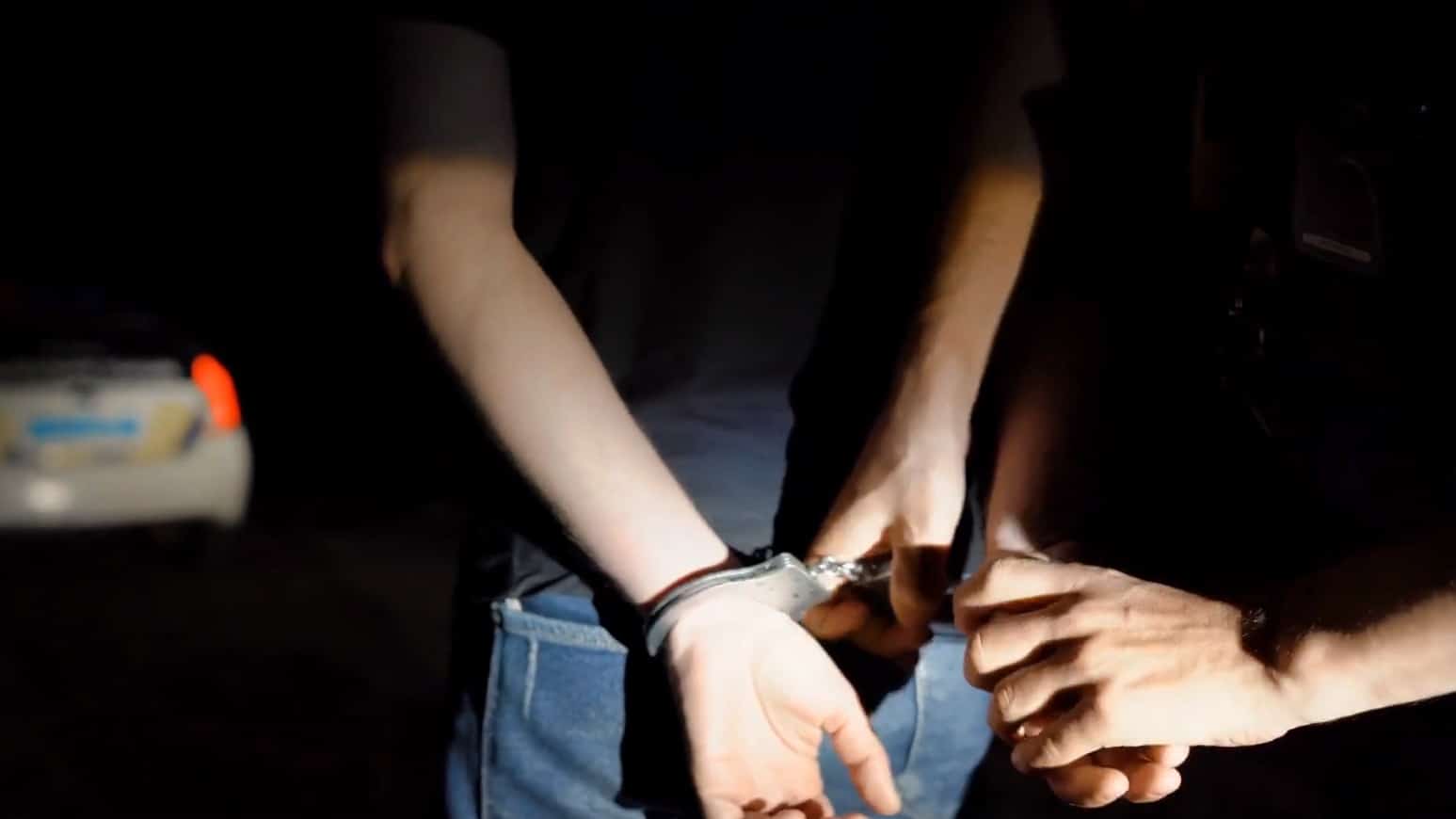
A 43-year-old man was arrested in Cyprus for being suspected of receiving millions of euros from a 31-year-old Ukrainian woman since August 2023. The woman is accused of transferring a total of €8 million to Cyprus and was arrested for money laundering after reporting a robbery of €420,000 in cash. She has been remanded in custody and faces 60 charges related to money laundering. The case is under investigation by the anti-money laundering unit (Mokas).