Our View: No state official should stay in their post until retirement

Our View: No state official should stay in their post until retirement

The permanence of appointments to certain positions such as auditor-general, attorney-general, and deputy attorney-general in Cyprus is being questioned. The idea of permanence was to safeguard independence and objectivity, but it could lead to complacency and lack of motivation. It is suggested that non-renewable contracts with an eight-year term would be more suitable to prevent long-term stays in these positions. The constitution may need to be amended to allow for fixed-term contracts instead of permanent appointments.

‘Police conducting hotel checks by the book’

‘Police conducting hotel checks by the book’

Police have been conducting checks at hotels in accordance with procedures following complaints from the hoteliers’ association (Pasyxe) about raids causing panic. Several complaints had been filed against a hotel group in the Paphos area. Arrests related to combating illegal employment in Cyprus had doubled within a year in the Paphos area. Labor Minister Yiannis Panyiotou emphasized the need to tackle illegal and undeclared work effectively. The general director of Pasyxe suggested that police could have conducted operations with more discretion, particularly in the incident in Paphos where around 30 police officers caused panic by entering a hotel.

Tales from the Coffeeshop: Our greatest victory of the post invasion era

Tales from the Coffeeshop: Our greatest victory of the post invasion era

– The first ever Coffeeshop appeared in 1991 on April 21.
– The rejection of the Annan plan by 76% of the Greek Cypriot population was celebrated as a victory.
– The audit report on the foreign ministry for the 2021-22 period revealed a diplomat unlawfully collecting an overseas posting allowance.
– Deputies in Cyprus receive various perks and privileges, including multiple pensions.
– The chairman of Hellenic Bank accepted a mediation proposal by the labor minister regarding the renewal of the collective agreement.

Construction in Cyprus in , ‘state of anarchy’ – Etek

Construction in Cyprus in , ‘state of anarchy’ – Etek

Construction in Cyprus is in a “state of anarchy” according to the Scientific and Technical Chamber (Etek), with building violations out of control. The chairman of Etek warned that there is a perception of impunity and tolerance to illegality, leading to irreversible consequences. Etek has submitted proposals to simplify procedures and speed up licensing processes. Local authorities are urged to carry out on-site construction inspections and control illegal buildings. The chairman called for no tolerance for illegality and severe punishment for offenders.

Church runs illegal lottery to fund unpermitted monastery construction

Church runs illegal lottery to fund unpermitted monastery construction

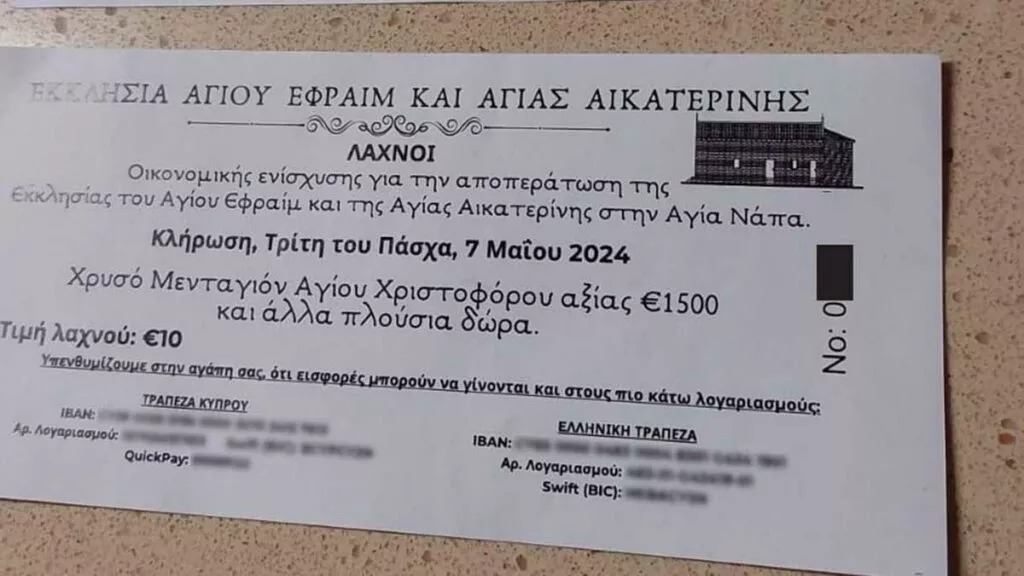
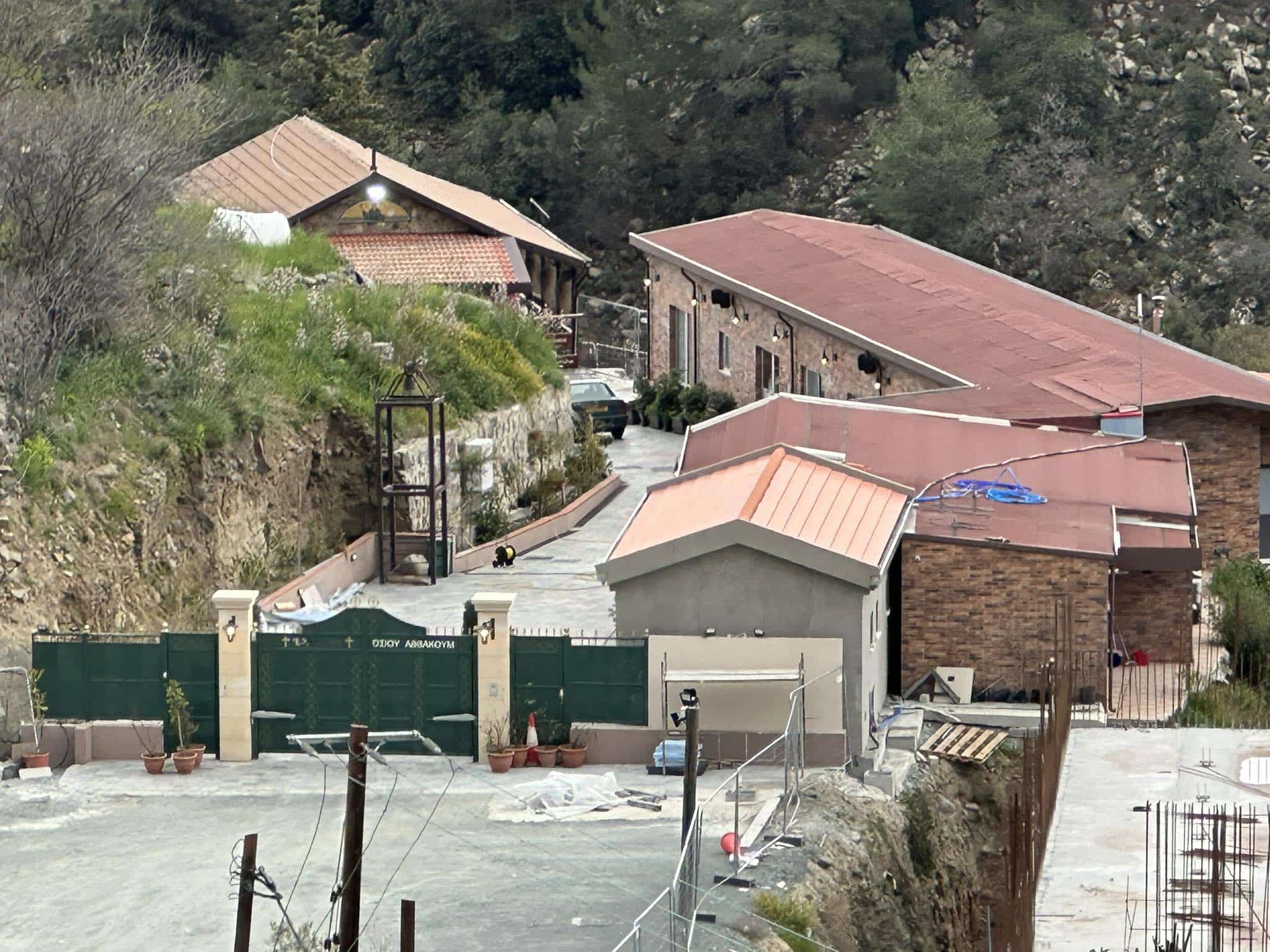
The Church of Panagia Ayia Napa conducted an unlicensed raffle to raise funds for an illegally built monastery in a protected area. The Ministry of Finance considers this a serious offense and plans to demand an immediate halt to the raffle, as well as forward a report to the police for investigation. The raffle tickets also included a section for collecting donations, but the Church clarified that the funds were for general charitable purposes, not specifically for the controversial monastery project. Environmental groups have condemned the Church’s actions, questioning the legitimacy of the raffle and criticizing the promotion of an unlawful construction project.

No cover ups to Akamas illegality, Agriculture Minister says

No cover ups to Akamas illegality, Agriculture Minister says

Maria Panayiotou fired warning shots against those transgressing in the Akamas peninsula and plans to block all illegal development with the support of involved ministries.

Evidence collection nearly done in Osiou Avakoum scandals

Evidence collection nearly done in Osiou Avakoum scandals

Two monks involved in scandals at the Osiou Avakoum monastery will provide statements to the Holy Synod’s investigative committee next week. This step is part of the final evidence collection before a decision is made. The investigation by a six-member ecclesiastical court of the Holy Synod is not expected to finish before Easter. The committee is focused on reaching a reliable conclusion rather than the time the process takes. A CCTV video under police investigation will be considered in the final decision, despite concerns about its legality. Additionally, there are ongoing police investigations into sexual harassment allegations and possible financial crimes at the monastery. Theologian Theodoros Kyriacou testified in support of a sexual harassment complaint against the monastery’s head, filed by a former employee.

St Habakkuk fundraisers under scrutiny

St Habakkuk fundraisers under scrutiny

– A fundraiser was conducted by the Saint Habakkuk Monastery between May-November 2021, raising €85,000 for construction work within the monastery.
– The Ministry of Interior required a building permit for the fundraiser, which the monastery did not submit.
– The monastery’s application for a second fundraiser was rejected due to the lack of submitted documents.
– The Ministry of Interior sent eight letters to the monastery requesting documents, which were eventually provided in 2023.
– Among the documents were receipts for expenses, which may be investigated by the police.
– There is a question regarding how €85,000 from the fundraiser grew to €807,000 found in the monastery’s safe.
– Two applications for a fundraiser to support a monastery on Mount Athos were submitted through the Archbishopric, and a third application was rejected.
– The Ministry of Interior stopped considering applications for the support of churches and monasteries due to citizen complaints.
– Priests can request donations within churches without a permit, but fundraisers outside require a permit.
– The Ministry of Interior grants approximately 80 permits annually for fundraisers, with proceeds amounting to about €10 million.
– There is a phenomenon of illegal fundraisers, which became more noticeable with stricter controls.
– The “Law on the Conduct of Fundraisers of 2014” defines a fundraiser and excludes activities within religious institutions and/or their precincts.
– Activities coordinated by the Commissioner for Volunteering and NGOs or the Pancyprian Coordinating Council of Volunteering involve addressing emergency needs and do not require a permit from the Licensing Authority.
– Anyone wishing to organize a fundraiser must obtain a permit from the competent Licensing Authority.
– The Licensing Authority may license organized entities for fundraisers within church precincts with the consent of the Ecclesiastical Authority.

Clear illegality with the sound on the cameras of the Holy Monastery of St. Habakkuk

Clear illegality with the sound on the cameras of the Holy Monastery of St. Habakkuk

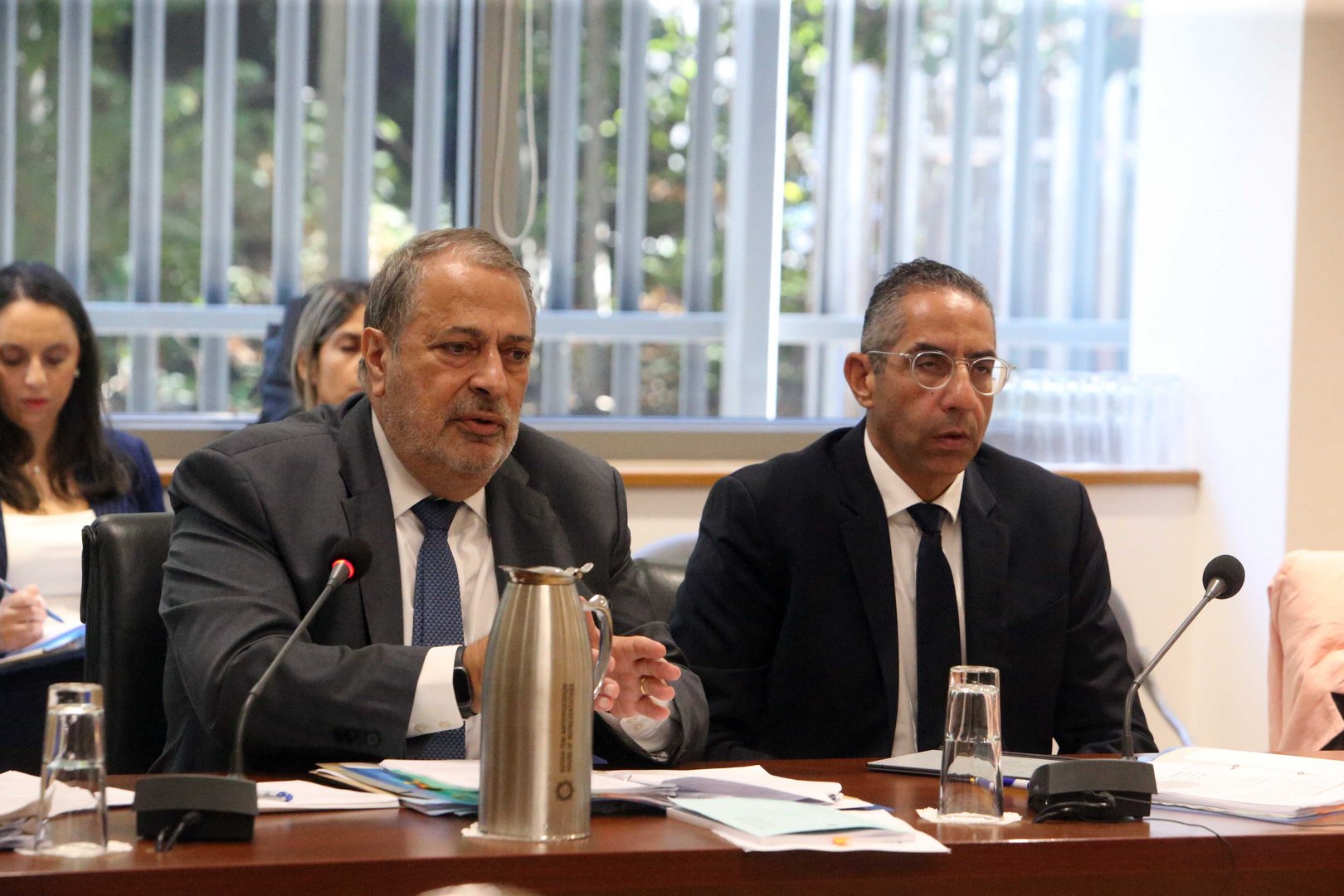
The text discusses the illegal dissemination of visual material from the Holy Monastery of Saint Habakkuk, highlighting that the videos, sourced from Closed Circuit Video Surveillance (CCTV) systems within the monastery, unlawfully recorded sound. The Commissioner for Personal Data Protection, Eirini Loizidou Nicolaidou, emphasized the illegality of audio recording by such systems and has sought clarification from the Cyprus Police regarding the legality of the CCTV installations, including their placement, purpose, and potential violation of third-party rights.

A sociologist, ’s view of the Cyprus problem

A sociologist, ’s view of the Cyprus problem

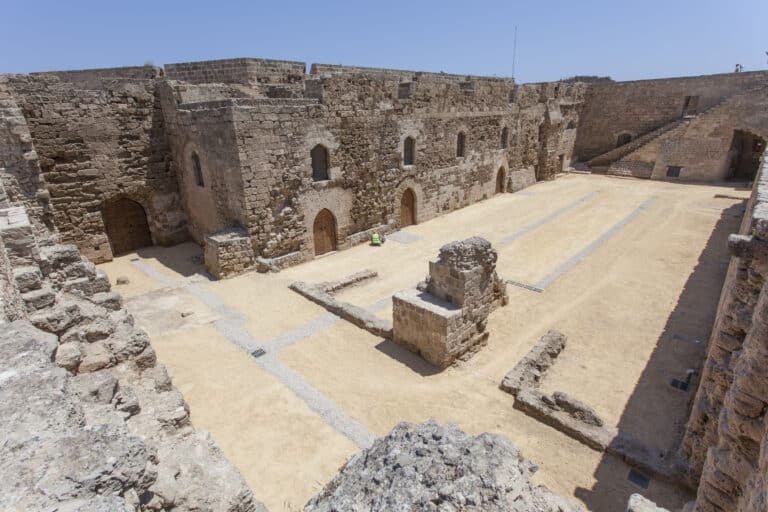
The Cyprus problem has been unresolved for 50 years, with significant changes in both the physical landscape and the mindset of its people since 1974. The UN-led negotiations have focused on constitutional and legal challenges, often overlooking the social realities and expectations of Greek Cypriots and Turkish Cypriots regarding a federal Cyprus. The social structure and the passage of time have influenced the local dimension of the Cyprus issue, with Greek Cypriots generally expecting a reversal of the northern occupation and Turkish Cypriots aiming to retain benefits supported by Turkey. Urban expansion and new economic interests in the north have altered perceptions of life. Sociological analysis is deemed necessary to understand the underlying contradictions in the images of Cypriot society and to foster progress towards settlement. Examples of successful bicommunal cooperation include the Nicosia Master Plan and the Bicommunal Technical Committee on Cultural Heritage. These initiatives demonstrate the potential for building solidarity and mutual understanding through shared efforts, yet they have not significantly influenced the formal negotiation process. The article emphasizes the importance of sociological insight in addressing the Cyprus problem and fostering a bicommunal society.