Limassol tavern bombed

Limassol tavern bombed

A tavern in Limassol was bombed in the early hours of Monday. The owners claim to have no disputes with anyone and are cooperating with the police investigation. Evidence has been collected from the crime scene and surveillance footage is being sought. This is the second time the tavern has been targeted in two years. The explosion caused minor damage with a low-power incendiary device placed at the entrance.

Terrorism court case at critical point

Terrorism court case at critical point

The complex terrorism case involving 41-year-old Orkhan Asadov, accused of recruiting and organizing criminal activities against Israelis in Nicosia, reached a critical point. The trial within a trial process concluded with final arguments from both sides, and the judicial panel reserved its decision for July 5. The defense attorneys argued that the Police accessed the defendants’ mobile phones unlawfully, while the prosecuting authority defended the legality of the procedures. The case began after Asadov’s arrest in September 2021, and he denies charges related to terrorism, conspiracy to commit murder, and money laundering.

Kisk thief handed five year sentence

Kisk thief handed five year sentence

The same perpetrator robbed a kiosk in Chloraka twice within 48 hours using the same method, resulting in a five-year imprisonment after being found guilty by the Paphos Criminal Court.

Bishop Isaiah testifies on monastery allegations

Bishop Isaiah testifies on monastery allegations

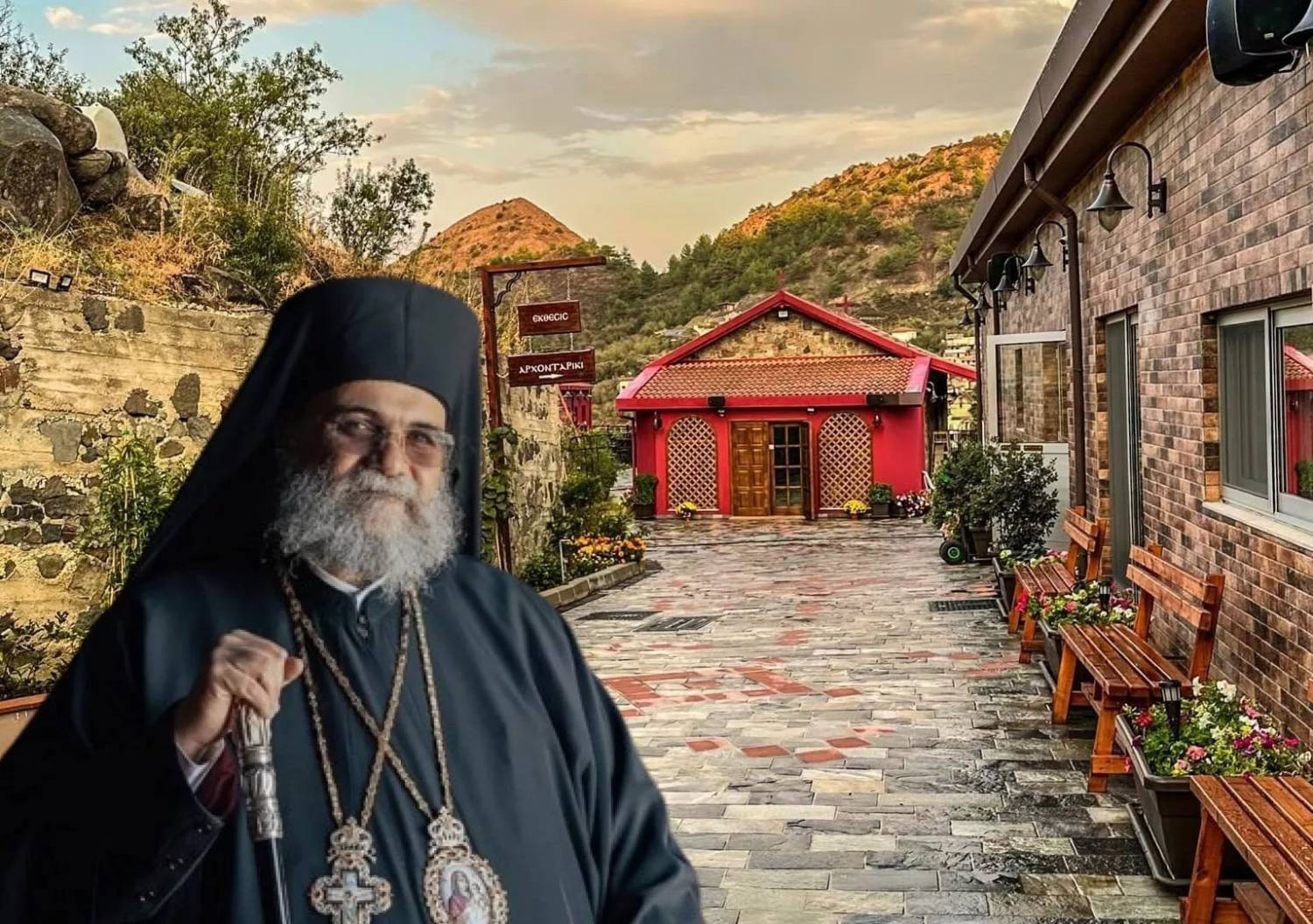
– Bishop Isaiah of Tamassos testified for three days about financial irregularities and other actions by the monks of the Monastery of Saint Habakkuk, which he claims are criminal offenses.
– During his testimony, Bishop Isaiah mentioned a citizen’s complaint of sexual harassment against him.
– The complainant and theologian Theodoros Kyriakou also testified about the sexual harassment case.
– Bishop Isaiah provided evidence including photographs, audio recordings, and videos to support his allegations.
– It is suggested that the area around the bishop was under surveillance, but there is no indication of illegal recording.
– Monks of the Monastery of Saint Habakkuk were aware that their actions were being recorded and allegedly tried to disable the sound unsuccessfully.
– There is no information about a video circulating that records confessions of the faithful.
– Priests and employees at the Bishopric of Tamassos testified mainly about the financial management of the monastery and denied any form of violence against the monks.
– The testimonies described interactions with the monks, including the transfer of a safe to the bishop of Tamassos and the monks visiting the Bishopric’s office voluntarily.
– The monks under investigation claimed they were pressured into admitting to allegations.
– Two monks who recently went missing are to be summoned for testimony before the investigative committee of the Holy Synod and have been seen in various places.

Clear illegality with the sound on the cameras of the Holy Monastery of St. Habakkuk

Clear illegality with the sound on the cameras of the Holy Monastery of St. Habakkuk

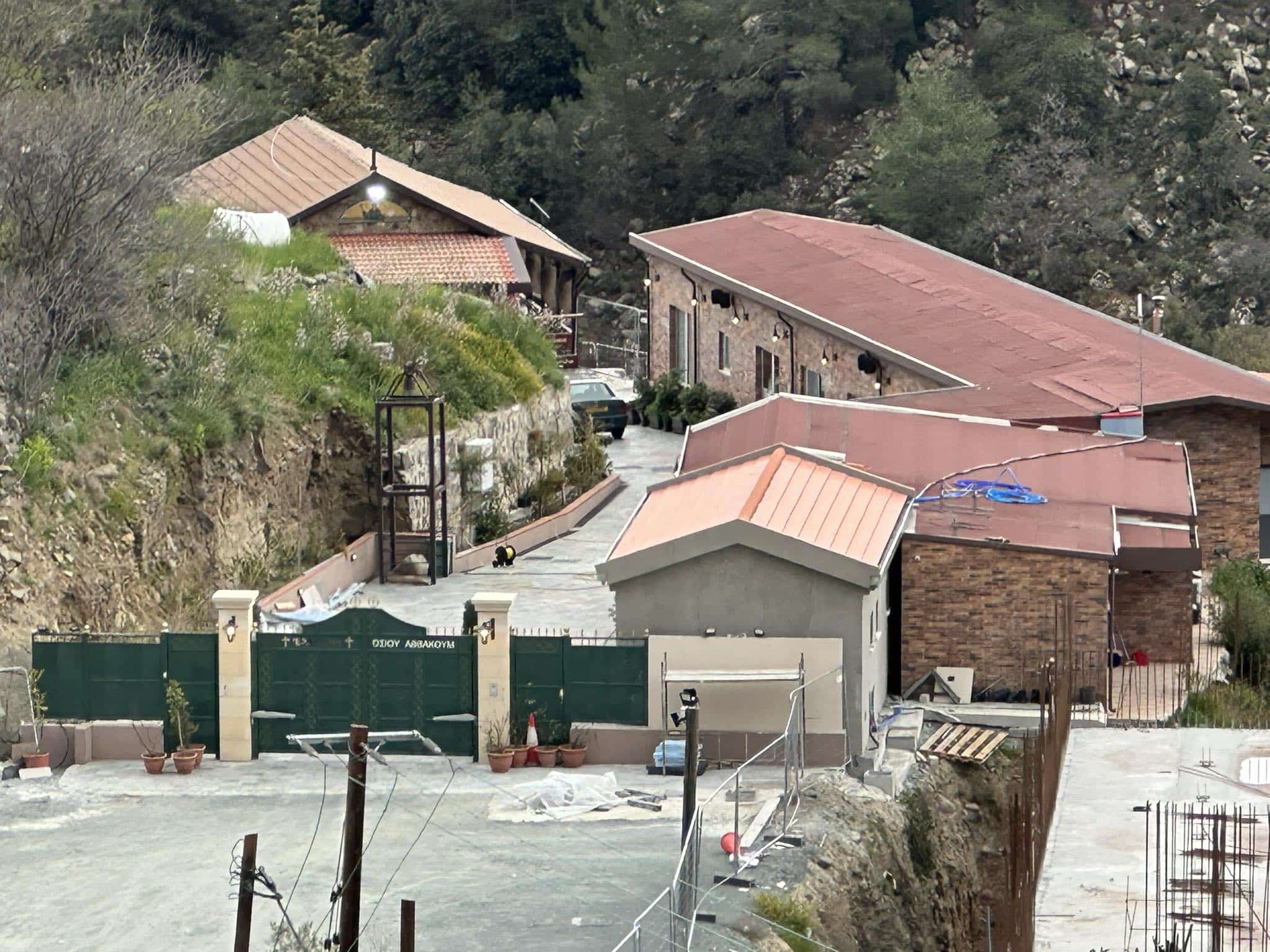
The text discusses the illegal dissemination of visual material from the Holy Monastery of Saint Habakkuk, highlighting that the videos, sourced from Closed Circuit Video Surveillance (CCTV) systems within the monastery, unlawfully recorded sound. The Commissioner for Personal Data Protection, Eirini Loizidou Nicolaidou, emphasized the illegality of audio recording by such systems and has sought clarification from the Cyprus Police regarding the legality of the CCTV installations, including their placement, purpose, and potential violation of third-party rights.

Release of monastery CCTV footage , ‘clearly illegal’

Release of monastery CCTV footage , ‘clearly illegal’

The Data Protection Commissioner of Cyprus, Irene Loizidou Nicolaidou, stated that the publication of videos from the Osiou Avakoum monastery’s CCTV, which also contain audio, is illegal. This is because the circulation of audio from such recordings is considered highly intrusive. The legality of the CCTV footage collection is uncertain, affecting its online distribution. Nicolaidou has requested police to investigate the placement of these cameras, their recording locations, and whether their installation infringes on third-party rights without consent. This inquiry follows the circulation of a video showing a monk hitting a woman with a belt, leading to police seizing the CCTV footage. The police are in possession of several videos from the monastery’s CCTV. Since March 8, when police began investigating financial offenses at the monastery, scandals involving sex, fake miracles, and money laundering have emerged. Nicolaidou’s office has received complaints from individuals identifiable in the CCTV footage.