Support for Germany’s far-right AfD reaches six-month low after protests

Support for the Alternative for Germany (AfD) dropped below 20% for the first time since July, according to a poll. The drop in support comes after nationwide protests against the far-right party over the past three weeks. The AfD dropped one percentage point to 19% in the poll, remaining in second place behind the main opposition conservatives. The protests against the AfD gained momentum after news reports that two senior party members had discussed plans for mass deportation of citizens of foreign origin. German companies and their CEOs have also warned about the threat of right-wing extremism to the country’s economy. The popularity of the AfD is seen as damaging Germany’s reputation as an export nation. The AfD had previously placed first in recent polls in three eastern German states holding elections this year.
Opinion: The impact of disrupted routes through the Red Sea on international trade

Fact: Attacks by Yemeni Houthi fighters on cargo ships in the Red Sea could disrupt maritime routes and have far-reaching consequences on global commerce, affecting economies, supply chains, and geopolitical dynamics.

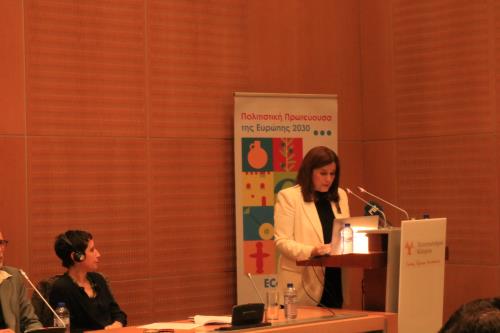
Deputy of Culture: Enormous challenges for European Capital of Culture 2030

Deputy of Culture: Enormous challenges for European Capital of Culture 2030

The first phase of pre-selection of the two most successful proposals will be completed in December 2024, and the second and final selection phase will be completed in late 2025. The Cultural Capital of Europe institution creates enormous challenges and opportunities for both the city that will receive the title and the member state. The title of European Cultural Capital for 2030 will be awarded to a city in Cyprus, a city in Belgium, and a city from a third country that is a candidate or potential candidate for EU membership. The Ministry of Culture is responsible for organizing the competition and selecting the city, and the selected city will receive a contribution of €6.5 million for its operational expenses. The title also includes the possibility of receiving the "Melina Mercouri" award, which includes a cash prize of €1.5 million. The Cultural Capital of Europe institution reminds us that culture must always have a significant place in the strategy of each state, as it can contribute to sustainable development, social inclusion, creativity, and innovation. The selection process includes formal criteria, exclusion and selection criteria, and questionnaires that cities must answer. The criteria for selecting a city are divided into six categories: contribution to the city's long-term strategy, European dimension of the application, cultural and artistic content, implementation capacity, promotion, and management.

Time to consider maritime security

Time to consider maritime security

Cyprus has been unsuccessful in establishing itself in the eastern Mediterranean geopolitical sphere and has been considered too small to be taken seriously by allies and neighbors. However, recent tensions in the Middle East and the need for increased security have created an opportunity for Cyprus to change this perception. Cyprus lacks the means to defend its own rights, such as natural resources and commercial interests, and is unable to prevent migrant traffickers from diverting refugees to its shores. Additionally, Cyprus-flagged vessels face risks in areas of conflict. Developing a navy could enhance maritime academies and provide a means for Cyprus to protect its interests. As Europe seeks military autonomy and Turkey’s military power remains unchallenged, Cyprus should consider joining a joint European navy or military group. The importance of energy resources, particularly natural gas, gives Cyprus the incentive to establish a naval presence to reassure commercial partners of its ability to protect its sovereign rights and resources.

Government needs a new economic agenda

Government needs a new economic agenda

The trade unions and the Minister of Finance in Cyprus are in disagreement over the automatic wage indexation policy. The government had previously agreed to adjust salaries and pensions of public employees at a cost of 1.2 billion euros, but now the finance ministry is reconsidering this decision due to warnings from the European Commission, the IMF, and the country’s Fiscal Council about the risks to fiscal stability. The unions are trying to reverse reforms that were made as part of the country’s rescue package by the EU, IMF, and ECB. The author suggests that the government should implement policy measures to address fiscal risks and drive growth and competitiveness, such as incentivizing employees to work past retirement age and creating a sovereign fund. Additionally, the author recommends addressing the demographic risk by providing affordable housing to new couples with EU citizenship. It is unclear if the president has the vision and priorities to implement these policies.

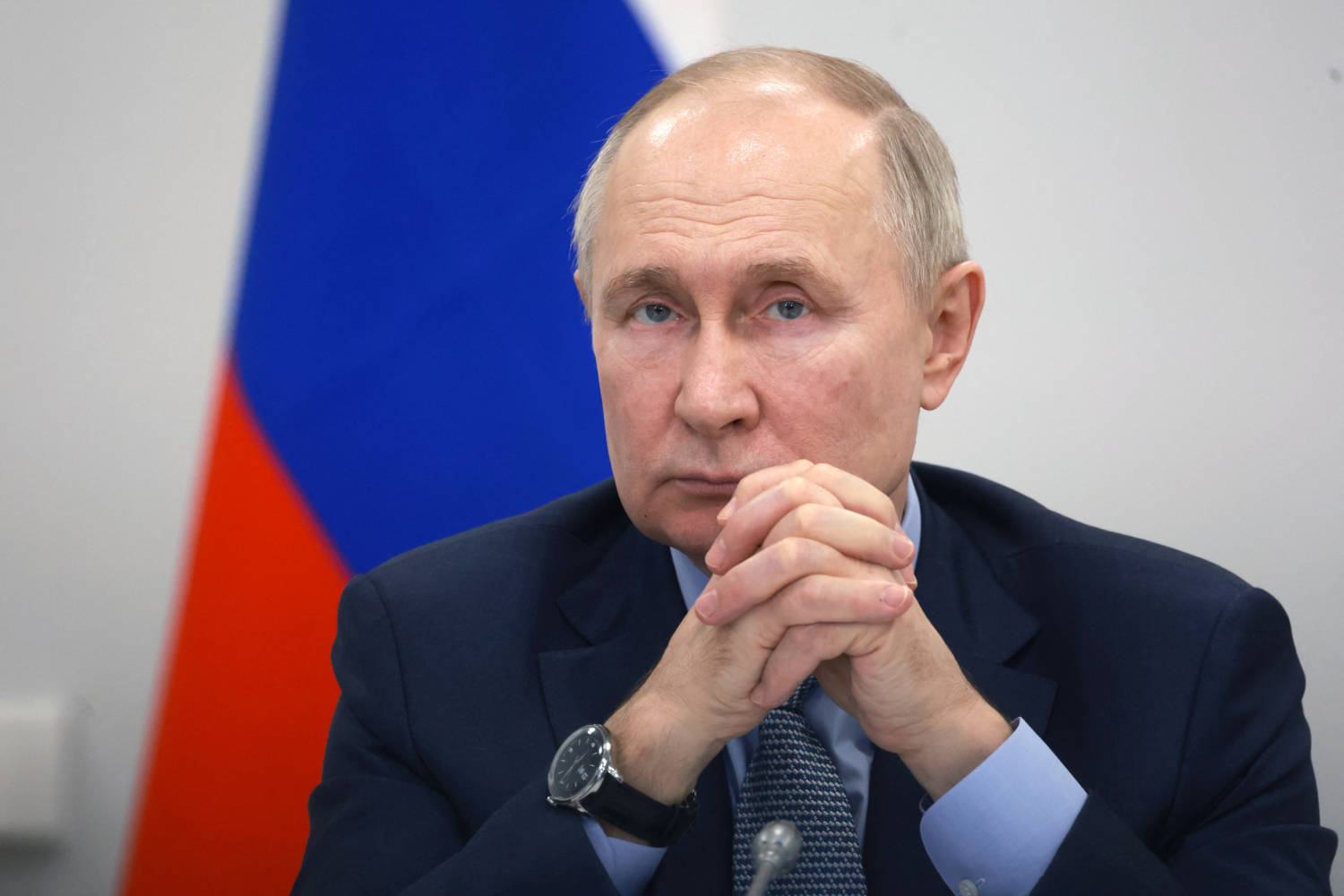
Putin derides ‘Russophobia’ in Europe at World War Two memorial

Putin derides ‘Russophobia’ in Europe at World War Two memorial

Russian President Vladimir Putin criticized Europe for “Russophobia” and accused the Baltic States of human rights violations during the unveiling of a World War Two memorial. Putin compared the fight against the Nazis to his actions in Ukraine and accused Ukraine of exalting Hitler’s accomplices. He also criticized the Baltic States for declaring people subhuman and depriving them of basic rights.

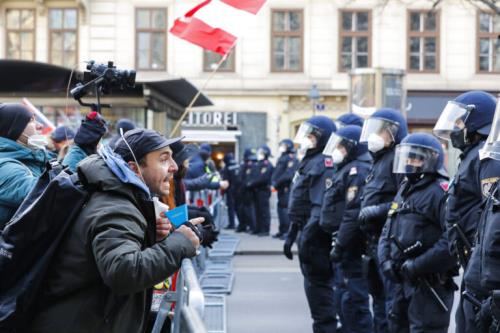
Austria: Massive anti-right-wing protests in Vienna

Austria: Massive anti-right-wing protests in Vienna

The text describes protests against the far-right and racism in Austria, with tens of thousands of people participating. The protests were organized by the movement "Fridays for Future" and two other organizations advocating for black people and asylum seekers. The protests aim to defend democracy and oppose extremist movements spreading in Europe. The leader of the far-right party FPÖ, Herbert Kickl, was criticized during the protests, with some calling him a Nazi. The protests were held in Vienna, Salzburg, and Innsbruck. The protests in Austria were inspired by similar protests in Germany, which were sparked by revelations of a meeting where far-right and extremist organizations discussed a plan for mass deportations. Over 200 protests are planned in Germany for the weekend.

February brings German consumer sentiment back in doldrums

February brings German consumer sentiment back in doldrums

German consumer sentiment is projected to decline in February, with the consumer sentiment index dropping to -29.7 points from -25.4 the previous month, contrary to analysts’ expectations of a slight increase to -24.5. The willingness to save among consumers reached its highest level since August 2008, contributing to the fall in overall sentiment, alongside lower income expectations and a reduced propensity to buy. Factors such as crises, wars, and high inflation are impeding any significant improvement in sentiment. The GfK institute and the Nuremberg Institute for Market Decisions (NIM) conduct a monthly survey of around 2,000 consumers to produce these findings. The consumer climate indicator is used to forecast the progress of real private consumption in the following month, with a reading above zero indicating year-on-year growth and below zero indicating a decline. A one-point change in the indicator corresponds to a 0.1 percent year-on-year change in private consumption. The “willingness to buy” indicator assesses consumer opinions on purchasing major items, while the income expectations sub-index gauges household financial outlook over the next 12 months. The business cycle expectations index reflects the general economic situation assessment for the coming year.

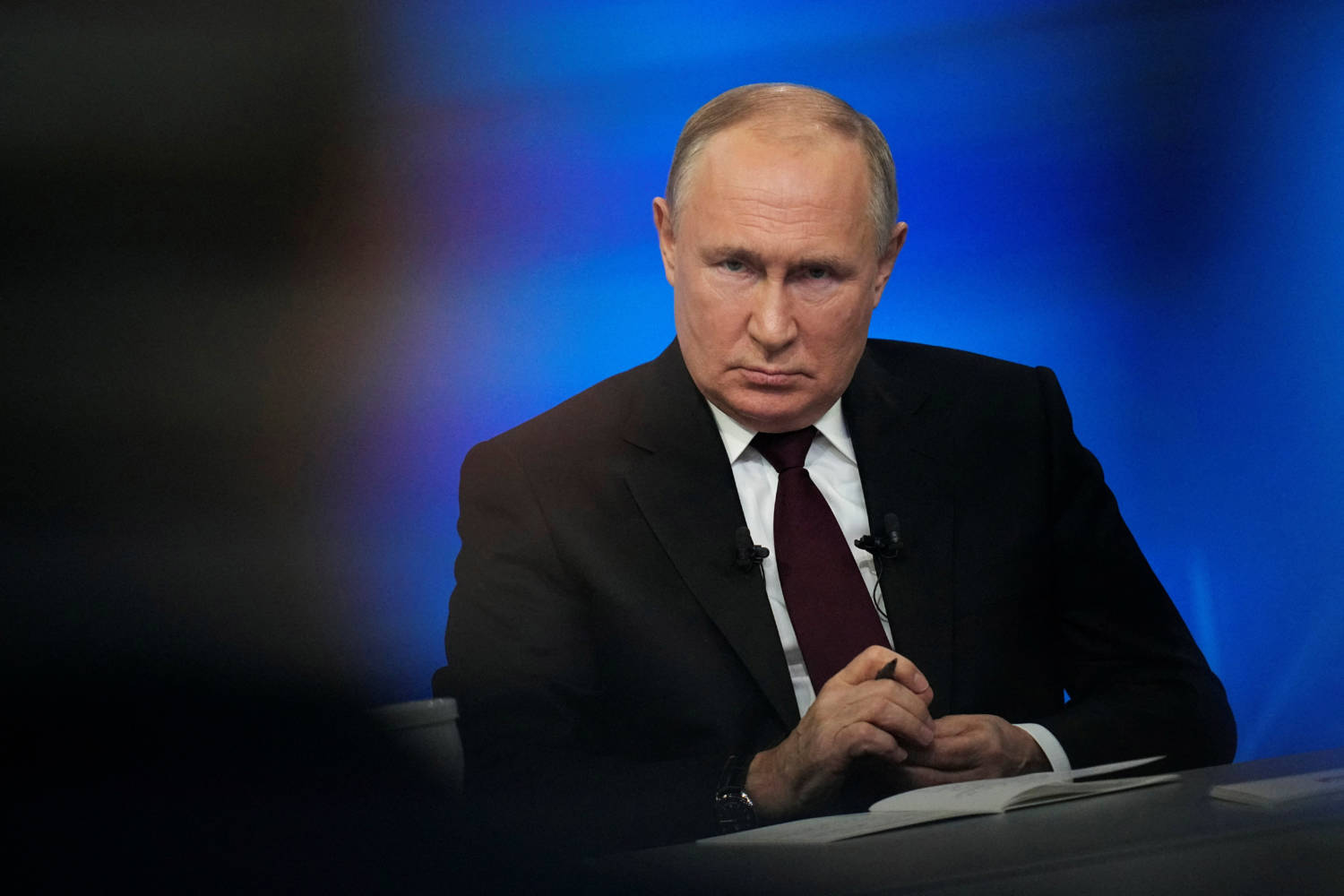
Moscow says Russians in ‘unfriendly’ states can vote in presidential election

Moscow says Russians in ‘unfriendly’ states can vote in presidential election

Expatriate Russians living in “unfriendly” countries will be allowed to vote in the upcoming presidential election in Russia, according to a spokesperson from the foreign ministry. Polling stations will be set up in all countries where Russia has diplomatic missions. President Vladimir Putin is expected to win the election and extend his rule by six more years. Foreign election observers will be invited from the Commonwealth of Independent States and the Shanghai Cooperation Organisation, but not from the Council of Europe.

payabl. secures EMI license in boost to European market expansion

payabl. secures EMI license in boost to European market expansion

– Payabl., a European PayTech company, was granted an Electronic Money Institution license by the Central Bank of Cyprus.
– The license will be passported throughout the European Economic Area (EEA).
– Payabl. was established in 2011 and is headquartered in Limassol, Cyprus.
– The company has additional offices in Germany, the Netherlands, and the United Kingdom.
– Payabl. serves over 500 customers across Europe and the UK.
– The company previously held a Payment Institution (PI) license.
– The new EMI license will allow Payabl. to expand and enhance its payment services within the EEA.
– Payabl. plans to provide new services to its merchant customers, improving user experience on its e-banking platform.
– The EMI license will enable Payabl. to develop new solutions and upgrades more flexibly.
– The license also ensures Payabl.’s compliance with enhanced regulatory oversight, including biometric identification in line with PSD2 regulations.
– Ugne Buraciene is the Group CEO of Payabl.
– Payabl. also holds an FCA EMI license in the UK.
– The company has plans to obtain an EMI license in the Netherlands and explore other markets.
– Payabl. is focused on creating a skilled team and providing high-quality services to its customers.
– The company is developing a new platform, payabl.one, to consolidate services for merchants and offer innovative financial services to support business growth.