Turkey opposition aims to hit back at Erdogan in local elections

Turkey opposition aims to hit back at Erdogan in local elections

The content discusses the upcoming local elections in Turkey, with a focus on the close race between Istanbul Mayor Ekrem Imamoglu and the AKP candidate, former minister Murat Kurum. The outcome of the elections could reinforce President Erdogan’s control or signal change in Turkey’s political landscape. The economy, Kurdish and Islamist voters, and Erdogan’s rhetoric against Israel are factors influencing the voters’ decisions. Imamoglu’s victory could revitalize the opposition, while Erdogan aims to extend his power to local administrations.

Migrant crossings to UK hit new record, heaping pressure on Sunak

Migrant crossings to UK hit new record, heaping pressure on Sunak

More than 4,600 asylum seekers have arrived in Britain on small boats in the first three months of 2024, a record total.

Migrant crossings to UK hit new record, heaping pressure on Sunak

Migrant crossings to UK hit new record, heaping pressure on Sunak

Fact: More than 4,600 asylum seekers have arrived in Britain on small boats in the first three months of 2024, a record total for the year.

British satisfaction with healthcare drops to new low

British satisfaction with healthcare drops to new low

Fact: British satisfaction with the state-owned National Health Service (NHS) dropped to a record low for 2023, with only 24% of people being satisfied with the service.

Over 3,500 people to be elected in June vote

Over 3,500 people to be elected in June vote

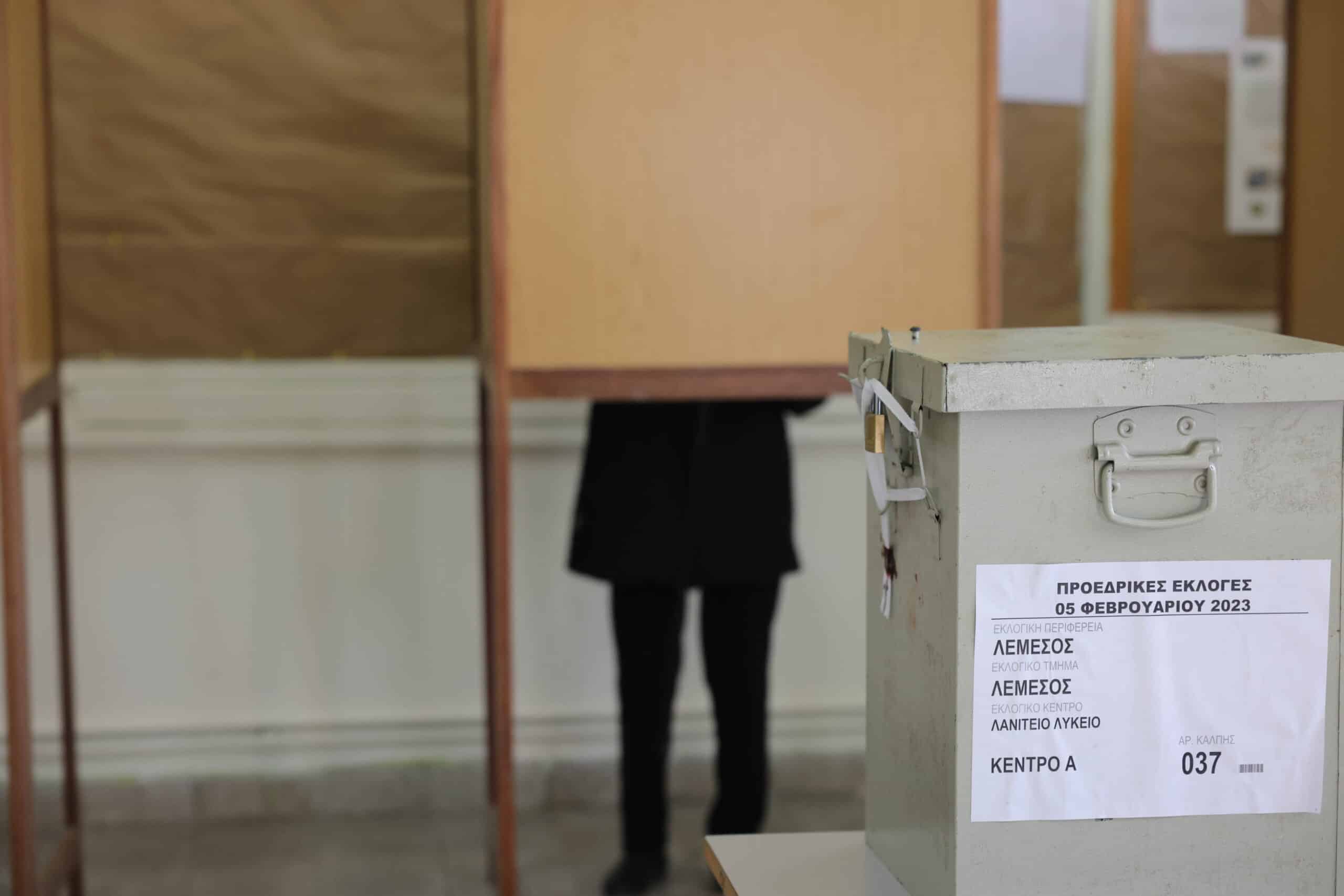
Over 3,500 people will be voted to positions of public office in the elections on June 9.

Resistance to reforms in EU must be dealt with

Resistance to reforms in EU must be dealt with

The main challenges facing the EU include sluggish growth, low investment levels, slow technology adaptation, tight labour markets, and over-reliance on conventional energy sources, leading to inflationary pressures and a lack of consensus on fiscal policy direction. Cyprus has satisfactory short- and medium-term economic performance but faces long-term challenges like low productivity, investment, chronic balance of payments deficits, and delays in green and digital transitions. The EU and Cyprus need to accelerate reforms and increase investments, supported by the Resilience and Recovery Fund. The European Commission is assessing the effectiveness of national resilience and recovery programs, with preliminary results showing significant fund absorption but underachievement in reform objectives, partly due to resistance to structural reforms and transitions. Immigration, under the right conditions, is seen as necessary for addressing labour shortages but has led to societal challenges and the rise of populist movements. Other factors contributing to reform resistance include the time it takes for reforms to show results and the sense of insecurity radical changes can cause. Recommended policy approaches include designing comprehensive policies, focusing on transparency and communication, and taking compensatory measures to support vulnerable populations. The EU’s fiscal policy framework needs adaptation to current circumstances to ensure reform success.

Voters are shifting in search of security

Voters are shifting in search of security

Socially conservative parties, often supported by individuals negatively impacted by globalization, are gaining votes from those who feel left behind economically and culturally. Politicians are perceived as detached from public concerns, contributing to a shift in voter behavior towards prioritizing security and identity issues. This trend benefits right-wing and far-right parties, as voters seek solutions to economic and identity crises, leading to a decline in support for traditional left-wing parties. The economic situation remains a primary voting criterion, but it’s increasingly intertwined with security concerns, especially post-pandemic and due to geopolitical tensions like the war in Ukraine. Voter abstention, particularly among the youth, is rising due to distrust in the political system and a belief that voting does not effect change. The political landscape is witnessing a shift towards more conservative stances on issues like immigration, challenging traditional parties to adapt or risk losing relevance. Social media has transformed political communication, enabling direct interaction between politicians and voters but also increasing scrutiny and the speed at which information spreads. To succeed, political candidates and parties must clearly articulate their unique selling points and effectively communicate them to the electorate, adapting to changing voter preferences.

Venezuela creates new state in territory under dispute with Guyana

Venezuela creates new state in territory under dispute with Guyana

Lawmakers in Venezuela allied with President Nicolas Maduro approved the creation of a new state in the Esequibo region, which is disputed with Guyana. This decision aligns with Maduro’s claims over the 160,000-square-km territory but has no immediate effect. Venezuela and Guyana agreed to avoid force and not escalate tensions after a meeting between Maduro and the Guyanese leader. Despite an International Court of Justice (ICJ) case pending on the territory’s ownership, Venezuela does not recognize the ICJ and cites a December referendum, which allegedly had over 10 million voters, as justification for its actions, including oil exploration in Esequibo. Guyana maintains its borders are non-negotiable and will defend its sovereignty. The new state, named Guayana Esequiba, will have its temporary capital in Tumeremo, Bolivar, and its creation will be official upon publication in the gazette. Its borders will be the Atlantic Ocean, Brazil, Guyana, and the Venezuelan states of Delta Amacuro and Bolivar. This move comes as Venezuela revives its claim to the territory following significant oil and gas discoveries.

Online referendum begins for lowering voting age

Online referendum begins for lowering voting age

The government has launched an online non-binding referendum to ask citizens if the voting age should be lowered. The voting is conducted on a new online platform called “Citizen Voice,” announced by President Nikos Christodoulides in February. The referendum asks whether the minimum voting age should be lowered from 18 and if so, whether it should be to 16 or 17 years old. Voting will remain open until April 7, with results announced on April 9 at the Youth Board of Cyprus’s awards ceremony. The online voting system is accessible at citizenvoice.gov.cy and is available in Greek, Turkish, and English. The voting process is designed to protect voters’ anonymity, the security of personal details, and the validity of the votes. Personal details are encrypted and automatically deleted after voting. President Christodoulides emphasized the government’s belief in participatory democracy and indicated that more online non-binding referenda are expected in the future.

Easing UK inflation keeps BoE on track for rate cuts later in 2024

Easing UK inflation keeps BoE on track for rate cuts later in 2024

British inflation slowed in February, with consumer prices rising by 3.4% in annual terms after a 4.0% increase in January. This was the weakest rate of inflation since September 2021. Core inflation, which excludes energy, food, and tobacco prices, also slowed to 4.5% from 5.1% in January. Despite the moderation, Britain still has the highest rate of headline inflation among the Group of Seven advanced economies, with consumer prices having increased by more than 21% since the end of 2020. The Bank of England (BoE) has indicated that underlying inflation pressures remain too persistent for it to cut interest rates now, although it has signaled that lower borrowing costs are likely later this year. Finance Minister Jeremy Hunt mentioned that the fall in inflation could help the government with its goal of abolishing social security taxes, provided it does not lead to increased borrowing or cuts in funding for public services.