Chevron prepares for North Sea exit after more than 55 years

Chevron is set to launch the sale of its remaining UK North Sea oil and gas assets, marking its exit from the basin after more than 55 years.
Chevron is set to launch the sale of its remaining UK North Sea oil and gas assets, marking its exit from the basin after more than 55 years.
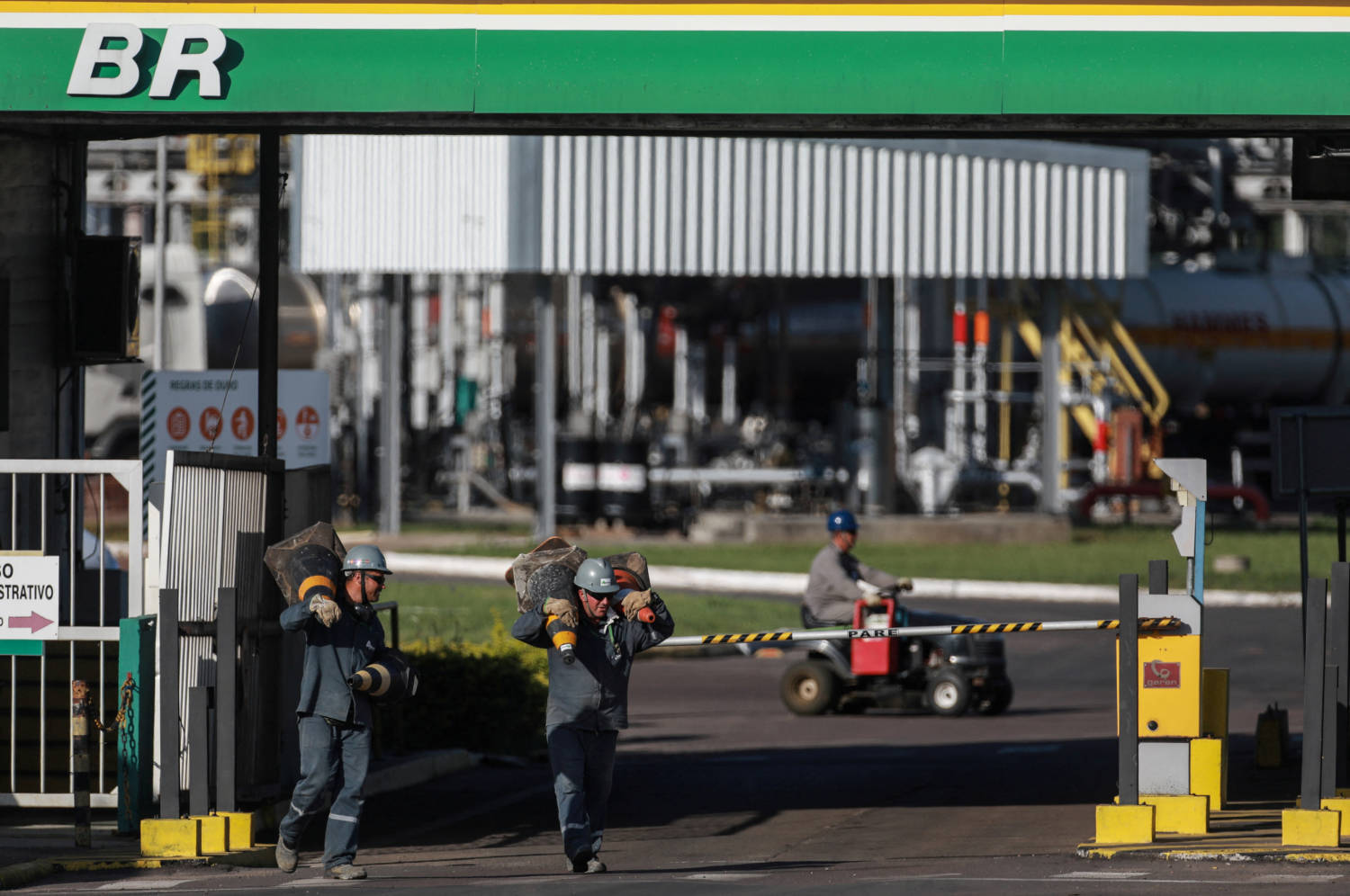
Petrobras must conduct studies on the impact of planned offshore drilling on Indigenous groups in the Amazon area to analyze the project’s viability. Ibama, Brazil’s environmental agency, has demanded wide-ranging studies to assess social, cultural, and environmental impacts on Indigenous peoples in the Foz do Amazonas basin. The additional studies are expected to take at least six months, further delaying Petrobras’ plans to explore the region. Ibama’s decision to require the studies proposed by Funai is seen as a win for the Council of Chieftains of the Indigenous People of Oiapoque (CCPIO), who have raised concerns about potential impacts on Indigenous communities. The studies will provide these communities with a greater understanding of the project and its potential risks.

– The United Nations Security Council rejected a resolution for an immediate ceasefire in Gaza and an Israel-Hamas hostage deal due to vetoes from Russia and China.
– The resolution, proposed by the United States, aimed for a six-week ceasefire to protect civilians and allow humanitarian assistance.
– Eleven of the 15 council members supported the resolution, but it was blocked by the vetoes.
– An alternative resolution, drafted by elected members of the Security Council, calls for an immediate ceasefire during Ramadan, the release of all hostages, and expanded humanitarian assistance to Gaza.
– The U.S. had previously been averse to using the word “ceasefire” in resolutions during the war in Gaza but had toughened its stance.
– Russia and China vetoed the U.S.-led resolution, which the U.S. Ambassador to the U.N. criticized as being for “cynical” and “petty” reasons.
– Palestinian Hamas fighters killed 1,200 people and took 253 captive in an attack on Israel, according to Israel.
– Nearly 32,000 Palestinians have been killed in Israel’s offensive in Gaza, as reported by health authorities in the Hamas-ruled enclave.
– Russia criticized the U.S.-led resolution as “exceedingly politicized” and a potential green light for an Israeli military operation in Rafah.
– China supported an alternative resolution and criticized the U.S. proposal for not opposing an Israeli military operation in Rafah.
– French President Emmanuel Macron announced efforts to work with Jordan and the United Arab Emirates to persuade Russia and China to back another alternative resolution for a ceasefire in Gaza.
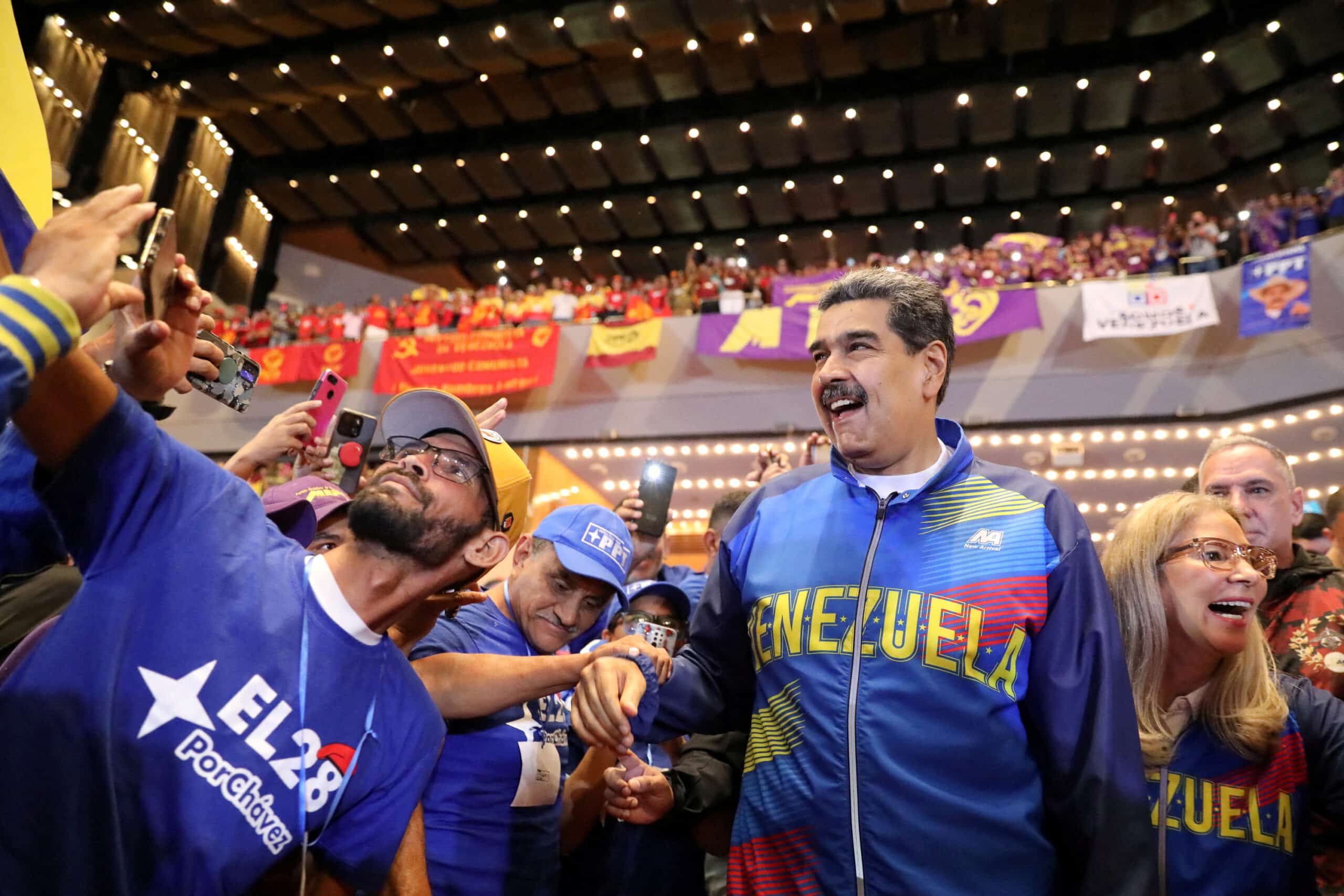
Lawmakers in Venezuela allied with President Nicolas Maduro approved the creation of a new state in the Esequibo region, which is disputed with Guyana. This decision aligns with Maduro’s claims over the 160,000-square-km territory but has no immediate effect. Venezuela and Guyana agreed to avoid force and not escalate tensions after a meeting between Maduro and the Guyanese leader. Despite an International Court of Justice (ICJ) case pending on the territory’s ownership, Venezuela does not recognize the ICJ and cites a December referendum, which allegedly had over 10 million voters, as justification for its actions, including oil exploration in Esequibo. Guyana maintains its borders are non-negotiable and will defend its sovereignty. The new state, named Guayana Esequiba, will have its temporary capital in Tumeremo, Bolivar, and its creation will be official upon publication in the gazette. Its borders will be the Atlantic Ocean, Brazil, Guyana, and the Venezuelan states of Delta Amacuro and Bolivar. This move comes as Venezuela revives its claim to the territory following significant oil and gas discoveries.

Cyprus ranked second in the EU for social media participation with 83% of the population actively engaged last year, above the EU average of 59%. Denmark had the highest engagement rate at 91%, followed by Cyprus, and Hungary in third with 81%. France, Germany, and Italy had the lowest participation rates at 44%, 49%, and 53% respectively. Over 50% participation was reported in 224 out of 273 EU regions, with the highest rates in Danish regions and notable engagement in Budapest, Pest, and Flevoland. Regions with participation rates below 40% were mainly in France and Germany.