Cocoa prices continue to rise

Cocoa prices continue to rise

Cocoa prices have surged due to a supply crisis, with Ghana facing financial difficulties and struggling to secure funds for cocoa cultivation. Prices have risen by 60% in just one month and have more than doubled this year. The high cost of cocoa is expected to impact the price of chocolate, with Easter eggs already becoming more expensive. Speculators have exited the market, and there is a risk that the supply situation may worsen, especially with upcoming EU rules that may make it challenging for chocolate manufacturers to secure supplies. Attention is now on the upcoming mid-crop in West Africa, which is expected to shrink this season.
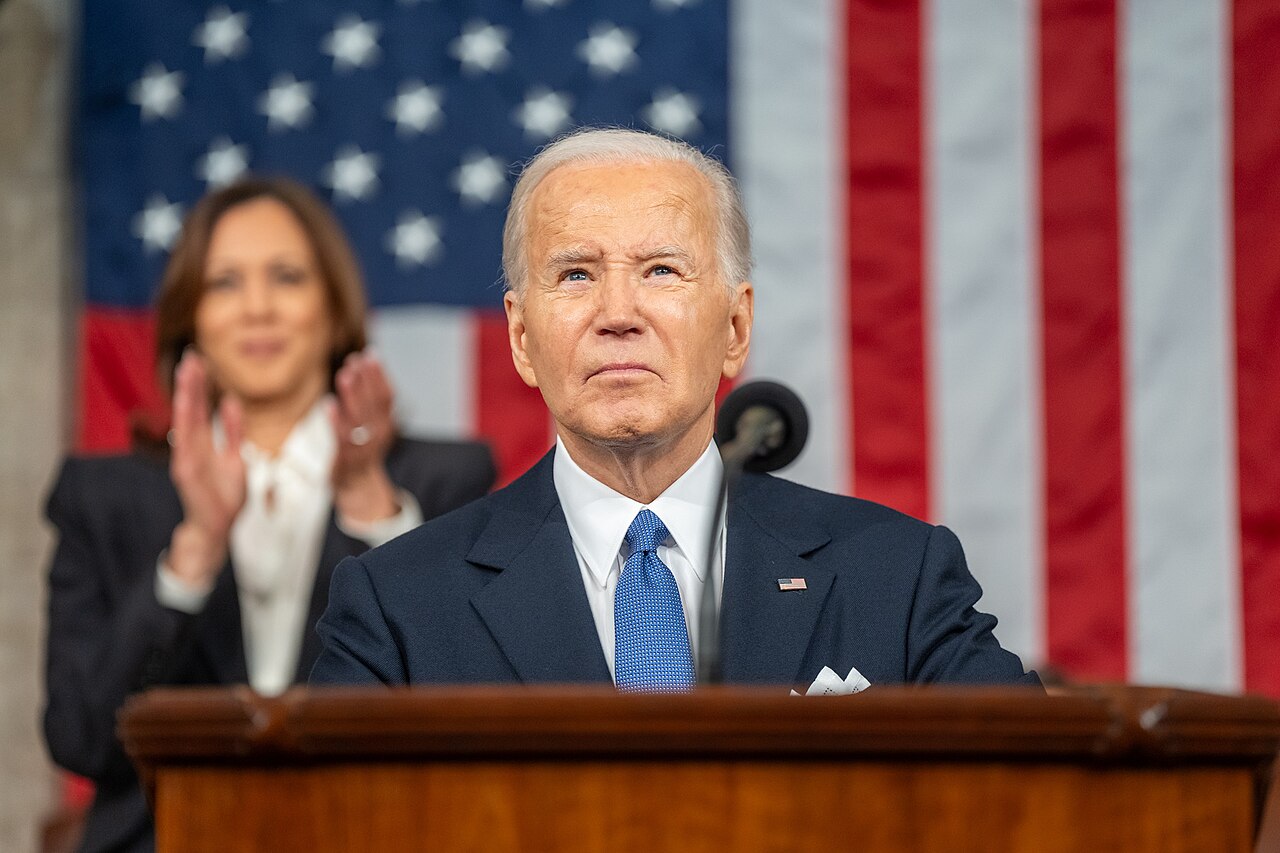
President Biden’s FY 2025 Budget Proposal: Details & Analysis

President Biden’s FY 2025 Budget Proposal: Details & Analysis

President Biden’s FY 2025 budget proposes tax hikes on businesses and high earners, amounting to a gross tax hike of over .1 trillion.

Beware Progressives Touting Tax Cuts – AAF

Beware Progressives Touting Tax Cuts - AAF

The fact described in the text is that President Biden has imposed a stock buyback tax and a new corporation alternative minimum tax, but the tax cuts signed for individuals and corporations are larger than the tax increases imposed on big corporations and their shareholders.

Cyprus economy on healthy trajectory, European Commission says

Cyprus economy on healthy trajectory, European Commission says

The European Commission released a report on Cyprus’ economy, noting that GDP is expected to grow and inflation to decrease. The report also highlighted risks related to interconnections with economies within and outside the EU, as well as vulnerabilities related to debt. The GDP growth rate in 2023 was 2.4%, down from 5.1% in 2022, with expectations of rebounding growth in 2024 and 2025. The Cypriot labor market remains robust, with employment rising and unemployment expected to fall. The country’s fiscal position is strong, with a surplus expected to be maintained. Cyprus’ high integration with EU and non-EU economies makes it susceptible to economic developments in those regions, posing risks to its economy.

Morningstar DBRS keeps Cyprus at BBB, , ‘stable’ trend

Morningstar DBRS keeps Cyprus at BBB, , ‘stable’ trend

Morningstar DBRS has confirmed Cyprus’ sovereign ratings at BBB (high) due to strong economic growth, but warned of exposure to geopolitical shocks and constraints from a small services sector. The stable trend balances favorable economic and fiscal developments against downside risks. Economic growth is driven by tourism, ICT relocations, and investment projects, with the Central Bank forecasting GDP growth to strengthen. Public debt has decreased, with further declines projected, and interest burden offset by favorable debt profile. Challenges include non-performing loans in the banking sector and low labor productivity. The ratings are supported by a stable political environment, sound fiscal policies, and EU membership.

President says cabinet is planning measures to combat inflation

President says cabinet is planning measures to combat inflation

President Nikos Christodoulides announced that the Cypriot government is planning and discussing new measures or the extension of existing measures to address inflation. These decisions will be made by the cabinet, with a focus on the needs of Cypriot society.

Sterling hovers near one-month low on rate cut bets

Sterling hovers near one-month low on rate cut bets

– The pound was stable on Monday, close to its lowest level in a month, due to increased bets that the Bank of England (BoE) will cut interest rates in June.
– Sterling was flat at .2608, near the one-month low of .2576 from the previous Friday.
– The euro was slightly changed against the pound at 85.79 pence, down from a two-month high of 86.02 pence on Friday.
– The pound fell approximately 1% against the dollar last week after the BoE maintained interest rates at 5.25% and Governor Bailey indicated that inflation is trending towards allowing for interest rate cuts.
– Bailey’s comments to the Financial Times about rate cuts being “in play” this year further decreased the pound’s value.
– Market traders now estimate a roughly 75% chance of a BoE rate cut by June, an increase from about 35% at the beginning of the previous week, influenced by data showing faster-than-expected inflation decline.
– Chris Turner from ING suggested that the BoE’s dovish communications could lead to the euro rising to 87 pence against the pound in the next month.
– In contrast, stronger-than-expected U.S. economic and inflation data has led to reduced expectations for a Federal Reserve rate cut in June, enhancing the appeal of American bonds and supporting the dollar.
– The dollar index was approximately flat at 104.38 on Monday, after a 1% increase the previous week.

Voters are shifting in search of security

Voters are shifting in search of security

Socially conservative parties, often supported by individuals negatively impacted by globalization, are gaining votes from those who feel left behind economically and culturally. Politicians are perceived as detached from public concerns, contributing to a shift in voter behavior towards prioritizing security and identity issues. This trend benefits right-wing and far-right parties, as voters seek solutions to economic and identity crises, leading to a decline in support for traditional left-wing parties. The economic situation remains a primary voting criterion, but it’s increasingly intertwined with security concerns, especially post-pandemic and due to geopolitical tensions like the war in Ukraine. Voter abstention, particularly among the youth, is rising due to distrust in the political system and a belief that voting does not effect change. The political landscape is witnessing a shift towards more conservative stances on issues like immigration, challenging traditional parties to adapt or risk losing relevance. Social media has transformed political communication, enabling direct interaction between politicians and voters but also increasing scrutiny and the speed at which information spreads. To succeed, political candidates and parties must clearly articulate their unique selling points and effectively communicate them to the electorate, adapting to changing voter preferences.

Cyprus banks: interest rate policies harming borrowers and savers

Cyprus banks: interest rate policies harming borrowers and savers

By December 2023, interest rates on Cyprus bank loans for house purchases had reached an average of 5.1%, compared with the average rate of 3.8% for other euro area countries. The average interest rate on Cyprus bank loans to corporations was 5.7% in December 2023, exceeding the euro area average of 5.1%. Cyprus banks had increased their profits by 600% to over €1.1 billion in 2023. The interest income of the two largest banks increased by €830 million between 2022 and 2023, mainly due to higher interest receipts from the ECB. Cyprus banks deposited around 35% of their assets at the ECB, earning from 2% to 4% in interest in 2023. Cyprus banks offered an average interest rate of 2.06% on fixed term deposits in January 2024, compared with an average deposit rate of 3.21% in the euro area. The net interest margins for Cyprus banks exceeded three percentage points, while the average for the euro area was just over one percentage point. The Bank of Cyprus announced that €112 million of their after-tax profit of €487 million would be distributed as cash dividends to shareholders, with a share buyback of up to €25 million.

US Congress averts government shutdown, passing $1.2 trillion bill

US Congress averts government shutdown, passing $1.2 trillion bill

The U.S. Congress passed a .2 trillion budget bill early on Saturday, which keeps the government funded through the fiscal year that began six months ago, avoiding a partial shutdown. The bill was sent to President Joe Biden for his signature. The vote for passage was 74-24. The bill ensures funding for key federal agencies including the departments of Homeland Security, Justice, State, and Treasury through September 30. However, it did not include funding for military aid to Ukraine, Taiwan, or Israel. Senate leaders negotiated amendments to the budget bill, which were ultimately defeated. The White House Office of Management and Budget was confident the Senate would pass the bill. The bill provides 6 billion in funding for the Defense Department, including a raise for U.S. troops. The bill passed the House with a vote of 286-134, showing more Democratic support than Republican. The government had been funded with four short-term measures for most of the past six months. The bill is seen as a national security bill, with 70% of the funding for defense, including investments in military readiness and support for allies. Opponents criticized the bill as too expensive and inflationary. The last partial federal government shutdown occurred from Dec. 22, 2018, until Jan. 25, 2019.