Electricity cable from Turkey , ‘will mark a new era’
Electricity cable from Turkey , ‘will mark a new era’

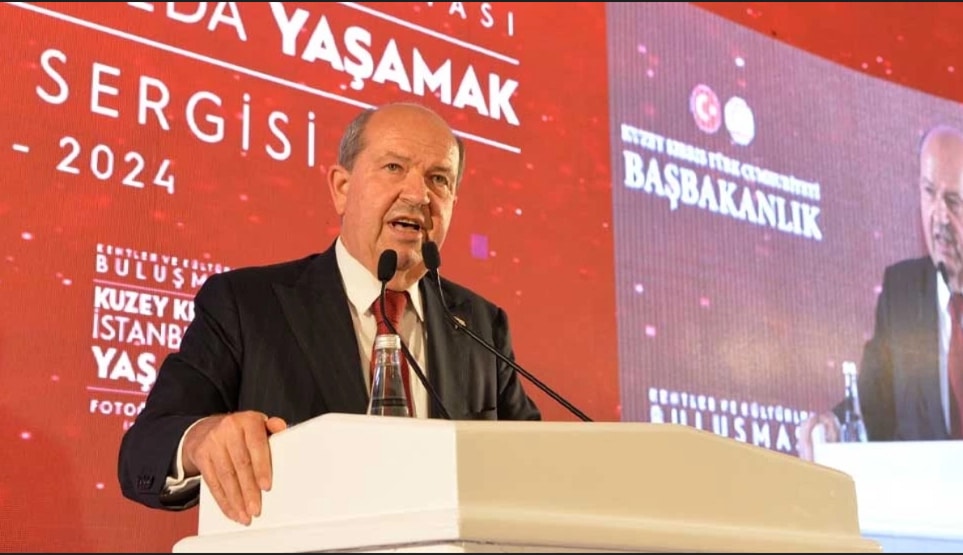
The construction of an electricity cable between Turkey and the north is seen as marking a new era, according to Turkish Cypriot Leader Ersin Tatar. This statement was made after an Iftar meal in Istanbul, attended by various dignitaries including Turkey’s Vice President Cevdet Yilmaz and Turkey’s ambassador in Nicosia Metin Feyzioglu. Tatar highlighted the support from Turkey in bringing big ideas to life in the north, such as the completion of a water pipeline in 2020 and investments in infrastructure and communication. He emphasized the ongoing efforts to make the TRNC worthy for future generations and stated that Turkish Cypriots remain an integral part of Turkey. Yilmaz spoke of the historical ties between Turkish Cypriots and Turkey and mentioned the celebration of the 50th anniversary of the Cyprus peace operation. He also referred to the construction of a new ‘presidential’ palace and ‘parliament’ building in Ayios Dhometios, expected to be completed by November, and the commencement of feasibility studies for the planned electricity cable. Additionally, both Tatar and Yilmaz praised Murat Kurum for his contributions, particularly in the opening of Varosha. The local elections in Turkey are scheduled for March 31, with Kurum challenging the incumbent mayor Ekrem Imamoglu.
Irish Prime Minister Leo Varadkar unexpectedly quits

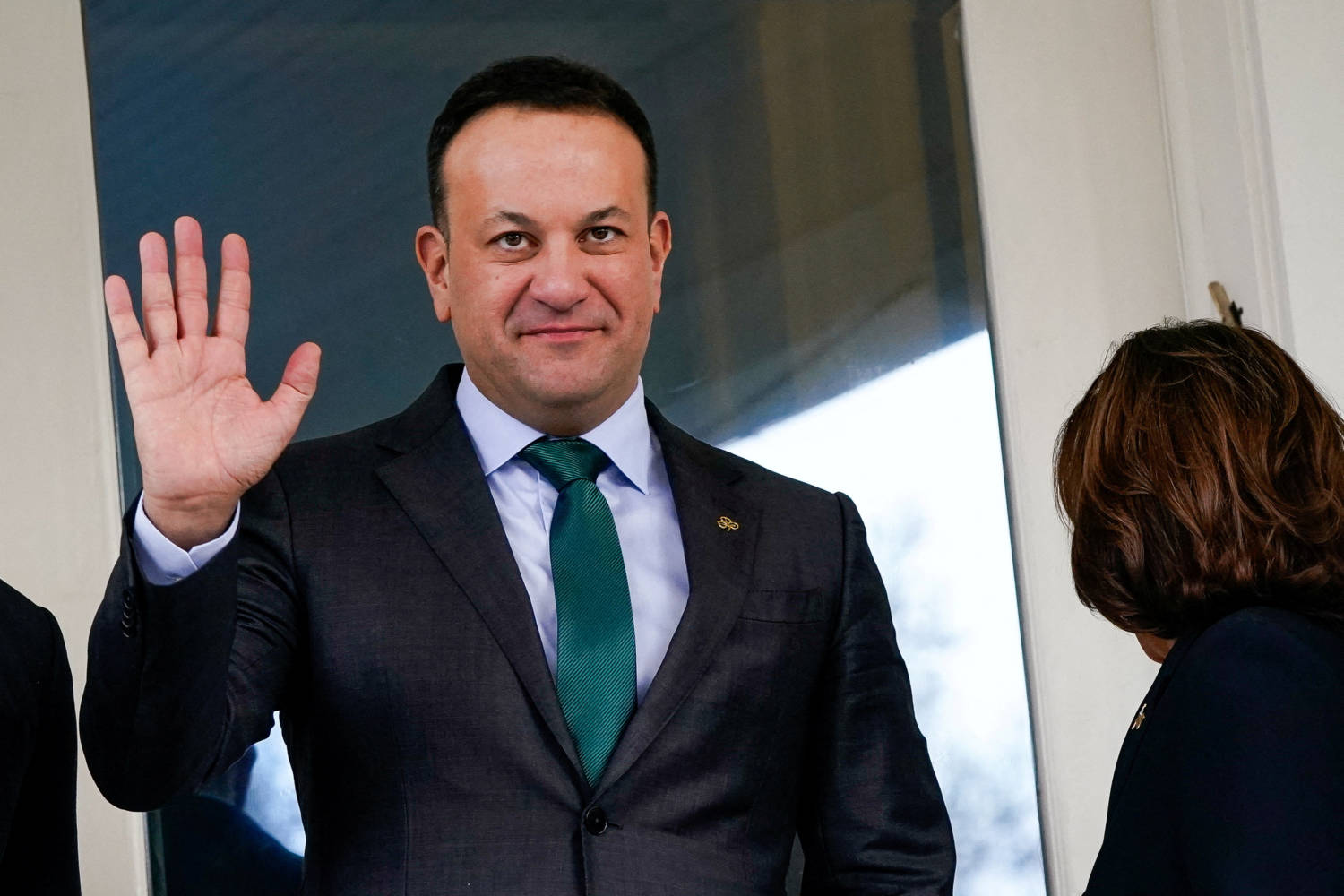
Irish Prime Minister Leo Varadkar unexpectedly quits

Leo Varadkar announced he would step down as Ireland’s prime minister, believing a new leader would increase the coalition government’s chances of reelection. He has asked his Fine Gael party to elect a new leader by April 6, after which parliament will vote on the new prime minister post-Easter. Varadkar, who became the first gay prime minister of Ireland in 2017 and resumed office 15 months ago, cited personal and political reasons for his resignation. His departure does not trigger a general election, which must occur by March 2025. The main opposition, Sinn Fein, currently leads in polls over Fine Gael and their main coalition partner, Fianna Fail. Potential successors include Simon Harris, Simon Coveney, Paschal Donohoe, and Helen McEntee. Varadkar’s government has seen economic recovery post-COVID-19 but faced challenges with housing and asylum seeker pressures. Ireland lifted its abortion ban and legalized same-sex marriage during his tenure. Varadkar has no immediate personal or political plans following his resignation.

Explainer: When is the UK election?

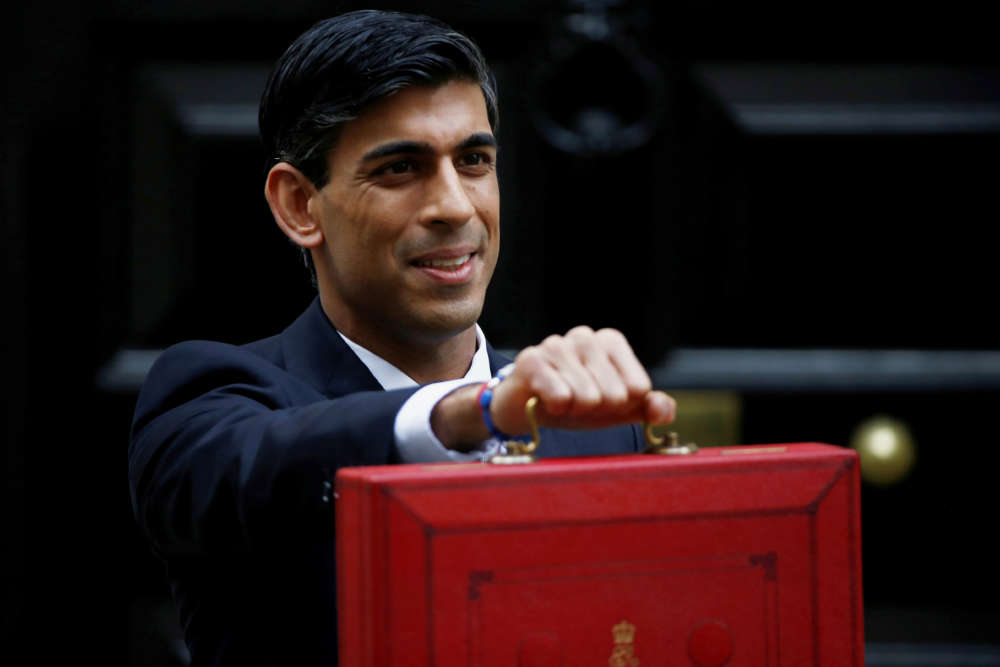
Explainer: When is the UK election?

– The last possible date for Britain’s next general election is January 28, 2025.
– Prime Minister Rishi Sunak indicated that 2024 would be an election year.
– Sunak’s working assumption is for a general election in the second half of this year.
– Sunak ruled out holding an election on May 2 and is unlikely to choose any day in May due to logistical difficulties.
– Expectations are for a vote in October or November.
– The decision to call a general election is made by the Prime Minister unless the government loses a motion of no confidence in parliament.
– Upon calling an election, parliament is dissolved, and all lawmakers lose their seats, with a 25 working day period until the general election.
– Elections have been held on a Thursday since 1935.
– Parliament will automatically dissolve on December 17 if an election is not called before then.
– 650 constituencies elect MPs under a first-past-the-post system.
– If a party wins more than 325 MPs, King Charles will invite its leader to form a government.
– If no party achieves a majority, there might be a coalition government or a minority government.
– The Conservative Party has governed in coalition and as a minority government in the past.
– Currently, the Conservatives have a majority, but polls show the Labour Party leading by about 20 percentage points.

Chemicals in plastics far more numerous than previous estimates, report says

Chemicals in plastics far more numerous than previous estimates, report says

A report found that plastics contain at least 3,000 more chemicals than previously estimated by environment agencies, totaling over 16,000 chemicals, a quarter of which are considered hazardous to human health and the environment. This discovery raises concerns over pollution and consumer safety. The report, funded by the Norwegian Research Council, highlights the importance of addressing the full life cycle of plastics and the chemicals they contain to solve plastic pollution effectively. The research indicates that plastic chemicals can leach into water and food, potentially leading to adverse health outcomes such as fertility issues and cardiovascular disease. The study also points out the need for greater transparency regarding the chemicals used in plastics, including recycled products, noting that a quarter of the identified chemicals lack basic information on their chemical identity. Only 6% of the chemicals found in plastics are regulated internationally, underscoring the need for a global treaty to address these issues. Negotiations for such a treaty are ongoing, with the aim of finalizing it by December in Busan, South Korea.

Turkish Cypriot conscientious objector trial postponed

Turkish Cypriot conscientious objector trial postponed

The trial of Turkish Cypriot conscientious objector Halil Karapasaoglu, originally scheduled for Thursday, has been postponed to April 18. This decision came after the European Court of Human Rights fined the Republic of Turkey €9,000 for violating the freedom of thought and conscience of another Cypriot conscientious objector, Murat Kanatli. In the north, where conscription is mandatory, the concept of conscientious objection to military service is not recognized by law, making any refusal to serve a criminal act. A bill to legalize conscientious objection was rejected by the northern ‘parliament’ in January.

Split in Israel coalition points to return of politics as normal

Split in Israel coalition points to return of politics as normal

– A centrist bloc in Israel’s unity government led by former defence minister Benny Gantz has dissolved.
– This development is increasing pressure on Prime Minister Benjamin Netanyahu during the ongoing Gaza war, which has lasted for five months.
– Gideon Saar, a former justice minister and ex-member of Netanyahu’s Likud party, left the partnership with Gantz to form a separate centre-right bloc in parliament.
– The coalition shifts, including Saar’s move, are common in Israeli politics and are not expected to immediately affect the government’s stability.
– Analysts interpret the breakup as a sign of a return to the usual political dynamics in Israel, highlighting a growing divide between right-wing and center-left factions.
– Gantz, considered a strong candidate for Israel’s next prime minister, recently made unapproved visits to Washington and London, causing upset among right-wing and religious nationalist coalition partners.
– Gantz has called for unity in the government and suggested that elections should be held after the war to allow candidates to present their contributions to the country.
– A poll by Channel 12 showed increasing support for early elections, with 50% of right-wing voters in favor, and Gantz’s National Unity Party leading over Likud by a significant margin.

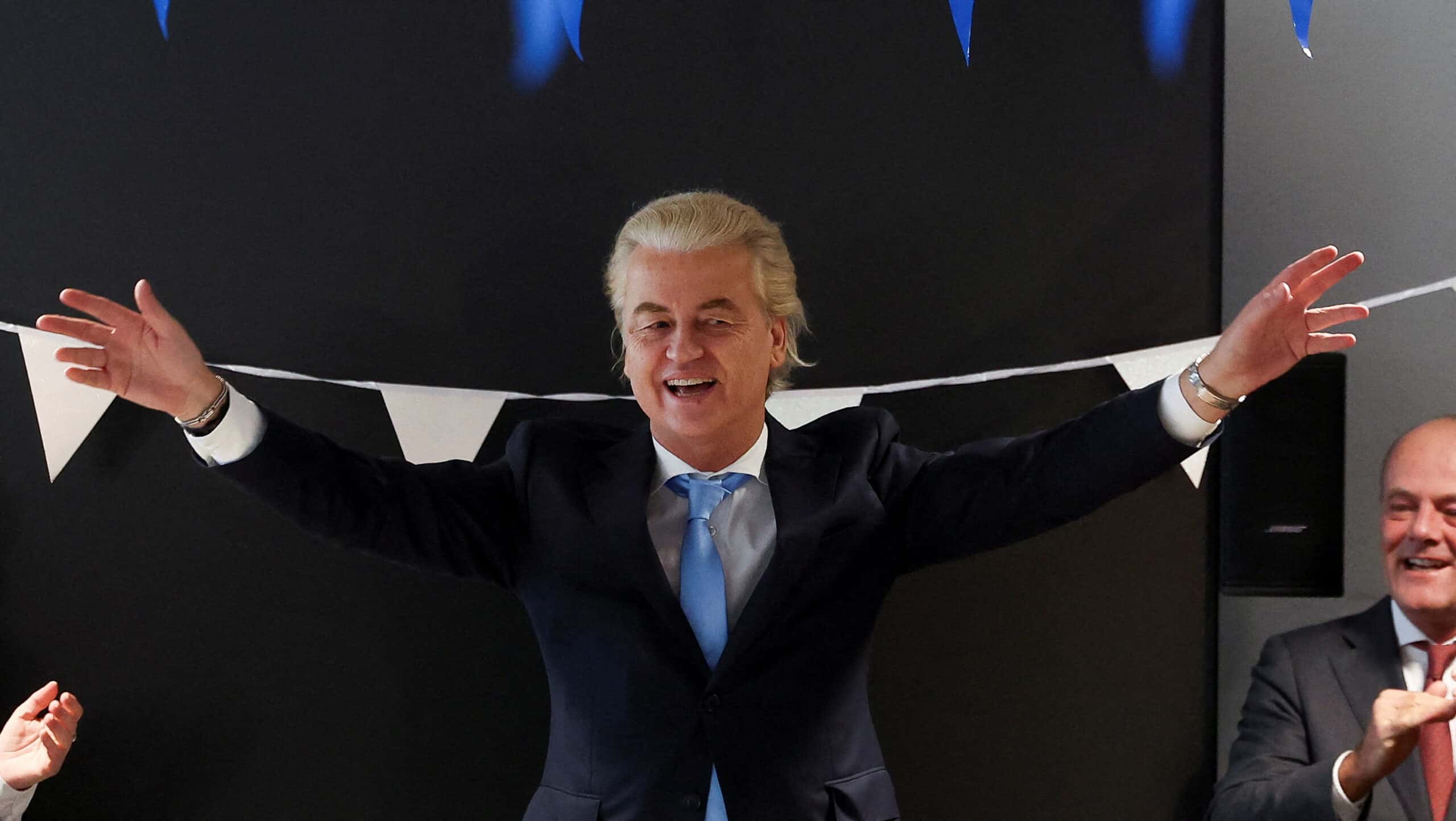
Dutch politician Wilders says he is ready to forego job of prime minister

Dutch politician Wilders says he is ready to forego job of prime minister

Dutch politician Geert Wilders expressed his willingness to not pursue the position of prime minister to help establish a new right-wing government, following an election held on November 22, where his party received the most votes. Despite efforts and discussions with potential allies for over 100 days since the election, no successful coalition has been formed. Wilders emphasized his preference for a right-wing cabinet focused on reducing asylum and immigration, stating his love for his country and its voters surpasses his personal ambitions. The possibility of forming an “extra-parliamentary” cabinet, where leaders would not join the government but appoint external experts and politicians to government roles, has been considered.