Irish Prime Minister Leo Varadkar unexpectedly quits
Irish Prime Minister Leo Varadkar unexpectedly quits

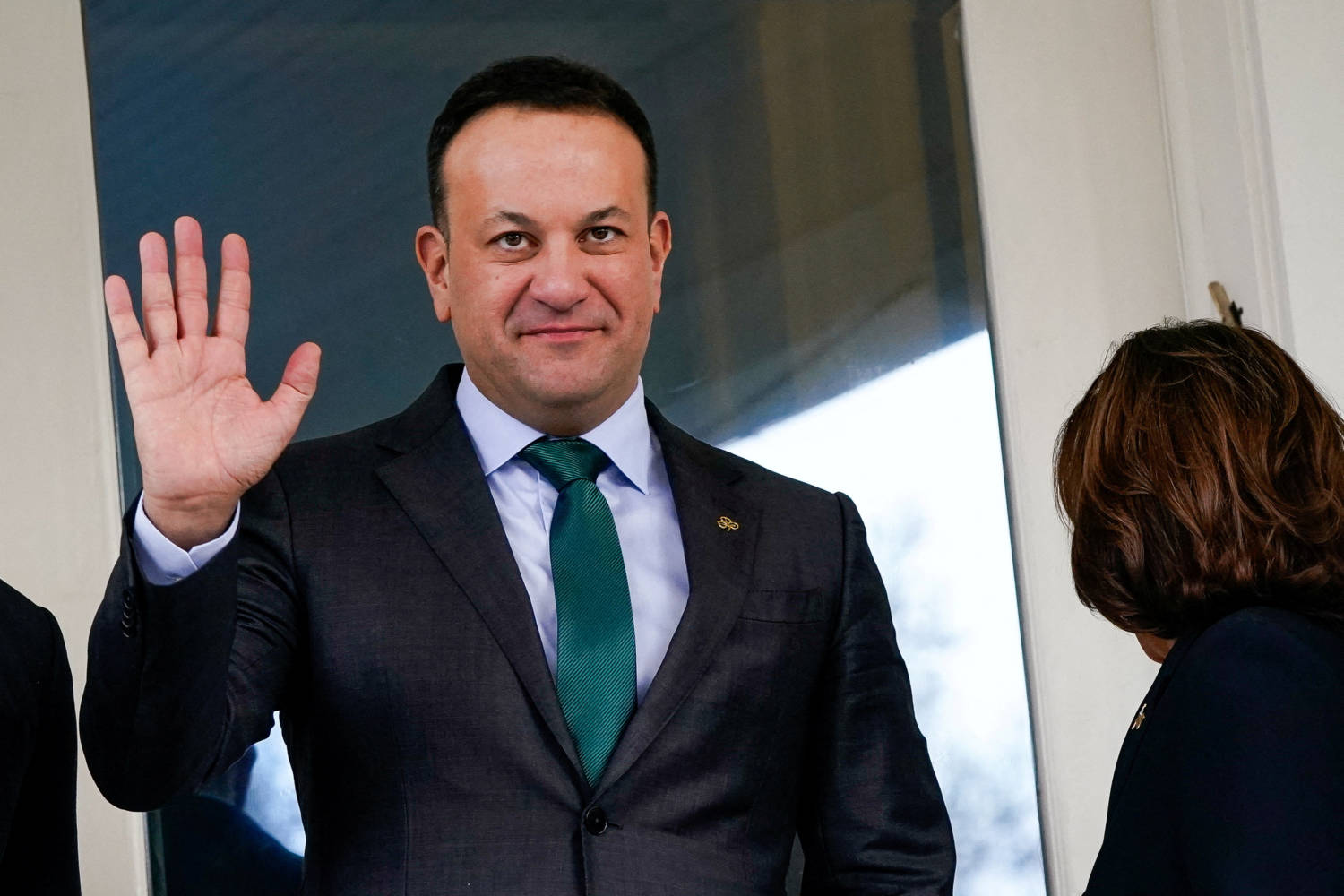
Leo Varadkar announced he would step down as Ireland’s prime minister, believing a new leader would increase the coalition government’s chances of reelection. He has asked his Fine Gael party to elect a new leader by April 6, after which parliament will vote on the new prime minister post-Easter. Varadkar, who became the first gay prime minister of Ireland in 2017 and resumed office 15 months ago, cited personal and political reasons for his resignation. His departure does not trigger a general election, which must occur by March 2025. The main opposition, Sinn Fein, currently leads in polls over Fine Gael and their main coalition partner, Fianna Fail. Potential successors include Simon Harris, Simon Coveney, Paschal Donohoe, and Helen McEntee. Varadkar’s government has seen economic recovery post-COVID-19 but faced challenges with housing and asylum seeker pressures. Ireland lifted its abortion ban and legalized same-sex marriage during his tenure. Varadkar has no immediate personal or political plans following his resignation.

Ireland to keep , ‘sexist’ constitutional language about mother’s role

Ireland to keep , ‘sexist’ constitutional language about mother’s role

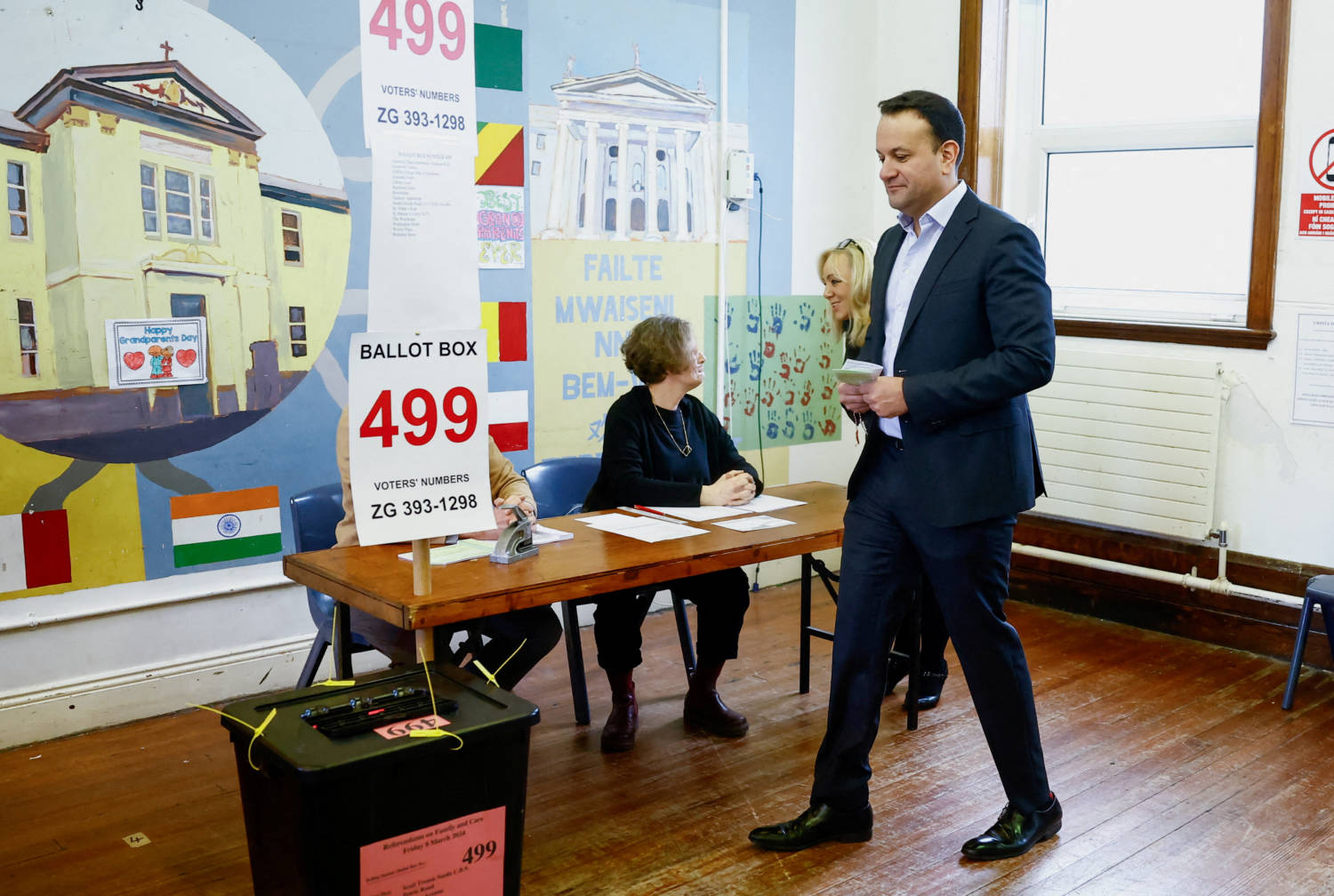
Ireland was set to reject proposals to amend constitutional references to family makeup and “mother’s duties in the home,” marking a significant defeat for the government. Prime Minister Leo Varadkar described the referendum, coinciding with International Women’s Day, as an opportunity to remove outdated, sexist language. However, he acknowledged the defeat of the family and care amendments based on a respectable turnout. The proposals aimed to update Article 41 of the 1937 Irish constitution by broadening the definition of family and replacing language about a mother’s duties with a clause recognizing care by family members due to their bonds. This sparked debate over the state’s role in supporting carers. Official results were expected later that day.

Ireland looks set to reject constitutional changes

Ireland looks set to reject constitutional changes

Ireland was expected to reject proposals to amend constitutional references regarding family structure and women’s roles in the home, based on early tallies from referendums. The votes, referred to as the family amendment and the care amendment, aimed to update Article 41 of the Irish constitution, which dates back to 1937. The first proposal sought to broaden the definition of family beyond marriage-based relationships, and the second aimed to replace outdated language about a mother’s duties with recognition of care provided by family members due to their bonds. Critics argued the changes would shift the responsibility of care to families rather than the state. The results were anticipated to be announced on the day following the vote, which coincided with International Women’s Day.