CPDC launches initiative to update the Cyprus negotiations process

CPDC launches initiative to update the Cyprus negotiations process

Engaging voters in thinking through the difficult questions of the Cyprus problem could break the current deadlock and bring political leaders back to the negotiating table, according to a workshop organized by the Cyprus Peace and Dialogue Centre. The event focused on a “deliberative democracy” approach to update the peace process, with the goal of gaining public support for a sustainable solution. Panelists discussed options for assemblies, including citizen, elected, and constitutional assemblies, as well as the importance of starting with small “safe spaces” before moving on to larger assemblies. Despite the deadlock, only 20% of voters completely reject the idea of a bizonal bicommunal federation, indicating that engaging citizens could potentially help break the impasse.

UK house prices inch up as high rates squeeze buyers

UK house prices inch up as high rates squeeze buyers

British house prices increased by 0.1% in April compared to the previous month and were 1.1% higher than a year earlier.

Christodoulides and Sunak talk amid migration parallels

Christodoulides and Sunak talk amid migration parallels

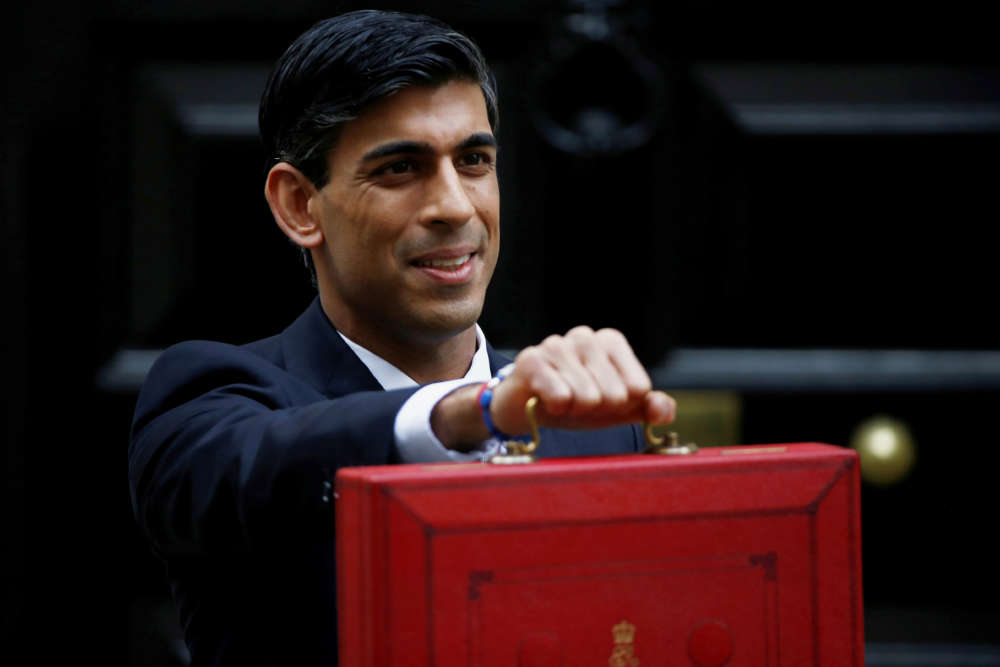
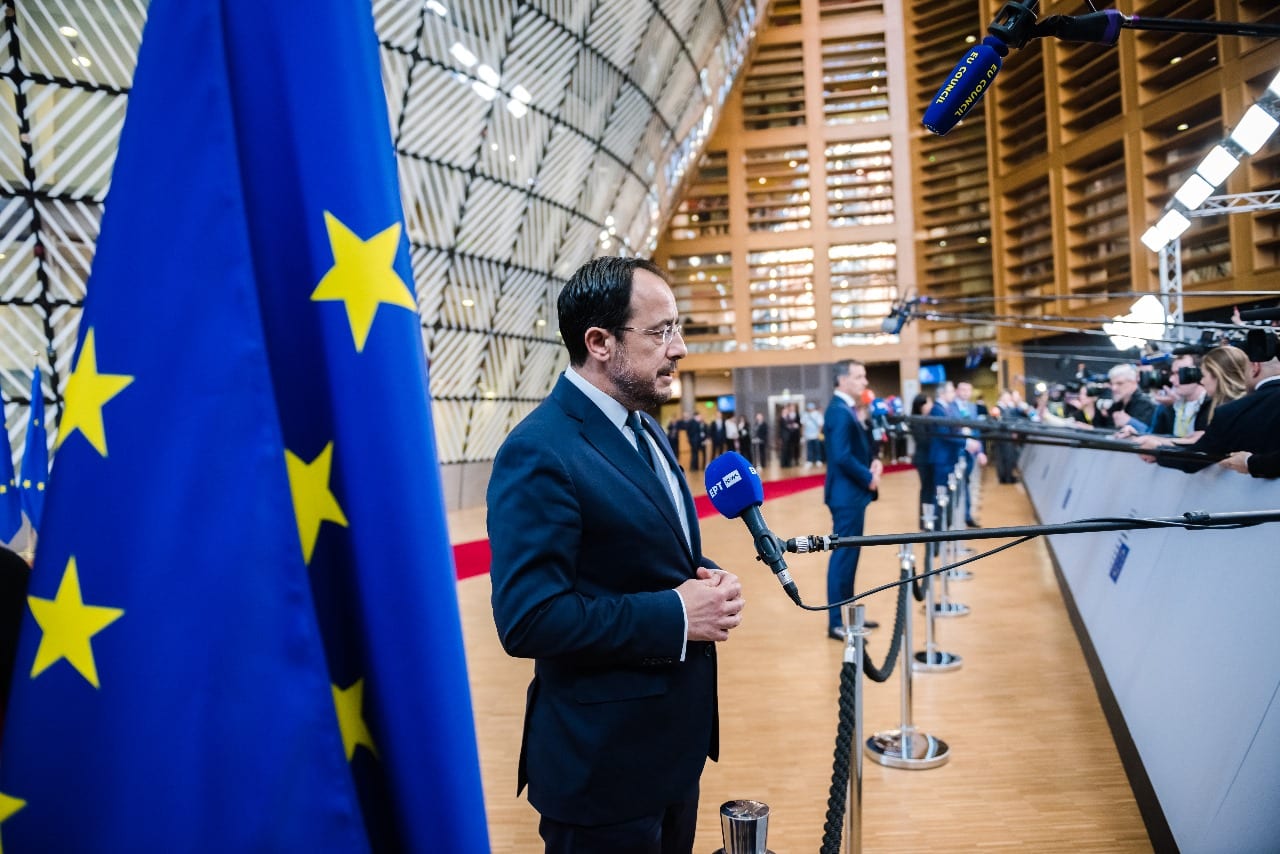
– President Nikos Christodoulides and British Prime Minister Rishi Sunak discussed migration on Tuesday.
– 80% of asylum seekers arrived in Ireland by crossing its land border with Northern Ireland.
– The UK is not interested in accepting the return of asylum seekers who enter the EU from their country.
– Ireland’s High Court ruled that the UK should no longer be designated as a “safe country” for returning asylum seekers.
– The Cypriot government believes that Syria is now a safe country to which migrants can be returned.

Russia’s FSB says British special forces operating in Ukraine

Russia’s FSB says British special forces operating in Ukraine

Britain’s Special Boat Service has been assisting Ukrainian forces in operations against Russian forces in Ukraine, according to Russia’s Federal Security Service.

Scotland, ’s parliament considers assisted dying as poll shows support

Scotland, ’s parliament considers assisted dying as poll shows support

Scotland’s parliament is considering legislation that would allow people with a terminal illness to take their own lives, joining countries like Switzerland, Canada, New Zealand, Austria, and Ecuador in allowing assisted dying. Individuals would need to self-administer the substance that will end their life if the legislation is passed.

King Charles doing ‘very well’, Camilla tells Belfast crowds

King Charles doing ‘very well’, Camilla tells Belfast crowds

– King Charles is being treated for cancer and has been absent from public duties since January.
– Queen Camilla said King Charles is doing “very well.”
– Camilla and Prince William have been the public face of the royal family during Charles’s absence.
– Camilla, aged 76, interacted with the public in Belfast, including joking with a small boy and thanking a schoolgirl who gave her a card for Charles.
– Kate, the Princess of Wales, is recuperating from abdominal surgery for a non-cancerous condition and is expected to return to official duties after Easter on March 31.
– Britain’s data watchdog is investigating a report of attempted unauthorized access to Kate’s private health records at the London hospital where she was treated.
– Camilla, who has set up a reading charity, is scheduled to attend an event celebrating Northern Ireland’s literary history at Hillsborough Castle.

Explainer: When is the UK election?

Explainer: When is the UK election?

– The last possible date for Britain’s next general election is January 28, 2025.
– Prime Minister Rishi Sunak indicated that 2024 would be an election year.
– Sunak’s working assumption is for a general election in the second half of this year.
– Sunak ruled out holding an election on May 2 and is unlikely to choose any day in May due to logistical difficulties.
– Expectations are for a vote in October or November.
– The decision to call a general election is made by the Prime Minister unless the government loses a motion of no confidence in parliament.
– Upon calling an election, parliament is dissolved, and all lawmakers lose their seats, with a 25 working day period until the general election.
– Elections have been held on a Thursday since 1935.
– Parliament will automatically dissolve on December 17 if an election is not called before then.
– 650 constituencies elect MPs under a first-past-the-post system.
– If a party wins more than 325 MPs, King Charles will invite its leader to form a government.
– If no party achieves a majority, there might be a coalition government or a minority government.
– The Conservative Party has governed in coalition and as a minority government in the past.
– Currently, the Conservatives have a majority, but polls show the Labour Party leading by about 20 percentage points.

Northern Ireland appoints Irish nationalist as First Minister in historic shift

Northern Ireland appoints Irish nationalist as First Minister in historic shift

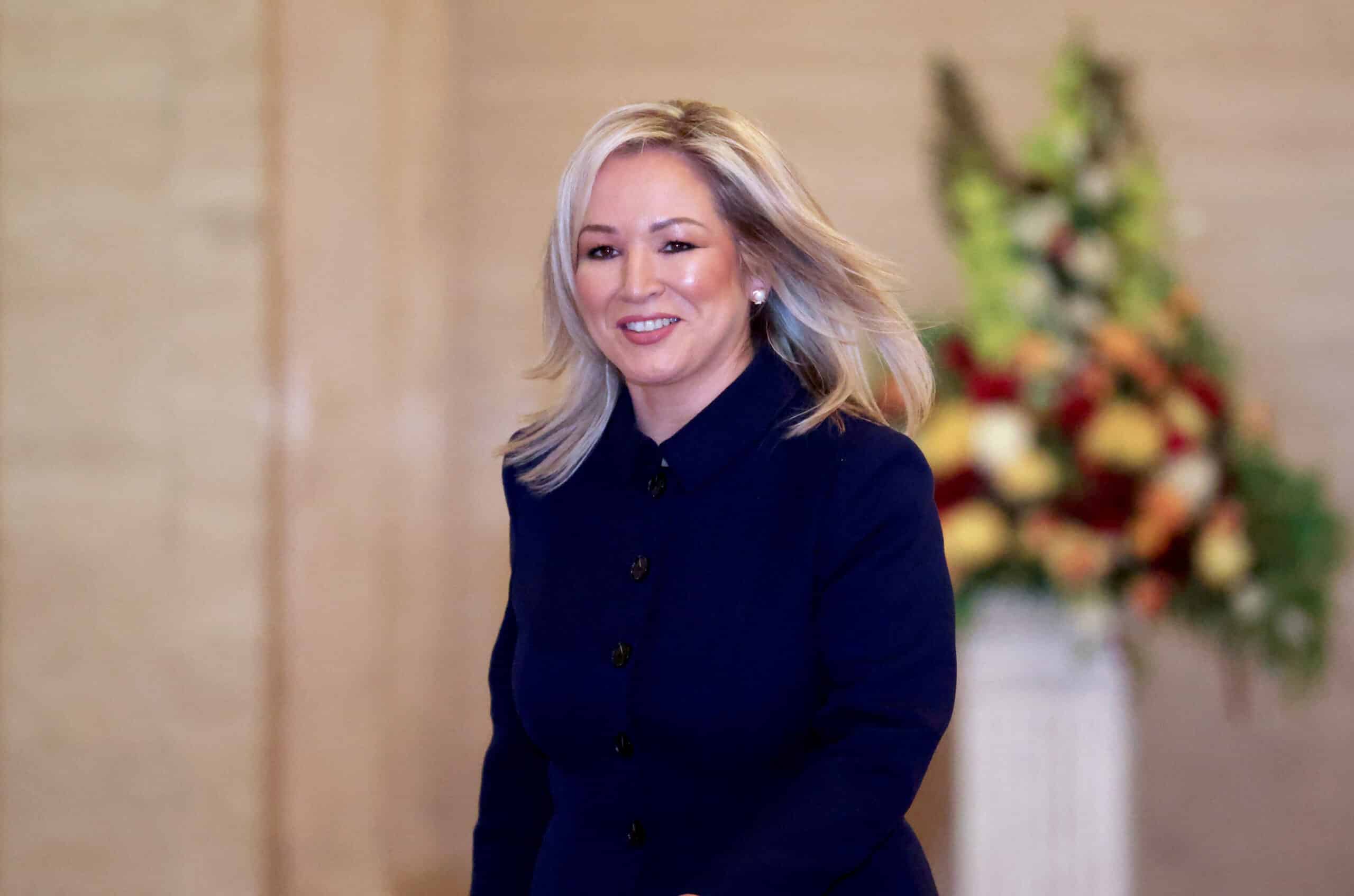
Northern Ireland’s parliament appointed Michelle O’Neill, an Irish nationalist, as First Minister for the first time. This event marks a historic milestone in a state that was established a century ago with a pro-British unionist majority. O’Neill’s appointment follows the 2022 election and signifies the rise of the Sinn Fein party, which aspires to see a united Ireland. Sinn Fein’s pro-British rival, the Democratic Unionist Party (DUP), ended a two-year boycott of the power-sharing government after reaching a deal with the British government to ease trade issues.

Michelle O’Neill, at the age of 47, pledged to serve all citizens equally. She and Sinn Fein President Mary Lou McDonald represent a new generation of Sinn Fein politicians who were not directly involved in the region’s past conflicts. Sinn Fein, once the political wing of the Irish Republican Army (IRA), is now the most popular party in the Irish Republic, with elections due the following year.

The DUP’s Emma Little-Pengelly will take the post of deputy First Minister, which holds equal power but less symbolic weight. Despite the focus on unity, Northern Ireland’s politicians face pressure to address domestic issues after a two-year hiatus affected public services. A referendum on Irish unity is at the discretion of the British government, and polls show a majority in favor of remaining part of the United Kingdom.

The frequent suspensions of the power-sharing government, established under the 1998 Good Friday Agreement, have led to calls for reform. The Irish and British prime ministers are open to considering changes to the political system. The general public in Belfast, as expressed by lawyer Tara Walsh, desires change.