The Island Private School: a holistic learning environment

The Island Private School: a holistic learning environment

The Island Private School in Cyprus offers a holistic learning environment for students of diverse cultural backgrounds. The school integrates best practices from the International Baccalaureate, Waldorf, and Montessori educational systems, focusing on academic excellence and developing 21st-century skills. The school’s mission is to inspire a passion for learning and prepare students as confident, responsible global citizens who value diversity. The school offers three educational tracks grounded in Environmental, Social, and Governance (ESG) principles, aiming for a sustainable and equitable future. The school has integrated ESG considerations into its curriculum through lessons on environmental sustainability, climate change, and conservation, as well as through various environmental initiatives and partnerships. The school engages with the local community, fosters inclusivity and diversity, and promotes social responsibility through various activities and events. The school plans to evolve its ESG initiatives by introducing composting bins, celebrating various faiths and cultures, and focusing on sustainability in its future campus. The school measures and reports on its progress towards ESG-related goals through key performance indicators, data collection, and stakeholder surveys. The school faces challenges in implementing eco-friendly practices due to financial constraints but is seeking funding opportunities through grants and partnerships. The school encourages student-led initiatives related to ESG and plans to use technology to further ESG education and initiatives. The school’s approach to ESG differentiates it from other educational institutions by integrating ESG into its organizational culture, decision-making processes, curriculum, and daily operations. The school envisions its role in the broader ESG landscape within the education sector in the next five to ten years by becoming an international education hub, supporting diverse educational tracks, expanding as a multicultural community, promoting ethical governance, strengthening environmental partnerships, contributing to rural development, developing a green campus, and promoting energy efficiency and renewable energy sources.

Currency markets are in a deep freeze. Rate cuts and Trump could thaw them

Currency markets are in a deep freeze. Rate cuts and Trump could thaw them

Traders and investors are looking to global interest rate cuts and the closely-fought US election to bring the world’s currency markets out of their deepest lull in almost four years.

People over 60 in Cyprus feel insecure, lonely and afraid, survey finds

People over 60 in Cyprus feel insecure, lonely and afraid, survey finds

Around 42% of people over 60 years old feel lonely, with 30% citing low pensions as a major issue. Women and the elderly, especially those over 80, experience more fear and insecurity. The study showed that individuals aged 60-69 spend a lot of time with their grandchildren. The research also revealed that most elderly people watch television and go to church. Additionally, 61% of retirees in Cyprus live in their own homes, and 46% believe their income is enough to meet their needs. The study also highlighted the need for more activity centers, state support, and increased pensions for retirees.

Colourful concerts not to miss

Colourful concerts not to miss

Fact: A concert by the Gaba Project featuring Nicolas Tryphonos with handpan, lyra, and double bass will take place in Limassol on April 14 at Ypogeia Skini/Polichoros Synergeio at 8pm.

Creative children, ’s workshop at museum coming up in English

Creative children, ’s workshop at museum coming up in English

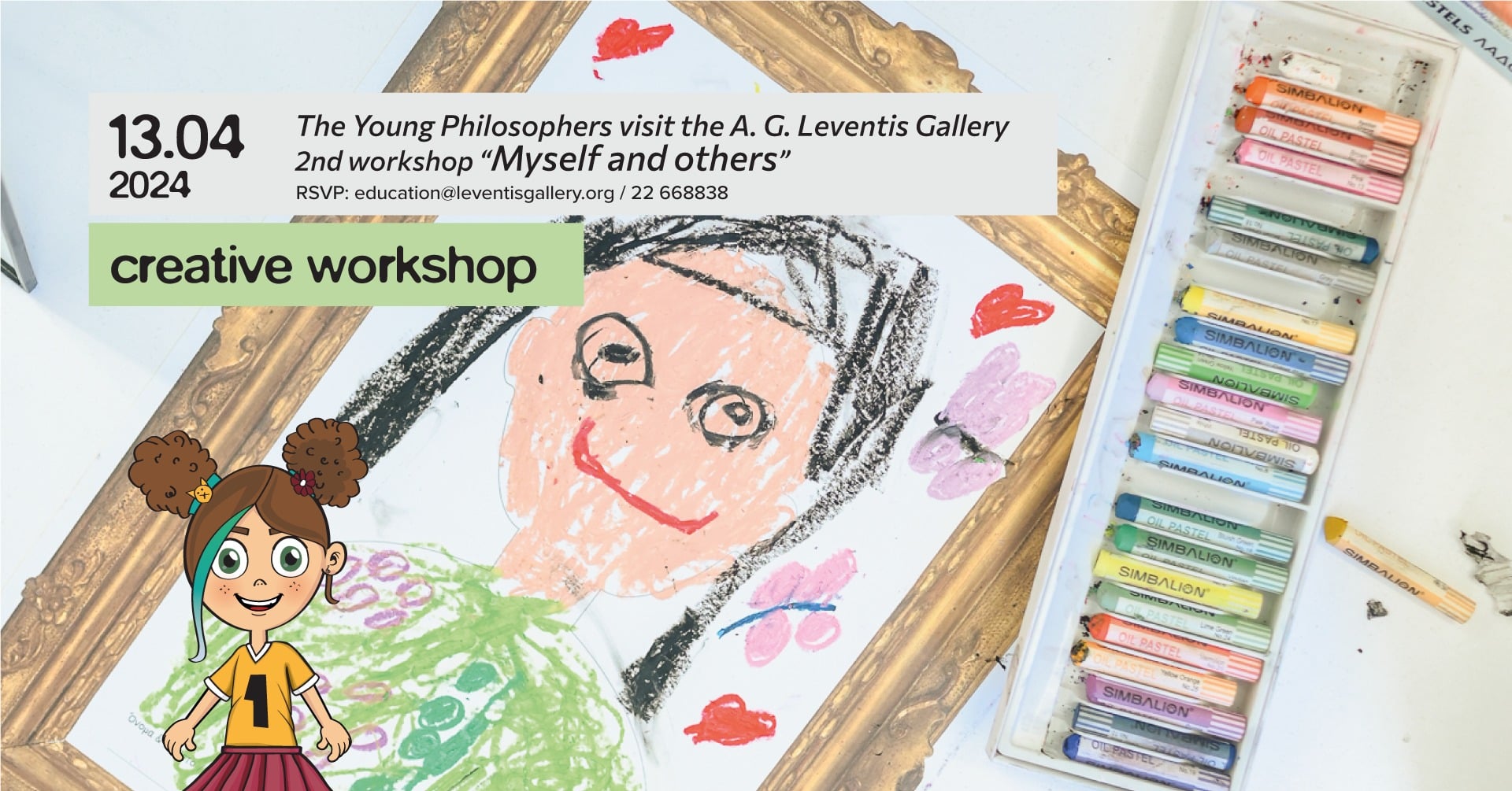
Fact: Philosophy for Children trained educators Marina and Rebecca Katsaris will lead a workshop on April 13 at AG Leventis Gallery in Nicosia, focusing on helping children cultivate resilience and emotional flexibility through creative exploration of philosophical concepts.

High Tax Rates Caused Too Much Culture

High Tax Rates Caused Too Much Culture

Corporate art purchases were common from the 1950s through the 1970s, with corporations supporting symphonies, operas, and dance companies as a mark of corporate citizenship. These expenses were tax-deductible, with the government covering half the cost. Employees preferred compensation in-kind, such as office spaces with avant-garde design or tickets to cultural events, as they faced high marginal tax rates. However, after the 1980s, as tax rates decreased, employees preferred cash over cultural benefits, leading to a decline in corporate support for culture. The shift from a culture-focused corporate environment to a more utilitarian one was influenced by changes in tax rates.

Needle residency programme hosts six emerging artists

Needle residency programme hosts six emerging artists

Larnaca 2030 has launched the “Needle” artistic residency program for six emerging artists to create new works inspired by the city’s cultural heritage.

The Accidental Tax Cutter in Chief

The Accidental Tax Cutter in Chief

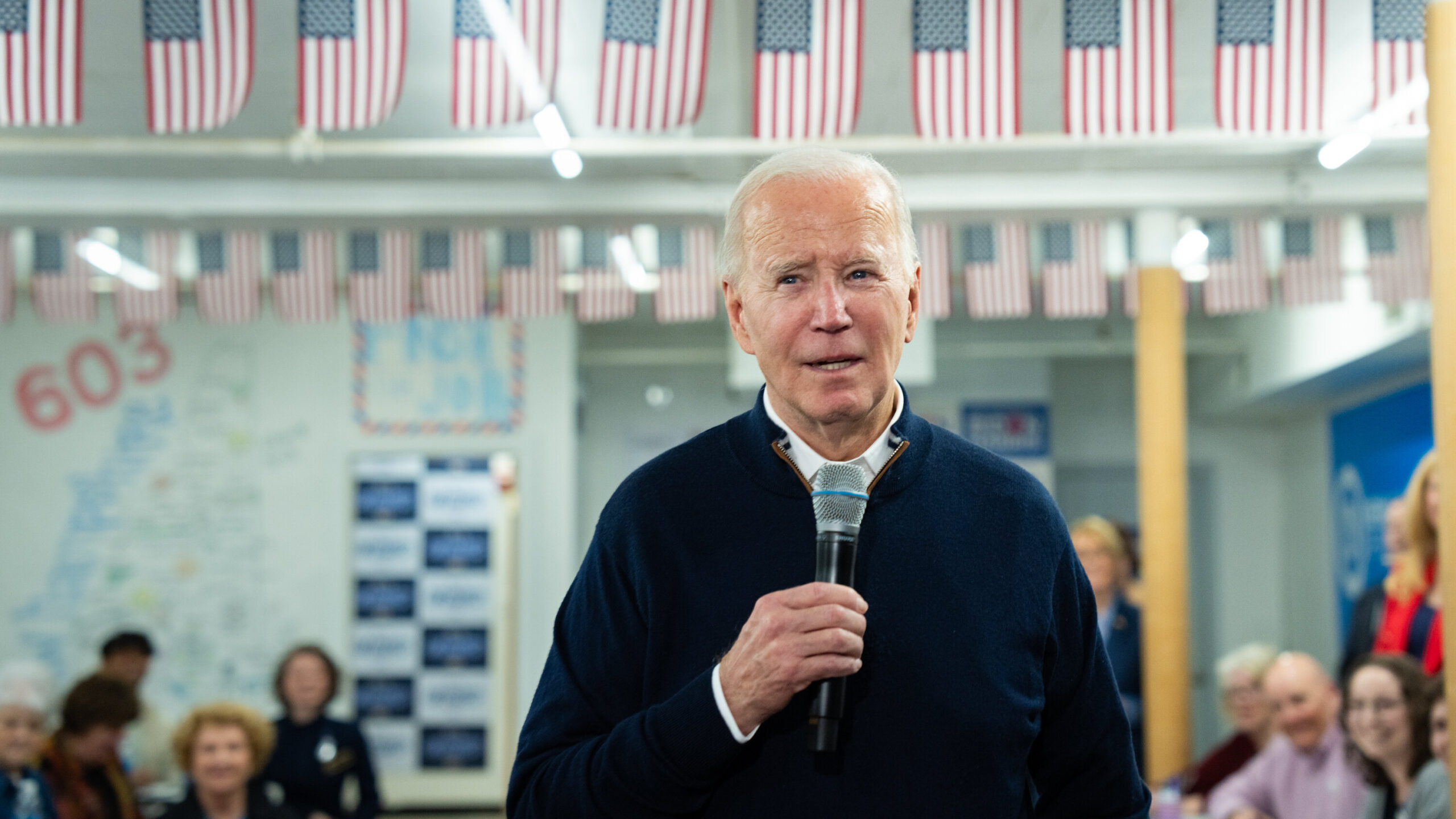
President Biden has said that raising taxes on the wealthy and big corporations is at the heart of his agenda, but overall net taxes have decreased during his administration.

April concerts welcome international guests

April concerts welcome international guests

Concerts by the Cyprus Symphony Orchestra are taking place in April in Nicosia, Paphos, Larnaca, and Limassol. The concerts will feature renowned musicians and include performances of Vivaldi, Mozart, and Karl Jenkins’ The Armed Man: A Mass for Peace.