“C’mon Man! Tax the Rich!” Business Owners Face Tax Increases* | JD Supra

“C’mon Man! Tax the Rich!” Business Owners Face Tax Increases* | JD Supra

Sen. Warren reintroduced her “Ultra-Millionaires” wealth tax proposal to the Senate, inspired by the Administration’s Fiscal Year 2025 Budget which includes its own version of a wealth tax. The tax proposals are part of the upcoming contest for the White House and focus on tax avoidance by the wealthy. Business owners should familiarize themselves with the proposed changes to federal income tax and develop plans in response as there is a possibility that the Democrats may have another opportunity to turn their income tax agenda into law.

Over 3,500 people to be elected in June vote

Over 3,500 people to be elected in June vote

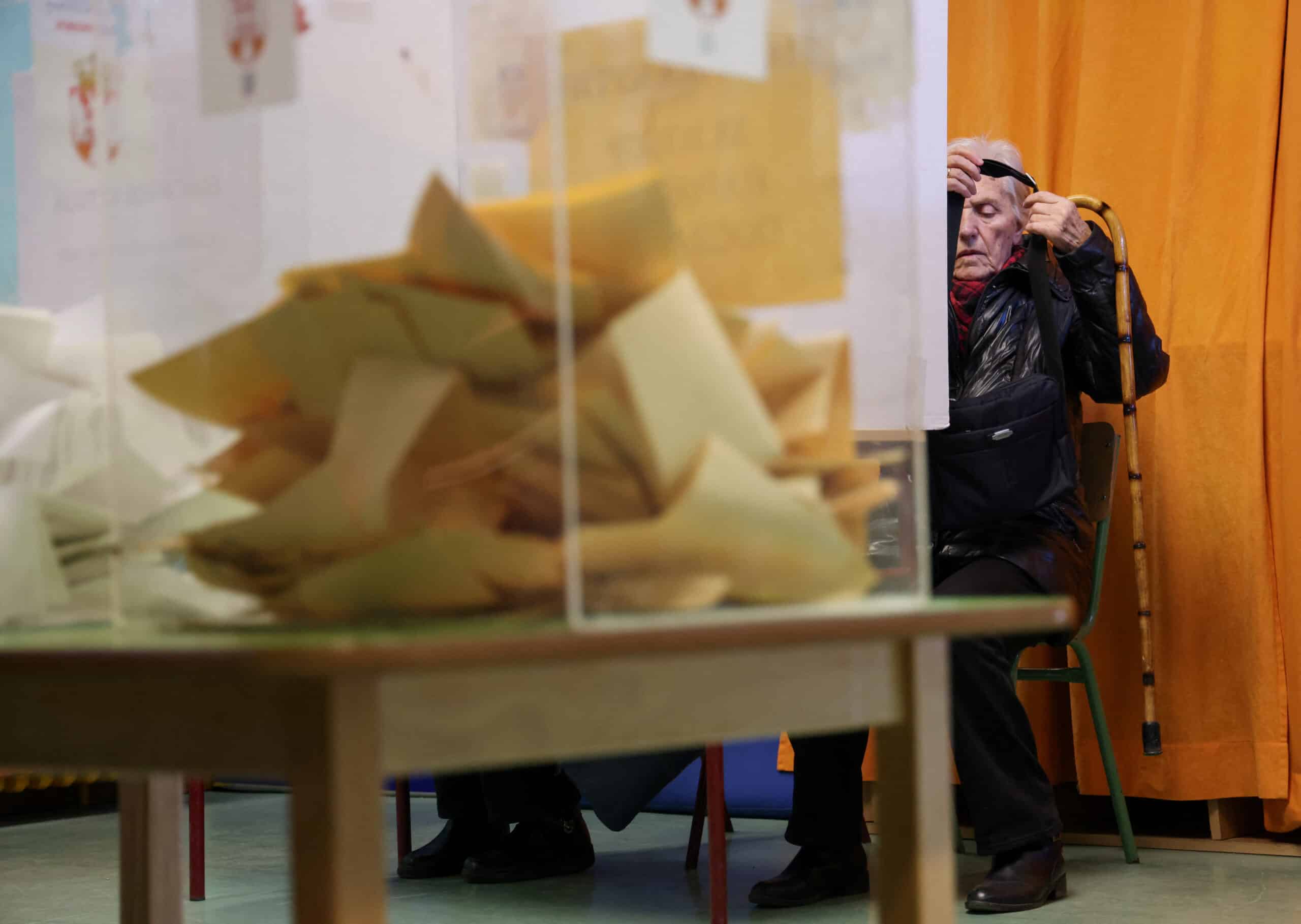
Over 3,500 people will be voted to positions of public office in the elections on June 9.

Voters are shifting in search of security

Voters are shifting in search of security

Socially conservative parties, often supported by individuals negatively impacted by globalization, are gaining votes from those who feel left behind economically and culturally. Politicians are perceived as detached from public concerns, contributing to a shift in voter behavior towards prioritizing security and identity issues. This trend benefits right-wing and far-right parties, as voters seek solutions to economic and identity crises, leading to a decline in support for traditional left-wing parties. The economic situation remains a primary voting criterion, but it’s increasingly intertwined with security concerns, especially post-pandemic and due to geopolitical tensions like the war in Ukraine. Voter abstention, particularly among the youth, is rising due to distrust in the political system and a belief that voting does not effect change. The political landscape is witnessing a shift towards more conservative stances on issues like immigration, challenging traditional parties to adapt or risk losing relevance. Social media has transformed political communication, enabling direct interaction between politicians and voters but also increasing scrutiny and the speed at which information spreads. To succeed, political candidates and parties must clearly articulate their unique selling points and effectively communicate them to the electorate, adapting to changing voter preferences.

Petrol prices to increase from April 1st

Petrol prices to increase from April 1st

– The reduced fuel consumption tax, which was lowered by 8.3 cents per litre for petrol (95 octane) and diesel, and by 6.3 cents for heating oil, will end starting from 1st April.
– The consumption tax on fuel is set to be reintroduced at midnight on the last day of the current month.
– There has been a significant reduction in fuel prices in the last quarter, which stabilized two weeks ago, with very small increases observed in recent days.
– Cyprus has the cheapest fuel in Europe according to the European price observatory issued by the EU.
– VAT will be reinstated for 9 product categories on 30th April and for the remaining two categories related to meat and vegetables on 31st May.
– The public consultation on the draft law for green tax reform has been completed, with the taxation expected to be introduced within 2024, accompanied by compensatory measures decided by the Ministry of Finance.
– The termination of the reduced consumption tax on fuel is expected to lead to an increase in the retail price of fuel due to the imposition of green taxation, with an overall increase of about 10%.
– The cost for dealers will double with every one-cent increase in fuel prices, requiring them to spend approximately 2,000 euros for their stocks and monthly customers.
– The price of diesel is expected to exceed 1.50 euros per litre with the termination of the reduced VAT rate.
– The Pancyprian Association of Petroleum Dealers has requested that price adjustments be made on the first working day after their decision and not on a holiday, specifically on the 6th morning of the first working day.

Online referendum begins for lowering voting age

Online referendum begins for lowering voting age

The government has launched an online non-binding referendum to ask citizens if the voting age should be lowered. The voting is conducted on a new online platform called “Citizen Voice,” announced by President Nikos Christodoulides in February. The referendum asks whether the minimum voting age should be lowered from 18 and if so, whether it should be to 16 or 17 years old. Voting will remain open until April 7, with results announced on April 9 at the Youth Board of Cyprus’s awards ceremony. The online voting system is accessible at citizenvoice.gov.cy and is available in Greek, Turkish, and English. The voting process is designed to protect voters’ anonymity, the security of personal details, and the validity of the votes. Personal details are encrypted and automatically deleted after voting. President Christodoulides emphasized the government’s belief in participatory democracy and indicated that more online non-binding referenda are expected in the future.

7,500 new voters registered for June, ’s elections

7,500 new voters registered for June, ’s elections

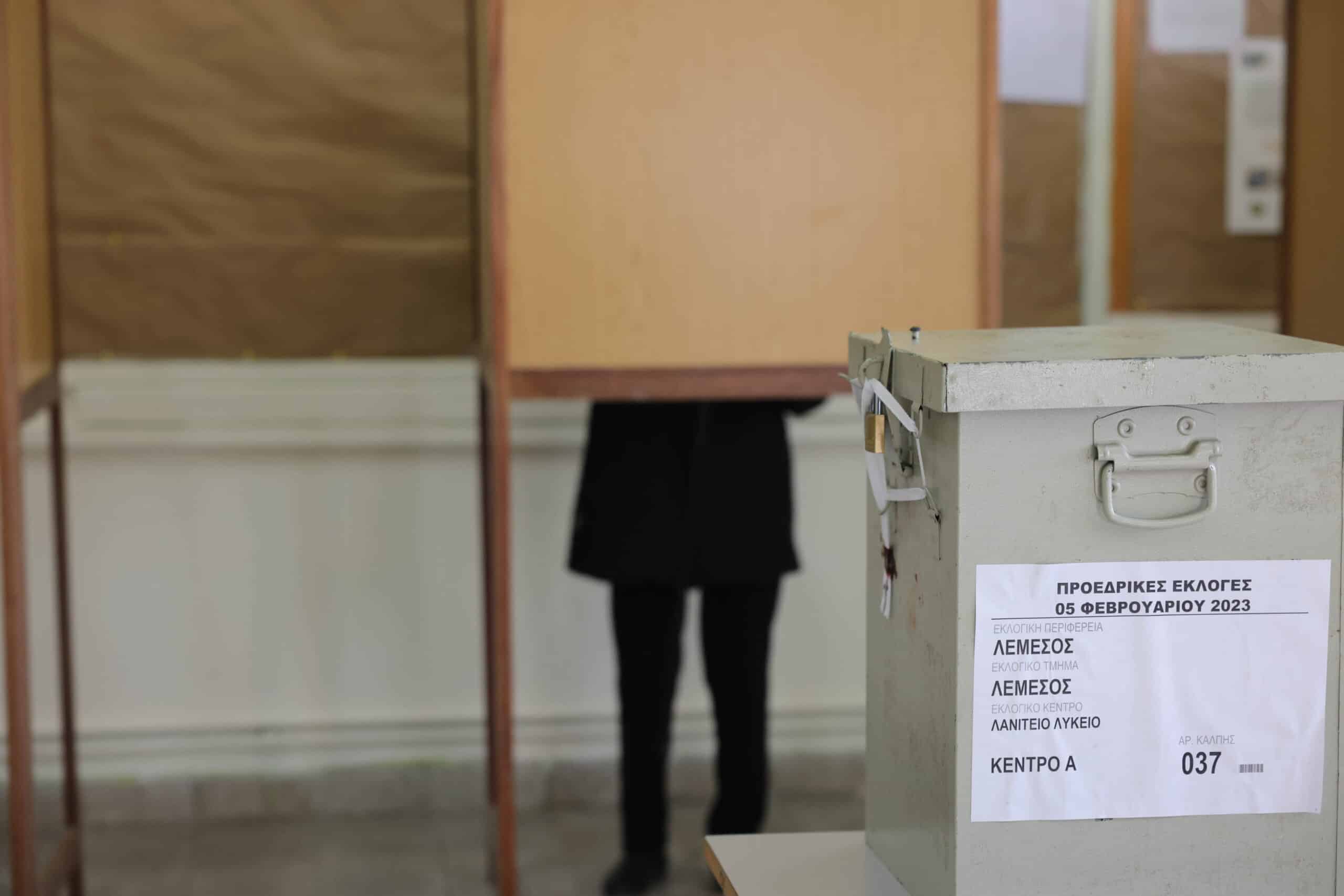
– 7,500 new voters have been registered for the forthcoming elections in June.
– The total number of people registered to vote in Cyprus is 569,086.
– There are 557,578 people on the permanent electoral roll.
– 11,559 EU citizens are registered to vote in local elections, and 9,190 in European parliament elections.
– A special electoral list exists for Turkish Cypriots living in the north, with 82,925 names on it.
– Eligible voters can register to vote until April 2.
– Citizens of the Republic of Cyprus and EU citizens residing in Cyprus who are over 18 on election day are eligible to vote.
– Eight elections are scheduled to be held simultaneously on June 9.

Navalnaya says Putin is not Russia, ’s legitimate president

Navalnaya says Putin is not Russia, ’s legitimate president

Yulia Navalnaya, the widow of Russian opposition leader Alexei Navalny, declared that Vladimir Putin is not the legitimate president of Russia and expressed her intention to persuade world leaders not to engage in negotiations with him. She made these remarks following an election in which Putin secured 87.3% of the vote, an outcome criticized by the West as neither free nor fair, while countries like China and India congratulated him. Navalnaya’s comments were part of a video message, where she also commended the participation of thousands in protests against Putin’s rule, both within Russia and internationally. She participated in the protest from Berlin. Navalnaya has committed to continuing her late husband’s work and holds Putin responsible for his death, a claim the Kremlin denies. The election confirmed Putin’s dominance in Russian politics, despite the opposition’s fragmented state and the incarceration or exile of many opponents. Navalnaya encouraged her supporters to spend 15 minutes daily opposing the regime, aiming for a peaceful, free, and happy Russia.

Putin wins Russia election in landslide with no serious competition

Putin wins Russia election in landslide with no serious competition

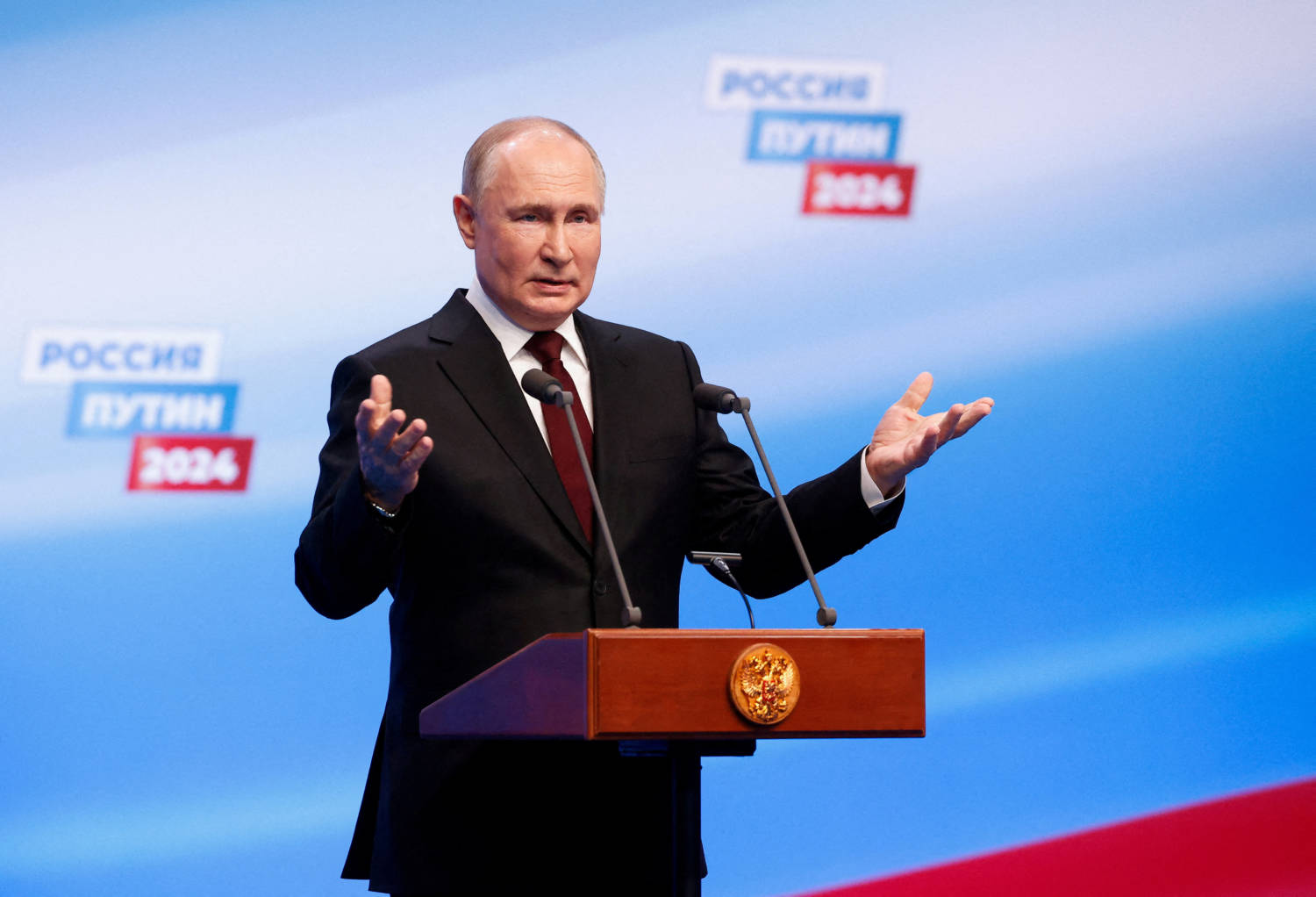
– President Vladimir Putin won Russia’s election with 87.8% of the vote according to an exit poll by the Public Opinion Foundation (FOM).
– Putin’s victory marks a record post-Soviet landslide and extends his power, potentially making him Russia’s longest-serving leader in over 200 years if he completes another six-year term.
– The United States, Germany, the United Kingdom, and other nations have criticized the election as neither free nor fair, citing the imprisonment of political opponents and censorship.
– Communist candidate Nikolai Kharitonov finished second with just under 4% of the vote.
– Putin plans to prioritize Russia’s military operation in Ukraine and strengthen the Russian military.
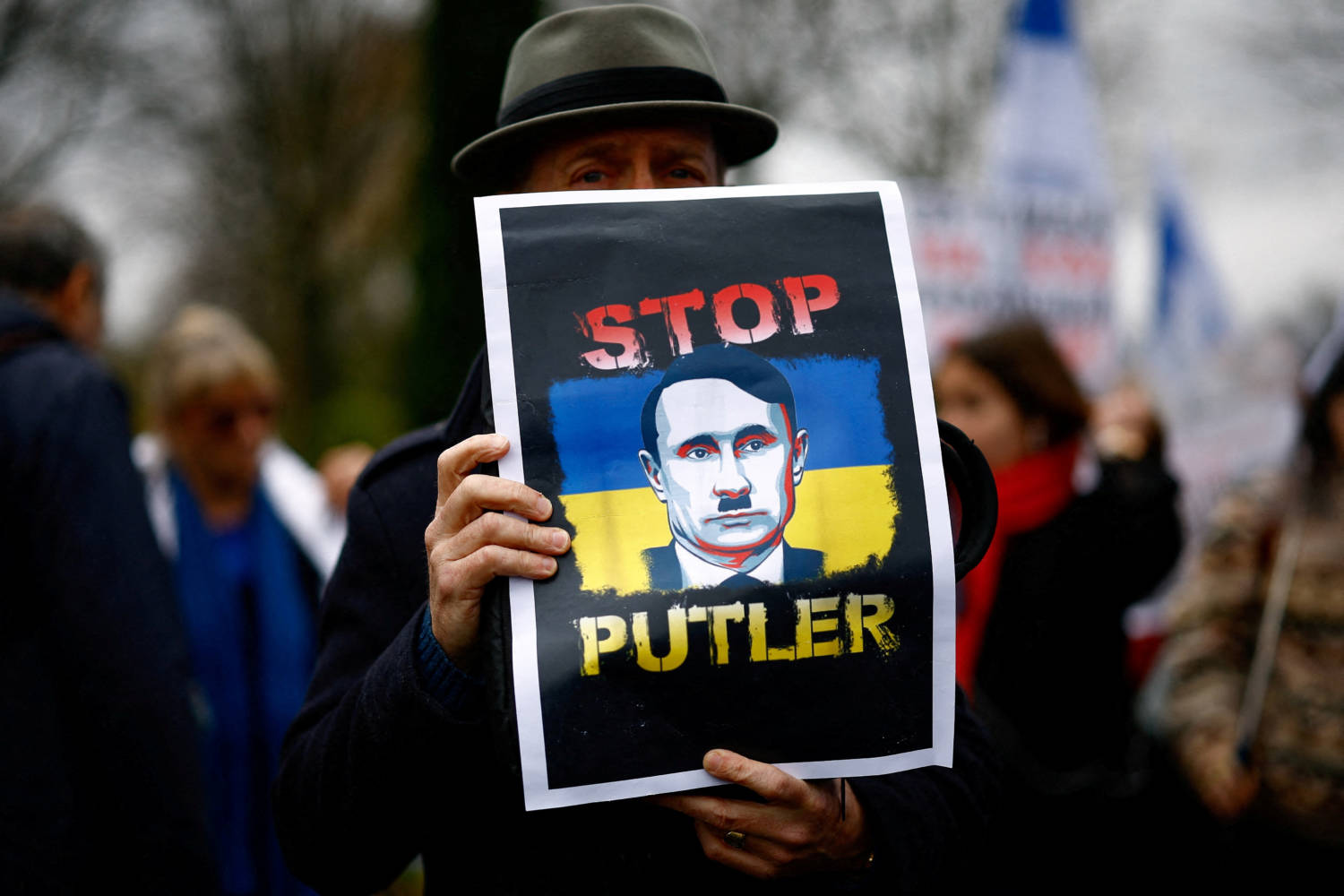
– Thousands of opponents, inspired by the late opposition leader Alexei Navalny, protested against Putin at polling stations inside Russia and abroad.
– Putin regards Russia’s election as democratic and claims the protests had no effect on the election’s outcome.
– Nationwide turnout was reported at 74.22% at the close of polls.
– At least 74 people were arrested on Sunday across Russia for protesting, according to OVD-Info.
– Western countries view Putin as an autocrat, while Ukrainian President Volodymyr Zelenskiy deemed the vote illegitimate and accused Putin of wanting to rule indefinitely.
– Putin views the conflict with Ukraine as part of a historical struggle with the West, which he believes has encroached on Russia’s sphere of influence post-Cold War.

Thousands of Russians join Navalny-inspired ‘noon against Putin’ election protest

Thousands of Russians join Navalny-inspired ‘noon against Putin’ election protest

Thousands of people across Russia participated in a protest against President Vladimir Putin’s re-election, dubbed “noon against Putin,” by either spoiling their ballot paper or voting for one of the three candidates opposing Putin. The protest was inspired by the late opposition leader Alexei Navalny, who had endorsed the plan before his death. Navalny’s allies reported significant participation in the protest at various polling stations. Despite the protest, Putin was expected to secure a landslide victory. The Kremlin views Navalny’s political allies as extremists and claims Putin enjoys high approval ratings. The protest saw participation not only in Russia but also at Russian diplomatic missions abroad, with notable gatherings in Berlin and London.