Christodoulides to address college during official meetings in Belgium
Christodoulides to address college during official meetings in Belgium

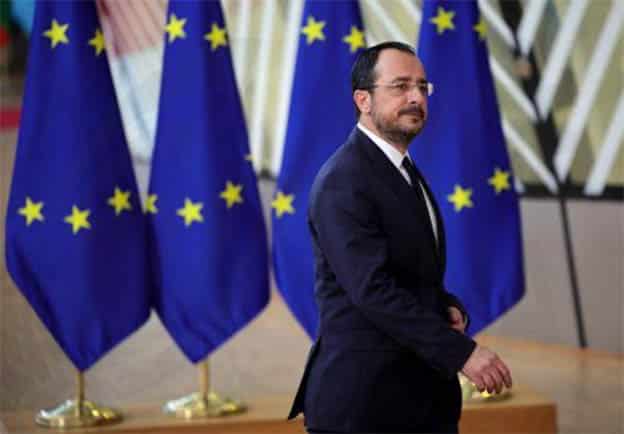
President Nikos Christodoulides of Cyprus is visiting Bruges, Belgium, to address the College of Europe on invitation by the Cypriot students association during the national week dedicated to Cyprus. This marks the first visit by a Cypriot President to the college. Christodoulides will be greeted by Rector Federica Mogherini, speak to students and academics, and meet with Vice-President of the European Commission, Margaritis Schinas. His agenda also includes participating in European People’s Party deliberations, discussing global issues with UN Secretary General Antonio Guterres and EU heads of state, and attending the 30th anniversary of the European Economic Area. Christodoulides will have another meeting with Guterres and will return to Cyprus on Friday evening.
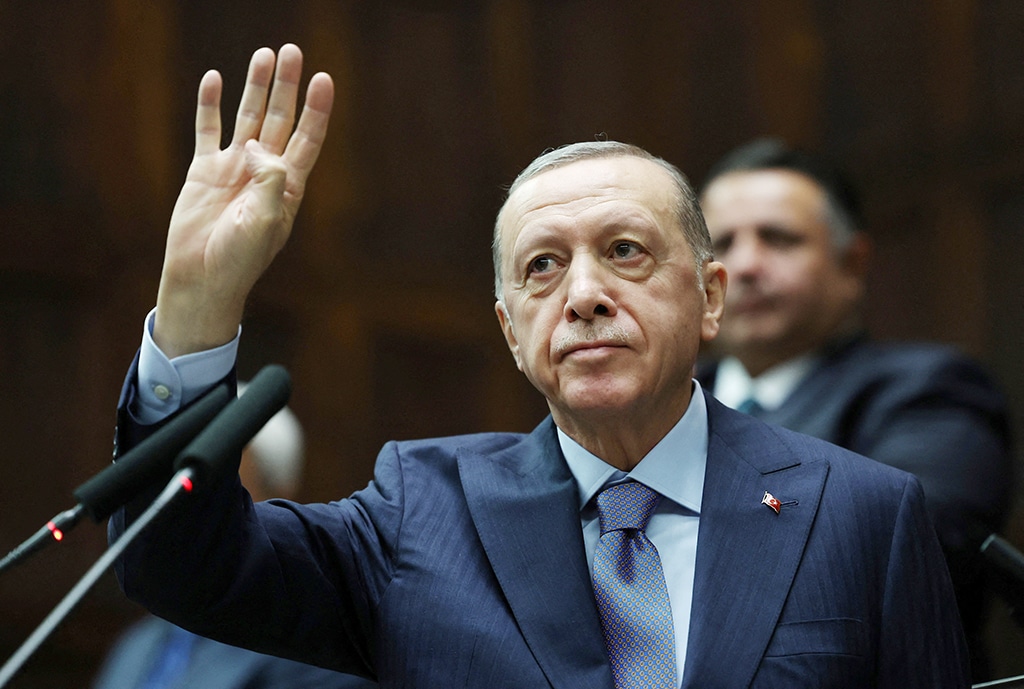
Government ire at , ‘all Cyprus could be Turkish’ comment

Government ire at , ‘all Cyprus could be Turkish’ comment

Turkish President Recep Tayyip Erdogan made statements suggesting that if Turkish forces had advanced further during the 1974 invasion of Cyprus, the entire island could have been Turkish. These remarks were criticized by Cyprus government spokesman Konstantinos Letymbiotis as “unacceptable” and “provocative.” Letymbiotis emphasized that Cyprus, a European Union member state, has been under occupation since the 1974 invasion, which he described as “barbaric.” Erdogan’s comments were also seen as disrespectful to international law, European principles, UN Security Council resolutions, and the UN Secretary-General. Despite Erdogan’s divisive statements, the Cypriot government remains committed to resolving the Cyprus issue through negotiations based on a bizonal, bicommunal federation with political equality, in line with UN resolutions.

Christodoulides in Brussels for EU Council

Christodoulides in Brussels for EU Council

President Nikos Christodoulides of Cyprus will visit Belgium to attend the College of Europe in Bruges, participate in the European Council summit in Brussels, and engage in both public and private meetings with officials. He will also attend a working lunch with the UN Secretary General and other EU member state leaders, focusing on the Middle East and Ukraine. Additionally, Christodoulides will visit the College of Europe following an invitation from the Society of Cypriot Students and will meet with Federica Mogherini, the college’s rector and former Vice President of the European Commission. He will also meet with Margaritis Schinas, the Vice President of the European Commission, before attending activities of the European People’s Party and a commemorative event for the 30th anniversary of the European Economic Area. Christodoulides will return to Cyprus on Friday evening.

President stresses focus on substance for new Cyprus talks

President stresses focus on substance for new Cyprus talks

– President Nikos Christodoulides emphasized the importance of resuming talks.
– Maria Angela Holguín Cuéllar, the personal envoy of the UN Secretary-General, is working towards resuming talks.
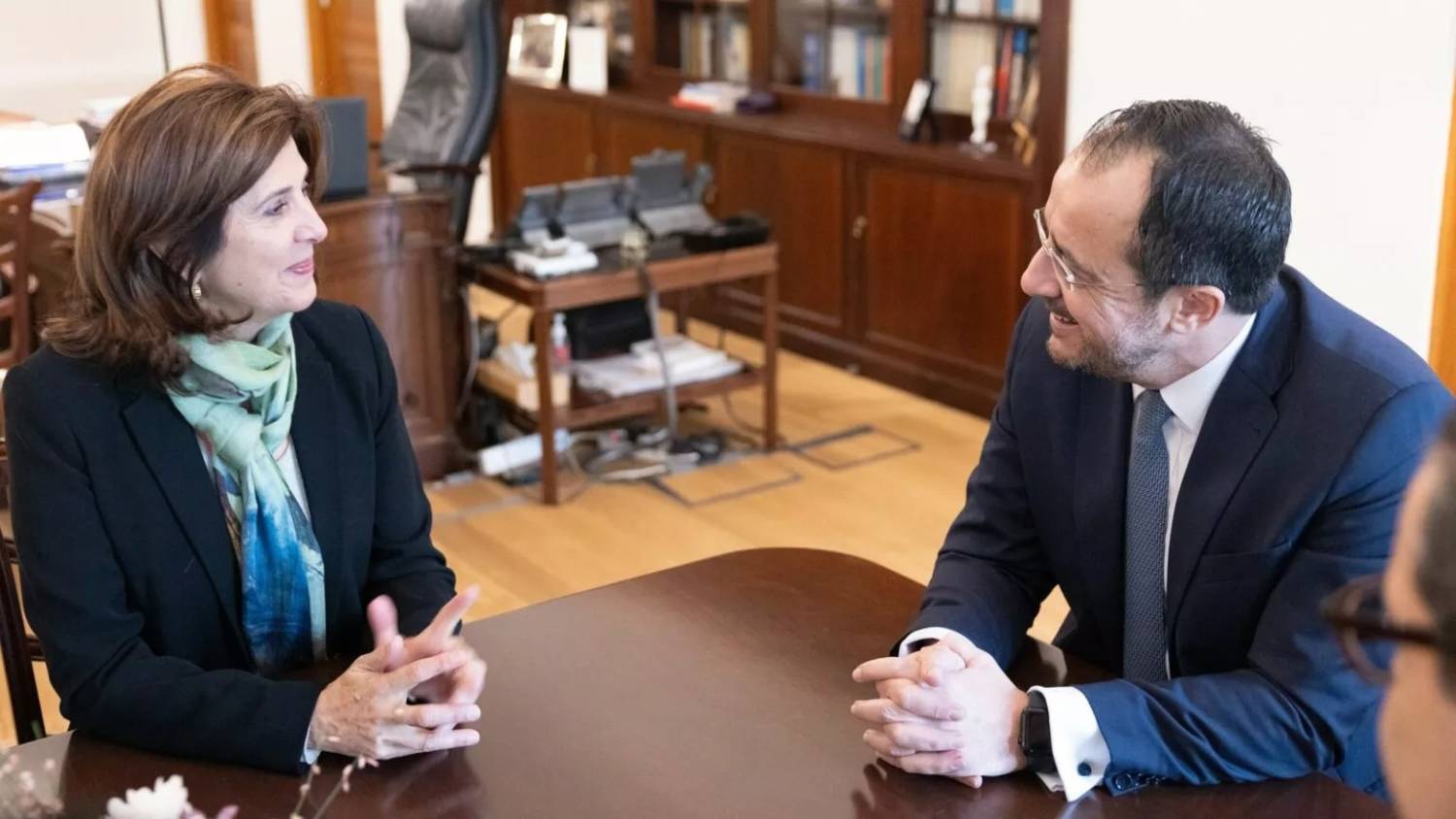
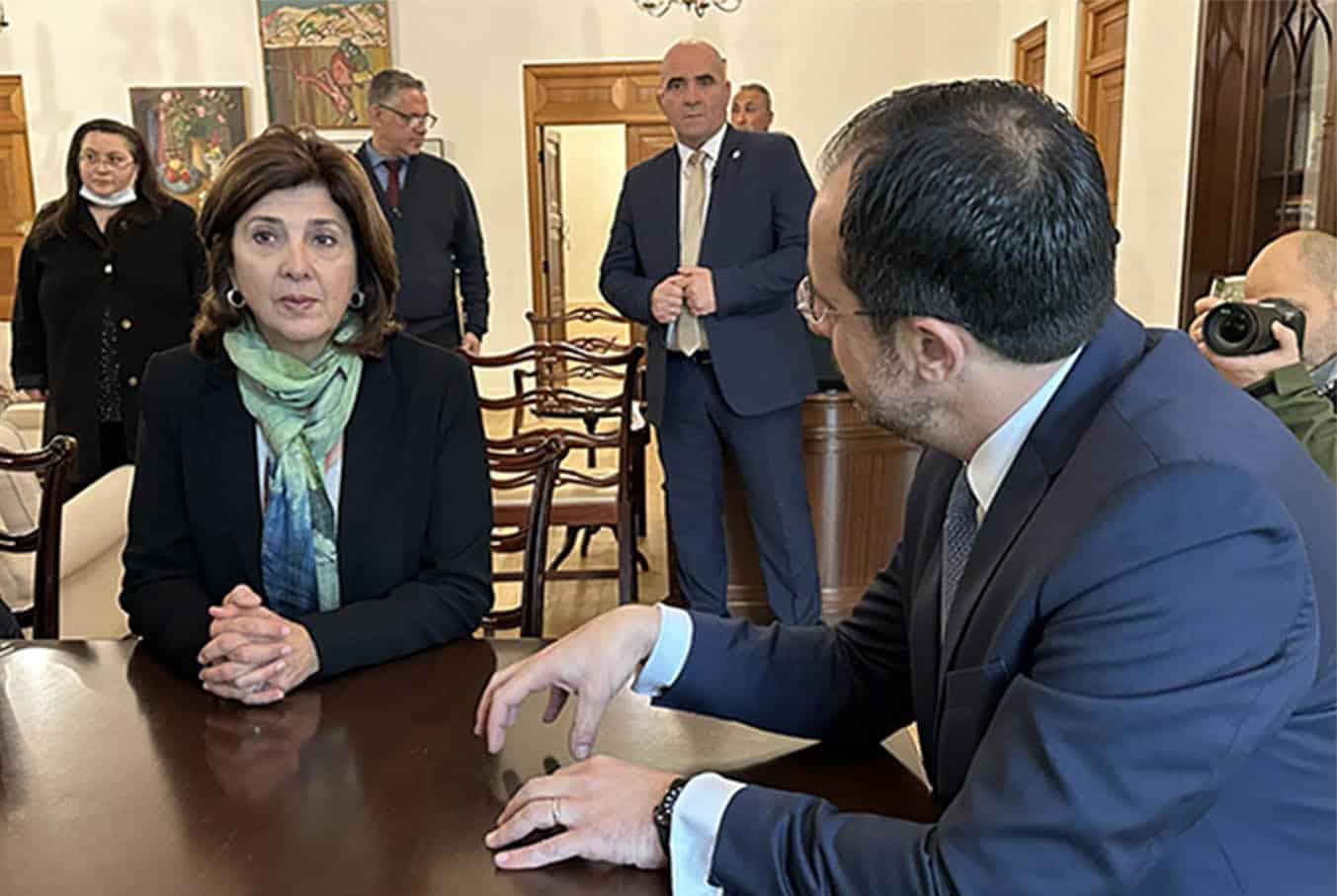
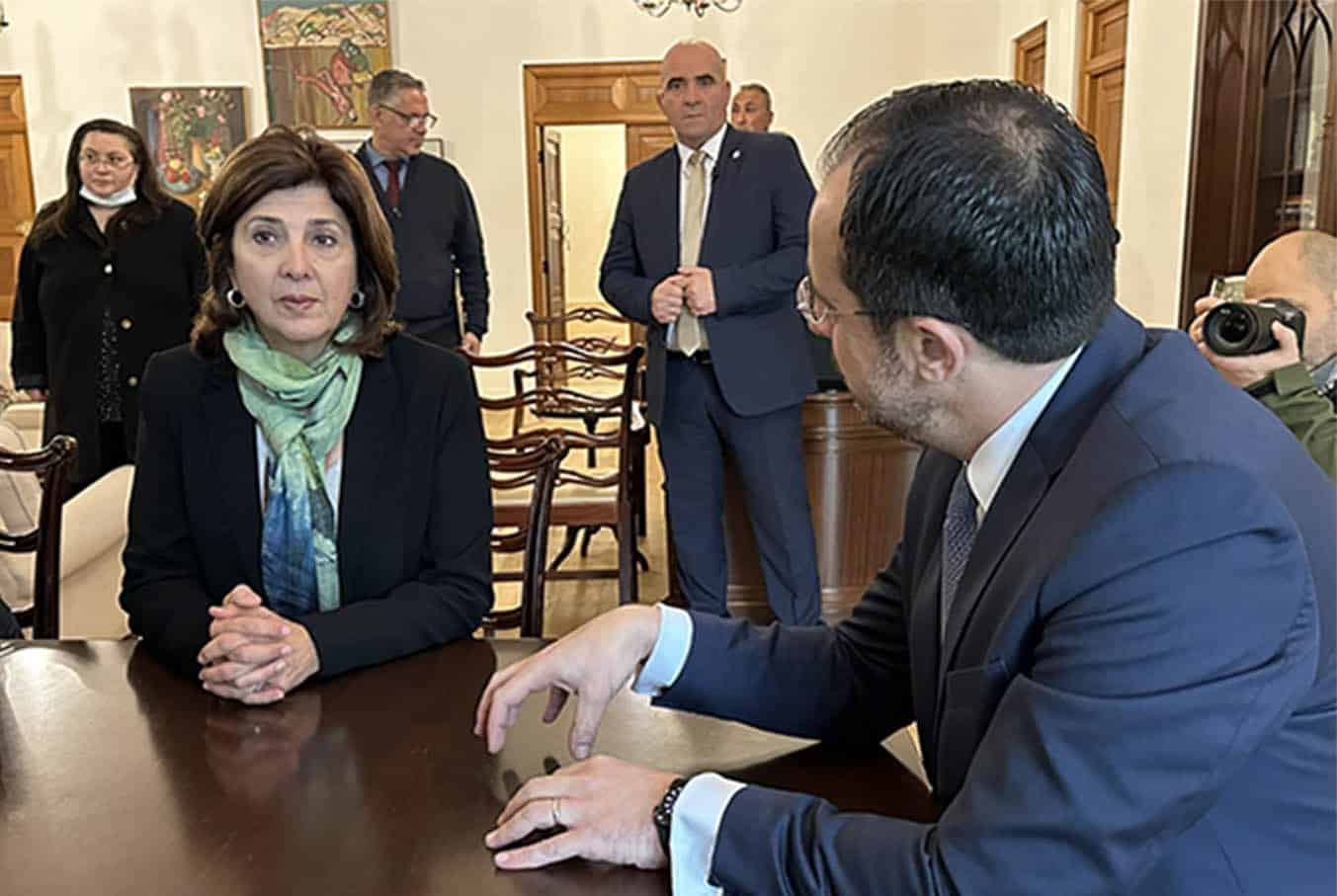
– President Christodoulides and Holguín had a meeting where they reviewed the week’s developments while Holguín was in Cyprus.
– Their goal is the resumption of talks, which they are working towards step by step.
– Holguín plans to return after visiting some European capitals.
– President Christodoulides expressed a preference not to prejudge or publicly discuss the results of Holguín’s efforts, emphasizing the focus on substance and the goal of resuming talks.

UN envoy may visit European capitals

UN envoy may visit European capitals

– Maria Angela Holguín Cuéllar, the Personal Envoy of the UN Secretary-General, may visit European countries after her meeting with the President of the Republic, Nikos Christodoulides.
– Holguín had a meeting with President Christodoulides at the Presidential Palace that lasted about one hour.
– She expressed satisfaction with her meetings throughout the week and concluded this round of meetings with President Christodoulides.
– Holguín is considering visiting some European capitals in April and may have contacts at the EU level, but she does not have a fixed timetable yet.
– This was the second meeting between Holguín and President Christodoulides during her stay on the island.
– Holguín is expected to leave the island on Sunday, but a close collaborator of hers will stay in Cyprus to act as her “eyes and ears.”
– During her stay in Cyprus, Holguín met with political parties, professional organizations, and representatives of civil society from both communities.

Holguin to meet Disy leader

Holguin to meet Disy leader

UN Secretary General’s personal envoy Maria Holguin is on her second visit to Cyprus, where she will continue her meetings. She is scheduled to meet with the head and members of the Cyprus Chamber of Commerce and Industry in Nicosia and with Disy party leader Annita Demetriou. President Nikos Christodoulides mentioned a forthcoming meeting with Holguin and expressed willingness to meet Turkish Cypriot leader Ersin Tatar in Holguin’s presence. Holguin was appointed by UN Secretary-General Antonio Guterres in January to explore restarting Cyprus talks and has met with the leaders of both communities and the guarantor powers.

President to meet Holguin again on Saturday

President to meet Holguin again on Saturday

President Nikos Christodoulides will meet the UN Secretary General’s personal envoy for Cyprus, Maria Holguin, on Saturday. This meeting is a part of the second round of contacts aimed at finding common ground to restart negotiations on the Cyprus problem. Both sides have shown willingness to explore solutions, which is seen as a positive sign. During her visit, Holguin met with party leaders Nicholas Papadopoulos of Diko and Stefanos Stefanou of Akel. Papadopoulos emphasized that the solution to the Cyprus issue must be based on UN resolutions, high-level agreements, and a bizonal bicommunal federation. He expressed concerns about the Turkish side’s reluctance to restart negotiations, fearing a push towards a two-state solution or recognition of the pseudo state. Stefanou highlighted the need to adhere to the agreed basis for a solution and the importance of resuming negotiations from where they were suspended in 2017. He also mentioned the need for a positive agenda towards Turkey and the Turkish Cypriots, including incentives related to energy issues.

Daily News Briefing

Daily News Briefing

In a meeting with President Nikos Christodoulides, the UN secretary-general’s personal envoy Maria Holguin mentioned that “a lot of ideas” were discussed. Additionally, an ecclesiastical court is set to convene within the week concerning two monks implicated in an alleged sex and cash scandal. Foreign Minister Constantinos Kombos is scheduled to travel to Lebanon on Tuesday to meet with his counterpart Abdallah Bou Habib.

Christodoulides to meet UN envoy Holguin

Christodoulides to meet UN envoy Holguin

President Nikos Christodoulides of Cyprus is scheduled to meet with Maria Holguin, the UN Secretary General’s personal envoy, to discuss specific issues and receive updates. Foreign Minister Constantinos Kombos emphasized that any discussions with the Turkish Cypriot side would remain within the UN framework. Christodoulides mentioned that Holguin’s visit, which is expected to last about a week to ten days, will not be limited to a single meeting. Holguin is also set to meet with Turkish Cypriot leader Ersin Tatar. The president expressed hope for positive developments towards resuming talks, following discussions with European Commission President Ursula von der Leyen and Holguin’s other contacts, including in Brussels.

We have made so many mistakes since the 1940s

We have made so many mistakes since the 1940s

Leontios Ierodiakonou, in his analysis of the Cyprus problem, highlights the decision-making failures of Cyprus’s first two presidents following the Turkish invasion. He attributes these failures to various factors, including fear of losing popularity, protecting political careers, and personal interests, which hindered the ability to make difficult but necessary decisions. This approach led to setting unattainable targets that ultimately benefited Turkey by perpetuating a stalemate and allowing the consolidation of the invasion’s outcomes. Ierodiakonou also revisits historical instances, such as Makarios’s rejection of constitutional revisions agreed upon with the Turkish Cypriots and Spyros Kyprianou’s rejection of international plans for settlement, to illustrate missed opportunities for resolving the Cyprus problem.