What happens after ICC prosecutor seeks warrants in Israel-Gaza conflict?
What happens after ICC prosecutor seeks warrants in Israel-Gaza conflict?

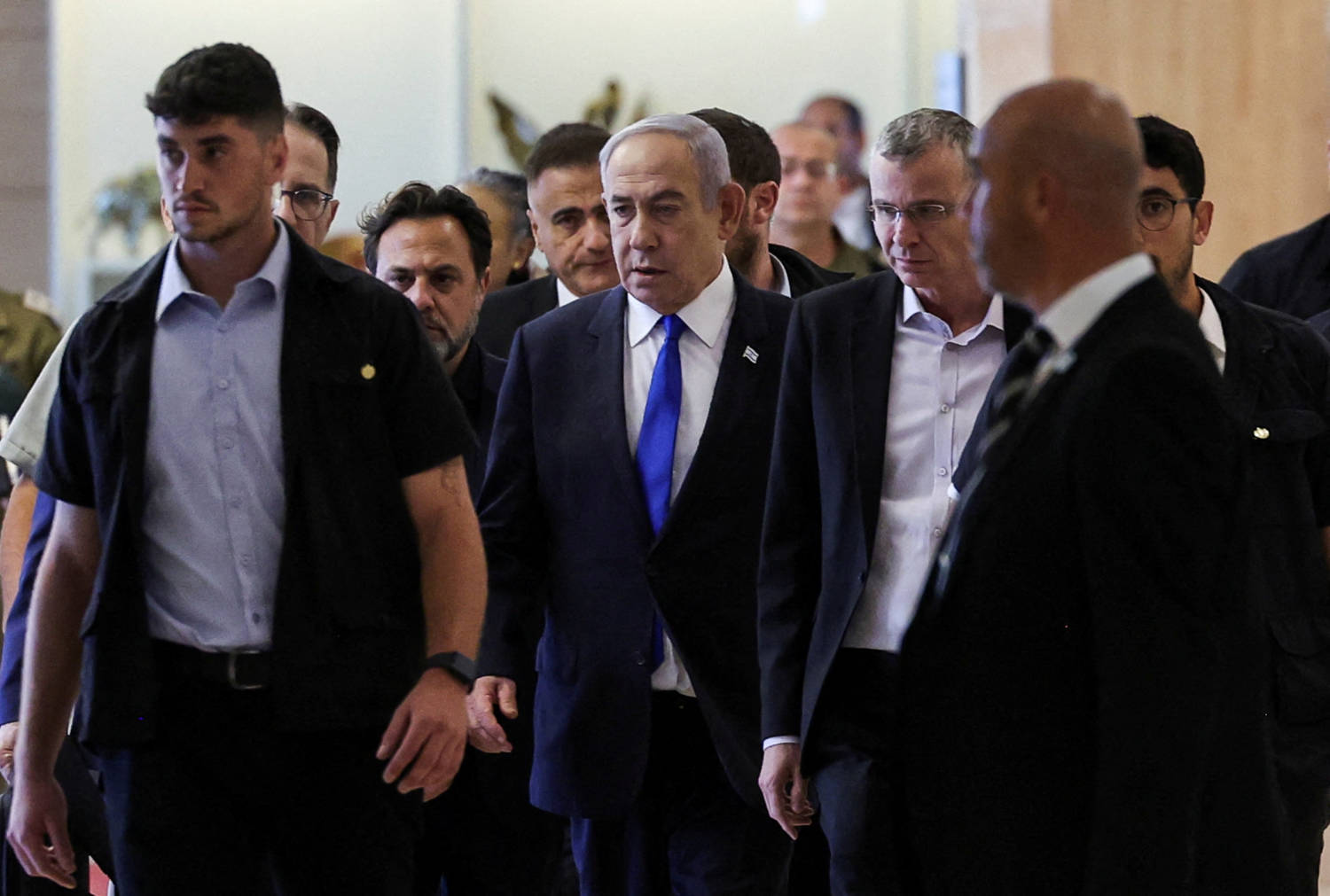
The International Criminal Court prosecutor’s office has requested arrest warrants for Israeli Prime Minister Benjamin Netanyahu and his defence chief, as well as three Hamas leaders, for alleged war crimes and crimes against humanity. The request will be reviewed by a pre-trial chamber composed of three magistrates, who will decide whether to issue the arrest warrants. If issued, the individuals could be arrested if they travel to an ICC signatory state, but the court itself has no means to enforce an arrest. The application for warrants may indirectly influence other court cases and legal challenges related to Gaza.

Threat from Israeli operations preventing Rafah crossing aid deliveries, says Egypt

Threat from Israeli operations preventing Rafah crossing aid deliveries, says Egypt

The cessation of aid deliveries through the Rafah crossing between Egypt and the Gaza Strip is due to the threat posed by Israel’s military operations in the area. Israel’s military offensive has caused activity to stop at the crossing since May 7, leaving international aid stuck on the Egyptian side of the border and raising concerns about food supplies perishing. Egypt’s foreign minister, Sameh Shoukry, has called for Israel to open other land crossings to deliver aid.

Israel pushes further into parts of north Gaza; new cracks in Netanyahu coalition

Israel pushes further into parts of north Gaza; new cracks in Netanyahu coalition

Israeli troops and tanks entered parts of the northern Gaza Strip, killing and wounding dozens of Palestinians. The Israeli forces also took over ground in Rafah, a city by the Egyptian border. Benny Gantz threatened to resign if Netanyahu does not agree to a post-war plan for Gaza by June 8. The recovery of the body of a hostage taken by Hamas triggered the latest incursions. Israeli forces have continued operations in Gaza, conducting precise operations against terrorists and infrastructure. Netanyahu has faced criticism for failing to articulate an endgame in the war. Gantz proposed a six-point plan for Gaza’s civil administration. The strain on Israel’s coalition has increased, with demands for clarity on post-war plans. Armed groups attacked Israeli forces in Jabalia and Rafah, resulting in casualties on both sides. Israel’s military reported 281 soldiers killed in fighting, while over 35,000 Palestinians have been killed in Israeli strikes. UNRWA stated that nearly 800,000 Palestinians have fled Rafah since the ground operation began. Israel aims to capture Rafah to destroy Hamas and ensure security.

Fierce fighting in northern Gaza as Israel faces World Court challenge

Fierce fighting in northern Gaza as Israel faces World Court challenge

Israeli forces engaged in fierce battles with Hamas fighters in Jabalia, Gaza, while militants attacked tanks in Rafah. The U.S. military started delivering humanitarian aid in Gaza. Residents reported destruction in Jabalia, with homes and shops being demolished. The Israeli Defense Forces claimed to have killed over 60 militants in recent days. The conflict has led to widespread hunger and a collapsed medical system in Gaza. Over 630,000 people have been displaced in Rafah since the military offensive started. Israel is facing accusations of violating the Genocide Convention in Gaza.

Western nations urge Israel to comply with international law in Gaza

Western nations urge Israel to comply with international law in Gaza

A group of Western nations, including G7 countries, signed a letter urging Israel to comply with international law in Gaza and address the humanitarian crisis. The letter expressed opposition to a full-scale military operation in Rafah and called for increased humanitarian aid to reach the population. Israel denied blocking aid and said it needs to eliminate Hamas for its own protection. The Western nations also called for a sustainable ceasefire and the resumption of essential services in Gaza.

US anchors aid pier to Gaza beach but distribution plans uncertain

US anchors aid pier to Gaza beach but distribution plans uncertain

The United States has anchored a temporary floating pier to a beach in Gaza to boost aid deliveries, facing challenges in distributing assistance due to a dire shortage of fuel for aid trucks and security concerns. Trucks carrying humanitarian aid are expected to begin moving ashore soon, but there are still unresolved challenges. The pier project, costing 0 million, aims to combat the humanitarian crisis in Gaza by opening a sea route for aid delivery. Israel and Hamas have been engaged in a seven-month-long war, with the U.N. losing staff members in the conflict. Aid access in Gaza has dwindled, and a severe fuel shortage may impact aid operations. The U.S.-delivered aid will follow a complex path, involving inspections by Israel, third-party collection and distribution by the U.N. officials, and security concerns in the region. Discussions between the U.S. and the U.N. on aid delivery from the pier are ongoing.

US aid pier for Gaza floats into wartime reality

US aid pier for Gaza floats into wartime reality

The United States is working on establishing a floating pier off the coast of the Gaza Strip to improve aid deliveries, facing challenges such as fuel shortages and security concerns. The project has been slow and expensive, with the U.N. emphasizing that land routes remain crucial for aid operations. Aid deliveries via the maritime corridor have begun, with plans for U.S.-delivered aid to be collected by third parties and distributed by the U.N. Israel has been accused of impeding aid deliveries, but denies any constraints on operations.

Palestinians mark 1948 Nakba in the shadow of war in Gaza

Palestinians mark 1948 Nakba in the shadow of war in Gaza

Palestinians commemorated the 1948 “Nakba” on Wednesday, marking the time when hundreds of thousands were dispossessed of their homes in the war at the birth of the state of Israel. The Nakba has been a defining experience for Palestinians for more than 75 years, shaping their national identity. This year’s commemoration focused on the plight of around two million Palestinians in Gaza, most living in temporary shelters after being displaced by the Israeli campaign. More than 5.9 million Palestinians are currently registered as refugees in various locations, including refugee camps that have grown into urban townships. Events marking the Nakba anniversary were also held in Ramallah, where a student was killed in a clash with Israeli forces.

Criminal gangs, profiteers thrive in Gaza as cash shortage worsens misery

Criminal gangs, profiteers thrive in Gaza as cash shortage worsens misery

A shortage of banknotes in Gaza is causing chaos, with only a few ATMs operational in the southern city of Rafah. Residents are facing long waits and sometimes paying fees to access cash, as armed gangs exploit the situation. The conflict has led to a lack of liquidity in the enclave, with hundreds of millions of shekels stuck in bank vaults. Essential goods remain scarce, and some merchants are profiteering from the shortage by charging high commissions. Gaza’s economy relies heavily on Israel, which has blocked cash imports since the start of the war.

Israeli forces push into Gaza from north and south

Israeli forces push into Gaza from north and south

Israeli forces have re-entered the northern edge of Gaza to prevent fighters from returning, resulting in intense fighting on both the northern and southern edges of the enclave. Hundreds of thousands of Palestinians have fled, and aid groups warn of a looming humanitarian crisis. The death toll has surpassed 35,000, with many more feared buried under rubble. Israel’s assault on Rafah has strained its relationship with the United States, leading to a temporary hold on weapon shipments. Hamas fighters are engaged in battles with Israeli forces in various areas of Gaza.