Gaza aid deliveries drop by two-thirds since Israel’s move into Rafah, UN says

Gaza aid deliveries drop by two-thirds since Israel’s move into Rafah, UN says

The United Nations has reported a significant drop in humanitarian aid entering Gaza since Israel began its military operation in the region. The daily average of aid trucks reaching Gaza dropped by 67%, with only 58 trucks reaching the area from May 7 to Tuesday. Israel has stated that it is committed to facilitating the entry of humanitarian aid into Gaza despite ongoing conflict with Hamas.

More aid trucks expected to roll into Gaza

More aid trucks expected to roll into Gaza

Israel allowed around 200 aid trucks into Gaza through the Kerem Shalom crossing, bypassing the blocked Rafah crossing. The aid shipments were agreed upon between U.S. President Joe Biden and Egyptian President Abdel Fattah al-Sisi. Israel is facing pressure to provide more aid to Gaza after months of conflict causing destruction and hunger. The Rafah crossing has been closed for almost three weeks, with Egypt refusing to open its side. Israel has opened new crossing points and is cooperating with the United States to distribute supplies. Israeli strikes in Rafah have killed at least five Palestinians, with ongoing operations to root out Hamas fighters and rescue hostages. Efforts to agree on a ceasefire and return hostages have been ongoing, with some movement after meetings between Israeli and U.S. intelligence officials and the prime minister of Qatar. Hamas demands the complete and permanent end of aggression in all of Gaza, not just Rafah. Israel insists the war will not end until Hamas is eliminated.

US anchors aid pier to Gaza beach but distribution plans uncertain

US anchors aid pier to Gaza beach but distribution plans uncertain

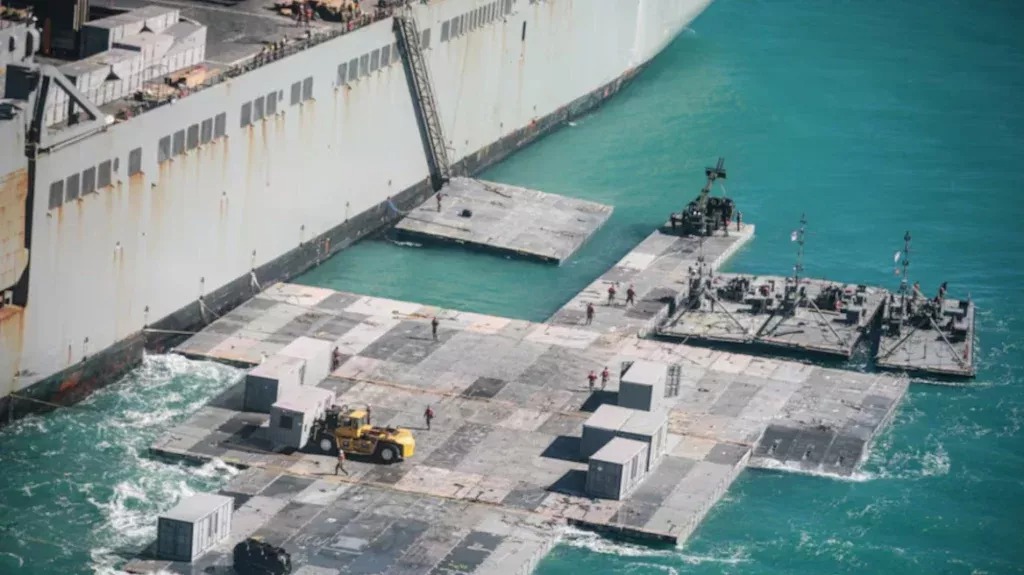
The United States has anchored a temporary floating pier to a beach in Gaza to boost aid deliveries, facing challenges in distributing assistance due to a dire shortage of fuel for aid trucks and security concerns. Trucks carrying humanitarian aid are expected to begin moving ashore soon, but there are still unresolved challenges. The pier project, costing 0 million, aims to combat the humanitarian crisis in Gaza by opening a sea route for aid delivery. Israel and Hamas have been engaged in a seven-month-long war, with the U.N. losing staff members in the conflict. Aid access in Gaza has dwindled, and a severe fuel shortage may impact aid operations. The U.S.-delivered aid will follow a complex path, involving inspections by Israel, third-party collection and distribution by the U.N. officials, and security concerns in the region. Discussions between the U.S. and the U.N. on aid delivery from the pier are ongoing.

US aid pier for Gaza floats into wartime reality

US aid pier for Gaza floats into wartime reality

The United States is working on establishing a floating pier off the coast of the Gaza Strip to improve aid deliveries, facing challenges such as fuel shortages and security concerns. The project has been slow and expensive, with the U.N. emphasizing that land routes remain crucial for aid operations. Aid deliveries via the maritime corridor have begun, with plans for U.S.-delivered aid to be collected by third parties and distributed by the U.N. Israel has been accused of impeding aid deliveries, but denies any constraints on operations.

US-built floating pier for Gaza aid from Cyprus nears completion

US-built floating pier for Gaza aid from Cyprus nears completion

A US-built floating pier in Gaza will be completed soon to help with humanitarian aid shipments from Cyprus. The pier will make it easier to unload aid from ships and transfer it directly to trucks for distribution on land. The route between Cyprus and Gaza is important for delivering international aid.