Rafah crossing can’t reopen unless Israel leaves Gaza, Egypt says

Rafah crossing can’t reopen unless Israel leaves Gaza, Egypt says

The Rafah border crossing cannot operate unless Israel returns control to the Palestinians, according to Egyptian Foreign Minister Sameh Shoukry. Israel took over the crossing last month during its offensive against Hamas in Rafah, which serves as the only connection to the outside world for Gaza’s residents. Shoukry emphasized the importance of the 1979 Egyptian-Israeli peace treaty for regional security and stability. Egypt suggested European monitors at the border if Palestinian authorities resume control. Israel is attempting to destroy tunnels between Gaza and Egypt used by Hamas, but Egypt denies their existence. Shoukry urged Hamas and Israel to accept a ceasefire proposal from U.S. President Joe Biden. Israel has accepted the framework deal for ending the Gaza war but believes it requires more work.

Gaza aid deliveries drop by two-thirds since Israel’s move into Rafah, UN says

Gaza aid deliveries drop by two-thirds since Israel’s move into Rafah, UN says

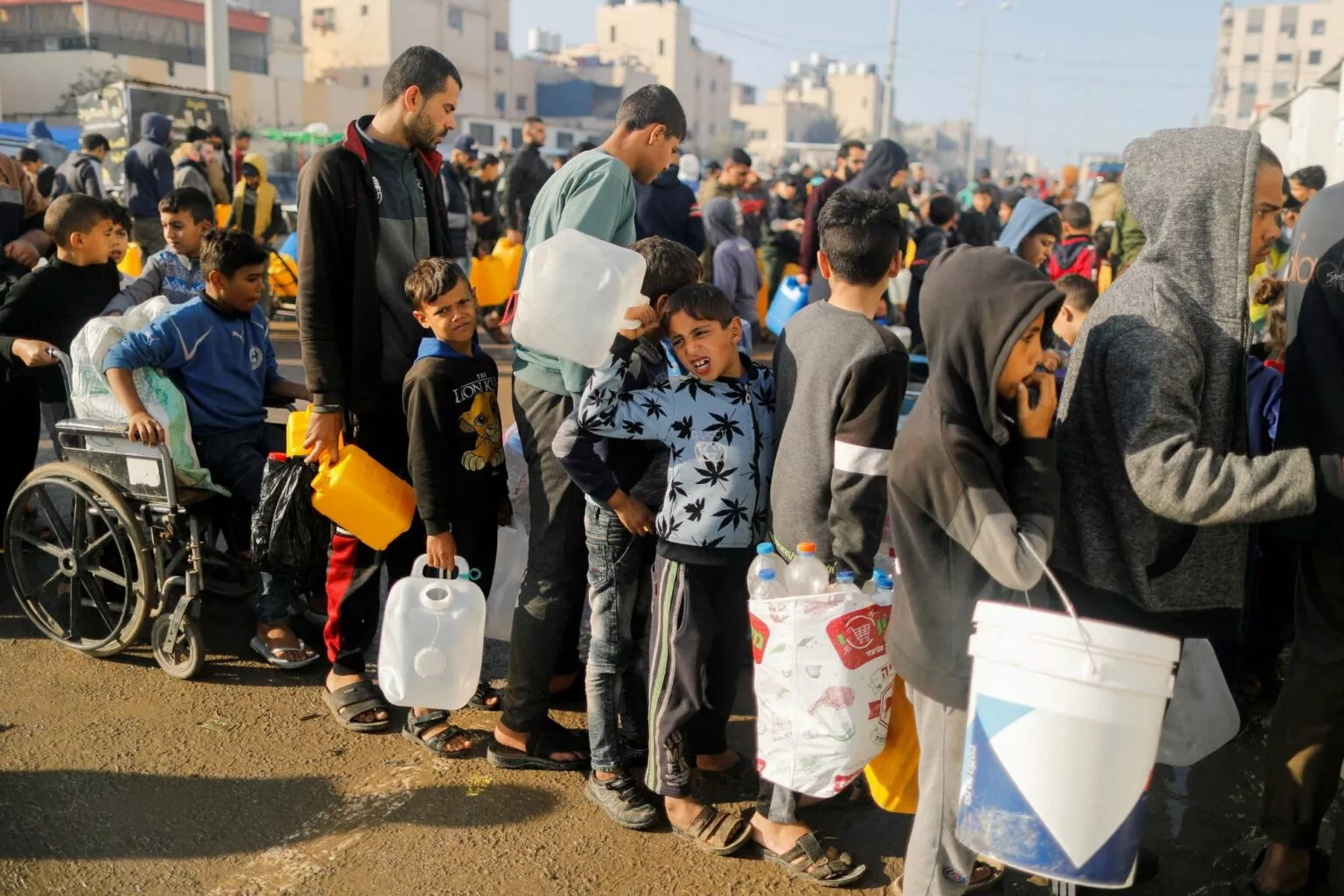
The United Nations has reported a significant drop in humanitarian aid entering Gaza since Israel began its military operation in the region. The daily average of aid trucks reaching Gaza dropped by 67%, with only 58 trucks reaching the area from May 7 to Tuesday. Israel has stated that it is committed to facilitating the entry of humanitarian aid into Gaza despite ongoing conflict with Hamas.

More aid trucks expected to roll into Gaza

More aid trucks expected to roll into Gaza

Israel allowed around 200 aid trucks into Gaza through the Kerem Shalom crossing, bypassing the blocked Rafah crossing. The aid shipments were agreed upon between U.S. President Joe Biden and Egyptian President Abdel Fattah al-Sisi. Israel is facing pressure to provide more aid to Gaza after months of conflict causing destruction and hunger. The Rafah crossing has been closed for almost three weeks, with Egypt refusing to open its side. Israel has opened new crossing points and is cooperating with the United States to distribute supplies. Israeli strikes in Rafah have killed at least five Palestinians, with ongoing operations to root out Hamas fighters and rescue hostages. Efforts to agree on a ceasefire and return hostages have been ongoing, with some movement after meetings between Israeli and U.S. intelligence officials and the prime minister of Qatar. Hamas demands the complete and permanent end of aggression in all of Gaza, not just Rafah. Israel insists the war will not end until Hamas is eliminated.

Threat from Israeli operations preventing Rafah crossing aid deliveries, says Egypt

Threat from Israeli operations preventing Rafah crossing aid deliveries, says Egypt

The cessation of aid deliveries through the Rafah crossing between Egypt and the Gaza Strip is due to the threat posed by Israel’s military operations in the area. Israel’s military offensive has caused activity to stop at the crossing since May 7, leaving international aid stuck on the Egyptian side of the border and raising concerns about food supplies perishing. Egypt’s foreign minister, Sameh Shoukry, has called for Israel to open other land crossings to deliver aid.

Criminal gangs, profiteers thrive in Gaza as cash shortage worsens misery

Criminal gangs, profiteers thrive in Gaza as cash shortage worsens misery

A shortage of banknotes in Gaza is causing chaos, with only a few ATMs operational in the southern city of Rafah. Residents are facing long waits and sometimes paying fees to access cash, as armed gangs exploit the situation. The conflict has led to a lack of liquidity in the enclave, with hundreds of millions of shekels stuck in bank vaults. Essential goods remain scarce, and some merchants are profiteering from the shortage by charging high commissions. Gaza’s economy relies heavily on Israel, which has blocked cash imports since the start of the war.

Israeli forces push into Gaza from north and south

Israeli forces push into Gaza from north and south

Israeli forces have re-entered the northern edge of Gaza to prevent fighters from returning, resulting in intense fighting on both the northern and southern edges of the enclave. Hundreds of thousands of Palestinians have fled, and aid groups warn of a looming humanitarian crisis. The death toll has surpassed 35,000, with many more feared buried under rubble. Israel’s assault on Rafah has strained its relationship with the United States, leading to a temporary hold on weapon shipments. Hamas fighters are engaged in battles with Israeli forces in various areas of Gaza.

WTI edges up to $78.50 after Israeli strike on Rafah

WTI edges up to $78.50 after Israeli strike on Rafah

– West Texas Intermediate (WTI) crude oil was up slightly and hovering around .50 a barrel in Asian trading on Tuesday following Israel’s strike on Rafah in Gaza.
– Israeli forces targeted Rafah on Gaza’s southern edge through air and ground attacks, leading to concerns about potential disruptions in crude supplies from the region.
– Hamas accepted a ceasefire proposal from mediators, but Israel rejected the terms.
– Analyst forecasts suggested that crude oil and product stockpiles in the United States were anticipated to have declined last week.
– US President Joe Biden’s energy adviser stated that the US has ample oil supply in the Strategic Petroleum Reserve (SPR) to address any supply-related worries.
– The SPR remains close to 40-year lows despite the largest-ever sale of 180 million barrels following Russia’s invasion of Ukraine.
– The Biden administration has halted the repurchase of oil for the reserve due to crude trading above the targeted price of .00 per barrel.