Somali pirates’ return adds to crisis for global shipping companies

Somali pirates’ return adds to crisis for global shipping companies

A speed boat carrying more than a dozen Somali pirates attacked a Bangladeshi-owned bulk carrier in the western Indian Ocean, taking the captain and second officer hostage. The ship, named the Abdullah, later anchored off the coast of Somalia. This incident is part of a resurgence of piracy in the region, with more than 20 attempted hijackings since November. The increase in piracy has led to higher costs for shipping companies due to the need for armed security guards, insurance coverage, and the potential for ransom payments. The Indian Navy recently intercepted and freed another hijacked ship, the Ruen, capturing 35 pirates and rescuing 17 hostages without injuries. The resurgence of piracy is attributed to a reduction in international naval operations off the coast of Somalia and the distraction provided by Houthi militia strikes in nearby waters. Somali President Hassan Sheikh Mohamud emphasized the importance of stopping piracy early to prevent it from escalating. The global economy suffered approximately billion in costs due to Somali pirate activities at their peak in 2011. The current rate of attacks is significantly less, but the threat persists, especially with the end of the monsoon season. Insurers have extended the area in which additional war risk premiums are imposed, and the demand for private armed guards has increased, driving up prices. No ransom payments have been reported for the recent hijackings, but negotiations have taken place. International efforts to combat piracy have been hampered by reduced naval patrols and the lapse of a U.N. resolution authorizing foreign vessels to patrol in Somali waters. Somali President Mohamud highlighted the need to bolster Somalia’s law enforcement capacity at sea and on land to contain the piracy threat.

Today, ’s weather: Partly cloudy

Today, ’s weather: Partly cloudy

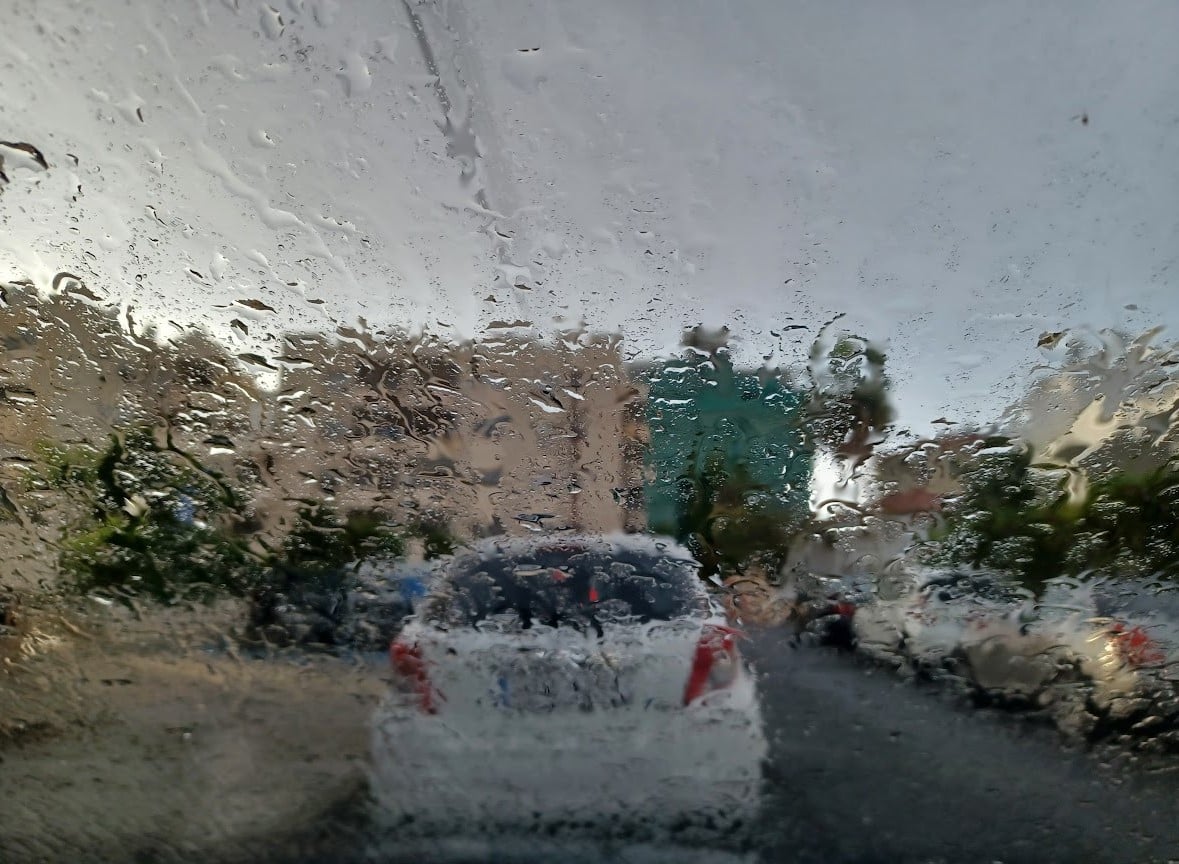
Thursday’s weather is expected to be partly cloudy with the possibility of rain in the west of the island, which may progress further north as the day goes on. Temperatures are expected to reach 20 degrees Celsius inland and on the southwest and west coasts, 21 degrees Celsius on the rest of the coasts, and eight degrees in the mountains. Winds are expected to be moderate, between three and four on the Beaufort scale, across most of the island, with stronger winds possible on the south and east coasts. Overnight, cloud cover will increase, with rain likely on the northern coast. The weather is expected to clear up as the night progresses. Temperatures overnight are expected to drop to eight degrees Celsius inland, nine degrees Celsius on the south and east coasts, 10 degrees Celsius on the north coast, and two degrees in the mountains, where frost is expected to form. Clearer and sunnier weather is expected for Friday, with a slight drop in temperatures continuing through the weekend. Rain is possible on Saturday, with temperatures falling enough that snowfall will be possible in the Troodos mountain range, before temperatures begin to rise again on Sunday.

Massive bug sighted: keep your toes out of the water

Massive bug sighted: keep your toes out of the water

Scientists have identified a giant water bug, known as the toe-biter, along the shores of Cyprus. This species, which inhabits lakes and slow-moving freshwater, had not been previously recorded on the island but is known in neighboring Mediterranean countries such as Greece, Turkey, and Israel. A team of scientists from various institutions in Cyprus, led by Michalis Hadjikosnstantis of the Cyprus Natural Heritage and Biodiversity Protection Society, Yiakoumis Giortzis from the agriculture ministry, and Kadir Boğaç Kunt from the Cyprus Wildlife Research Institute, are studying the species. Their findings were published in the journal Travaux du Muséum National d’Histoire Naturelle Grigore Antipa. The giant water bug is the largest true bug and water insect in Europe, with a diameter of up to 12 cm, and is known for delivering painful bites. Sightings of the bug on the eastern coast of Cyprus were reported in late spring and summer of 2020 and 2021, with a total of seven sightings recorded: five from social media and two after direct communication with the researchers. Two samples were taken and morphologically examined to verify the species. The sudden appearance of the species in Cyprus may be linked to migratory events from neighboring countries or environmental factors. Further investigation is required to determine if the species has become established on the island.

Today, ’s weather: Yellow warning for storms

Today, ’s weather: Yellow warning for storms

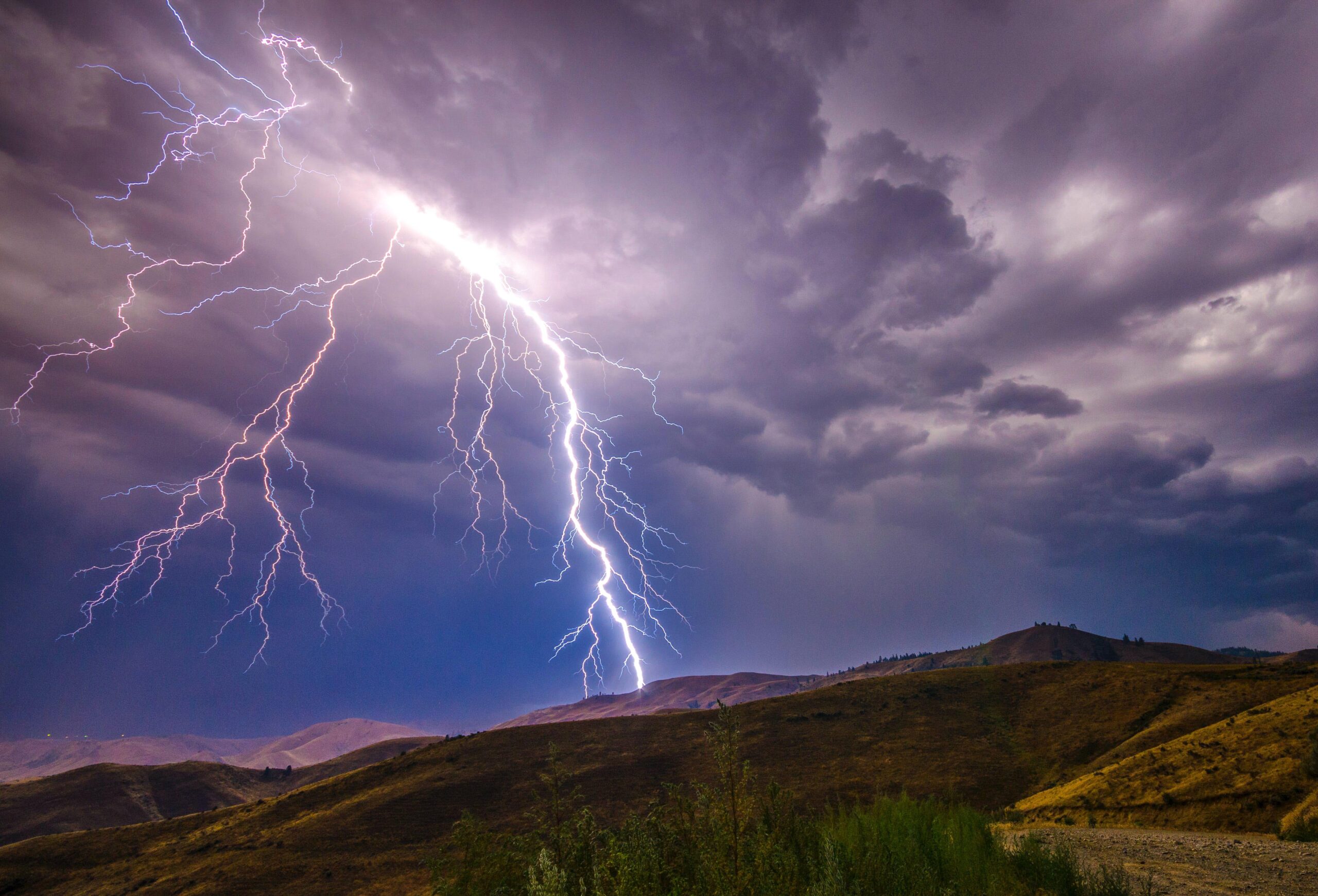
A yellow warning for thunderstorms has been issued for Wednesday by the Department of Meteorology, valid from 11.00am until 5.00pm local time. Isolated thunderstorms with a chance of hail are expected, with precipitation rates exceeding 35 millimeters per hour. Rain and isolated thunderstorms will initially affect mainly the west and north, gradually moving to other parts. Temperatures will reach up to 20C in the interior and on the north coasts, 21C on the south-east and east coasts, 19C on the remaining coasts, and 9C in the higher mountains. Winds will be south- to north-westerly, light to moderate up to 4 Beaufort, and locally strong to very strong, up to 6 Beaufort. The sea will be rough. Overnight, isolated showers are expected on the west and south coasts, with thin fog forming inland. Temperatures will drop to 9C in the interior and on the northern coasts, 12C on the west coast, 11C on the remaining coasts, and 3C in the higher mountains, where frost is expected. Winds will be mainly south- to north-westerly, light to moderate, up to 4 Beaufort. The sea will turn slightly rough to calm. Thursday and Friday will see afternoon rains mainly in the northeast, the mountains, and inland, with similar weather forecast into the weekend, including a chance of a brief storm in the mountains and the southeast. Temperatures are expected to gradually drop to slightly below average for the season.

Tanker capsizes off coast of Japan, seven deaths confirmed, media reports

Tanker capsizes off coast of Japan, seven deaths confirmed, media reports

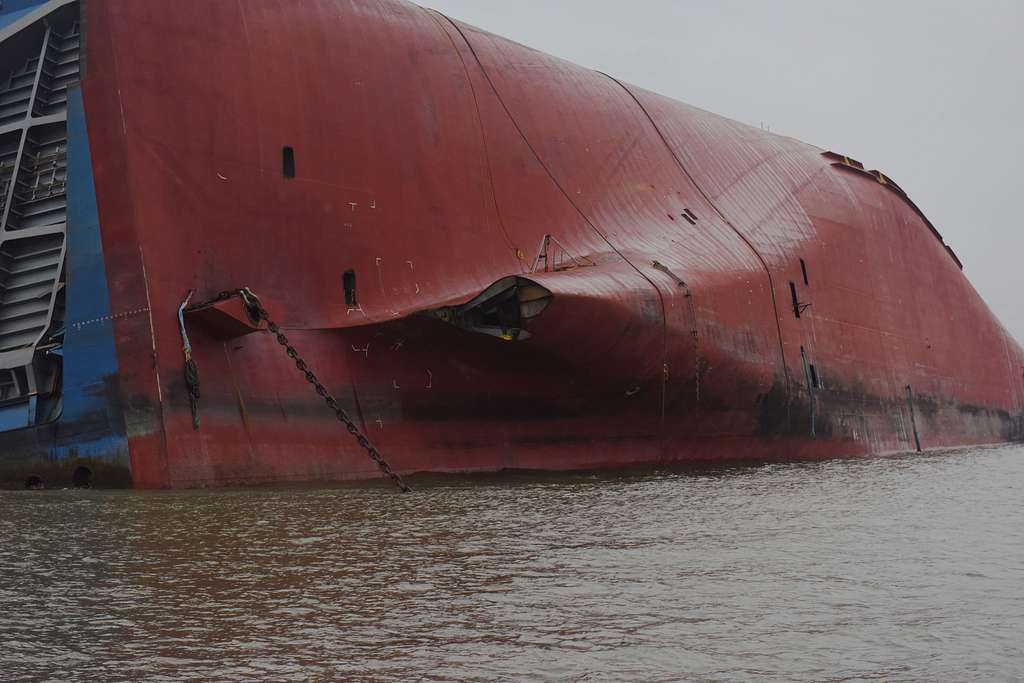
A South Korean-flagged chemical tanker, the Keoyoung Sun, capsized off the coast of Yamaguchi prefecture in western Japan, resulting in seven confirmed deaths. The tanker was anchored due to bad weather and requested assistance after reporting it was tilting. It had 11 crew members aboard, with nine retrieved and seven confirmed dead. Rescue operations are ongoing for the remaining two crew members. The tanker was carrying 980 tonnes of acrylic acid, but no spillage has been detected.

Food aid from Cyprus reaches starving people in northern Gaza, says charity

Food aid from Cyprus reaches starving people in northern Gaza, says charity

– A U.S.-based charity reported that nearly 200 tons of food aid reached northern Gaza, having been shipped from the Cypriot port of Larnaca.
– The charity involved is World Central Kitchen (WCK), in collaboration with the United Arab Emirates and Spanish charity Open Arms.
– The food was transported over a 200-mile sea route from Larnaca to Gaza and arrived off Gaza’s coast on Friday, with delivery completed on Tuesday by a convoy of eight trucks from the World Food Programme (WFP).
– The delivered aid is equivalent to half a million meals.
– A U.N.-backed report indicated that famine is “imminent” in northern Gaza, affecting some 300,000 people, with 1.1 million people across Gaza facing “catastrophic hunger.”
– A second shipment of 240 tons of food is prepared in Larnaca, awaiting departure based on weather conditions.
– WCK has expressed readiness to send weekly food shipments to Gaza with international support.
– Aid agencies have highlighted that the amount of food that can be delivered by sea is insufficient for the needs in Gaza and have called for more aid to be allowed in by road.
– Cyprus supports the WCK initiative and plans to coordinate further aid, hosting discussions with officials from various countries on March 21.

Today, ’s weather: Isolated rains, strong winds

Today, ’s weather: Isolated rains, strong winds

Tuesday’s weather will be partly cloudy with isolated rains expected mainly in the afternoon, including a possibility of a storm, especially in the south. Temperatures will reach up to 23°C inland, 21°C on the coast, and 12°C in the higher mountains. Winds will be south- to north-westerly, moderate to strong, reaching up to 5 Beaufort, and occasionally very strong, up to 6 Beaufort. The sea will be rough.

Overnight, the weather will mostly clear up but with temporary increases in cloudiness. Temperatures will fall to 9°C in the interior, 15°C on the west coast, 12°C on the other coasts, and 4°C in the higher mountains, where frost is expected. Winds will be south-westerly to north-westerly, moderate, up to 4 Beaufort, and transiently strong on the coast, up to 5 Beaufort. The sea conditions will remain rough.

The forecast for Wednesday includes local rains and isolated storms. Thursday and Friday are expected to be overcast at times with afternoon rains, mainly in the mountains. Temperatures will stay at similar levels, slightly above the seasonal average.

The future of work: Why we need to think beyond the hype of the four-day week

The future of work: Why we need to think beyond the hype of the four-day week

Since the 19th century, the number of hours spent at work has been steadily declining in developed countries. The four-day week emerged in the 90s as a demand for a more equal division of work, developed in 1993 by French economist Pierre Larrouturou and tested in 1996 with France’s de Robien law. Antoine Riboud, CEO of Danone, supported the idea, and Volkswagen adopted the four-day week in 1994 but abandoned it in 2006. The Covid crisis renewed interest in the four-day week, with 56% of British employees willing to earn less for more free time. New Zealand introduced a four-day week post-pandemic to boost productivity and work-life balance, with Japan and several companies, including Hitachi and Microsoft, following suit. Belgium and the Nordic countries implemented a model where working hours are concentrated over four days without salary reduction. In contrast, Southern Europe, including Spain and Portugal, has explored a 32-hour week aiming to maintain productivity by reducing unproductive time. The concept of the four-day week challenges traditional work paradigms and suggests a shift towards valuing personal and collective fulfillment over individual success.

Met office issues yellow weather warning for Green Monday

Met office issues yellow weather warning for Green Monday

The met office issued a yellow weather warning for Green Monday due to expected isolated showers throughout the day, with isolated storms more likely in the mountains and eastern areas of the island. Temperatures are anticipated to reach 21 degrees Celsius inland and on the coast, and nine degrees Celsius in the mountains. The weather warning is in effect until 6pm. Evening temperatures are expected to drop to 13 degrees on the eastern coasts, 12 degrees on the rest of the coast, and three degrees in the mountains. On Tuesday, the weather is forecasted to be mostly cloudy with a chance of isolated storms.

The Cypriot village with a language of its own

The Cypriot village with a language of its own

Tom Cleaver visited Kormakitis, a Maronite village in Cyprus, known for its unique language, Sanna, which is a derivative of Arabic brought to the island around 1,200 years ago from Mesopotamia. Kormakitis, once the largest of four majority-Maronite villages, has around 300 residents and is located in Cyprus’ northwestern corner. The village is significant as the spiritual capital of Maronite Cypriots, who are in full communion with the Catholic Church of Rome. The local church features two boxy cuboid bell towers and an interior with a statue of Saint George and writing in the Syriac script. The visit was organized by the Cyprus Bilingualism Association and the Cyprus Linguistics Society to highlight the linguistic uniqueness of Kormakitis.