Does Your State Have a Gross Receipts Tax?
Does Your State Have a Gross Receipts Tax?

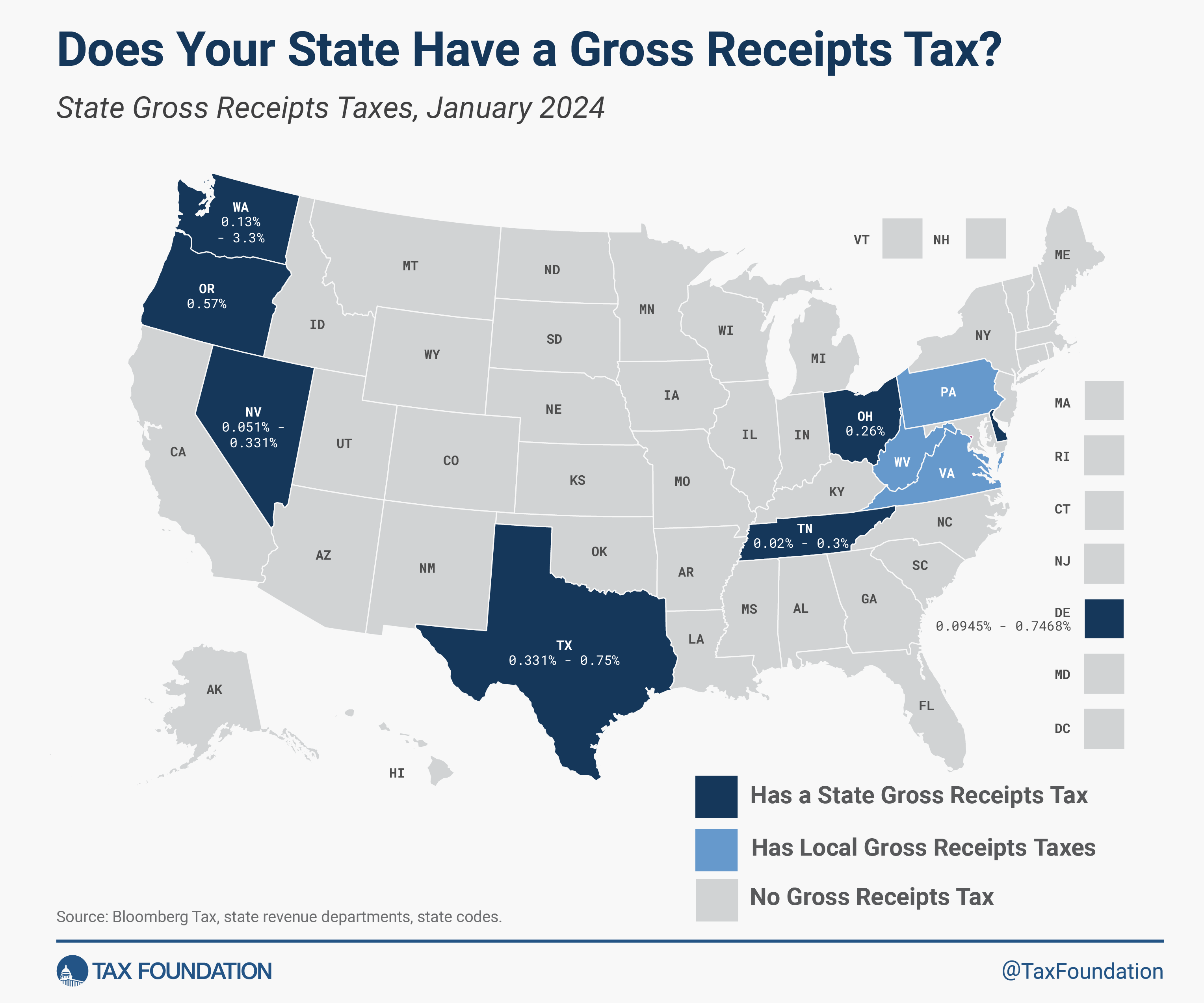
The text discusses gross receipts taxes, which are imposed on businesses based on their gross sales before deducting operating costs. Seven states have a state-level gross receipts tax, while three allow municipalities to assess it locally. Gross receipts taxes have a long history but have fallen out of favor in recent decades. States often differentiate tax rates based on industry or revenue levels. Some states, like Nevada and Washington, have poorly structured gross receipts taxes that are legally problematic. Ohio and Oregon have recently made changes to their gross receipts taxes. Overall, the text argues that gross receipts taxes are harmful and should be replaced with a well-structured corporate income tax.
Government slashes sick leave for civil servants

Government slashes sick leave for civil servants

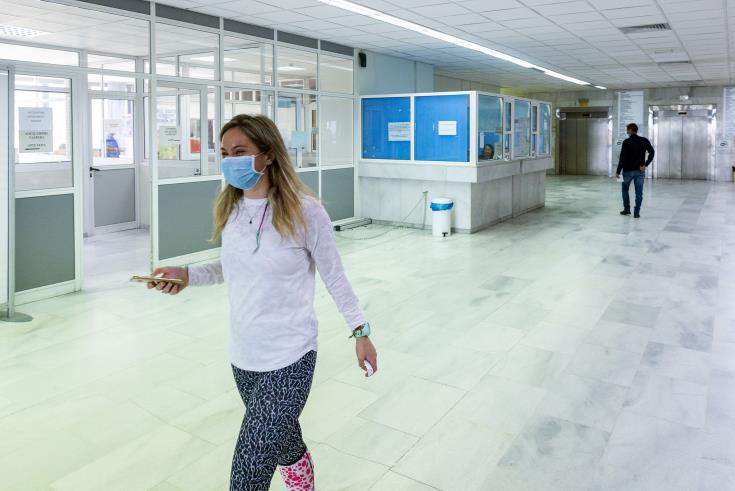
The Cyprus government has decided to reduce sick leave days for civil servants from 42 days to 28 days. The period of absence without a medical certificate has also been reduced from eight days to six days. The government aims to boost productivity and modernize public services. The new regulations include three six-month periods of sick leave extensions for chronic patients, with varying levels of pay. The requirement for approval of sick leave extensions by a medical council has been eliminated. The government has also implemented other measures to reform public services, such as facilitating remote working and introducing flexible work hours. The government has sought assistance from the International Monetary Fund to rationalize the state payroll. The decision to reduce sick leave entitlement was made due to past cases of misuse and the observation that most civil servants do not fully utilize their entitled sick leave days. The government has also approved a policy framework for flexible forms of employment in the public service, including remote work and flexible working hours. Civil servants can work from home certain days of the week or for a continuous period during the year. They can also choose to work reduced hours if covered by the relevant legislation. The extension of flexible working hours from 1½ hours to 2 hours has also been implemented.