We are what we eat: The dangers pesticides pose in the marine environment

We are what we eat: The dangers pesticides pose in the marine environment

Fact: In April 2023, Dr Ime Akanyeti, Dr Beste Oymen, and Enalia Physis Environmental Research Centre started the PestSeaCides project to identify and quantify pesticides in the marine environment of Cyprus.

A transitional period with lots to do in the garden

A transitional period with lots to do in the garden

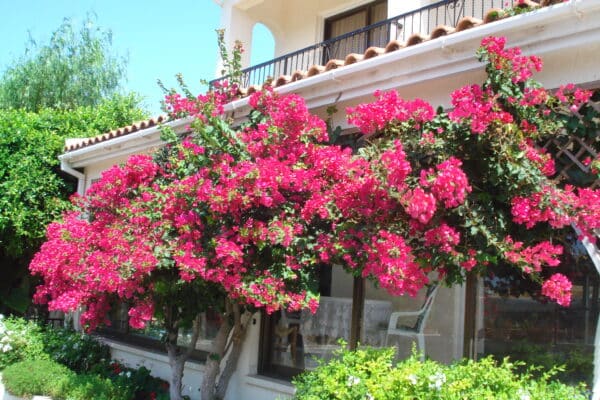
In May, gardens in Cyprus are filled with blooming flowers such as roses, Queen Elizabeth roses, and Texas Ranger shrubs. Fruit trees like oranges, lemons, and olives are popular in gardens, and the last month to feed them with fertilizer is May. Prunus and citrus trees are hermaphrodite and can be affected by diseases like canker. Mediterranean fruit fly is a common problem for fruit trees in Cyprus. Agapanthus and Hemerocallis are popular summer flowering plants, while Bougainvillea is a much-loved climber that grows well in dry and hot conditions. Bougainvillea is known for its brightly-colored bracts and can be challenging to prune.

Environment commissioner advocates rooftop gardens

Environment commissioner advocates rooftop gardens

Fact: Environment Commissioner Antonia Theodosiou suggested creating more rooftop gardens to help mitigate the effects of urban heat islands caused by concrete cities.

A lively time in the garden

A lively time in the garden

Plants are thriving and flowers are blooming in the garden. The calla lily bed is sharing its white flowers, trees are looking fresh with green foliage, and jacarandas and Melia trees are flowering. Echium webbii, ‘Painted Lady’ butterflies, wisteria, and irises are also mentioned as blooming in the garden. Alyogyne huegelii, also known as the ‘Australian hibiscus’ or ‘blue hibiscus,’ is described as an attractive shrub that can grow up to three meters and has light mauve flowers.