A transitional period with lots to do in the garden

A transitional period with lots to do in the garden

In May, gardens in Cyprus are filled with blooming flowers such as roses, Queen Elizabeth roses, and Texas Ranger shrubs. Fruit trees like oranges, lemons, and olives are popular in gardens, and the last month to feed them with fertilizer is May. Prunus and citrus trees are hermaphrodite and can be affected by diseases like canker. Mediterranean fruit fly is a common problem for fruit trees in Cyprus. Agapanthus and Hemerocallis are popular summer flowering plants, while Bougainvillea is a much-loved climber that grows well in dry and hot conditions. Bougainvillea is known for its brightly-colored bracts and can be challenging to prune.

Four myths about vertical farming debunked

Four myths about vertical farming debunked

Fact: Vertical farming is expected to reach a global market value of US.23 billion (£18.55 billion) by 2029.

Ministry offers tips on protecting against venomous snakes

Ministry offers tips on protecting against venomous snakes

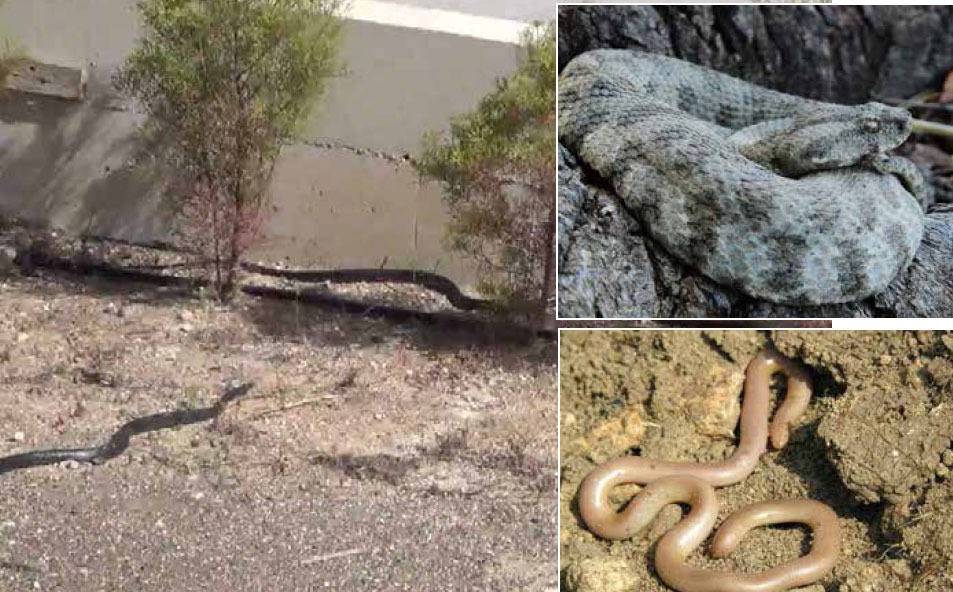
The Ministry of Agriculture, Rural Development, and Environment in Cyprus provides tips on protecting the public from venomous snakes, particularly the blunt-nosed viper. If someone encounters a venomous snake, they should calmly move away and not panic or disturb it. During the summer months, wearing high shoes and long trousers is recommended for protection. If bitten, it is advised to go to the nearest hospital with as few movements as possible. Cyprus has eight snake species, with only the blunt-nosed viper considered dangerous to humans. The Montpellier snake and the cat snake possess venom that is not potent enough to cause serious harm. Snakes play a significant role in maintaining ecological balance by regulating populations of harmful organisms, and their conservation is important.

Larnaca wages war on mosquitoes

Larnaca wages war on mosquitoes

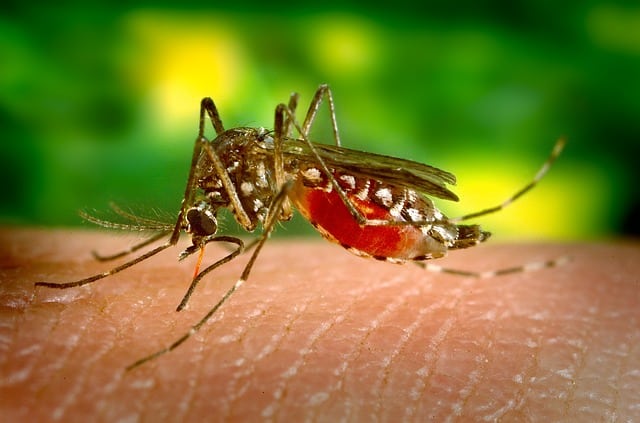
The Larnaca municipality is continuing inspections and spraying of areas with high volumes of mosquitoes. They are placing emphasis on salt lakes, using biological insecticides, and spraying rainwater gates, outdoor pools, and other stagnant water areas. Residents are urged to take measures to prevent mosquito larvae from hatching by avoiding stagnant water and clearing wild vegetation.

Health minister calls for report on warehouse flood

Health minister calls for report on warehouse flood

Fact: A total of 105,401 packages, concerning 149 different pharmaceuticals, were spoiled during the hailstorm at the pharmaceutical services warehouse in Cyprus.

One in five Cypriots suffer from spring allergies

One in five Cypriots suffer from spring allergies

One in five Cypriots suffers from allergic rhinitis, with olive, grass, corn pollen, ragweed pollen, and the fungus Alternaria being common triggers. Respiratory allergies are often hereditary and linked to other allergic conditions, but can also develop in adults. The spring allergy season in Cyprus starts in March and can be influenced by winter weather conditions. House dust mites are another prevalent allergen in Cyprus. Allergic rhinitis can impact quality of life, travel plans, and social activities, and untreated allergies can worsen over time. Pitsios recommends a natural lifestyle and proper treatment for those with allergies. Early exposure to nature can help strengthen the immune system and prevent allergies.

Warehouse flood ruins , €880,000 worth of medicines

Warehouse flood ruins , €880,000 worth of medicines

– Government officials estimated the damage to medicines in the flooded warehouse at €880,000.

‘, Water bug found in Cyprus does not bite toes’

‘, Water bug found in Cyprus does not bite toes’

The giant water bug, scientifically known as Lethocerus patruelis, has been found in Cyprus, particularly prevalent on the east coast of the island, in areas such as Famagusta and near Ayia Napa. It is commonly found in coastal areas by the sea. The Cyprus Wildlife Research Institute director, Kemal Basat, clarified that this insect does not bite human toes or any part of the human body. Research conducted by Kadir Bogac Kunt, which is peer-reviewed, supports this fact. The giant water bug feeds on other aquatic arthropods, tadpoles, and small fish.