Two more desalination plants under consideration

Fact: Construction of two new desalination plants in Limassol and Famagusta is under review due to prevailing drought conditions and water shortage fears.
Fact: Construction of two new desalination plants in Limassol and Famagusta is under review due to prevailing drought conditions and water shortage fears.

Female sea turtles at Parasolia beach in Kiti are facing challenges during the breeding season due to a thick layer of stones from winter storms covering more than half of their nesting area, as well as new sunbeds and umbrellas occupying the rest. The new sunbed renter is obstructing the identification and protection of nests. The Department of Fisheries and Marine Research (DFMR) has been informed about the issue, but there has been no update. The writer has been marking nests with sticks and signs and working with experts to protect them. Local councils and sunbed renters have a negative attitude towards protecting the turtles, despite laws protecting sea turtles, their eggs, and hatchlings on every beach in Cyprus since 1971.

The board of the Electricity Authority of Cyprus (EAC) is set to award contracts for two projects worth €45 million to beef up the electricity transmission system. The EAC’s top priority is the stability of the system and providing uninterrupted power to consumers. The EAC is also working on increasing infrastructure projects to help with the penetration of renewables in the energy mix. The layout of the grid is not to blame for discarding energy generated from renewables, as the cutbacks are due to demand being less than the generated electricity. It is currently unfeasible to have a transmission grid that allows the connection of renewables from anywhere in Cyprus due to the high cost of building a new network. Strengthening transmission lines would require a major investment of hundreds of millions of euros, which consumers would have to pay for. Acquiring permits for new transmission lines also takes a long time.

The Electricity Authority of Cyprus is examining tariff hikes for 2025 and plans to present their proposal to the energy regulator by July. The organization has cash reserves of over €280 million and plans to upgrade the Dhekelia power station at a cost of €110 million.

The Republic of Cyprus is facing a dilemma due to illegal operation of EAC power plants, risking sanctions from the European Commission. The Environment Department has prepared a report for criminal action against EAC. The revision of the Industrial Emissions Directive may allow a derogation for compliance by 2030. The European Commission has requested information on Cyprus’s intent to apply for a derogation. A meeting with relevant stakeholders will decide on the submission of a request and preparation of an action plan for compliance by 2030.

Projects worth €100 million are planned in Larnaca in the coming years.
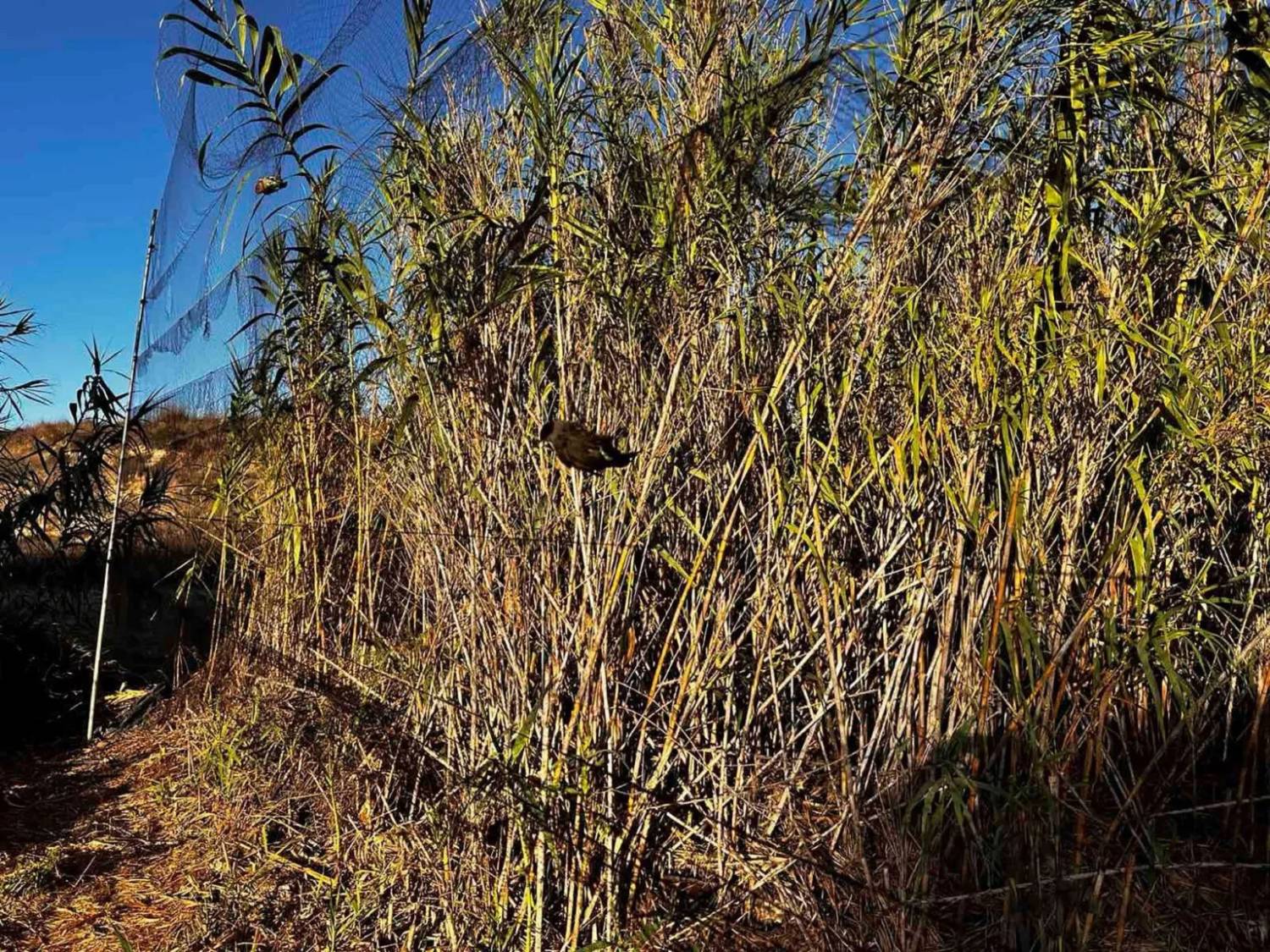
A man in the Dasaki Achnas area was fined two thousand euros for bird trapping offenses after being caught with eight chaffinches, nets, and a bird mimicry device. The British Bases are committed to prosecuting and imposing heavy fines on illegal bird trappers, with joint operations with organizations like CABS continuing to be successful. Officials are planning to enhance surveillance equipment and technology to further combat bird trapping. Since 2016, the Police action plan has nearly eliminated this illegal activity within the British Bases.
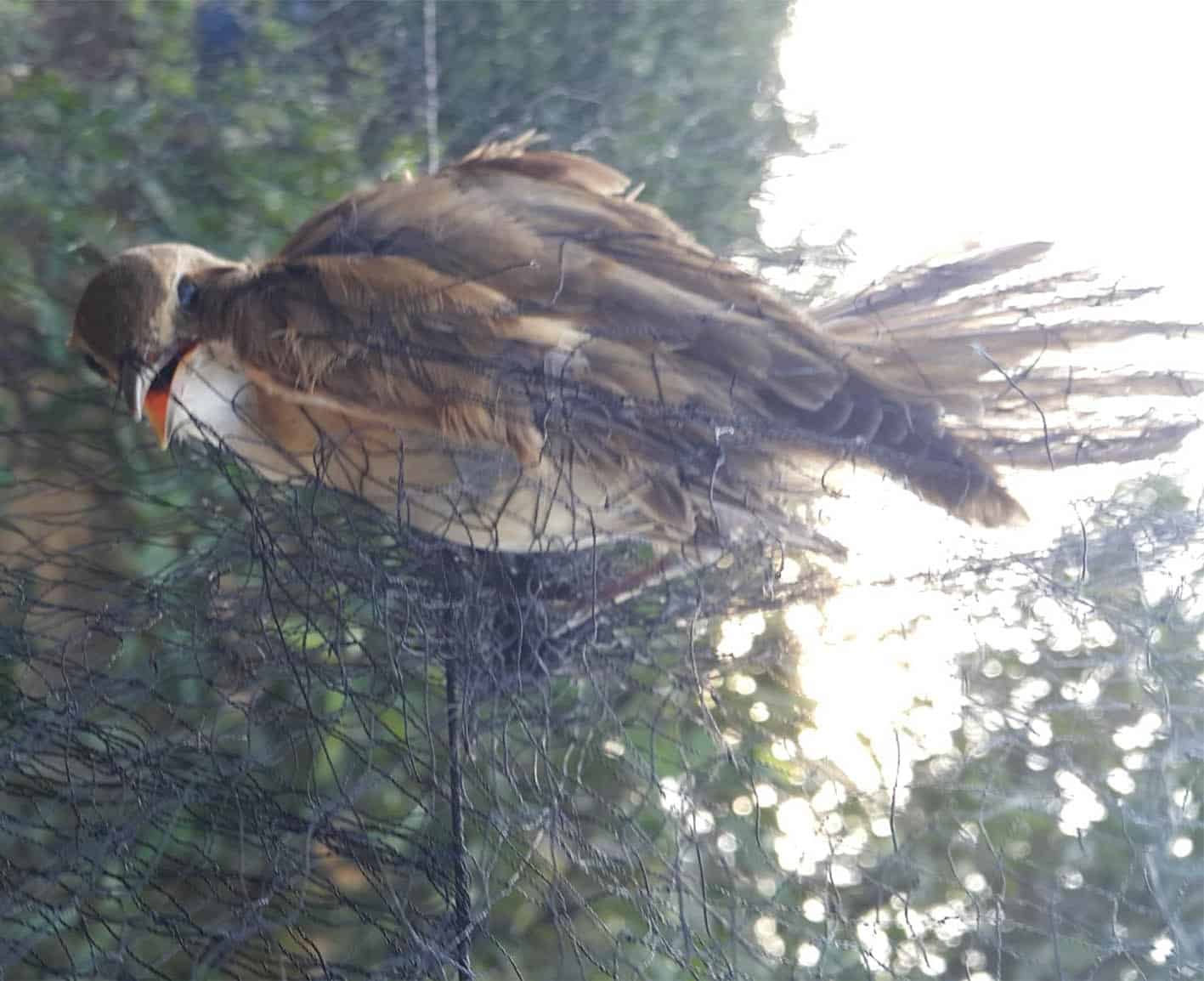
Fact: The crime of bird trapping has been reduced by 94 per cent since the establishment of an action plan in 2016.
Calls for a boycott of Cyprus in response to bird trapping are counterproductive according to a veteran of the anti-trapping campaign. Bird trapping in Cyprus is driven by financial gains, with illegal activities involving the ambelopoulia songbird delicacy generating significant profits. Recent relaxations in hunting laws have effectively decriminalized the use of glue-smeared limesticks for trapping, reducing fines and undermining deterrents. BirdLife Cyprus advocates for promoting birdwatching and nature tourism as sustainable economic alternatives to bird trapping. Despite efforts, convincing decision-makers to prioritize nature tourism and clamp down on bird trapping remains challenging. A boycott could harm the tourism industry without effectively addressing the issue of bird trapping. BirdLife Cyprus emphasizes the importance of continued engagement and reporting of trapping activities to authorities. Trapping levels with mist nets have significantly decreased over the past 20 years, but recent increases in trapping and leniency in penalties are concerning. Over 400,000 birds were killed in autumn 2023, highlighting the ongoing threat to migrant birds. Media coverage of the issue has been extensive, potentially influencing policy responses.

University of Leicester scientists rediscovered 46 ancient sites within the Dhekelia British military base in Cyprus, including evidence of quarries and tombs. These sites span the Bronze Age, Byzantine, Hellenistic, and Roman periods. The discovery was part of an effort to locate around 60 potential archaeological sites documented in the early 1960s. A team conducted a “walkover survey” in the Eastern Sovereign Base Area (ESBA) at Dhekelia, uncovering 51 sites, including five historic buildings. The survey faced challenges due to outdated mapping and incomplete archive information but was successful in rediscovering many sites. The use of remote sensing technologies was suggested to identify more hidden archaeological sites. The survey’s findings, including three coastal quarries with evidence of stone extraction methods and boat-loading facilities, have been integrated into the Defence Infrastructure Organisation’s (DIO) Historic Buildings, Sites, and Monuments Record to protect the historic environment.