WikiLeaks founder Julian Assange allowed to appeal extradition from Britain to US

WikiLeaks founder Julian Assange allowed to appeal extradition from Britain to US

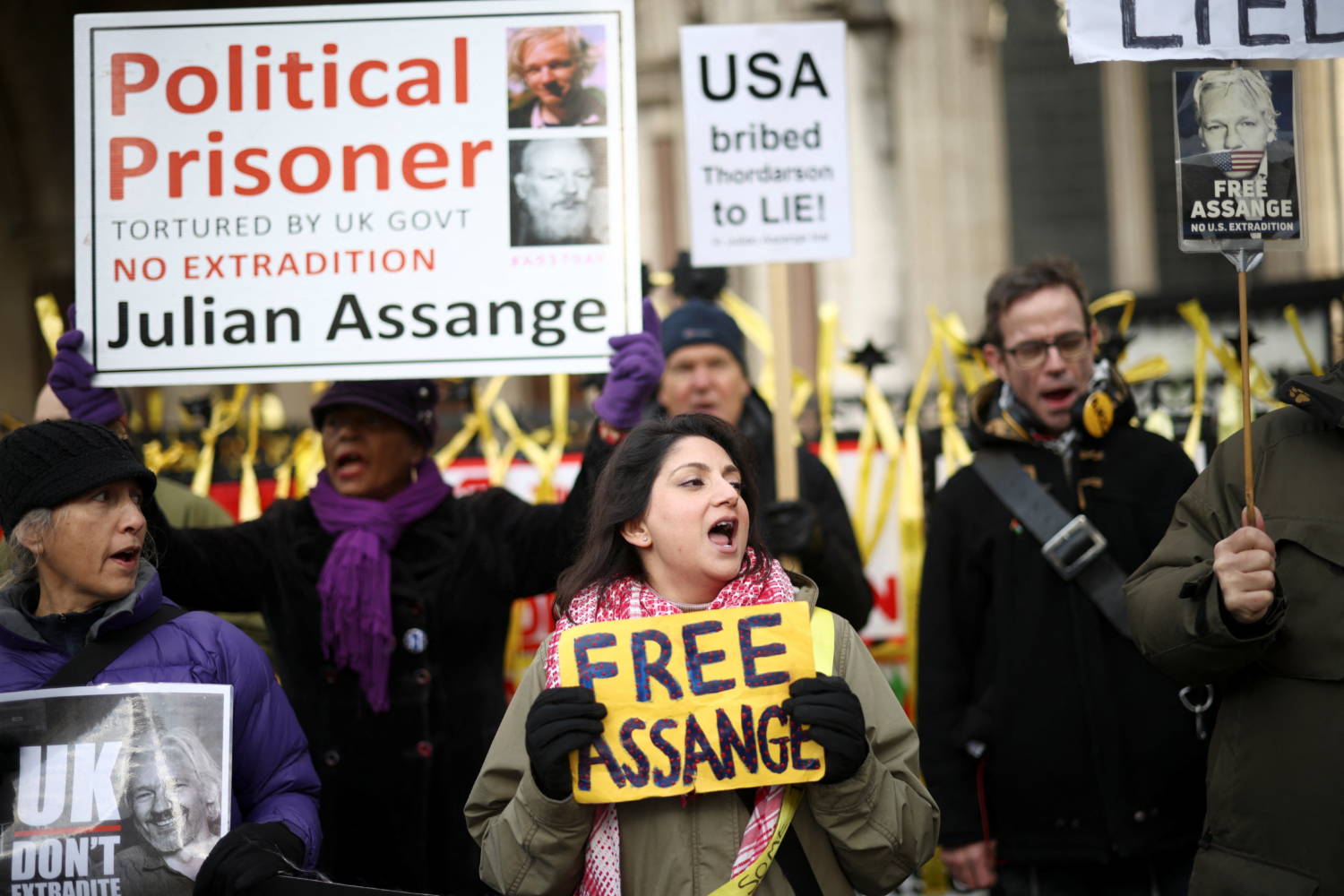
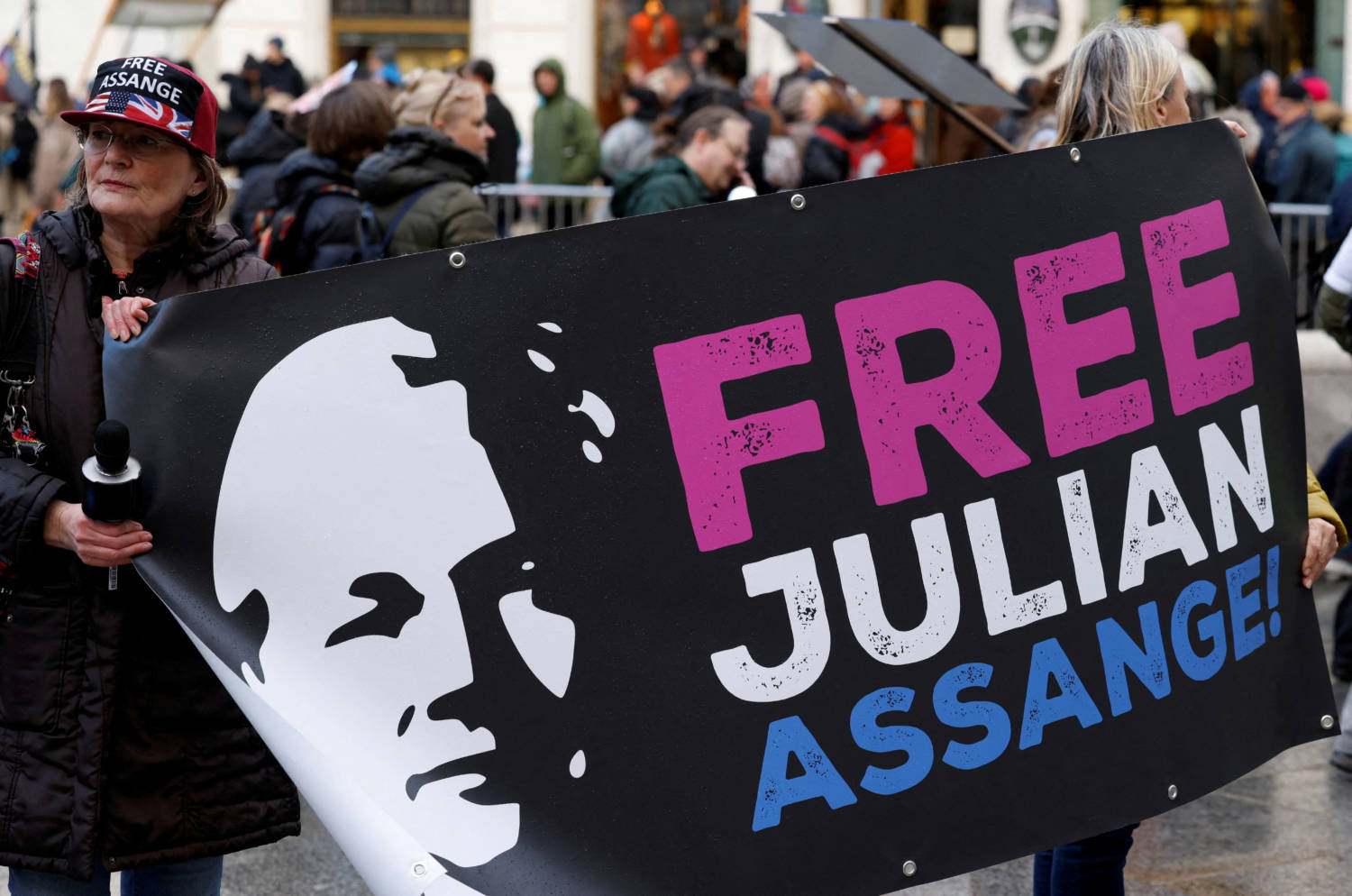
Julian Assange has been granted permission to appeal against extradition to the U.S. by arguing that he might not have free speech rights in a U.S. court. The appeal is based on concerns that he could be discriminated against as a foreign national. Assange is wanted in the U.S. on 18 charges related to WikiLeaks’ release of secret U.S. documents. The appeal was welcomed by his supporters, who gathered outside the court. If the ruling had gone against him, Assange could have been extradited to the U.S. within 24 hours. U.S. assurances that Assange could rely on First Amendment protections were deemed inadequate by his legal team. The appeal will now cover all 18 charges against him.

Assange wins permission to appeal US extradition

Assange wins permission to appeal US extradition

Julian Assange was given permission to have a full appeal over his extradition to the United States after arguing at London’s High Court that he might not be able to rely on his right to free speech at a trial.

Diplomats urge LGBT rights progress in Cyprus

Diplomats urge LGBT rights progress in Cyprus

– Diplomatic missions in Cyprus issued a joint statement in support of human rights for all individuals, regardless of sexual orientation, gender identity, gender expression, or sex characteristics.
– The statement praised Cyprus for progress in recognizing and protecting LGBTQI+ rights, including legislation criminalizing conversion therapies.
– Encouraged Cyprus to consider removing legislative exclusion of same-sex couples in civil union from adoption and to make progress on legal gender identity recognition and recognition of same-sex marriages conducted abroad.
– Highlighted the need for continued work towards a reality where everyone is treated with dignity and respect, regardless of sexual orientation.

Iraq to vote on bill including death penalty for same-sex acts

Iraq to vote on bill including death penalty for same-sex acts

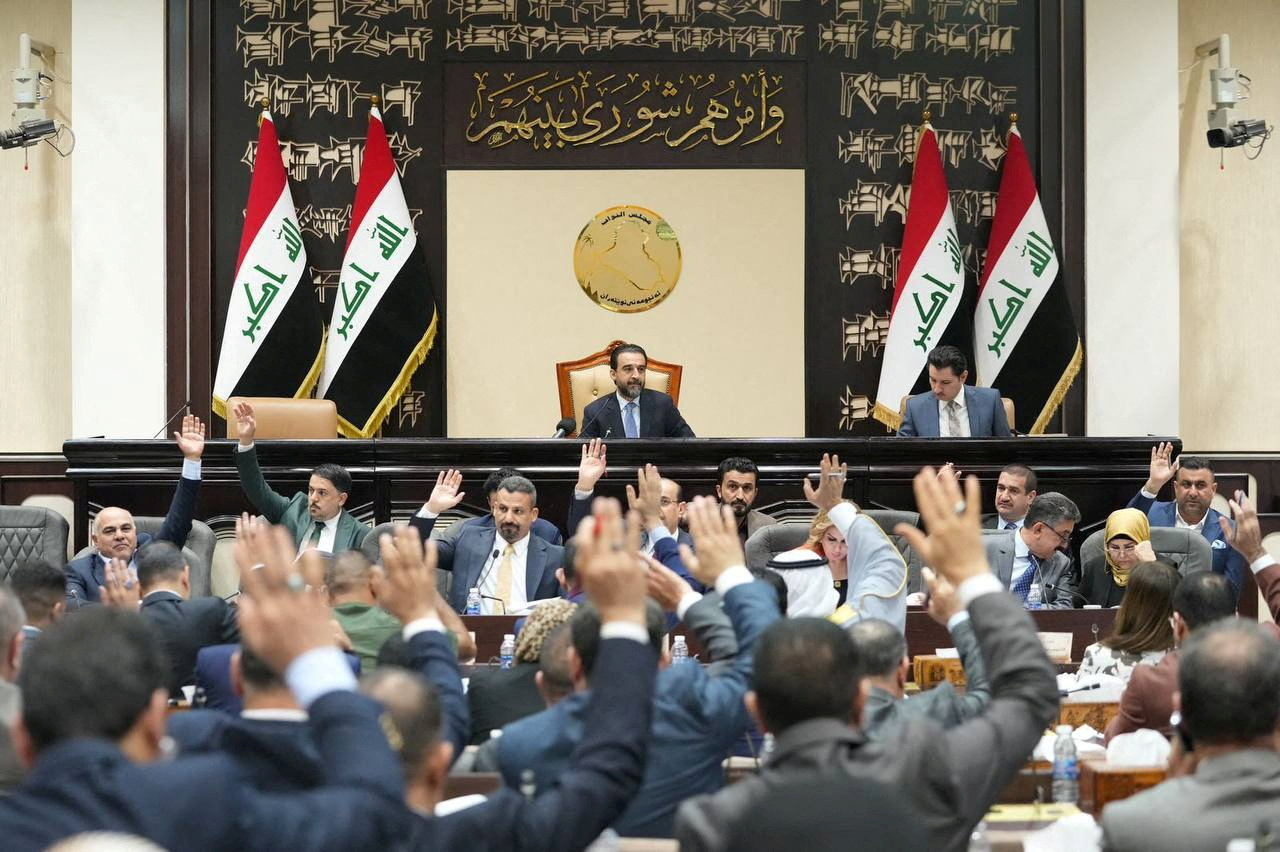
Iraqi lawmakers are considering a bill that would introduce harsh punishments for same-sex relations, including the death penalty or life in prison. This has raised concerns among rights groups and Western diplomats who fear it would harm Iraq’s political and economic relationships. The bill also prohibits the promotion of homosexuality and imposes severe penalties for violations. Diplomats have lobbied against the bill, warning that its passage could have catastrophic consequences for international relations with Iraq.

Ugandan court upholds anti-LGBTQ law but says some rights infringed

Ugandan court upholds anti-LGBTQ law but says some rights infringed

Uganda’s constitutional court refused to annul or suspend an anti-LGBTQ law that includes the death penalty for certain same-sex acts, but voided some provisions that were inconsistent with certain fundamental human rights.

Julian Assange wins temporary reprieve from extradition to US

Julian Assange wins temporary reprieve from extradition to US

Julian Assange can continue his fight against extradition to the United States unless the U.S. promises he will not face the death penalty.

EXPLAINER-Who is Julian Assange?

EXPLAINER-Who is Julian Assange?

Julian Assange will find out on Tuesday whether the High Court in London will allow him to appeal against his extradition from Britain to the United States to face criminal charges, nearly all under the Espionage Act.

Alabama will help bring nitrogen asphyxiation executions to other states

Alabama will help bring nitrogen asphyxiation executions to other states

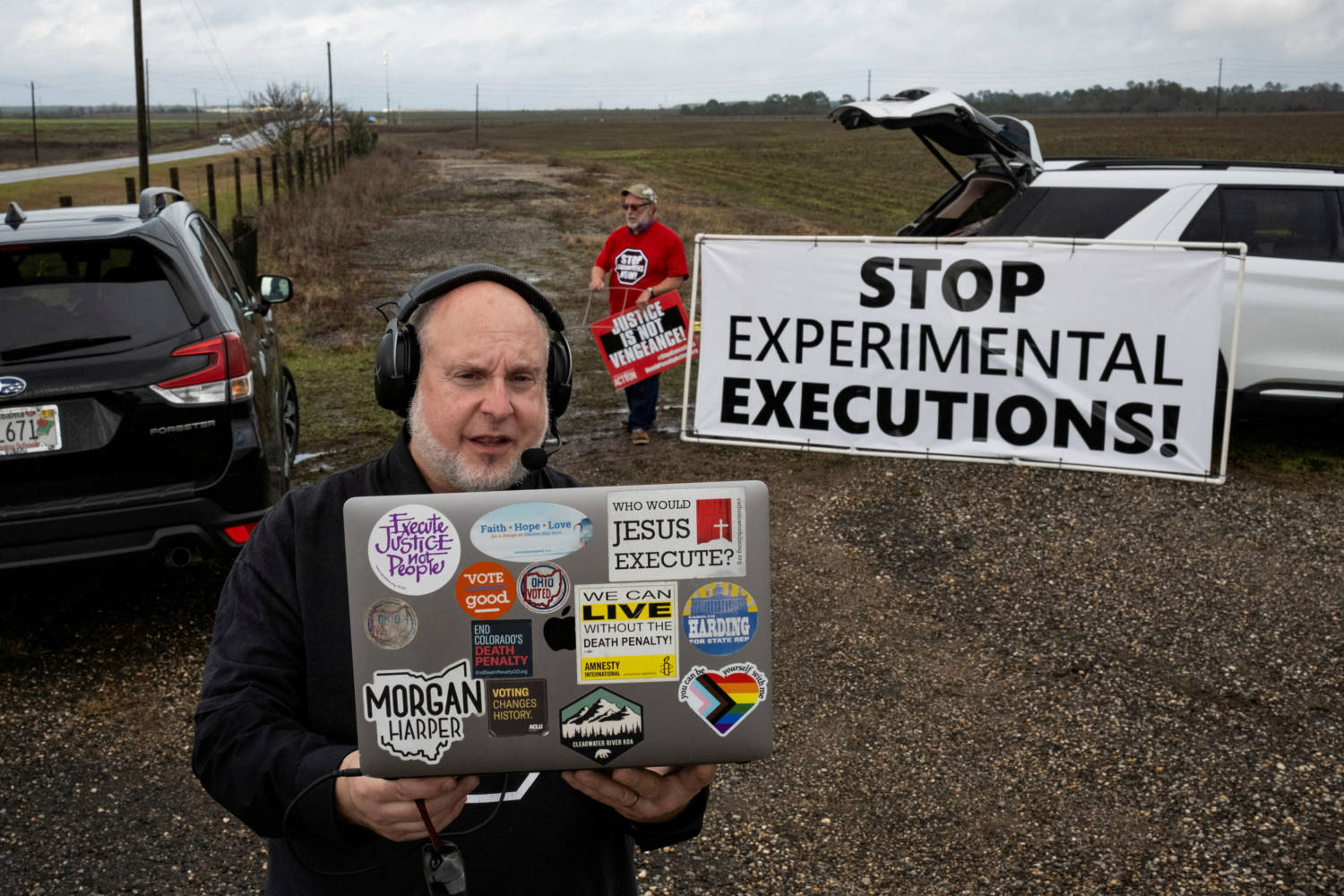
Alabama has offered assistance to other U.S. states seeking to carry out executions using asphyxiation by nitrogen gas. Kenneth Smith, a prisoner condemned for a 1988 murder, was the first to be killed using this method. Alabama’s Attorney General, Steve Marshall, stated that 43 other people on death row had chosen asphyxiation over lethal injections since the method was approved in 2018. The new method has been called “humane” by Alabama, but human rights groups have condemned it as cruel and torturous. Oklahoma and Mississippi have added nitrogen asphyxiation to their allowed execution methods but have not yet used it. Alabama has provided Oklahoma with its new protocol. Nearly half of U.S. states have abolished the death penalty, but for other states, lethal injections remain the main method. The asphyxiation method used on Smith was described differently by state officials and witnesses, with some witnesses stating that Smith remained conscious and struggled for several minutes after the nitrogen flowed. The American Civil Liberties Union, Amnesty International USA, and other rights groups have condemned the execution.