Immigration and economy: biggest concerns for Cypriots

Immigration and economy: biggest concerns for Cypriots

– Immigration and the economy are the biggest worries for around 40 per cent of Cypriots going into the EU elections.
– Climate action, gender equality and diversity, and digitisation of the economy are bottom of the list of concerns for Cypriots.
– 55 per cent of Cypriots were interested in the EU elections.
– Migration topped the list of concerns for immediate discussion for 41 per cent of Cypriots.
– Cypriots were more worried about the economy and jobs compared with their European counterparts.
– Only 5 per cent of Cypriots are concerned about the digitisation of the economy.
– Cypriots were more concerned, after economy and migration, with fighting poverty and social inclusion, and public health.
– 51 per cent of Cypriots said they were optimistic about the future of the EU.
– The majority of Cypriots expect their standard of living to drop in the coming five years.
– The majority of Cypriots cited ‘peace and security’ as the number one issue the EU should defend in the future.
Capital gains are going to be taxed more, and these economists say it’s a good thing

Capital gains are going to be taxed more, and these economists say it's a good thing

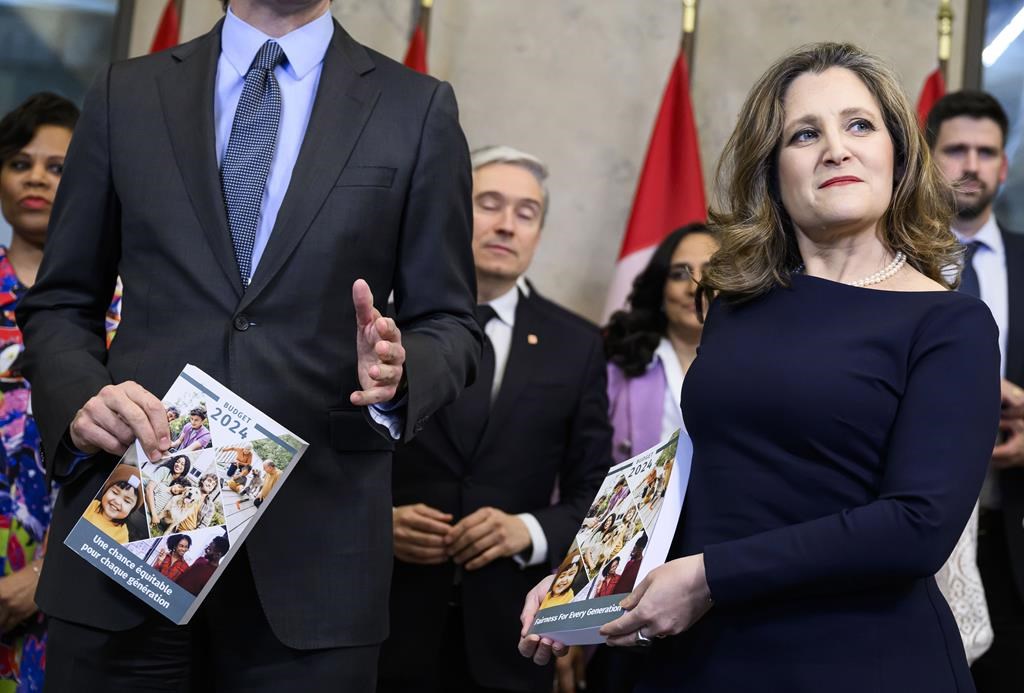
Canada’s wealthiest individuals and corporations will soon pay taxes on a larger share of capital gains, with the federal budget proposing to tax two-thirds rather than one-half of capital gains. The increase in the inclusion rate will apply to capital gains above 0,000 for individuals and all capital gains realized by corporations. The changes are expected to generate over billion in tax revenues over five years and will help fund new spending on housing and national defense. Business groups are opposed to the changes, arguing that they will hurt economic growth and productivity, but economists believe that the changes will make the tax system more efficient and level the playing field for businesses. Prime Minister Justin Trudeau defended the tax change as a matter of fairness, with the additional revenues helping to fund new government spending and keep the deficit at bay.

Why raising capital gains taxes makes sense—yes, really – The Hub

Why raising capital gains taxes makes sense—yes, really - The Hub

The federal government’s latest budget included significant new spending, with an increase of over billion over five years compared to previous plans. The budget also included a change in capital gains taxes, with two-thirds of gains over 0,000 now counting towards taxes. This change is expected to raise billion over five years and improve the efficiency and equity of Canada’s tax system. The increase in the inclusion rate for capital gains is seen as a move that aligns the tax system with other types of payments and makes it more efficient and equitable.

Chapter 8: Tax Fairness for Every Generation

Chapter 8: Tax Fairness for Every Generation

Canada is one of the wealthiest countries in the world. For generations, this has meant Canada is a place where everyone could secure a better future for themselves and their children. This is in no small part is due to our commitment to progressive taxation, investments in Canada’s strong social safety net, and an effective, … Read more

Alberta businesses balk at feds’ capital gains tax increase but pleased with several new programs

Alberta businesses balk at feds’ capital gains tax increase but pleased with several new programs

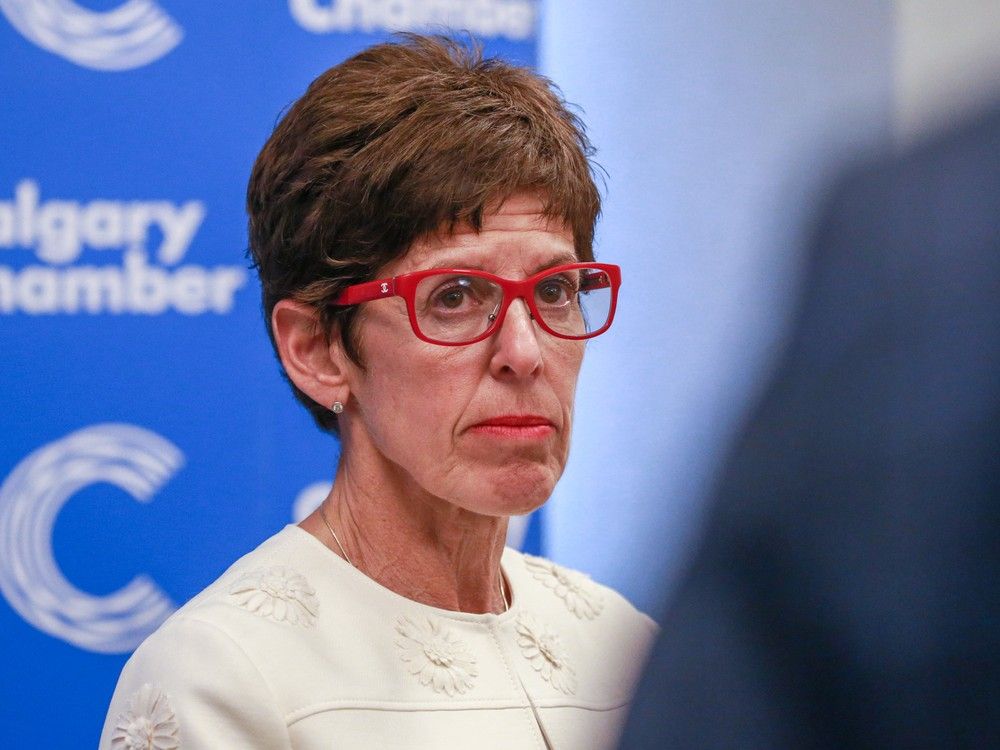
The text discusses the negative impact of new tax increases on capital gains announced in the 2024 federal budget. Deborah Yedlin, president of the Calgary Chamber of Commerce, expressed concerns that the tax increase would disincentivize capital formation for individuals and corporations.

Federal budget hikes capital-gains tax on companies and wealthy individuals

Federal budget hikes capital-gains tax on companies and wealthy individuals

The federal government is increasing capital gains taxes on wealthy individuals and companies to finance new spending on housing and other government priorities.

Ottawa moves to raise inclusion rate on capital gains taxes in 2024 budget – BNN Bloomberg

Ottawa moves to raise inclusion rate on capital gains taxes in 2024 budget - BNN Bloomberg

The federal government announced intentions to raise the inclusion rate on capital gains taxes for corporations and individuals earning beyond a certain threshold, which will impact wealthy individuals who are benefiting from tax advantages not available to middle class Canadians, according to the Budget 2024.

India’s LGBTQ+ election vows ring hollow for rights activists

India’s LGBTQ+ election vows ring hollow for rights activists

India’s two main political parties are making promises to improve the lives of LGBTQ+ people in the upcoming general election. However, activists feel that both parties are avoiding the key issue of same-sex marriage. The ruling BJP opposes same-sex marriage and has pledged more support for transgender rights, while the opposition Congress party plans to recognize same-sex civil unions. LGBTQ+ activists are disappointed with these promises, calling them “lip service.” Discrimination and abuse against LGBTQ+ individuals, especially trans people, are still prevalent in India. The Communist Party of India (Marxist) has the most LGBTQ-friendly manifesto, but all parties fall short of proposing marriage equality. LGBTQ+ activists emphasize the need for greater inclusion and protection for marginalized communities in India.

Corporate ‘excess profits’ tax? The federal budget could still hold some surprises

Corporate 'excess profits' tax? The federal budget could still hold some surprises

The text discusses the potential impact of corporate tax hikes on Canada’s productivity.

Alberta business groups share concern over potential tax hikes as Ottawa balances new spending and fiscal guardrails

Alberta business groups share concern over potential tax hikes as Ottawa balances new spending and fiscal guardrails

The text discusses economists’ expectations of tax increases in the federal budget announcement, with speculation that new taxes may target corporations and the wealthy. Lindsay Tedds, an economist at the University of Calgary, mentioned the need for revenue to bridge spending gaps. Finance Minister Chrystia Freeland confirmed that Canada’s deficit won’t increase in the upcoming budget. There is concern in the business community about potential windfall taxes on the oil and gas sector and grocery chains. The federal government has not revealed its strategy, but there is speculation about possible tax increases.