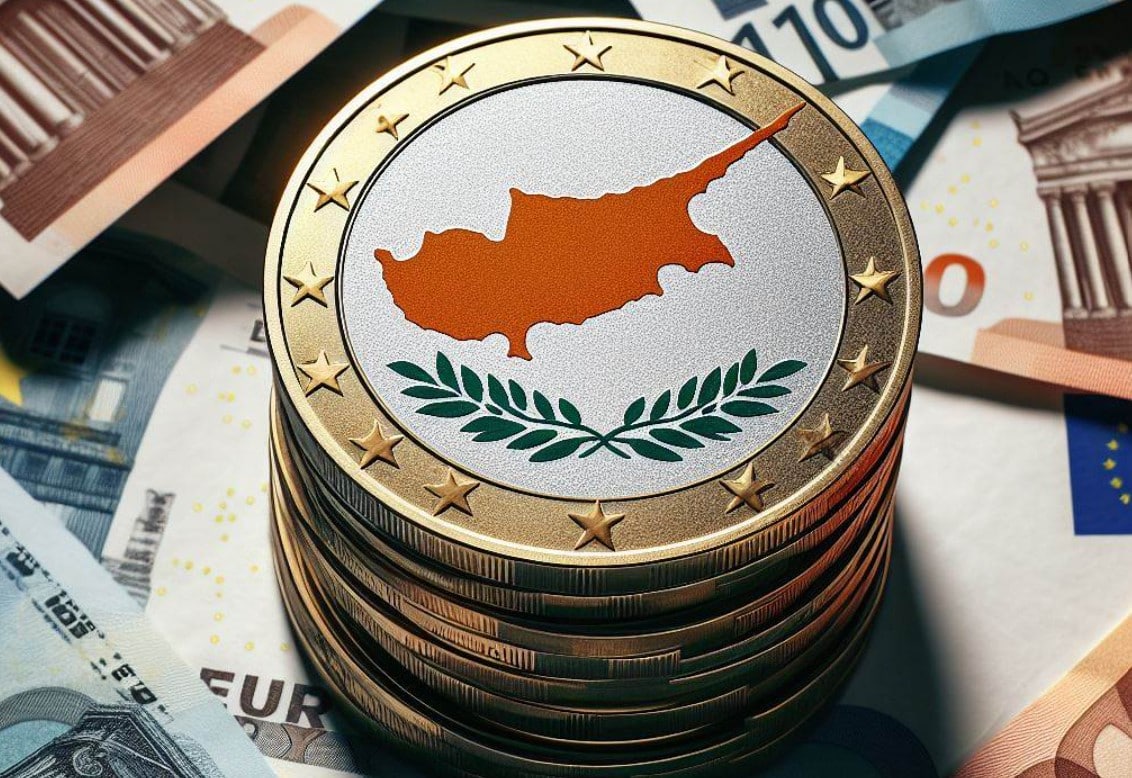
Food prices surging uncontrollably, as vegetables see 26.5% monthly rise

Food prices surging uncontrollably, as vegetables see 26.5% monthly rise

– In February, the price of fresh vegetables increased by 26.5% compared to January, according to the Cyprus Consumers’ Association.
– The general price of vegetables rose by 15.7% during the same period.
– The price of potatoes increased by 6.81%.
– Fresh fruits experienced a price increase of 3.78%.
– Meat preparations saw a price increase of 7.64%.
– Chocolate prices went up by 6.97%.
– Men’s clothing and footwear prices increased by 6.06%.
– Cutlery and silverware prices decreased by 6.52%.
– Edible oils other than olive oil saw a price reduction of 4.55%.
– The price of electricity fell by 2.1% compared to January 2024.
– Year-on-year, olive oil prices rose by 54.34%.
– Fresh vegetables and fresh fruits prices increased by 26.55% and 23.36% respectively, year-on-year.
– Prices of edible oils other than olive oil decreased by 18.55% compared to last year.
– Sugar prices fell by 13.06% year-on-year.
– Footwear for infants and children prices decreased by 8.25%.
– Liquid fuels prices dropped by 8.03% year-on-year.
– The comparison was made against January 2023.

Cyprus inflation up 1.8% in February

Cyprus inflation up 1.8% in February

The monthly Cyprus consumer price index (CPI) increased by 1.03 points to 114.93 in February, from 113.90 in January. The inflation rate rose by 1.8% from February last year. The CPI rate was up 0.9% from January and 1.75% higher for January-February compared to the same period last year. The largest change from February 2023 was in services (+3.7%), with the largest monthly change in agricultural goods (+5.6%) and the largest change compared to February 2023 in restaurants and hotels (+6.2%). The largest changes from January in the CPI for February were in clothing and footwear (+3.1%) and in food and non-alcoholic beverages (+2.7%). For January–February, compared to the same period last year, the largest changes were in restaurants and hotels (5.9%) and miscellaneous goods and services (3.7%). Year-on-year, February saw the biggest increases in restaurants and hotels (0.62) and food and non-alcoholic beverages (0.43). Catering services (0.60) had the most notable effect on the change of the February CPI compared to the same month last year, while the price of fresh vegetables (0.38) had the largest effect on the change of the February CPI compared to January this year. The CPI calculation includes a weight distribution for the four districts: Nicosia 42%, Limassol 30%, Larnaca 18%, and Paphos 10%. Prices of 805 goods and services are recorded monthly, except for some seasonal products, meat, and fuels, whose prices are collected weekly.

Turkey inflation rises to 67%, keeping pressure on cenbank

Turkey inflation rises to 67%, keeping pressure on cenbank

Turkey’s annual inflation rate increased to 67.07% in February, with significant price rises in food, hotels, and education. Finance Minister Mehmet Simsek indicated inflation would remain high in the near term due to base effects and the delayed impact of rate hikes but expected it to decrease over the next 12 months. The central bank has raised interest rates by 3,650 basis points since June, reaching a 45% policy rate, which it deems sufficient to reduce inflation. However, economists suggest further tightening may be necessary due to continued price pressure and strong domestic demand. Monthly consumer price inflation was 4.53%, down from 6.70% in January but above expectations. The Turkish lira has weakened by 6% this year after a nearly 37% decline in 2023, affecting import prices. Price increases were most notable in restaurants and hotels at 94.5%, education at 91.8%, and food and non-alcoholic drinks at 71.1%. The central bank aims to maintain tight monetary policy to achieve its 36% year-end inflation target, while the domestic producer price index rose by 3.74% month-on-month in February for an annual increase of 47.29%.

UK job vacancies fall 15 per cent year-on-year in January, Adzuna data shows

UK job vacancies fall 15 per cent year-on-year in January, Adzuna data shows

British employers advertised the fewest jobs in nearly three years last month, with a 15% decrease from the previous year, according to Adzuna. The official jobless rate was at 3.8%. The Bank of England aims to slow wage growth from rates of more than 6% to reduce inflation. Job vacancies in Britain were reported at 867,436 in January, the lowest since April 2021, down from over 1 million a year earlier. The number of job seekers per advertised vacancy rose to 1.81 from 1.48 a year earlier. Preliminary data for February suggested the number of vacancies was stabilising. The average starting salary for positions advertised was 38,168 pounds, a 3.0% increase from the previous year.

Major Gulf markets mixed with inflation in focus

Major Gulf markets mixed with inflation in focus

Major stock markets in the Gulf showed a mixed trend in early trading on Tuesday, with investors focusing on upcoming inflation data from major economies and manufacturing figures from China. The US personal consumption expenditures price index, used by the Federal Reserve to track its 2% inflation target, is particularly anticipated. Futures indicate a shift in expectations for the timing of monetary easing and the number of rate cuts. Most Gulf currencies are pegged to the dollar, making them sensitive to US monetary policy changes. Saudi Arabia’s benchmark index rose by 0.3%, with significant gains in ACWA Power Co and Al Rajhi Bank. Avalon Pharma’s shares surged by 30% on their market debut. Abu Dhabi’s index fell by 0.4%, while Dubai’s main share index increased by 0.5%, led by a rise in Emirates NBD. The Qatari benchmark declined by 0.2%, affected by a drop in Qatar Gas Transport. Additionally, US President Joe Biden announced that Israel agreed to halt its military activities in Gaza for Ramadan, with Hamas considering a truce proposal that includes a pause in fighting and a prisoner-hostage exchange.

Eurozone bonds dance to the beat of US markets

Eurozone bonds dance to the beat of US markets

Eurozone bonds are trading in sync with US bonds, with correlations between the markets reaching a record high. The 52-week correlation between German and US two-year bond yields has hit a record, with longer bonds also showing high correlations. The US economy has grown more than Europe’s, with US GDP rising 2.5% and Eurozone GDP growing 0.5% in 2023. Inflation, which surged in both regions in 2021, has become a key focus for markets. The Federal Reserve raised rates in March 2022, followed by the European Central Bank in July. Inflation peaked at 9.1% in the US in June 2022 and at 10.6% in the eurozone before falling to around 3% in both regions. The US bond market, with .9 trillion of government securities outstanding, influences global borrowing costs. Investors expect the correlation between Eurozone and US bonds to decrease as macro and policy outcomes diverge. The European Central Bank is anticipated to cut interest rates in April, ahead of the Federal Reserve in June.

UK economy puts recession behind it but price pressures rise, PMI survey shows

UK economy puts recession behind it but price pressures rise, PMI survey shows

Britain’s economy showed strong growth in early 2024, with a survey indicating high business optimism and robust growth for services firms. The preliminary February S&P Global/CIPS UK Composite Purchasing Managers’ Index (PMI) rose to 53.3, marking the highest in nine months. The survey highlighted potential concerns for the Bank of England, including wage growth among services firms and supply issues due to Red Sea tensions, leading to the highest measure of business price increases since July. The services PMI remained at 54.3, while manufacturing edged up to 47.1 from 47.0 in January. The economy is expected to grow by 0.2% or 0.3% in the first quarter of 2024, following a contraction in the last two quarters of the previous year. Inflation concerns are likely to make the Bank of England cautious about reducing borrowing costs, with inflation potentially remaining at 4% rather than dropping to the 2% target. The central bank has signaled the possibility of rate cuts, but inflation pressures are being closely monitored. Investors anticipate a 50% chance of a rate cut by June, with a cut fully expected by August. The survey also noted increased business costs due to higher labor and freight costs, attributed partly to the Red Sea crisis, and a cautious approach to hiring due to rising pay.

Mercedes-Benz warns geopolitics, trade tensions to weigh in 2024

Mercedes-Benz warns geopolitics, trade tensions to weigh in 2024

Mercedes-Benz has revised its electric vehicle (EV) demand expectations, now anticipating that electrified vehicles, including hybrids, will make up to 50% of its sales by 2030. This adjustment marks a significant shift from its earlier goal of preparing for all-electric sales by the same year, contingent on favorable market conditions. CEO Ola Kaellenius highlighted challenges such as inadequate charging infrastructure and a lack of appealing electric models as reasons for the slower transition to EVs. Consequently, Mercedes-Benz plans to continue producing combustion engine cars and update its technology into the next decade, with a refreshed lineup expected in 2027. Following this announcement, the company’s shares increased by 5.9%, further buoyed by a 3 billion euro share buyback program. Despite the automotive industry’s investment in EVs, actual demand has not met expectations, leading to increased cost-cutting pressures. Mercedes-Benz also cited slower economic growth, supply chain issues, and geopolitical tensions as factors affecting its 2024 outlook, predicting lower sales returns. For 2023, the company reported an adjusted return on sales of 12.6% in its car division, meeting its forecast despite inflation and supply chain challenges. However, it anticipates a lower adjusted return of 10-12% for cars and 12-14% for vans in 2024. Additionally, Mercedes-Benz raised its average vehicle price to 74,200 euros and increased its research and development spending, particularly on its MB.OS platform. Group earnings before interest and taxes decreased to 19.7 billion euros from 20.5 billion euros the previous year, even as revenue rose by 2%.

Explainer: What you need to know about the 2024 US presidential election

Explainer: What you need to know about the 2024 US presidential election

Fact: Former President Donald Trump is on the cusp of winning the Republican nomination for the 2024 U.S. presidential election.

Cyprus GDP expected to grow, inflation to continue decreasing

Cyprus GDP expected to grow, inflation to continue decreasing

The European Commission’s interim winter forecast indicates that Cyprus is expected to see its GDP grow by 2.8% in 2024 and by 3% in 2025. Inflation in Cyprus is forecasted to slow to 3.9% in 2023, down from 8.1% in 2022, and is expected to be further contained to 2.4% in 2024 and 2.1% in 2025. The main drivers of GDP growth in Cyprus are strong domestic demand, strategic investments, and lower energy prices. The Recovery and Resilience Mechanism is expected to support investments that will strengthen growth. Economy Commissioner Paolo Gentiloni presented the winter forecast, noting that the European economy is entering 2024 on a weaker footing than previously predicted. The EU and eurozone growth forecasts for 2023 have been revised to 0.5%, and for 2024, they have been adjusted to 0.9% in the EU and 0.8% in the eurozone. The commission predicts an increase in economic activity in 2025, with growth of 1.7% in the EU and 1.5% in the eurozone. Inflation in the EU is expected to decrease from 6.3% in 2023 to 3.0% in 2024 and further to 2.5% in 2025. In the Eurozone, inflation is projected to slow from 5.4% in 2023 to 2.7% in 2024 and to 2.2% in 2025. The contribution of net exports to Cyprus’ economy is expected to remain weak due to economic uncertainty in trading partners and strong demand for imports. Real GDP growth in Cyprus slowed to 2.5% year-on-year in the first three quarters of 2023, but tourism services demand continued to recover. Economic activity in the EU is expected to pick up in 2024 after a weak start to the year. Lower energy prices have led to a faster-than-expected decline in headline inflation in 2023. The forecasts are subject to uncertainty due to geopolitical tensions and the risk of conflict expansion in the Middle East. Rising shipping costs due to trade disruptions in the Red Sea are expected to exert only a slight influence on inflation. Risks to core growth and inflation forecasts include consumption, wage growth, profit margins, interest rates, and the impact of extreme weather events due to climate change.