China congratulates Putin on election win, says ties will strengthen

China congratulates Putin on election win, says ties will strengthen

China congratulated Vladimir Putin on his victory in Russia’s presidential election, with President Xi Jinping sending a message of congratulations. China stated that the strategic relationship between the two countries would continue to strengthen under the leadership of Xi and Putin. China and Russia, described as comprehensive strategic partners, have deepened their ties, especially in light of Western criticism over the war in Ukraine. The two nations declared a “no limits” partnership in February 2022. Meetings between Xi and Putin are planned for this year, coinciding with the 75th anniversary of the establishment of diplomatic relations between China and Russia.
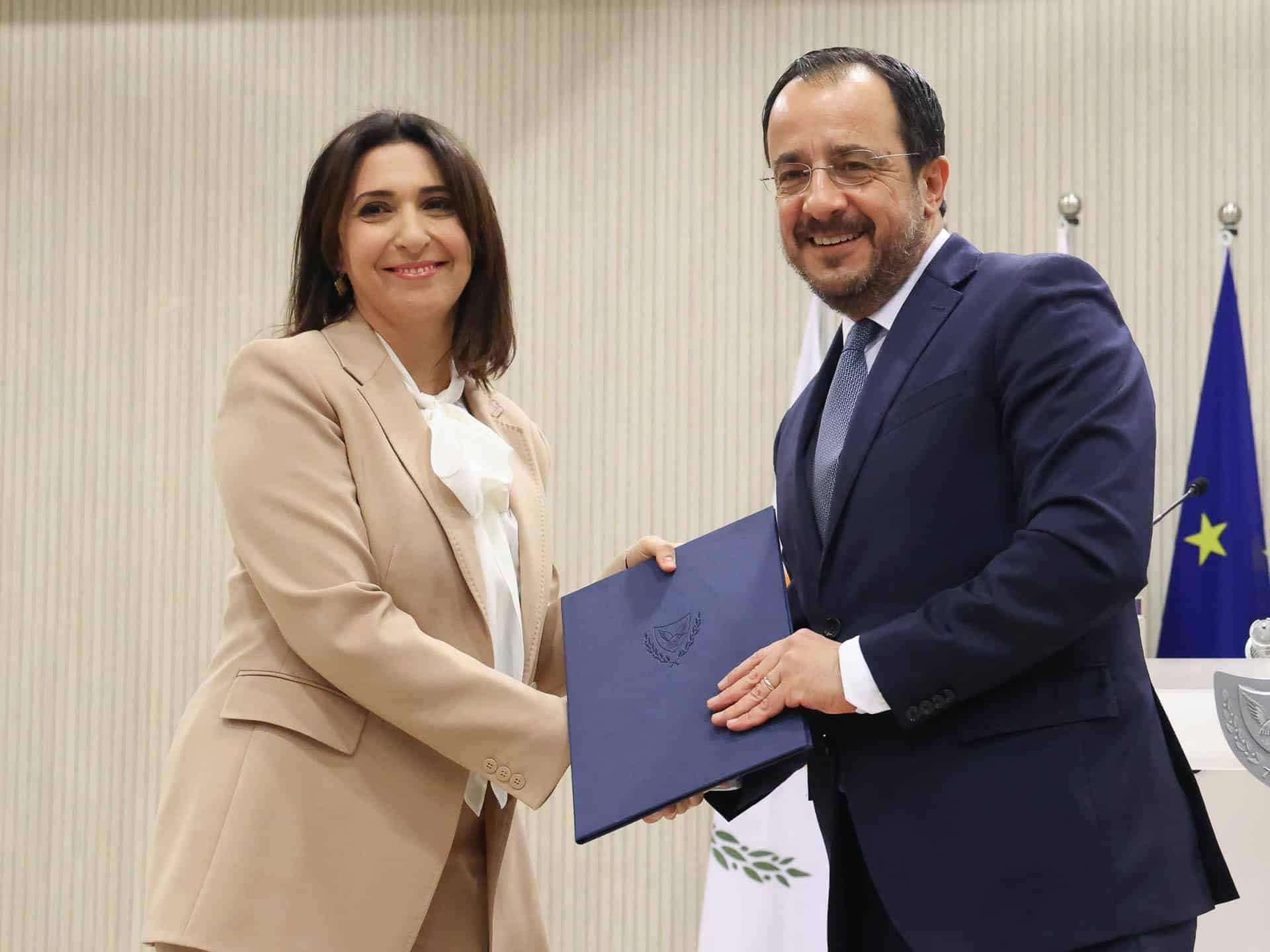
Statement by the President at the Summit for a Strategic and Comprehensive Partnership between EU and Egypt

Statement by the President at the Summit for a Strategic and Comprehensive Partnership between EU and Egypt

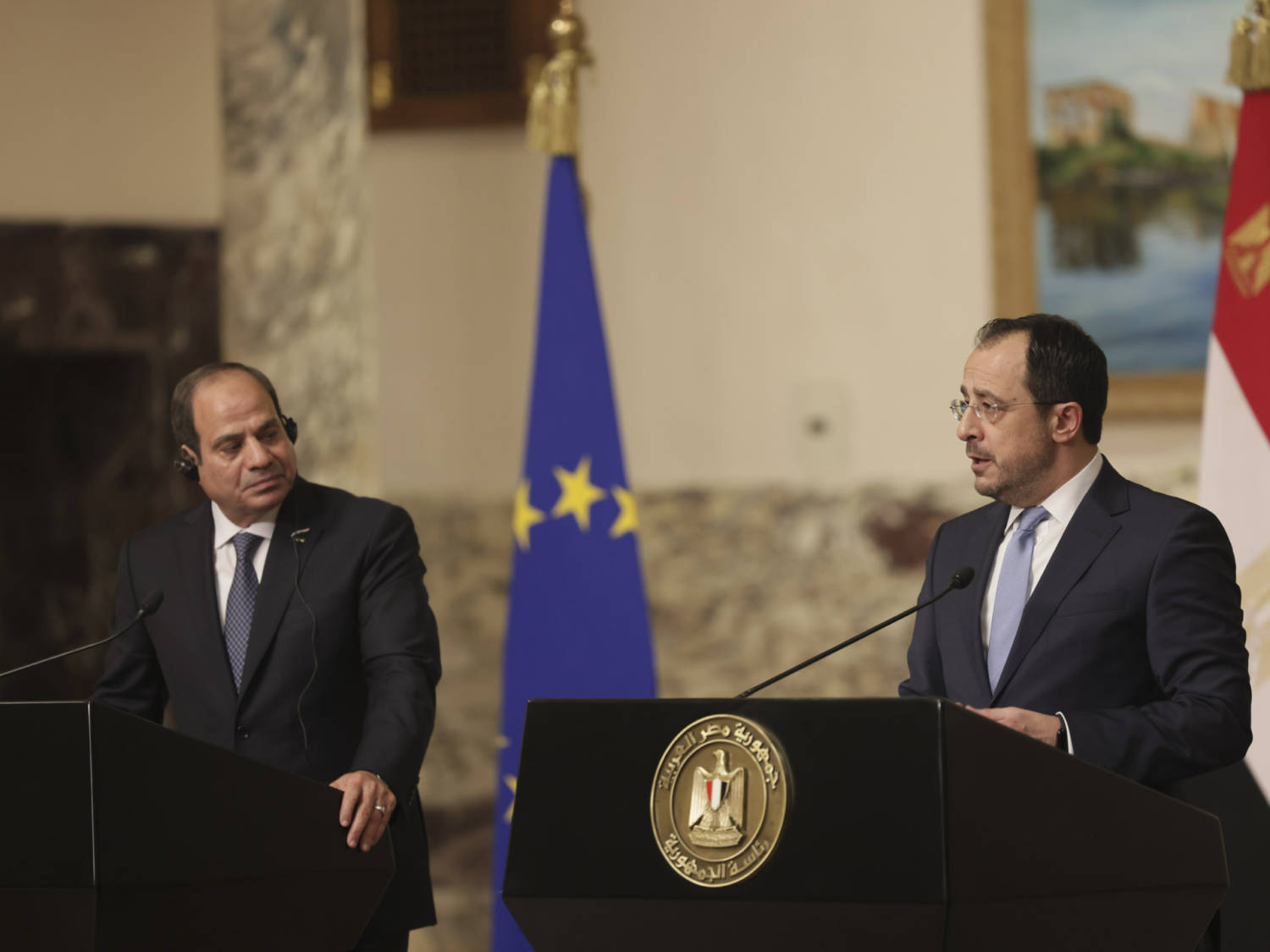
The text announces the launch of the Strategic and Comprehensive Partnership between the European Union and the Arab Republic of Egypt, highlighting the significant role of Egypt in regional stability and its indispensable role in Europe’s southeastern flank. It mentions the signing of a Joint Declaration that marks a new era in EU-Egypt relations, covering a wide range of sectors. The text also acknowledges Egypt’s efforts in addressing crises in Libya, Sudan, Palestine, and the Red Sea, particularly emphasizing President Sisi’s efforts towards achieving a ceasefire in Gaza and providing humanitarian relief. Additionally, it mentions Cyprus’s initiative, supported by the European Union, to establish a safe humanitarian maritime corridor to deliver aid to Gaza, complementing existing routes and mechanisms. The text concludes with Cyprus’s commitment to working with EU partners to ensure the success of the strategic partnership, aiming for peace, stability, and economic prosperity in the Mediterranean, the Middle East, the Red Sea, and the Horn of Africa.

Raouna heads to Brussels for the EU general affairs council

Raouna heads to Brussels for the EU general affairs council

Deputy Minister for Europe Marilena Raouna will travel to Brussels to participate in the EU General Affairs Council’s deliberations and meet with counterparts. The council’s agenda includes examining a report on its contributions to the European Semester 2024, debating the Future of Europe, and preparing for the European Council meeting on March 21-22, 2024, which will address security and defence, Russian aggression in Ukraine, the Middle East situation, and enlargement issues. Raouna will also meet the Minister for European Affairs of France and Sweden, participate in an extraordinary meeting of the Committee on Foreign Affairs of the European Parliament on EU enlargement policy challenges, and meet with the Secretary General of the European Parliament, Alessandro Chiocchetti.

The future of work: Why we need to think beyond the hype of the four-day week

The future of work: Why we need to think beyond the hype of the four-day week

Since the 19th century, the number of hours spent at work has been steadily declining in developed countries. The four-day week emerged in the 90s as a demand for a more equal division of work, developed in 1993 by French economist Pierre Larrouturou and tested in 1996 with France’s de Robien law. Antoine Riboud, CEO of Danone, supported the idea, and Volkswagen adopted the four-day week in 1994 but abandoned it in 2006. The Covid crisis renewed interest in the four-day week, with 56% of British employees willing to earn less for more free time. New Zealand introduced a four-day week post-pandemic to boost productivity and work-life balance, with Japan and several companies, including Hitachi and Microsoft, following suit. Belgium and the Nordic countries implemented a model where working hours are concentrated over four days without salary reduction. In contrast, Southern Europe, including Spain and Portugal, has explored a 32-hour week aiming to maintain productivity by reducing unproductive time. The concept of the four-day week challenges traditional work paradigms and suggests a shift towards valuing personal and collective fulfillment over individual success.

From sunlight to energy, …or not

From sunlight to energy, …or not

Cyprus, despite its abundant sunlight, has experienced a slow transition to renewable energy due to various issues. Two significant developments include the statement by the Electricity Authority of Cyprus (EAC) president regarding the new turbine at the Vasilikos power plant, which can operate on natural gas and potentially hydrogen after modifications, and a letter by ETEK to the Cyprus Energy Regulatory Authority (CERA) advocating for the acceleration of ‘Energy Communities’. The past decade has seen a lack of direction in renewable energy development in Cyprus, with the licensing process being restrictive and causing delays. This has resulted in renewable electricity being expensive and not contributing to the reduction of Cyprus’s high energy prices. The introduction of competitive bidding for future projects and the concept of ‘Energy Communities’ are deemed imperative. Green hydrogen, produced from water by electrolysis using renewable energy, has potential in various industries but faces challenges such as the need for large amounts of renewable energy and land, as well as the development of safe storage and transportation methods. The US Geological Survey (USGS) has announced the existence of ‘gold’ hydrogen in underground reservoirs, which could potentially meet global demand for hundreds of years. For Cyprus, developing green hydrogen production depends on land availability and increasing renewable power generation. Preparations for a long-term hydrogen production plan are necessary, focusing on reducing high electricity prices through the switch from diesel/HFO to natural gas and accelerating renewable projects.

Cyprus film days and more

Cyprus film days and more

The 22nd Cyprus Film Days International Festival, scheduled for April 2024, will feature screenings, masterclasses, workshops, and parallel events aimed at industry professionals, cinephiles, and children. The festival will include AI and Physical Movement in Film Development training sessions, with a workshop on using Artificial Intelligence in film projects and a masterclass on storytelling through physical movement. The AI workshop will be led by Taç Romey and Markus Walsch, supported by CYENS Centre of Excellence, and held at The Studio in Nicosia. The movement masterclass will be led by Marie Scherzer, supported by Dance House Lefkosia, Dance House Lemesos, and Nea Kinisi Cyprus, and hosted at Dance House Lefkosia. The festival will also feature Cinema Talks for film professionals, covering topics like public film funding opportunities in Germany, the Minority Co-Productions Scheme, Creative Europe’s funding programmes, and investment incentives in Cyprus. Additionally, there will be film workshops for children and youth, including a masterclass on Screenlife technique, a collaborative filmmaking workshop for children with autism, a hand-drawn animation workshop, and a Speed Filmmaking workshop. The festival will take place from April 12-20 at the Rialto Theatre in Limassol and Zena Palace in Nicosia.

MiCA for cryptos by end of year, early-2025

MiCA for cryptos by end of year, early-2025

Cyprus plans to implement the Markets in Crypto-Assets (MiCA) regulation by the end of this year or early 2025, aiming to protect investors and promote transformation in the crypto asset sector in the European Union. The MiCA framework, created by the European Commission, focuses on maintaining financial stability throughout the EU. Currently, there are no safeguards at the Union level for the crypto asset market, with only individual national legislation in place. The number of crypto-asset service providers increased from seven in 2022 to 11 by the end of that year, with a total of 16 applications pending so far this year. The Chairman of the Cyprus Securities and Exchange Commission (CySEC), Dr. George Theocharides, anticipates more CASP companies will emerge once MiCA is implemented. In 2023, CySEC conducted over 700 on-site and remote thematic inspections of supervised entities, assessed compliance with prudential supervision framework limits, and monitored Cypriot Investment Firms (CIFs) affected by Russia-Ukraine sanctions. CySEC also evaluated promotional material of over 35 CIFs, conducted investigations into CIFs, and imposed administrative sanctions totaling approximately EUR 2.2 million in 2023, with a total of EUR 6 million in administrative sanctions over the last three years. Additionally, 19 cases of CIFs had their operating licenses revoked or suspended. Dr. Theocharides highlighted the importance of the upcoming MiCA regulation for crypto-asset service providers, aimed at ensuring investor protection and market integrity. He urged investors to be cautious when investing in crypto-assets due to the associated risks. Despite challenges, the capital market in Cyprus remains of significant interest, with 82 entities receiving approval in 2023 and the number of supervised entities at 830 by the end of February 2024. CySEC also participated in events promoting financial literacy and issued warnings about entities posing as CySEC officials or imitating its website.

A sociologist, ’s view of the Cyprus problem

A sociologist, ’s view of the Cyprus problem

The Cyprus problem has been unresolved for 50 years, with significant changes in both the physical landscape and the mindset of its people since 1974. The UN-led negotiations have focused on constitutional and legal challenges, often overlooking the social realities and expectations of Greek Cypriots and Turkish Cypriots regarding a federal Cyprus. The social structure and the passage of time have influenced the local dimension of the Cyprus issue, with Greek Cypriots generally expecting a reversal of the northern occupation and Turkish Cypriots aiming to retain benefits supported by Turkey. Urban expansion and new economic interests in the north have altered perceptions of life. Sociological analysis is deemed necessary to understand the underlying contradictions in the images of Cypriot society and to foster progress towards settlement. Examples of successful bicommunal cooperation include the Nicosia Master Plan and the Bicommunal Technical Committee on Cultural Heritage. These initiatives demonstrate the potential for building solidarity and mutual understanding through shared efforts, yet they have not significantly influenced the formal negotiation process. The article emphasizes the importance of sociological insight in addressing the Cyprus problem and fostering a bicommunal society.

Larnaca a prime hotspot for real estate investors

Larnaca a prime hotspot for real estate investors

Cyprus-based real estate platform INDEX.cy released a report identifying Larnaca as a key destination for investors and homebuyers in the real estate market. The report is based on an analysis of the local property market, highlighting significant investor interest due to low deposit interest rates. Analysis of over 4,200 real estate listings on INDEX.cy showed a notable price difference between new and pre-owned properties in Larnaca, with new real estate priced at €3,619 per square meter and pre-owned properties at €2,289 per square meter, accounting for respective taxes and fees. This represents a 36% discount on pre-owned properties. Similar price differences were observed in other regions, albeit smaller. The findings are based on an analysis of 24,773 new properties and 4,539 pre-owned ones. The report underscores Larnaca’s growing significance in real estate transactions for both investment and residential purposes. Anton Karbanovich, founder of INDEX, mentioned the emergence of a ‘flipping sector’ where investors buy, renovate, and sell pre-owned properties for profit, with Larnaca being particularly notable in this trend. The report concludes that Larnaca is becoming a prominent destination for real estate investments and endeavors.

Ukraine attacks Russian city and refinery on second day of presidential election

Ukraine attacks Russian city and refinery on second day of presidential election

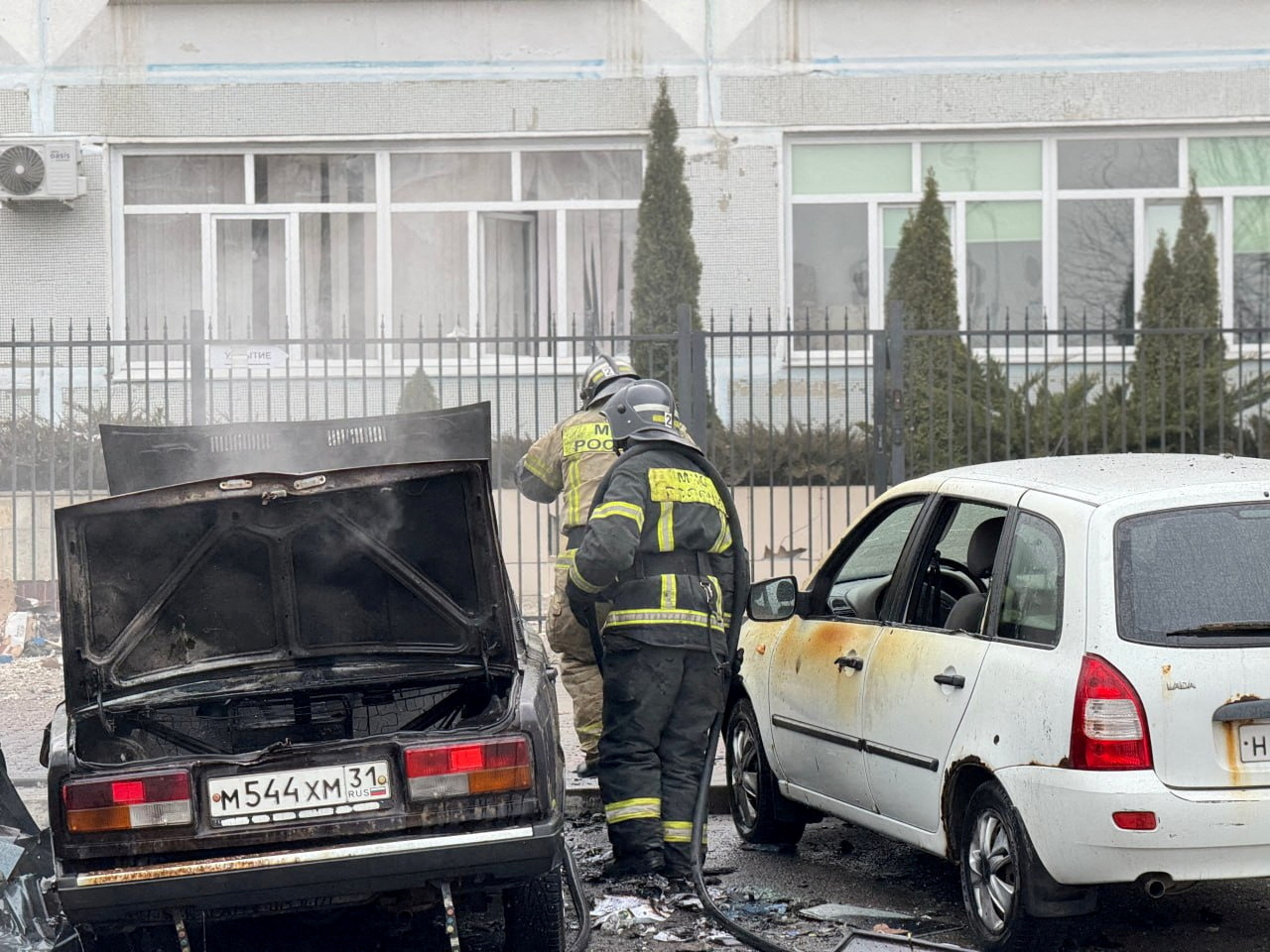
– A Ukrainian missile attack killed two people in western Russia.
– A separate drone strike set an oil refinery ablaze in Russia.
– The incidents occurred during the second day of a presidential election in Russia.
– President Vladimir Putin accused Kyiv of trying to disrupt the election.
– The governor of the Belgorod region reported the deaths of a man and a woman due to the missile attack.
– The Syzran refinery in the Samara region was reported to be on fire due to a drone strike.
– Russia’s Defence Ministry reported repelling attempts by Ukrainian forces to cross into the Belgorod region.
– Schools in much of the Belgorod region and shopping centers in Belgorod city were closed due to the situation.
– Russia conducted a missile attack on Odesa, Ukraine, killing at least 20 people and wounding more than 70.
– President Putin is expected to win the presidential election, extending his time in office.
– Alexei Navalny, a prominent opposition politician, died in an Arctic penal colony, with his death certificate stating natural causes as the cause of death.
– The election turnout was over 40% by the afternoon of the second day, with high turnout in the Belgorod region and Russian-controlled regions of Ukraine.
– United Russia reported a denial of service cyberattack on its services.
– A senior telecoms official attributed the cyberattacks against Russia to Ukraine and Western countries.
– Protests and reported cyber attacks occurred during the voting process.