Petrol prices to increase from April 1st

Petrol prices to increase from April 1st

– The reduced fuel consumption tax, which was lowered by 8.3 cents per litre for petrol (95 octane) and diesel, and by 6.3 cents for heating oil, will end starting from 1st April.
– The consumption tax on fuel is set to be reintroduced at midnight on the last day of the current month.
– There has been a significant reduction in fuel prices in the last quarter, which stabilized two weeks ago, with very small increases observed in recent days.
– Cyprus has the cheapest fuel in Europe according to the European price observatory issued by the EU.
– VAT will be reinstated for 9 product categories on 30th April and for the remaining two categories related to meat and vegetables on 31st May.
– The public consultation on the draft law for green tax reform has been completed, with the taxation expected to be introduced within 2024, accompanied by compensatory measures decided by the Ministry of Finance.
– The termination of the reduced consumption tax on fuel is expected to lead to an increase in the retail price of fuel due to the imposition of green taxation, with an overall increase of about 10%.
– The cost for dealers will double with every one-cent increase in fuel prices, requiring them to spend approximately 2,000 euros for their stocks and monthly customers.
– The price of diesel is expected to exceed 1.50 euros per litre with the termination of the reduced VAT rate.
– The Pancyprian Association of Petroleum Dealers has requested that price adjustments be made on the first working day after their decision and not on a holiday, specifically on the 6th morning of the first working day.

President helps CBC to promote financial literacy [video]

President helps CBC to promote financial literacy [video]

The Central Bank of Cyprus (CBC) has created educational videos as part of the Global Money Week 2024 campaign to promote financial literacy, especially among the youth. These videos were made with contributions from President Nikos Christodoulides and the Governor of the Central Bank of Cyprus, Constantinos Herodotou. The theme for 2024 is “Protect Your Money, Secure Your Future,” focusing on safe money management and the importance of a responsible and informed approach. In one video, President Christodoulides discusses rising product prices, inflation measures, and the importance of understanding basic financial concepts. The videos are available on the CBC website, YouTube channel, and LinkedIn page.

Dollar struggles to find demand in Fed aftermath

Dollar struggles to find demand in Fed aftermath

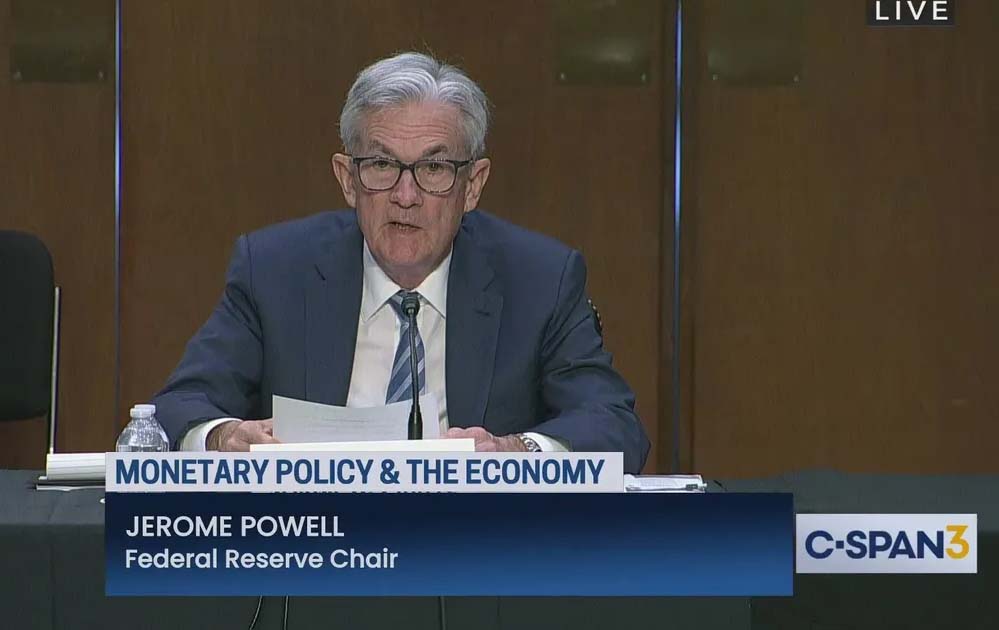
– The US Dollar experienced significant losses against major rivals after the Federal Reserve left the interest rate unchanged and due to Chairman Jerome Powell’s comments on the policy outlook.
– Investors are awaiting the Bank of England’s policy announcements and S&P Global PMI data for Germany, the Euro area, the UK, and the US.
– The US economic docket will include weekly Initial Jobless Claims and Existing Home Sales data for February.
– The Federal Reserve’s Summary of Projections indicates a total of 75 basis points reduction in the policy rate expected in 2024.
– Chairman Powell noted high inflation numbers in January and February but attributed them to seasonal effects, suggesting they do not alter the disinflation narrative.
– Following the Federal Reserve event, the 10-year US Treasury bond yield approached 4.25%, Wall Street indexes rallied, and the USD Index dropped nearly 0.5%, ending a four-day winning streak.
– In Asian trading, Australian unemployment decreased to 3.7% in February, better than the expected 4%, and employment rose by 116,500, significantly above the anticipated 40,000.
– The AUDUSD pair saw gains, rising more than 0.5% above 0.6620.
– The USDJPY pair experienced fluctuations, with a notable correction below 150.50 before regaining momentum.
– The Bank of England is anticipated to maintain the policy rate at 5.25%, with market participants looking for indications on policy direction following soft UK inflation data.
– The GBPUSD rose 0.5%, trading near 1.2800.
– Gold reached a new all-time high of ,222 before retreating toward ,200.
– The EURUSD pair rallied above 1.0900, trading slightly below 1.0950.

Norway keeps interest rate on hold, eyes September cut

Norway keeps interest rate on hold, eyes September cut

Norway’s central bank maintained its benchmark interest rate at 4.50 percent, a 16-year high, and signaled a plan for a single rate cut within the year, which is fewer than most economists anticipated. Governor Ida Wolden Bache indicated a likely rate cut in autumn, possibly in September, with a potential second reduction by the end of March 2025. Following the announcement, the Norwegian crown strengthened against the euro. The forward rate curve for 2024 to 2026 remained largely unchanged, with an expected rate of 4.25 percent at the end of the current year. Norges Bank raised its forecast for economic growth, predicting mainland GDP growth in 2024 of 0.5 percent, up from a 0.1 percent expansion seen previously, with a 2025 estimate maintained at 1.2 percent. It expects core consumer prices to rise by 4.1 percent this year, less than the 4.8 percent previously seen. Core inflation was at 4.9 percent year-on-year in February, above the central bank’s goal of 2.0 percent.

Swiss central bank cuts rates in surprise move, getting ahead of global peers

Swiss central bank cuts rates in surprise move, getting ahead of global peers

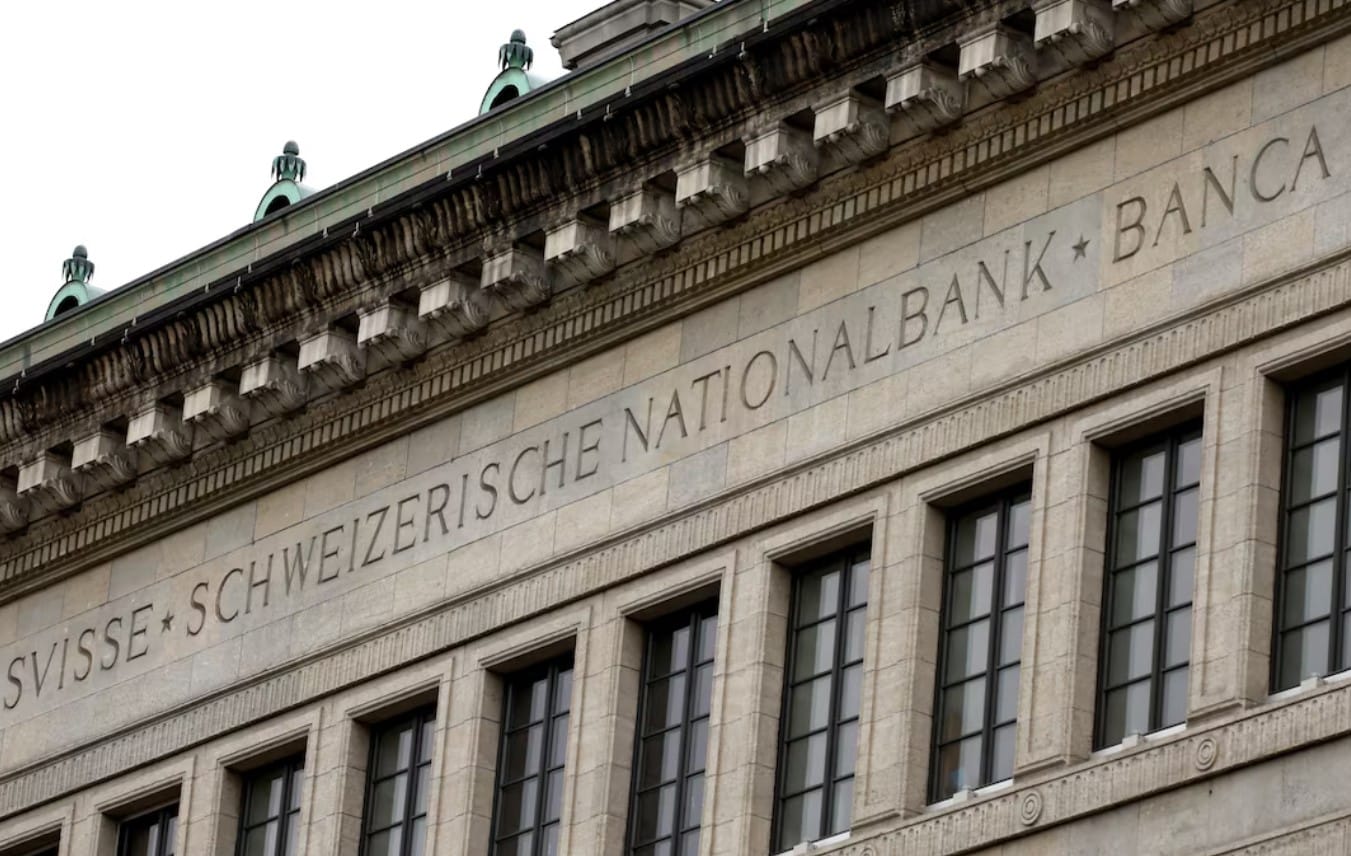
The Swiss National Bank cut its main interest rate by 25 basis points to 1.50 per cent and also reduced its interest rate on sight deposits to the same percentage. This decision marked the first rate cut in nine years and was unexpected by many, leading to a decrease in the value of the Swiss franc and a drop in Swiss government bond yields. The move was in response to a drop in Swiss inflation to 1.2 per cent in February, maintaining within the SNB’s target range of 0-2 per cent for nine consecutive months. The SNB’s action reflects its assessment that the fight against inflation over the past two and a half years has been effective, with expectations that inflation will remain within the target range in the coming years. This decision came before the chairman, Thomas Jordan, is set to step down in September.

BoE must cut rates at next meeting, says deVere CEO

BoE must cut rates at next meeting, says deVere CEO

The Bank of England left interest rates unchanged at 5.25%, a 16-year high, on Thursday. Critics and financial experts, including Nigel Green, CEO of the deVere Group, are calling for the central bank to reduce rates at their next opportunity to alleviate financial strains on businesses and households, enhance business profitability, make homeownership more accessible, boost consumer confidence and spending, and stimulate economic growth. Lower interest rates are also seen as beneficial for investors, as they tend to increase demand for risk assets like equities. Green argues that proactive rate cuts are essential to prevent economic downturns and mitigate recession risks, despite concerns that such actions could fuel inflation. He emphasizes that the Bank of England has the tools and expertise to manage inflation effectively while supporting growth through rate adjustments.

Pound tumbles, gilts rally after BoE nods at rate cut ahead

Pound tumbles, gilts rally after BoE nods at rate cut ahead

– The Bank of England (BoE) kept its benchmark interest rate at 5.25%, the highest since 2008.
– The decision followed data showing inflation fell to its lowest in almost two-and-a-half years but remained high.
– After the BoE’s decision, the pound fell by as much as 0.48% to a session low of .2726 and was down 0.3% against the euro at 85.63.
– Two-year gilt yields dropped by as much as 12.8 basis points to 4.103%.
– The BoE’s interest rate-setters voted 8-1 to keep borrowing costs at 5.25%.
– Britain’s headline inflation rate fell to 3.4% in February from 4.0% in January, the highest in the Group of Seven.
– Money markets were pricing a 75% chance of a BoE rate cut in June after the decision.
– The Swiss National Bank delivered a surprise quarter-point rate cut, the first major central bank to dial back tighter monetary policy aimed at tackling inflation.
– The Bank of Japan raised rates for the first time in 17 years, and the Federal Reserve indicated it might cut rates three times this year.
– A survey showed British businesses continued to recover from recession, with inflationary pressures persisting.

Turkey central bank stuns market with 500-point rate hike to 50%

Turkey central bank stuns market with 500-point rate hike to 50%

Turkey’s central bank raised interest rates by 500 basis points to 50% due to a deteriorating inflation outlook and may tighten further if inflation worsens significantly and persistently. This decision, seen as a demonstration of the central bank’s independence, occurred 10 days before nationwide local elections. Following the rate hike, the lira appreciated by up to 1.5% against the dollar, and Turkey’s dollar bonds rallied. Since last June, the central bank has increased the key one-week repo rate by 4,150 basis points from 8.5%, following a shift towards more orthodox economic policies after President Tayyip Erdogan’s election victory in May. The central bank also adjusted its policy operational framework, setting the overnight borrowing and lending rates 300 basis points below and above the repo rate. Inflation in Turkey rose to 67% last month, higher than expected, despite a series of rate hikes since June. A Reuters poll showed that while most respondents expected the rate to remain steady in March, a majority anticipated further hikes later in the year. The central bank has also taken steps to tighten credit, including adjusting reserve requirements and raising the maximum rate on credit card cash withdrawals. Tighter fiscal policy is expected after the upcoming elections, which could increase credit costs and exacerbate the cost-of-living crisis in Turkey.

Cyprus banks to maintain stability, but lower profits, says Moody, ’s

Cyprus banks to maintain stability, but lower profits, says Moody, ’s

– Risks associated with loans for Cypriot banks are expected to decrease due to economic growth, declining inflation, and unemployment rates.
– Moody’s predicts a decline in bank profits from recent highs.
– A gradual decrease in net interest margins is anticipated due to rising deposit costs and falling interest rates, influenced by competition and high levels of private sector debt.
– Stricter loan criteria and loan restructuring efforts are improving loan quality and reducing problematic loans.
– Asset quality risks from foreclosed properties are diminishing, supported by a strong real estate market.
– The banking sector in Cyprus is characterized by a low loan-to-deposit ratio and ample liquidity reserves.
– Cyprus’ GDP is forecasted to grow by 2.8% in 2024 and 3.2% in 2025-27, outpacing the euro area by 0.8% in 2024.
– Economic growth is supported by diversification in the services sector and significant foreign direct investment projects.
– Moderate growth in the loan portfolio is expected due to the banking system’s saturation, high private sector debt, and elevated interest rates.
– Monetary policy is expected to remain restrictive, even with interest rate reductions by the European Central Bank.
– The NPE ratio is expected to decrease below 3% this year.
– The proportion of foreclosed assets relative to bank equity is decreasing, supported by the real estate market.
– Capital risks are declining, with banks completing risk release and balance sheet restructuring.
– The Common Equity Tier 1 ratio for assessed banks increased to 18.8% at the end of 2023.
– Moody’s assessment focuses on Cyprus’ two largest domestic banks, Bank of Cyprus and Hellenic Bank, which represent a significant portion of the banking system’s assets.
– The weighted average Baseline Credit Assessment of the two major banks is ba2, with a weighted average asset-based deposit rating of Baa3.

UK house prices fall by 0.6 per cent in annual terms in January

UK house prices fall by 0.6 per cent in annual terms in January

British house prices fell by 0.6 percent on an annual basis in January, after a revised 2.2 percent decrease in December, according to the Office for National Statistics (ONS). Other data showed house prices rose in January as demand increased following a decrease in mortgage costs and weaker inflation. A slowdown in British consumer price inflation led to increased expectations of an interest rate cut by the Bank of England in August. The ONS reported that private rents rose by 9.0 percent in the year to February, the largest increase since records began in 2015, up from 8.5 percent in the 12 months to January.