Brainard Speaks on Upcoming Tax Debate

Brainard Speaks on Upcoming Tax Debate

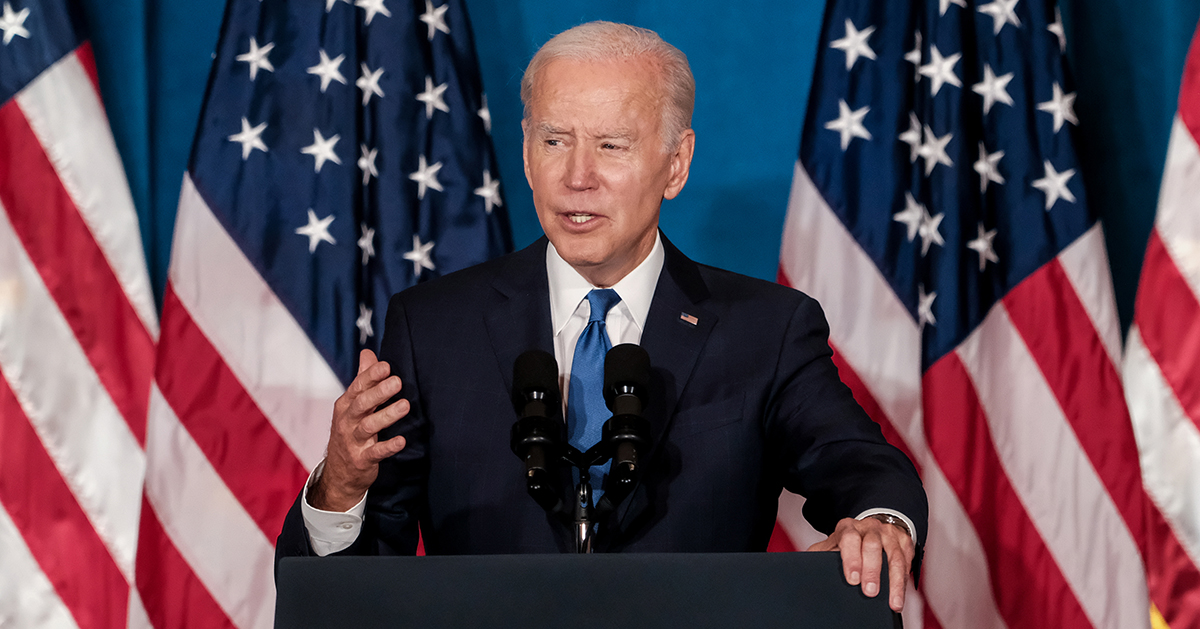
The text discusses the economic policies of the White House, highlighting the President’s plan to grow the economy from the middle out and bottom up. The President is committed to not raising taxes on anyone making less than 0,000 and will cut taxes further for workers and families, funded by asking corporations and the wealthy to contribute more.

Options for Navigating the 2025 Tax Cuts and Jobs Act Expirations

Options for Navigating the 2025 Tax Cuts and Jobs Act Expirations

The text discusses the upcoming expiration of the 2017 Tax Cuts and Jobs Act (TCJA) in 2025 and provides insight into various tax reform options. Lawmakers will need to decide on priorities for tax reform, including maintaining the TCJA policies or implementing fundamental reforms. The text outlines two alternative reform options that focus on better cost recovery for business investment, lower individual rates, and a broader tax base. These options aim to grow the economy, provide revenue, and avoid increasing the deficit. Lawmakers are encouraged to prioritize growth and fiscal responsibility in designing tax legislation to prevent a tax hike in 2025.

Biden plans for higher taxes on the ultra-wealthy and corporations to extend middle-class tax breaks

Biden plans for higher taxes on the ultra-wealthy and corporations to extend middle-class tax breaks

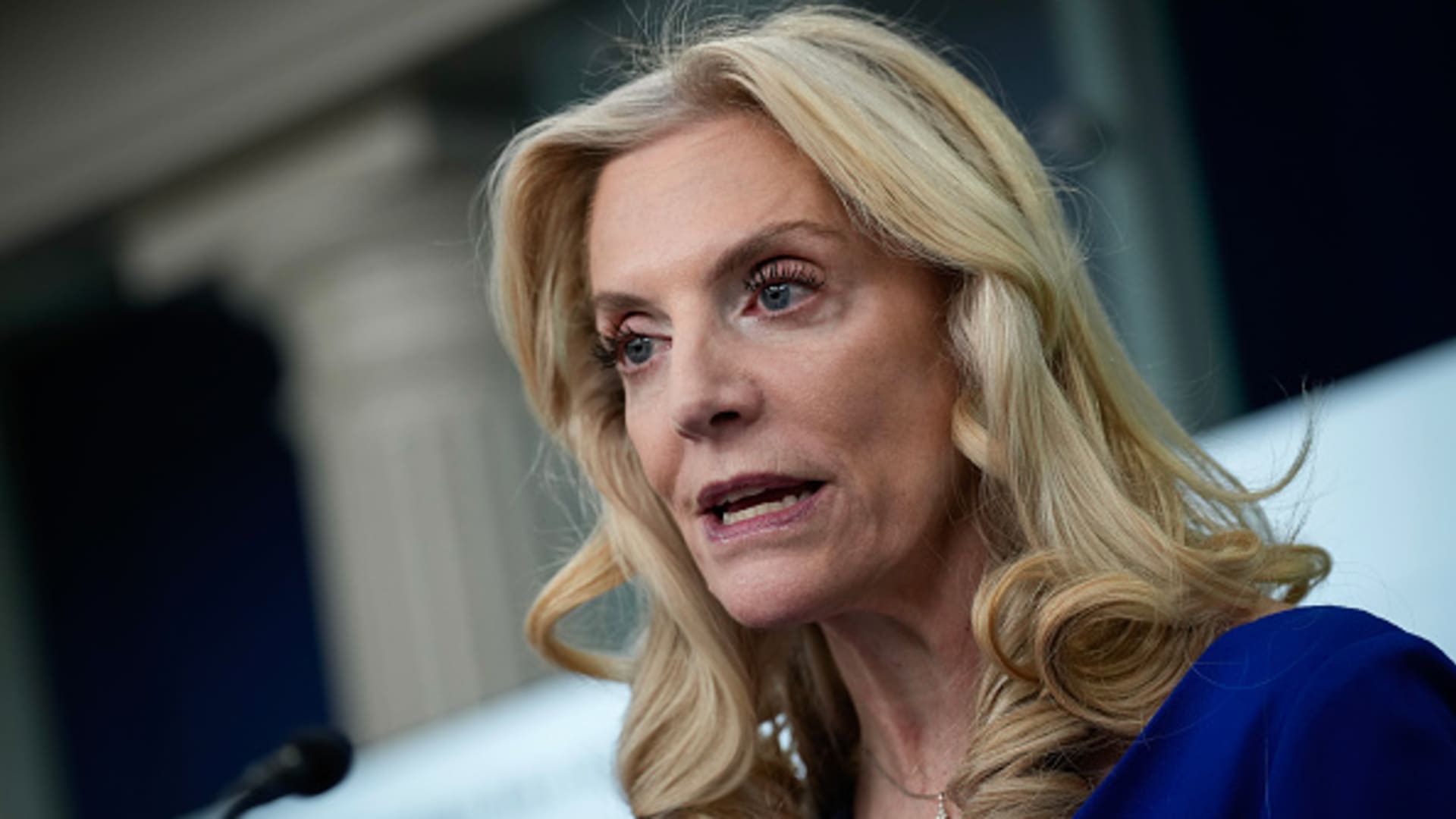
Director of the National Economic Council Lael Brainard spoke at the White House about the upcoming debate over trillions in expiring tax breaks enacted by former President Donald Trump. Several provisions from the Tax Cuts and Jobs Act of 2017 will expire after 2025 without changes from Congress, including lower federal income tax brackets, a higher standard deduction, and doubled estate and gift tax exemption. The Republicans’ tax package also permanently reduced corporate taxes. Brainard emphasized the need to end tax breaks for the ultra-wealthy and scale back costly corporate tax breaks. The debate over extending the tax breaks comes amid concerns about the national debt. Biden’s administration aims to extend provisions for middle-class Americans funded by raising taxes on the ultra-wealthy and corporations. House Republicans are studying solutions to address the upcoming tax cliff in 2025.

White House begins push for corporate tax hike in earnest

White House begins push for corporate tax hike in earnest

Fact: Lael Brainard, director of the White House National Economic Council, stated that President Biden is considering raising the corporate tax rate and increasing the federal tax on stock buybacks if he wins a second term.

Corporate Taxes Before and After the Trump Tax Law

Corporate Taxes Before and After the Trump Tax Law

– America’s largest, consistently profitable corporations saw their effective tax rates fall from an average of 22.0 percent to an average of 12.8 percent after the Trump tax law went into effect in 2017.
– The 296 largest and consistently profitable U.S. corporations paid 0 billion less in taxes from 2018 to 2021 compared to before the Trump tax law.
– While profits for these corporations rose by 44 percent after the Trump tax law, their federal tax bills dropped by 16 percent.
– The number of corporations paying tax rates of less than 10 percent increased from 56 to 95 after the Trump tax law.
– Many well-known corporations, including Walmart, Verizon, Disney, and Meta, had the largest tax reductions after the Trump tax law.

President Biden’s Budget Calls for Raising $4.3 Trillion in Revenues Over Ten Years — Here’s How

President Biden’s Budget Calls for Raising $4.3 Trillion in Revenues Over Ten Years — Here’s How

The Biden Administration released a budget proposal for the 2025 fiscal year that includes tax proposals generating .3 trillion over the next decade. The most significant proposals include increasing taxes on corporations and high-income taxpayers.

Honey, I Shrunk The Tax Base: The Decline In Taxable Shareholders

Honey, I Shrunk The Tax Base: The Decline In Taxable Shareholders

The content discusses updated data from the Urban-Brookings Tax Policy Center showing a decreasing shareholder tax base and how it could affect tax policy. The percentage of taxable shareholders has dwindled over time, with implications for taxing dividends and capital income. Foreign investors, retirement accounts, and not-for-profit institutions are the largest groups of nontaxable shareholders. The article aims to address the issue of a shrinking tax base and provides transparency in methodology for readers to engage with the data. The implications of the decreasing shareholder tax base include the impact on corporate tax cuts benefiting foreign investors and the need to consider solutions like a withholding tax on corporate distributions to foreign investors.

IRS Issues Proposed Regulations On The New Company Stock Buyback Tax

IRS Issues Proposed Regulations On The New Company Stock Buyback Tax

Fact: The IRS issued proposed regulations on April 9, 2024, that would impact publicly traded domestic corporations and certain publicly traded foreign corporations that repurchase their stock or whose stock is acquired by certain affiliates.

IRS Proposes Regs For Stock Repurchase Excise Tax

IRS Proposes Regs For Stock Repurchase Excise Tax

The Treasury Department and the IRS issued proposed rules providing guidance on the 1% excise tax on corporate stock buybacks under the Inflation Reduction Act. The tax applies to publicly traded domestic corporations and certain affiliates. The proposed regulations clarify how to calculate and pay the tax, including reporting on Form 720. The tax aims to ensure large corporations pay their fair share and improve tax fairness.

Who Pays Taxes in America in 2024

Who Pays Taxes in America in 2024

– America’s tax system is just barely progressive, with room for improvement to combat economic, wealth, and racial inequality.
– The share of all taxes paid by the rich slightly exceeds the share of total income they receive.
– The share of all taxes paid by the poor is slightly less than the share of income received by the poor.
– The tax system would appear less progressive if it included unrealized capital gains.
– Federal tax system is relatively progressive, while state and local taxes are mostly regressive.
– Federal personal income tax, corporate income tax, and estate tax are considered progressive.
– Payroll tax, including Social Security tax, is not particularly progressive.
– Tax laws enacted over the past 25 years have made the tax system less progressive.
– Some politicians claim the tax system is too progressive, but data shows it is not as progressive as claimed.
– President Biden has proposed tax reforms to raise trillions in new revenue.
– The IRS has documented that hundreds of billions of federal taxes owed each year go unpaid due to underreporting of income.