UK PM Rishi Sunak rules out holding an election in early May

UK PM Rishi Sunak rules out holding an election in early May

British Prime Minister Rishi Sunak announced he would not hold a general election in early May, indicating the vote would likely occur later in the year. This statement aims to quell speculation about an early election, despite opposition parties urging for one. Sunak confirmed there would be no election on May 2, the same day as local elections, due to logistical challenges of organizing two elections close together. Despite facing political challenges, including a party defection and controversy over donor funds, Sunak has previously suggested the election could happen in the latter half of the year. Current polls show Sunak’s Conservative Party trailing behind the Labour Party by approximately 20 percentage points. The government has faced difficulties in fulfilling its main promises, but Sunak has achieved the goal of halving inflation by the end of 2023. A general election must be held by January next year, but Sunak has the discretion to call one sooner.
Cyprus to open polling stations abroad for EU elections

Cyprus to open polling stations abroad for EU elections

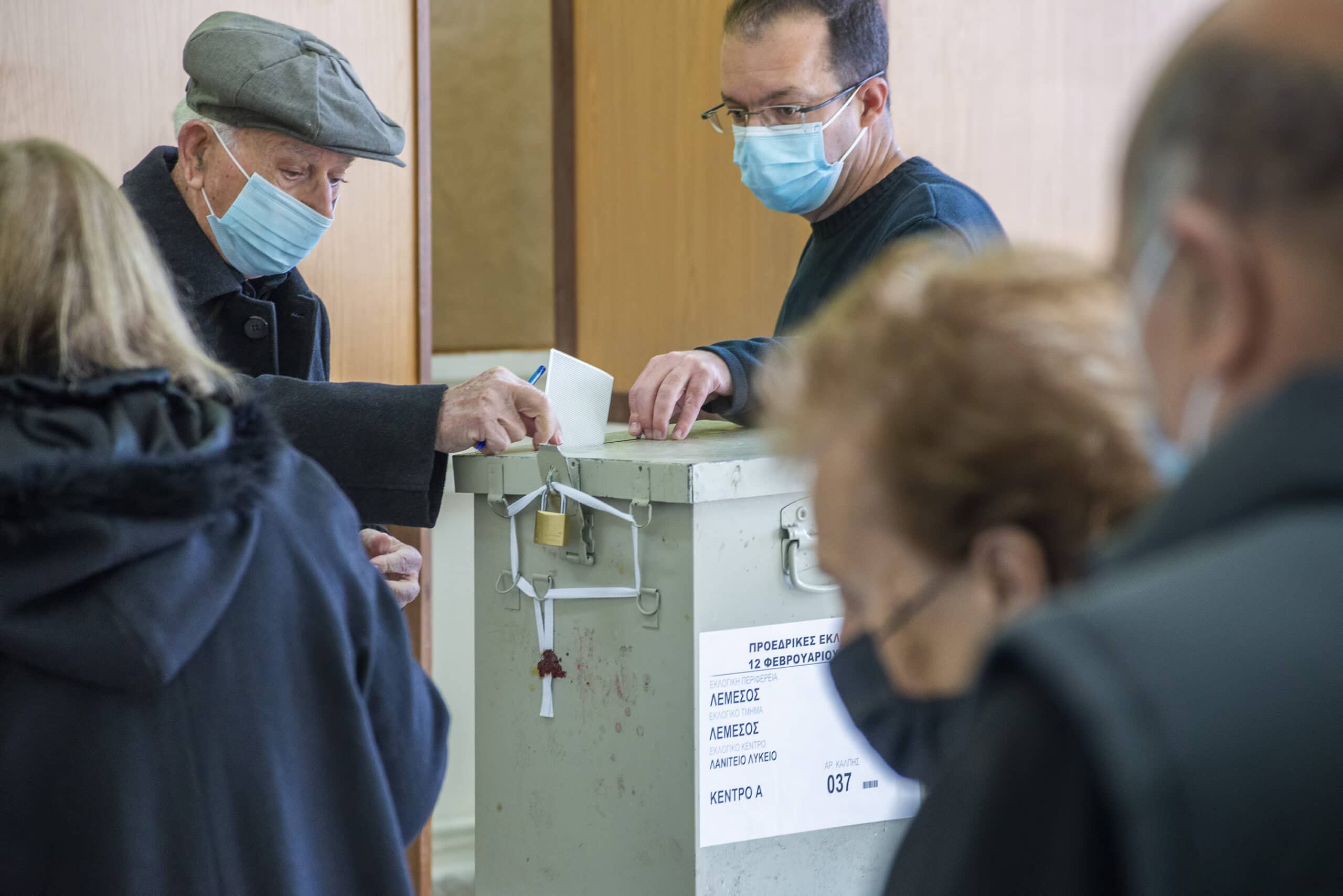
Cyprus will open polling stations in Greece, Belgium, and the United Kingdom for the European Parliament elections in June. Cypriots living in these countries can vote there if they register before April 2. A polling station will be established in any location where at least 50 voters submit a declaration requesting one. Voter registration for both local government and European Parliament elections is open until April 2, with the elections scheduled for June 9. In Cyprus, citizens of the Republic of Cyprus and EU citizens residing in Cyprus who are over 18 years old on election day (born on or after June 9, 2006) are eligible to vote. Voters aged 25 and over can register online, while paper applications are available at various local offices and can also be downloaded from the Electoral Service’s website.

Split in Israel coalition points to return of politics as normal

Split in Israel coalition points to return of politics as normal

– A centrist bloc in Israel’s unity government led by former defence minister Benny Gantz has dissolved.
– This development is increasing pressure on Prime Minister Benjamin Netanyahu during the ongoing Gaza war, which has lasted for five months.
– Gideon Saar, a former justice minister and ex-member of Netanyahu’s Likud party, left the partnership with Gantz to form a separate centre-right bloc in parliament.
– The coalition shifts, including Saar’s move, are common in Israeli politics and are not expected to immediately affect the government’s stability.
– Analysts interpret the breakup as a sign of a return to the usual political dynamics in Israel, highlighting a growing divide between right-wing and center-left factions.
– Gantz, considered a strong candidate for Israel’s next prime minister, recently made unapproved visits to Washington and London, causing upset among right-wing and religious nationalist coalition partners.
– Gantz has called for unity in the government and suggested that elections should be held after the war to allow candidates to present their contributions to the country.
– A poll by Channel 12 showed increasing support for early elections, with 50% of right-wing voters in favor, and Gantz’s National Unity Party leading over Likud by a significant margin.

Dutch politician Wilders says he is ready to forego job of prime minister

Dutch politician Wilders says he is ready to forego job of prime minister

Dutch politician Geert Wilders expressed his willingness to not pursue the position of prime minister to help establish a new right-wing government, following an election held on November 22, where his party received the most votes. Despite efforts and discussions with potential allies for over 100 days since the election, no successful coalition has been formed. Wilders emphasized his preference for a right-wing cabinet focused on reducing asylum and immigration, stating his love for his country and its voters surpasses his personal ambitions. The possibility of forming an “extra-parliamentary” cabinet, where leaders would not join the government but appoint external experts and politicians to government roles, has been considered.

Absence of trust in justice

Absence of trust in justice

A poll by Phileleftheros, conducted by Pulse Market Research, found that the Attorney General and the Deputy Attorney General do not satisfy citizens with their work, with only 29% of citizens responding positively about the Attorney General and 24% about the Deputy Attorney General. In contrast, 71% of citizens are satisfied with the work of the Auditor General. The poll also indicated that the negative stance towards the Attorney General is consistent across all party lines, with 51% of DISY voters, 66% of AKEL voters, and 61% of DIKO voters expressing a negative opinion. The President of the Republic has expressed intentions for institutional changes in the Audit Office, which has been met with immediate reaction from Odysseas Michaelides, the Auditor General. Additionally, the European Social Survey conducted by the University of Cyprus showed that the levels of trust in Justice are low, with an average of 4.39 out of 10.

ANALYSIS-Biden-Netanyahu rift raises questions about US weapons to Israel

ANALYSIS-Biden-Netanyahu rift raises questions about US weapons to Israel

A rift has developed between President Joe Biden and Israeli Prime Minister Benjamin Netanyahu over potential military actions in Gaza, particularly concerning a ground offensive in the south of the enclave. This situation has led to discussions within the U.S. administration about possibly leveraging military aid to encourage Israel to facilitate humanitarian relief in Gaza and minimize civilian casualties in its conflict with Hamas. Despite Biden’s historical support for Israel, he has shown signs of frustration with Netanyahu’s responses and has not ruled out the possibility of conditioning military aid on Israel’s actions, especially regarding an invasion of Rafah in southern Gaza. The U.S. has begun airdropping humanitarian supplies into Gaza and plans to build a floating aid dock off the Gaza coast. Conversations have occurred within the U.S. State Department about limiting military aid to Israel, though this idea has not gained traction among senior leadership. Biden’s approach to the situation is influenced by his 2024 re-election bid, aiming to balance support among pro-Israel voters and progressive Democrats. Public messaging from the U.S. has intensified following incidents that resulted in Palestinian civilian casualties.

Interior ministry calls on voters to register

The interior ministry of Cyprus has called on potential voters to register on the electoral roll before the April 2 deadline for the upcoming local government and European Parliament elections scheduled for June 9. Eligible voters include Cypriot and European Union citizens residing in Cyprus who are at least 18 years old by election day, specifically those born on or after June 9, 2006. Individuals who are 25 years old and above have the option to register online. Paper applications for voter registration are available at district administrations, Citizens’ Service Centres, and post offices, and can also be downloaded and submitted at these locations. Additionally, polling stations will be available overseas in Greece, the United Kingdom, and Belgium.