Accenture fans IT industry spending gloom with annual forecast cut

Accenture fans IT industry spending gloom with annual forecast cut

Accenture, an IT services provider, reduced its fiscal-year 2024 revenue forecast due to an uncertain economy leading clients to reduce spending on consulting services, which resulted in a 5.6% drop in its shares in premarket trading. The company now expects a full-year revenue growth of 1% to 3%, down from the previously forecasted 2% to 5%. Accenture has faced sluggish demand for its IT and consulting services, prompting layoffs and severance-related costs of 0 million this fiscal year, following .1 billion the previous year for cutting around 19,000 jobs, or 2.5% of its workforce. Rivals Tata Consultancy Services and Infosys also reported lower quarterly results earlier in the year. Analysts from Baird Equity noted a deceleration in industry growth over the past six quarters and suggested it might take years for Accenture to return to mid- to high-single-digit organic growth. The company forecasted third-quarter revenue between .25 billion and .85 billion, below the estimated .01 billion. New bookings fell 2% to .58 billion for the second quarter, with revenue for its Communications, Media & Technology segment decreasing by 8% year-over-year. Accenture reported a revenue of .80 billion, slightly below the analysts’ estimate of .84 billion, and an adjusted earnings of .77 per share, compared to the estimated .66 per share.

Cyprus banks: interest rate policies harming borrowers and savers

Cyprus banks: interest rate policies harming borrowers and savers

By December 2023, interest rates on Cyprus bank loans for house purchases had reached an average of 5.1%, compared with the average rate of 3.8% for other euro area countries. The average interest rate on Cyprus bank loans to corporations was 5.7% in December 2023, exceeding the euro area average of 5.1%. Cyprus banks had increased their profits by 600% to over €1.1 billion in 2023. The interest income of the two largest banks increased by €830 million between 2022 and 2023, mainly due to higher interest receipts from the ECB. Cyprus banks deposited around 35% of their assets at the ECB, earning from 2% to 4% in interest in 2023. Cyprus banks offered an average interest rate of 2.06% on fixed term deposits in January 2024, compared with an average deposit rate of 3.21% in the euro area. The net interest margins for Cyprus banks exceeded three percentage points, while the average for the euro area was just over one percentage point. The Bank of Cyprus announced that €112 million of their after-tax profit of €487 million would be distributed as cash dividends to shareholders, with a share buyback of up to €25 million.

Swiss central bank cuts rates in surprise move, getting ahead of global peers

Swiss central bank cuts rates in surprise move, getting ahead of global peers

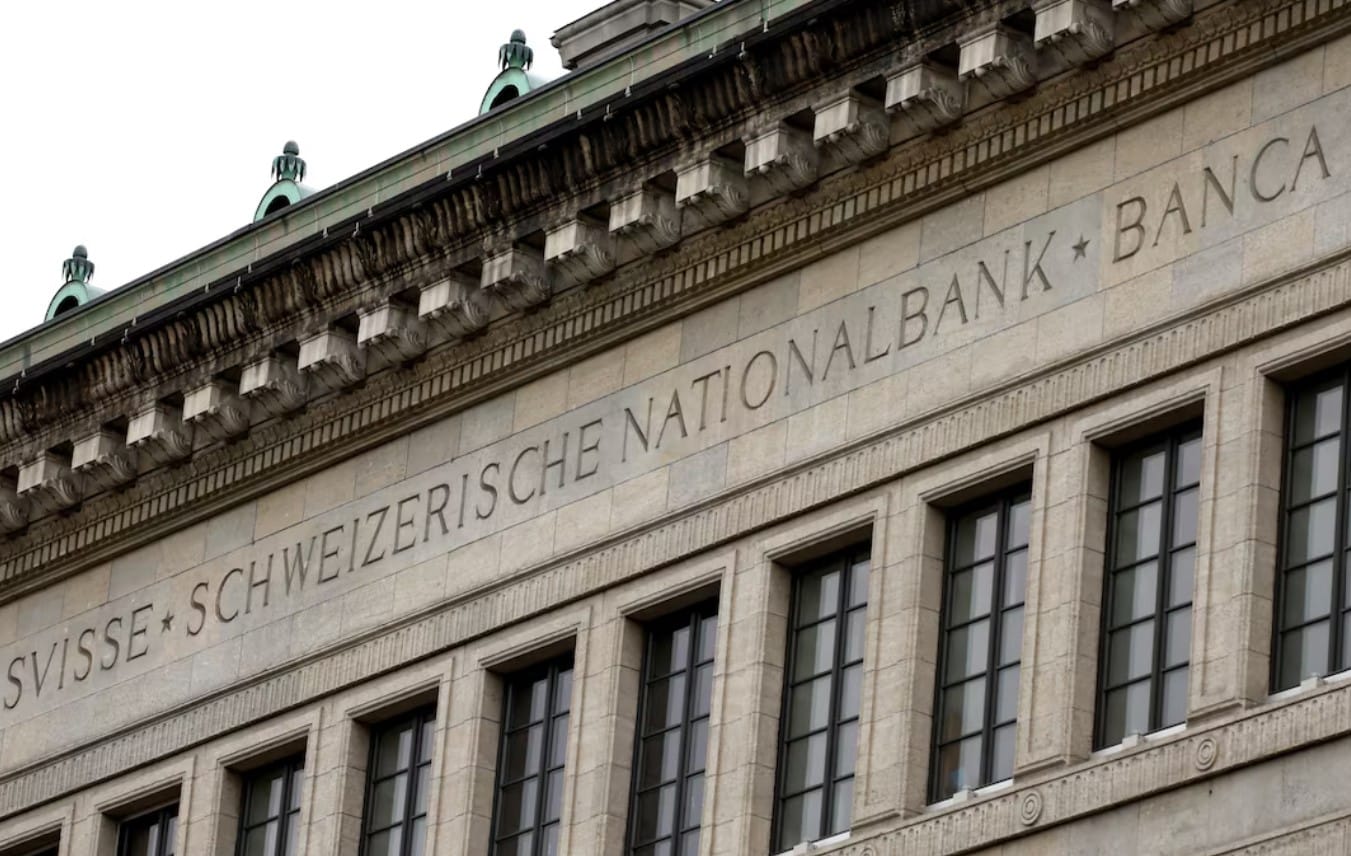
The Swiss National Bank cut its main interest rate by 25 basis points to 1.50 per cent and also reduced its interest rate on sight deposits to the same percentage. This decision marked the first rate cut in nine years and was unexpected by many, leading to a decrease in the value of the Swiss franc and a drop in Swiss government bond yields. The move was in response to a drop in Swiss inflation to 1.2 per cent in February, maintaining within the SNB’s target range of 0-2 per cent for nine consecutive months. The SNB’s action reflects its assessment that the fight against inflation over the past two and a half years has been effective, with expectations that inflation will remain within the target range in the coming years. This decision came before the chairman, Thomas Jordan, is set to step down in September.

BoE must cut rates at next meeting, says deVere CEO

BoE must cut rates at next meeting, says deVere CEO

The Bank of England left interest rates unchanged at 5.25%, a 16-year high, on Thursday. Critics and financial experts, including Nigel Green, CEO of the deVere Group, are calling for the central bank to reduce rates at their next opportunity to alleviate financial strains on businesses and households, enhance business profitability, make homeownership more accessible, boost consumer confidence and spending, and stimulate economic growth. Lower interest rates are also seen as beneficial for investors, as they tend to increase demand for risk assets like equities. Green argues that proactive rate cuts are essential to prevent economic downturns and mitigate recession risks, despite concerns that such actions could fuel inflation. He emphasizes that the Bank of England has the tools and expertise to manage inflation effectively while supporting growth through rate adjustments.

Explainer: How will the West use Russia’s frozen assets?

Explainer: How will the West use Russia’s frozen assets?

The European Union is expected to move closer to seizing profits from approximately 0 billion worth of Russian assets frozen since the invasion of Ukraine in February 2022. EU leaders aim to send confiscated money to Ukraine, facing complex legal challenges. Options include siphoning off proceeds from matured assets held mainly in Euroclear, confiscating Russian reserves under international law, issuing “reparation bonds” tied to war reparations from Russia, and arranging a syndicated loan where allies could use frozen assets to pay off loans if Moscow refuses to pay damages. The EU estimates it could send Ukraine 2.5 to 3 billion euros annually from seized profits. Belgium plans to send 1.5 billion euros to Ukraine immediately from taxed profits. Euroclear will retain a portion of the profits for operational and litigation costs. There are concerns about potential legal challenges from Russia and the impact on international asset holdings in Europe.

Pound tumbles, gilts rally after BoE nods at rate cut ahead

Pound tumbles, gilts rally after BoE nods at rate cut ahead

– The Bank of England (BoE) kept its benchmark interest rate at 5.25%, the highest since 2008.
– The decision followed data showing inflation fell to its lowest in almost two-and-a-half years but remained high.
– After the BoE’s decision, the pound fell by as much as 0.48% to a session low of .2726 and was down 0.3% against the euro at 85.63.
– Two-year gilt yields dropped by as much as 12.8 basis points to 4.103%.
– The BoE’s interest rate-setters voted 8-1 to keep borrowing costs at 5.25%.
– Britain’s headline inflation rate fell to 3.4% in February from 4.0% in January, the highest in the Group of Seven.
– Money markets were pricing a 75% chance of a BoE rate cut in June after the decision.
– The Swiss National Bank delivered a surprise quarter-point rate cut, the first major central bank to dial back tighter monetary policy aimed at tackling inflation.
– The Bank of Japan raised rates for the first time in 17 years, and the Federal Reserve indicated it might cut rates three times this year.
– A survey showed British businesses continued to recover from recession, with inflationary pressures persisting.

Turkey central bank stuns market with 500-point rate hike to 50%

Turkey central bank stuns market with 500-point rate hike to 50%

Turkey’s central bank raised interest rates by 500 basis points to 50% due to a deteriorating inflation outlook and may tighten further if inflation worsens significantly and persistently. This decision, seen as a demonstration of the central bank’s independence, occurred 10 days before nationwide local elections. Following the rate hike, the lira appreciated by up to 1.5% against the dollar, and Turkey’s dollar bonds rallied. Since last June, the central bank has increased the key one-week repo rate by 4,150 basis points from 8.5%, following a shift towards more orthodox economic policies after President Tayyip Erdogan’s election victory in May. The central bank also adjusted its policy operational framework, setting the overnight borrowing and lending rates 300 basis points below and above the repo rate. Inflation in Turkey rose to 67% last month, higher than expected, despite a series of rate hikes since June. A Reuters poll showed that while most respondents expected the rate to remain steady in March, a majority anticipated further hikes later in the year. The central bank has also taken steps to tighten credit, including adjusting reserve requirements and raising the maximum rate on credit card cash withdrawals. Tighter fiscal policy is expected after the upcoming elections, which could increase credit costs and exacerbate the cost-of-living crisis in Turkey.

Cyprus banks to maintain stability, but lower profits, says Moody, ’s

Cyprus banks to maintain stability, but lower profits, says Moody, ’s

– Risks associated with loans for Cypriot banks are expected to decrease due to economic growth, declining inflation, and unemployment rates.
– Moody’s predicts a decline in bank profits from recent highs.
– A gradual decrease in net interest margins is anticipated due to rising deposit costs and falling interest rates, influenced by competition and high levels of private sector debt.
– Stricter loan criteria and loan restructuring efforts are improving loan quality and reducing problematic loans.
– Asset quality risks from foreclosed properties are diminishing, supported by a strong real estate market.
– The banking sector in Cyprus is characterized by a low loan-to-deposit ratio and ample liquidity reserves.
– Cyprus’ GDP is forecasted to grow by 2.8% in 2024 and 3.2% in 2025-27, outpacing the euro area by 0.8% in 2024.
– Economic growth is supported by diversification in the services sector and significant foreign direct investment projects.
– Moderate growth in the loan portfolio is expected due to the banking system’s saturation, high private sector debt, and elevated interest rates.
– Monetary policy is expected to remain restrictive, even with interest rate reductions by the European Central Bank.
– The NPE ratio is expected to decrease below 3% this year.
– The proportion of foreclosed assets relative to bank equity is decreasing, supported by the real estate market.
– Capital risks are declining, with banks completing risk release and balance sheet restructuring.
– The Common Equity Tier 1 ratio for assessed banks increased to 18.8% at the end of 2023.
– Moody’s assessment focuses on Cyprus’ two largest domestic banks, Bank of Cyprus and Hellenic Bank, which represent a significant portion of the banking system’s assets.
– The weighted average Baseline Credit Assessment of the two major banks is ba2, with a weighted average asset-based deposit rating of Baa3.

Goldman Sachs digital asset head says crypto rally driven by retail investors

Goldman Sachs digital asset head says crypto rally driven by retail investors

The recent surge in cryptocurrency prices has been driven primarily by retail investors, with institutions beginning to participate, according to Goldman Sachs’ head of digital assets, Mathew McDermott. Bitcoin reached an all-time high of ,794 last week and has seen a 50% increase this year. Goldman Sachs launched a crypto trading desk in 2021 and has observed a significant change in client types and trading volumes this year. Analysts suggest that the influx of funds into US spot bitcoin ETFs, which launched this year, may be contributing to bitcoin’s gains. The cryptocurrency market experienced a boom during 2020 and 2021, driven by low interest rates, but faced a downturn in 2022 following a series of bankruptcies among major crypto firms, leading to a trillion loss in market value. McDermott mentioned Goldman Sachs’ interest in bankruptcy claims and investment opportunities in the crypto sector. Despite the volatility and risks associated with bitcoin, there is interest in the blockchain technology behind cryptocurrencies for trading assets other than cryptocurrencies. McDermott anticipates that more asset classes will be tokenized in the future, potentially gaining scale within one or two years.

Easing UK inflation keeps BoE on track for rate cuts later in 2024

Easing UK inflation keeps BoE on track for rate cuts later in 2024

British inflation slowed in February, with consumer prices rising by 3.4% in annual terms after a 4.0% increase in January. This was the weakest rate of inflation since September 2021. Core inflation, which excludes energy, food, and tobacco prices, also slowed to 4.5% from 5.1% in January. Despite the moderation, Britain still has the highest rate of headline inflation among the Group of Seven advanced economies, with consumer prices having increased by more than 21% since the end of 2020. The Bank of England (BoE) has indicated that underlying inflation pressures remain too persistent for it to cut interest rates now, although it has signaled that lower borrowing costs are likely later this year. Finance Minister Jeremy Hunt mentioned that the fall in inflation could help the government with its goal of abolishing social security taxes, provided it does not lead to increased borrowing or cuts in funding for public services.