Tehran could review , ‘nuclear doctrine’ amid Israeli threats

Tehran could review , ‘nuclear doctrine’ amid Israeli threats

Iran could review its “nuclear doctrine” following Israeli threats, raising concerns about Tehran’s nuclear program. Israel has threatened to retaliate against Iran’s missile and drone attack, which was in response to a suspected Israeli strike on its embassy compound in Damascus. Ahmad Haghtalab, a senior Iranian Revolutionary Guards commander, stated that threats against Iran’s nuclear facilities could lead to a change in their nuclear doctrine. Iran’s Supreme Leader, Ayatollah Ali Khamenei, has the final say on the nuclear program, which the West suspects has military purposes. Talks between Tehran and Washington to revive the 2015 nuclear pact have stalled since 2022. Iran continues to enrich uranium at rates up to 60% purity, far beyond the needs for commercial nuclear use.

Russian peacekeepers have begun withdrawing from Azerbaijan’s Karabakh, says Kremlin

Russian peacekeepers have begun withdrawing from Azerbaijan’s Karabakh, says Kremlin

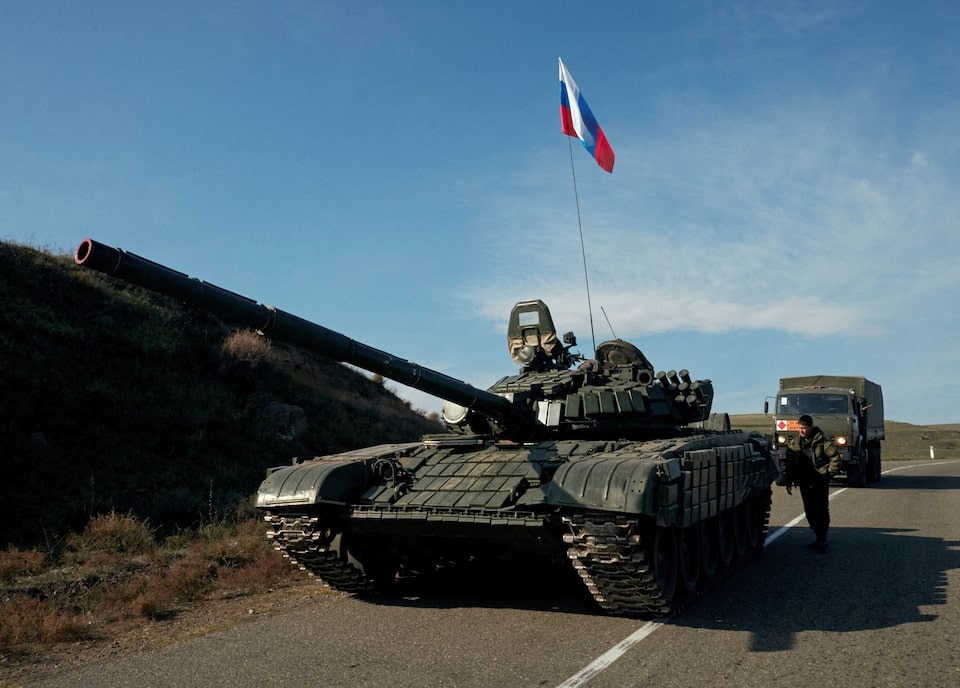
Russian peacekeepers have started withdrawing from Azerbaijan’s Karabakh region, ending their multi-year deployment. The move comes after Azerbaijan retook Nagorno-Karabakh last year despite the presence of Russian peacekeepers, triggering the exodus of ethnic Armenians. Armenian Prime Minister Pashinyan has questioned his country’s alliance with Russia and is building closer ties with the West. Armenia has asked Russian border guards to leave their posts at the main airport in Yerevan. Kremlin spokesman Peskov confirmed the withdrawal, and Azerbaijani media reported that Russian peacekeepers have already started leaving the region. The peacekeeping troops were deployed in November 2020 under a Moscow-brokered deal to stop fighting between Azerbaijani and ethnic Armenian forces.

Social media platform X blocked in Pakistan over national security, ministry says

Social media platform X blocked in Pakistan over national security, ministry says

Pakistan’s interior ministry confirmed blocking access to social media platform X during February’s election due to national security concerns. This decision was made after X, formerly Twitter, failed to comply with government directives and address misuse of the platform. The ban was imposed to uphold national security, public order, and the nation’s integrity. Despite restrictions, some government officials, including Prime Minister Shehbaz Sharif, continue to use X through VPN software. The decision to block X was based on confidential reports from intelligence and security agencies, citing concerns of hostile elements on the platform aiming to create chaos and instability in the country.

‘Rebel Moon’ sequel offers more action, backstory of warriors

‘Rebel Moon’ sequel offers more action, backstory of warriors

Zack Snyder’s “Rebel Moon – Part Two: The Scargiver” completes his vision for the franchise, picking up where the first installment left off. The movie follows Kora and rebel warriors teaming up with the people of Veldt to fight off an attack from Motherworld. The film delves into the characters’ backstories and motivations, with more action and depth promised. Snyder directed, co-wrote, and produced the movie, with a director’s cut expected in August. The film starts streaming on Netflix on April 19.

FACTBOX-Lebanon’s Hezbollah: What weapons does it have?

FACTBOX-Lebanon’s Hezbollah: What weapons does it have?

Hezbollah, a heavily armed non-state group in Lebanon, is a key player in the Iran-backed “Axis of Resistance” alliance against Israel and U.S. influence in the Middle East. Hezbollah possesses a vast arsenal of over 150,000 missiles and rockets, including precision weapons, anti-tank, anti-aircraft, and anti-ship missiles. The group also has around 45,000 fighters and has used drones in hostilities with Israel.

Israeli tanks push back in northern Gaza, warplanes hit Rafah, say residents

Israeli tanks push back in northern Gaza, warplanes hit Rafah, say residents

Israeli tanks re-entered parts of northern Gaza and carried out air strikes on Rafah, killing and injuring several people. Tanks surrounded schools where displaced families were seeking refuge, ordering evacuations and detaining men. The Israeli military continued operations in central Gaza, targeting gunmen and destroying terrorist infrastructure. Israel is still imposing restrictions on humanitarian aid to Gaza, despite some claims of increased aid flows. The Palestinian health ministry reported over 33,000 Palestinians killed by Israeli fire since October.

US Dollar consolidates gains as focus on geopolitics

US Dollar consolidates gains as focus on geopolitics

– Growing expectations for a delay in the Federal Reserve’s policy pivot and escalating geopolitical tensions fueled an impressive US Dollar rally last week.
– Iran launched an assault with dozens of drones in retaliation to a suspected Israeli attack on Iran’s consulate in Damascus.
– UN Secretary-General Antonio Guterres condemned Iran’s drone attacks targeting Israel as a “serious escalation” and called for restraint.
– US stock index futures trade modestly higher after a sharp decline on Wall Street.
– Gold opened higher and advanced above ,370 before retreating.
– EURUSD broke below 1.0700 and stabilized around 1.0650.
– GBPUSD lost 1.5% last week and stays below 1.2500 on Monday.
– Japanese Finance Minister Shunichi Suzuki is closely watching FX moves, particularly the broad Yen weakness.
– USDJPY closed the previous week higher and continued to push higher, trading at its highest level in over three decades near 154.00.

US will not take part in retaliatory action against Iran, White House says

US will not take part in retaliatory action against Iran, White House says

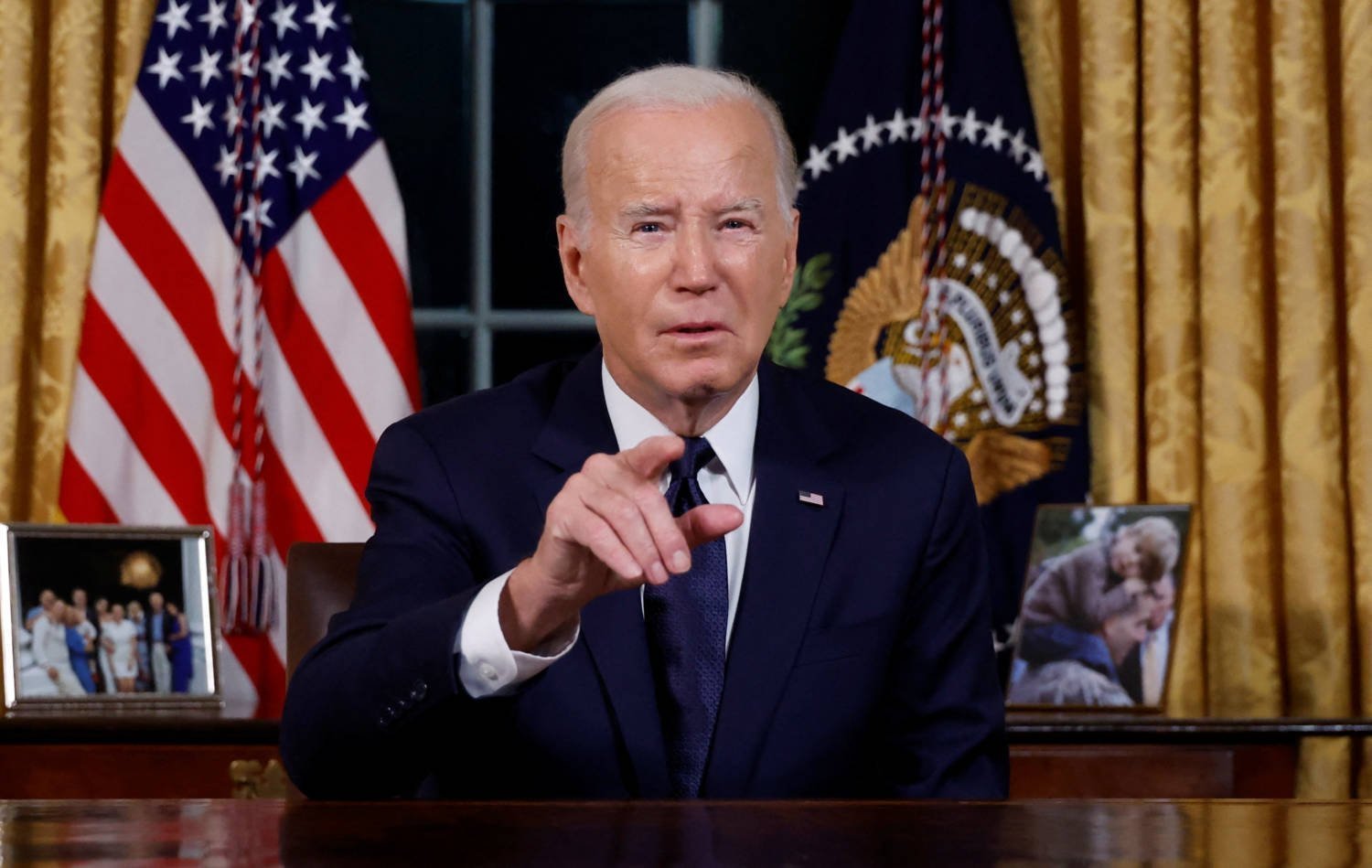
President Joe Biden warned Prime Minister Benjamin Netanyahu that the U.S. would not participate in a counter-offensive against Iran if Israel decides to retaliate for a mass drone and missile attack on Israeli territory overnight. The threat of open warfare between the two countries has caused global powers and Arab nations to urge restraint to avoid further escalation. The U.S. will continue to help Israel defend itself but does not want war, according to the White House’s top national security spokesperson. Iran launched the attack in response to a suspected Israeli strike on its consulate in Syria, causing only modest damage in Israel as most missiles were shot down with the help of the U.S., Britain, and Jordan. Israel is not planning an immediate retaliation and is seeking to build a regional coalition to address the threat posed by Iran.

Israel’s Netanyahu vows victory after Iran strikes, fears of wider conflict grow

Israel’s Netanyahu vows victory after Iran strikes, fears of wider conflict grow

Israel’s Prime Minister Benjamin Netanyahu stated that his country would achieve victory after the military successfully shot down almost all of the more than 300 drones and missiles launched by Iran. The attacks by Tehran, in response to an Israeli air strike in Damascus that killed officers of the Islamic Revolutionary Guard Corps, raised the threat of a wider regional conflict. Netanyahu posted on social media that “together we shall win,” and the Israeli military reported that over 99% of the Iranian drones and missiles were intercepted. Israel is considering a significant response to the attack, which has escalated tensions in the region.