Canada plans to reduce temporary residents, cap future intake
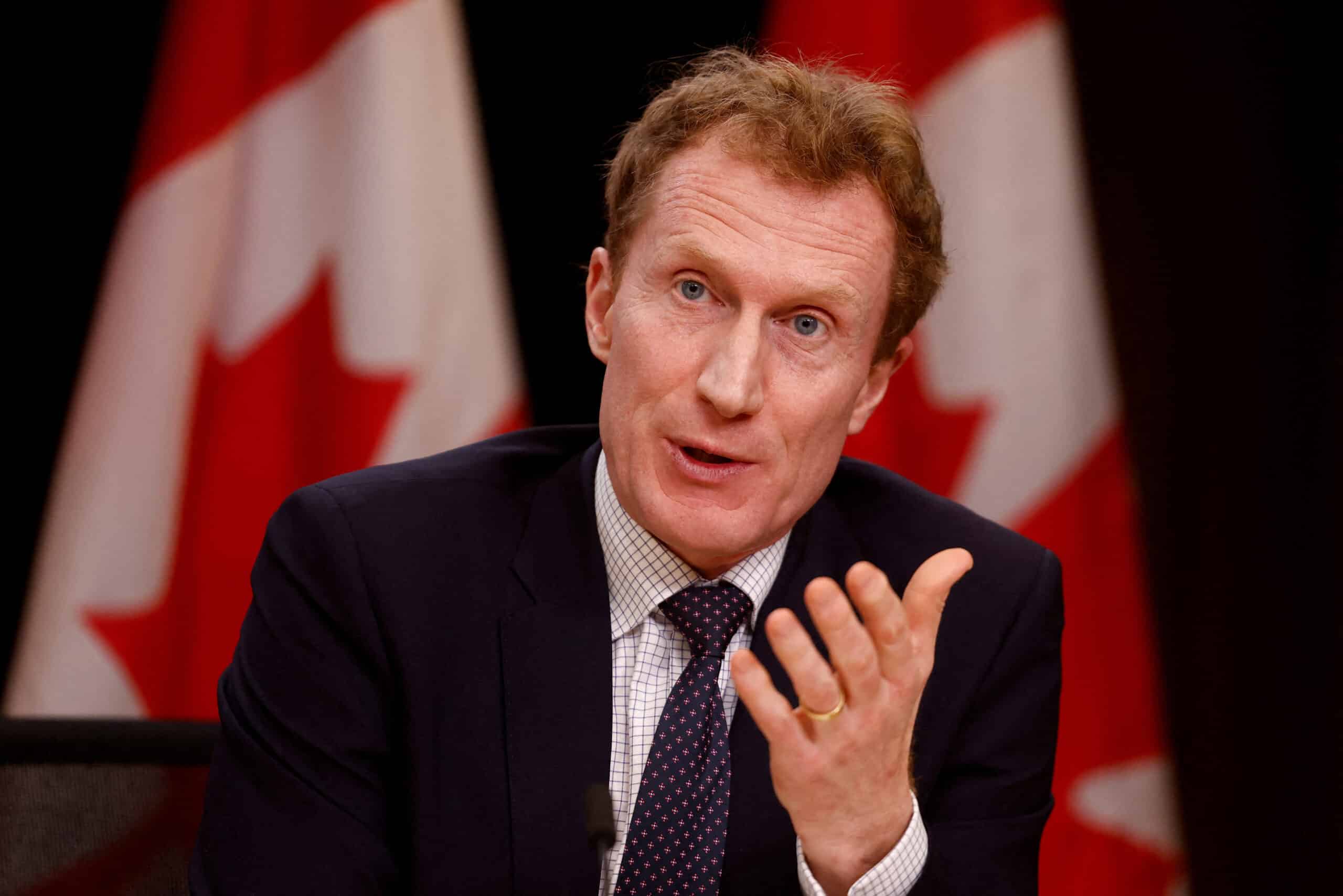
Canada plans to reduce temporary residents, cap future intake

Canada plans to reduce its temporary residents and set a cap on temporary immigration for the first time, aiming to address a housing shortage and stretched essential services. The government intends to decrease temporary residents to 5% of the total population over the next three years from 6.5% in 2023, which is about a 20% cut from the 2.5 million temporary residents in 2023. Immigration Minister Marc Miller announced the plan and will meet with provincial and territorial counterparts in May to finalize it. The government will also include temporary resident arrivals in the immigration levels plan starting this fall. Additionally, Canada announced a two-year cap on the intake of foreign students and will stop issuing work permits to some students after graduation.


Cyprus banks to maintain stability, but lower profits, says Moody, ’s

Cyprus banks to maintain stability, but lower profits, says Moody, ’s

– Risks associated with loans for Cypriot banks are expected to decrease due to economic growth, declining inflation, and unemployment rates.
– Moody’s predicts a decline in bank profits from recent highs.
– A gradual decrease in net interest margins is anticipated due to rising deposit costs and falling interest rates, influenced by competition and high levels of private sector debt.
– Stricter loan criteria and loan restructuring efforts are improving loan quality and reducing problematic loans.
– Asset quality risks from foreclosed properties are diminishing, supported by a strong real estate market.
– The banking sector in Cyprus is characterized by a low loan-to-deposit ratio and ample liquidity reserves.
– Cyprus’ GDP is forecasted to grow by 2.8% in 2024 and 3.2% in 2025-27, outpacing the euro area by 0.8% in 2024.
– Economic growth is supported by diversification in the services sector and significant foreign direct investment projects.
– Moderate growth in the loan portfolio is expected due to the banking system’s saturation, high private sector debt, and elevated interest rates.
– Monetary policy is expected to remain restrictive, even with interest rate reductions by the European Central Bank.
– The NPE ratio is expected to decrease below 3% this year.
– The proportion of foreclosed assets relative to bank equity is decreasing, supported by the real estate market.
– Capital risks are declining, with banks completing risk release and balance sheet restructuring.
– The Common Equity Tier 1 ratio for assessed banks increased to 18.8% at the end of 2023.
– Moody’s assessment focuses on Cyprus’ two largest domestic banks, Bank of Cyprus and Hellenic Bank, which represent a significant portion of the banking system’s assets.
– The weighted average Baseline Credit Assessment of the two major banks is ba2, with a weighted average asset-based deposit rating of Baa3.

Oil prices edge lower but set to end week over 3 per cent higher

Oil prices edge lower but set to end week over 3 per cent higher

Oil prices were lower on Friday but expected to gain over 3% for the week due to the International Energy Agency raising its 2024 oil demand forecasts and a decline in US stockpiles. Brent crude futures were down to .83 a barrel, and US West Texas Intermediate crude was at .70. The IEA increased its 2024 oil demand forecast by 110,000 barrels per day (bpd) to a rise of 1.3 million bpd, citing disruptions from Houthi attacks on Red Sea shipping and forecasting a slight supply deficit if OPEC+ maintains output cuts. US crude stockpiles fell unexpectedly as refineries increased processing and gasoline demand rose. China’s central bank kept a key policy rate unchanged, focusing on currency stability, while signs of slowing economic activity in the US were observed, with no expected Federal Reserve interest rate cuts before June.

Japan union group announces biggest wage hikes in 33 years, presaging shift at central bank

Japan union group announces biggest wage hikes in 33 years, presaging shift at central bank

Japan’s largest companies have agreed to a 5.28% wage increase for 2024, the largest in 33 years, according to the country’s largest union group. This development is seen as a sign that the Bank of Japan may soon end its decade-long stimulus program, especially considering the bank’s eight years of negative interest rate policy. The wage increase exceeds expectations and comes amid annual wage negotiations, which are crucial for the Bank of Japan’s policy decisions. Policymakers hope the wage hikes will boost household spending and support sustainable economic growth. Workers had initially requested a 5.85% increase. The wage hikes are expected to result in positive real wages by April-June 2024. Rengo, the trade union group representing about 7 million workers, aimed for more than 3% increases in base pay. Rising income inequality, inflation, and labor shortages were cited as reasons for the significant wage increase, with part-time workers expected to see a 6% increase this fiscal year. The government hopes these wage hikes will benefit smaller and medium-sized firms, which make up 99.7% of all enterprises. However, wage increases for smaller companies are expected to be lower. Among smaller delivery companies, only 57% plan to raise wages in the upcoming fiscal year. Despite wage increases, real wages have fallen for 22 consecutive months due to inflation not keeping pace. Toyota Motor announced its largest pay increase in 25 years, indicating a strong stance in labor negotiations. The central bank may end negative interest rates as early as its next meeting on March 18-19, influenced by the wage increases and chronic labor shortages in Japan. Prime Minister Fumio Kishida encourages companies to raise wages to combat deflation and improve Japan’s wage growth compared to other OECD countries. The annual pay negotiations, known as “shunto” or “spring labor offensive,” are a key aspect of Japanese business culture, emphasizing collaborative labor-management relations.

Cyprus citizenship applications in limbo

Cyprus citizenship applications in limbo

Cyprus has updated its citizenship requirements, mandating language tests for naturalization. Due to unresolved details about these tests, no new citizenship applications are currently being processed. The law, amended in December, requires applicants to demonstrate knowledge of the Greek language at either the B1 or A2 level, depending on their application status. Additionally, some applicants must show understanding of Cyprus’s political and social reality through a history and culture test. An ad-hoc committee evaluates these tests. Highly skilled foreign workers can obtain citizenship after residing in Cyprus for four to five years, with the requirement of passing a Greek language test at the B1 or A2 level, respectively; no history/culture test is required for them. Implementation delays have caused frustration among potential applicants. The European Blue Card scheme, aimed at attracting highly skilled workers to the EU, has also been approved by the cabinet.

ECB takes small step towards rate cut as inflation falls

ECB takes small step towards rate cut as inflation falls

The European Central Bank (ECB) maintained borrowing costs at record highs but indicated a move towards reducing them, noting that inflation is decreasing faster than expected. The ECB’s main interest rate remains at 4.0 percent, reflecting a continued decrease in inflation over the past 1.5 years and revised, lower economic projections. Despite this, domestic price pressures, including wages, are still high. The ECB plans to base future decisions on the path of underlying inflation. It is unlikely to lower borrowing costs before its June 6 meeting, with crucial wage data expected in May. The ECB has revised its inflation forecast for this year from 2.7 percent to 2.3 percent, suggesting it might achieve its 2 percent inflation target earlier than the previously expected 2025. However, core inflation, excluding food and fuel, remains at 3.1 percent. Economic growth in the eurozone is projected to be 0.6 percent, down from a previous estimate of 0.8 percent.

Limassol Chamber of Commerce discusses labour shortages with minister

Limassol Chamber of Commerce discusses labour shortages with minister

Labour Minister Yiannis Panayiotou emphasized the importance of collaboration between the government and the business community for economic development, advocating for rational and balanced policies to promote growth and reduce unemployment. He met with the Limassol Chamber of Commerce (Evel) to exchange information and discuss challenges faced by businesses, including worker shortages and slow public service processes. Panayiotou stressed the need for effective public administration and dialogue to find mutually beneficial solutions for economic growth. He acknowledged the necessity of employing workers from abroad due to the economy growing beyond demographic capacities but also highlighted the importance of utilizing local human resources to ensure satisfactory growth in 2024.

Mercedes-Benz warns geopolitics, trade tensions to weigh in 2024

Mercedes-Benz warns geopolitics, trade tensions to weigh in 2024

Mercedes-Benz has revised its electric vehicle (EV) demand expectations, now anticipating that electrified vehicles, including hybrids, will make up to 50% of its sales by 2030. This adjustment marks a significant shift from its earlier goal of preparing for all-electric sales by the same year, contingent on favorable market conditions. CEO Ola Kaellenius highlighted challenges such as inadequate charging infrastructure and a lack of appealing electric models as reasons for the slower transition to EVs. Consequently, Mercedes-Benz plans to continue producing combustion engine cars and update its technology into the next decade, with a refreshed lineup expected in 2027. Following this announcement, the company’s shares increased by 5.9%, further buoyed by a 3 billion euro share buyback program. Despite the automotive industry’s investment in EVs, actual demand has not met expectations, leading to increased cost-cutting pressures. Mercedes-Benz also cited slower economic growth, supply chain issues, and geopolitical tensions as factors affecting its 2024 outlook, predicting lower sales returns. For 2023, the company reported an adjusted return on sales of 12.6% in its car division, meeting its forecast despite inflation and supply chain challenges. However, it anticipates a lower adjusted return of 10-12% for cars and 12-14% for vans in 2024. Additionally, Mercedes-Benz raised its average vehicle price to 74,200 euros and increased its research and development spending, particularly on its MB.OS platform. Group earnings before interest and taxes decreased to 19.7 billion euros from 20.5 billion euros the previous year, even as revenue rose by 2%.

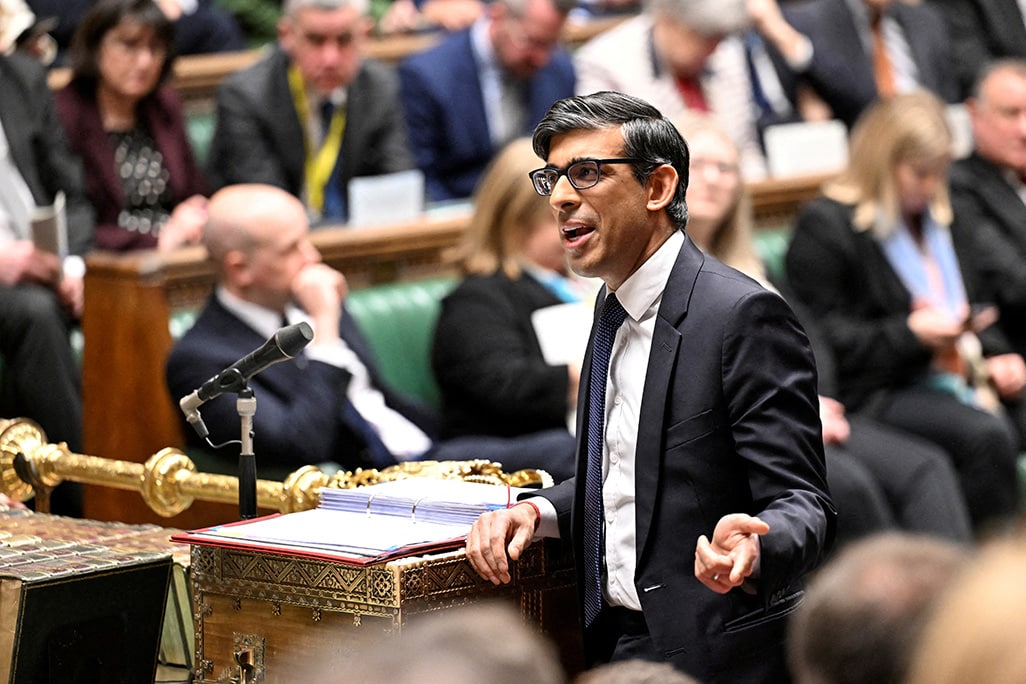
Voters go to polls in double test for PM Sunak

Voters go to polls in double test for PM Sunak

– Voters cast their ballots on Thursday to elect two new British lawmakers.
– The opposition Labour Party was expected to win parliamentary seats in central and southwestern England.
– The by-elections were seen as a setback for Prime Minister Rishi Sunak’s Conservative Party.
– The Conservatives have not made significant efforts to win over voters in Wellingborough and Kingswood.
– The by-elections were expected to increase criticism of Sunak, with concerns about a potential Conservative wipe-out in the upcoming national election.
– Sunak hopes to close the poll gap with Labour and capitalize on Labour’s issues with anti-Semitism allegations and a retracted green spending target.
– Bookmakers predicted Labour victories in both Wellingborough and Kingswood by-elections.
– The by-election results were expected to be announced early on Friday.
– Labour sent many lawmakers and activists to campaign in both areas, while the Conservative presence was more subdued.
– The Wellingborough contest was triggered by a bullying and harassment scandal, and the Kingswood contest followed Chris Skidmore’s resignation over climate change policies.
– Labour leader Keir Starmer faced criticism for not immediately censuring a Labour candidate who espoused conspiracy theories about Israel.
– The UK economy entered a recession in the second half of 2023, presenting a challenge for Sunak, who prioritized economic growth before the national election.
– Labour aimed to manage expectations during the voting process, acknowledging the difficulty in winning the by-elections and focusing on the cost of living crisis.

ANALYSIS-Indonesia’s Prabowo poised for power, but how will he rule?

ANALYSIS-Indonesia’s Prabowo poised for power, but how will he rule?

Prabowo Subianto, the former Defence Minister of Indonesia, has taken a commanding lead in unofficial results from Wednesday’s election, making him the presumed next president of Indonesia. His victory is met with a mixture of elation and anxiety, as he is a polarizing figure. One major question is how long his alliance with outgoing President Joko Widodo will hold. Prabowo has aligned himself with Widodo’s policies during the campaign, but analysts say that policy continuity is not guaranteed. Prabowo is from an elite family and was dismissed from the military in 1998 amid allegations of human rights abuses. He has campaigned on a platform of “Developing Indonesia” and promises to achieve 7% economic growth. A Prabowo government would likely play a bigger role in the economy and follow the pragmatism of previous Indonesian presidents. However, concerns about Indonesia’s democratic regression have been raised, as Prabowo has discussed abolishing presidential term limits and ending direct elections.