Oakland City Workers Criticize Administration Over Uncollected Business Taxes | KQED

Oakland City Workers Criticize Administration Over Uncollected Business Taxes | KQED

– The rally was held prior to the city’s Finance and Management Committee meeting
– City Councilmember Rebecca Kaplan stated that the issue involves businesses that have filed tax documents with the city and those that haven’t
– Kaplan believes that tracking down businesses that don’t file tax documents is crucial for generating tax revenue
– Council President Nikki Fortunato Bas emphasized the importance of revenue collection for the city’s fiscal health
– Union leaders are demanding action and accountability from the City Administration to ensure corporations pay their fair share
– City officials acknowledge the need to modernize tax collection processes
– The estimated amount of uncollected taxes represents less than 1% of the city’s overall budget
– The city’s initial calculation of total business taxes owed is based on annual “gross receipts” estimates provided by businesses
– A ransomware attack delayed the city’s ability to collect taxes in 2023.

How Did the TCJA Affect Corporate Tax Revenues?

How Did the TCJA Affect Corporate Tax Revenues?

Fact: The 2017 Tax Cuts and Jobs Act (TCJA) lowered the top corporate tax rate from 35 to 21 percent, leading to a sharp drop in corporate tax revenues initially, but they returned to pre-TCJA levels starting in 2021.

Can investment tax reform boost economic growth? – Economics Observatory

Can investment tax reform boost economic growth? - Economics Observatory

Taxation, especially on capital income such as corporate and capital gains taxes, can reduce investment, distort resource allocation, and hinder economic growth. High government debt and stagnant productivity in the UK make the relationship between tax policies and growth crucial. One way to increase growth could be through tax reforms that promote investment and innovation without significantly reducing government revenue. Expanding full expensing to all forms of investments and adjusting dividend and capital gains tax rates could be potential strategies to boost growth. The balance between higher revenues from corporate income taxes and increased investment from dividend and capital gains taxes is a significant challenge for policymakers.

Trump’s $4 trillion of tax cuts loom over the election

Trump’s $4 trillion of tax cuts loom over the election

The winner of November’s presidential election will face a challenge with the expiration of nearly trillion in tax cuts next year.

Donald Trump pledges tax cuts for ‘middle class, upper class, lower class, business class’ if wins a second term as president

Donald Trump pledges tax cuts for ‘middle class, upper class, lower class, business class’ if wins a second term as president

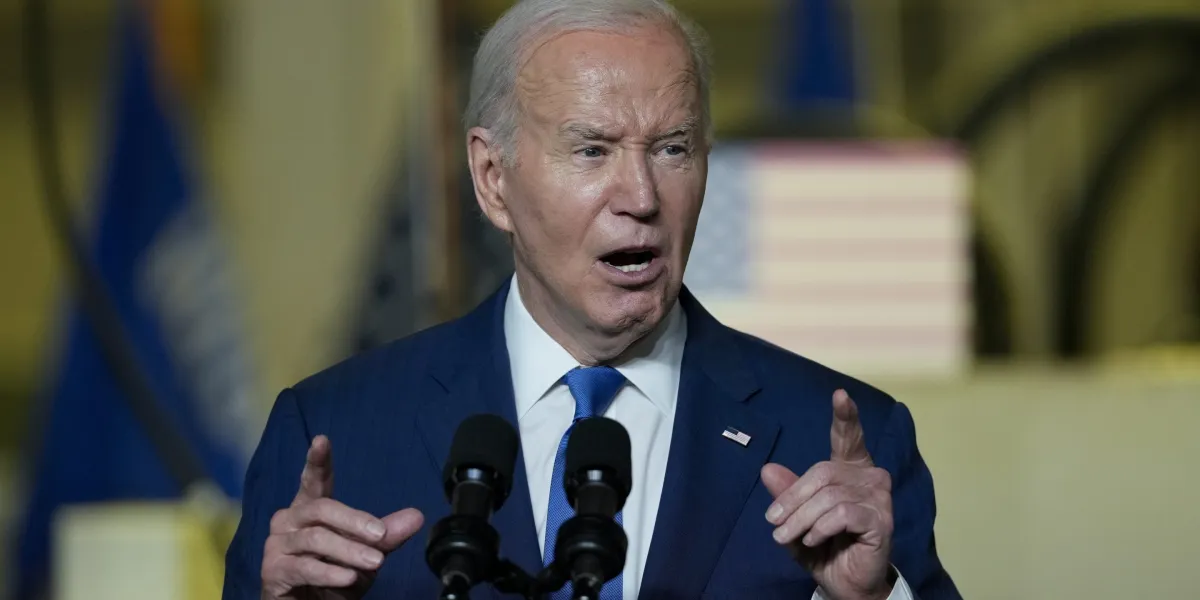
Donald Trump has pledged to double down on tax cuts if he wins a second term as president, promising a big tax cut for middle class, upper class, lower class, and business class. Biden, on the other hand, has called for tax hikes on businesses and the richest Americans.

MPs struggle to implement EU directive on loans

MPs struggle to implement EU directive on loans

Fact: Legislators in Cyprus discussed government bills to harmonize current legislation on loan transfers with an EU directive on credit servicers and credit purchasers.

Brainard Speaks on Upcoming Tax Debate

Brainard Speaks on Upcoming Tax Debate

The text discusses the economic policies of the White House, highlighting the President’s plan to grow the economy from the middle out and bottom up. The President is committed to not raising taxes on anyone making less than 0,000 and will cut taxes further for workers and families, funded by asking corporations and the wealthy to contribute more.

Options for Navigating the 2025 Tax Cuts and Jobs Act Expirations

Options for Navigating the 2025 Tax Cuts and Jobs Act Expirations

The text discusses the upcoming expiration of the 2017 Tax Cuts and Jobs Act (TCJA) in 2025 and provides insight into various tax reform options. Lawmakers will need to decide on priorities for tax reform, including maintaining the TCJA policies or implementing fundamental reforms. The text outlines two alternative reform options that focus on better cost recovery for business investment, lower individual rates, and a broader tax base. These options aim to grow the economy, provide revenue, and avoid increasing the deficit. Lawmakers are encouraged to prioritize growth and fiscal responsibility in designing tax legislation to prevent a tax hike in 2025.

Biden plans for higher taxes on the ultra-wealthy and corporations to extend middle-class tax breaks

Biden plans for higher taxes on the ultra-wealthy and corporations to extend middle-class tax breaks

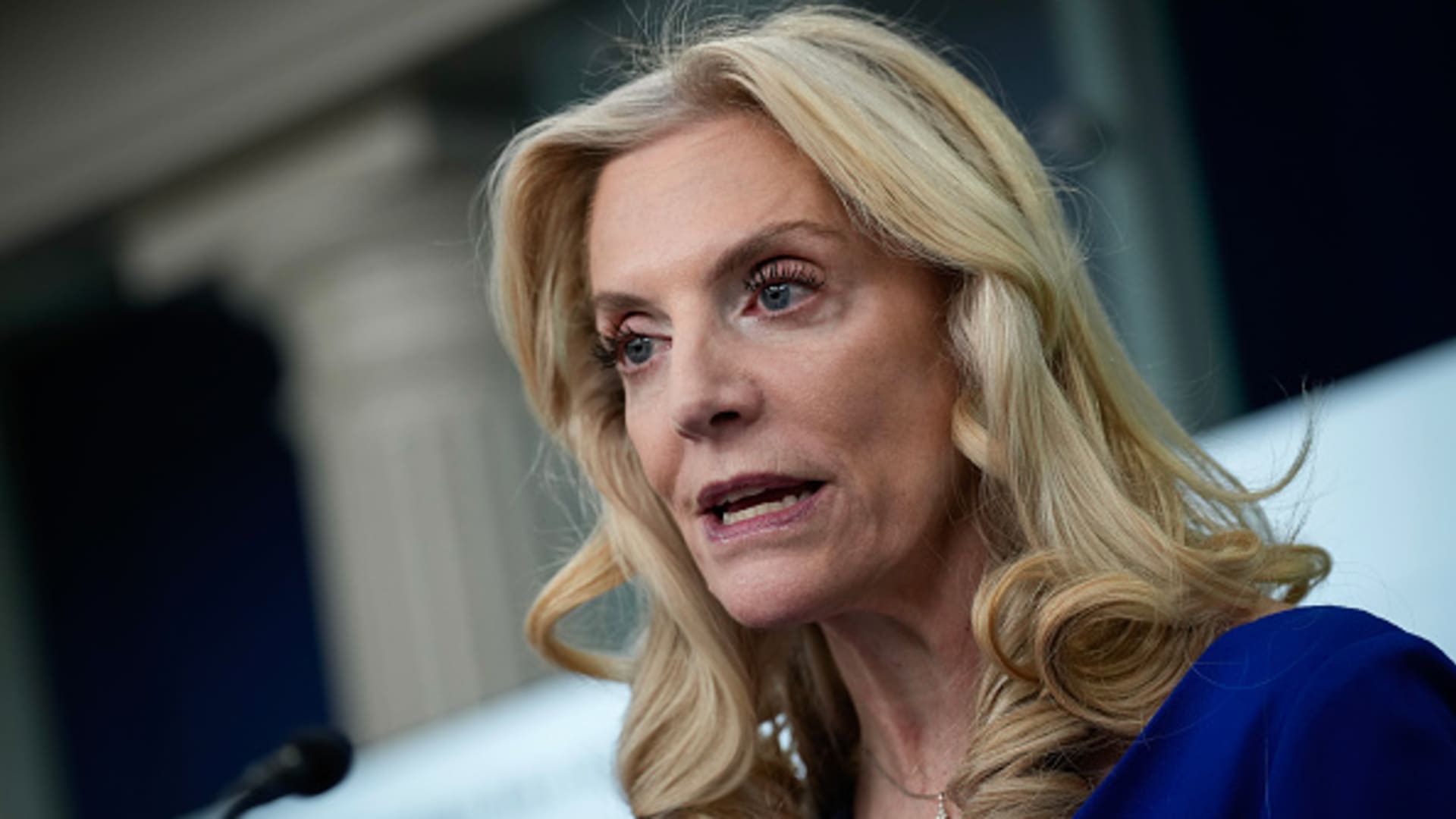
Director of the National Economic Council Lael Brainard spoke at the White House about the upcoming debate over trillions in expiring tax breaks enacted by former President Donald Trump. Several provisions from the Tax Cuts and Jobs Act of 2017 will expire after 2025 without changes from Congress, including lower federal income tax brackets, a higher standard deduction, and doubled estate and gift tax exemption. The Republicans’ tax package also permanently reduced corporate taxes. Brainard emphasized the need to end tax breaks for the ultra-wealthy and scale back costly corporate tax breaks. The debate over extending the tax breaks comes amid concerns about the national debt. Biden’s administration aims to extend provisions for middle-class Americans funded by raising taxes on the ultra-wealthy and corporations. House Republicans are studying solutions to address the upcoming tax cliff in 2025.

Biden White House highlights a coming showdown with GOP over 2017 tax cuts that are due to expire

Biden White House highlights a coming showdown with GOP over 2017 tax cuts that are due to expire

The winner of November’s presidential election will face a challenge with the expiration of nearly trillion in tax cuts next year. Biden’s White House is highlighting the issue and emphasizing differences with Republicans over taxes. Biden wants to raise taxes on corporations and the ultra-wealthy to support the middle class. Trump argues that tax increases would harm the economy. The 2017 tax cuts failed to deliver the promised growth. Biden wants to extend middle-class tax cuts while raising taxes on profitable companies and the richest Americans. Trump believes growth comes from choices made by companies and wealthy investors, while Biden believes it comes from spending and saving by middle-class households. Extending all of Trump’s tax cuts would add .6 trillion to budget deficits through 2034. Biden’s plan does not include the cost of extending tax cuts for those making under 0,000. Republicans may need to consider spending cuts to address the higher debt load from extending tax cuts.