Our View: PEP asset disclosure is in need of serious reform
Our View: PEP asset disclosure is in need of serious reform

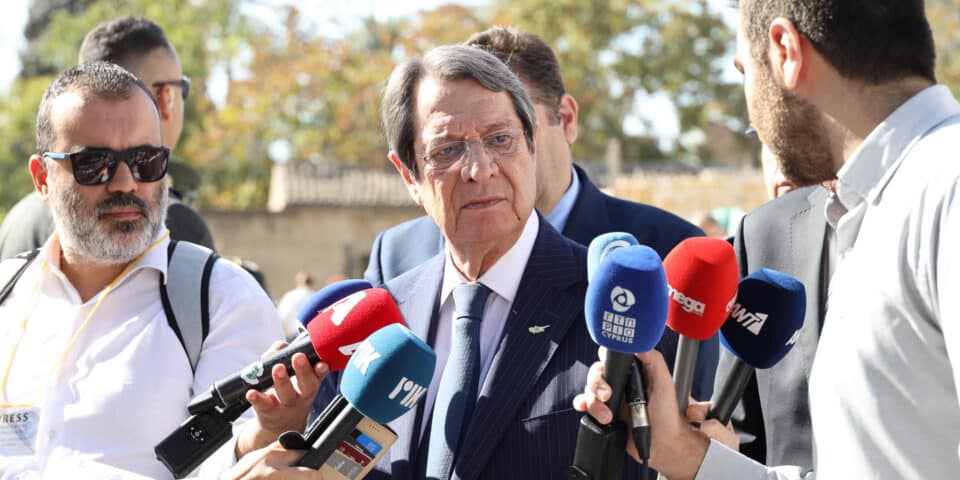
The issue of disclosing personal assets by politically exposed persons (PEP) in Cyprus has been problematic, with no standardized or verified submission process. Former President Nicos Anastasiades submitted an asset list that was widely mocked for appearing to underrepresent his wealth. Criticism from the Council of Europe led to a proposal for submissions to be checked by a committee of auditors. Recently, Tax Commissioner Sotiris Markides suggested PEPs should publish their net asset position instead of a detailed list, to avoid disclosing sensitive information. However, deputies argued this method lacks transparency. Another proposal is for PEPs to submit a capital statement prepared by an auditor, which may offer more transparency but has raised concerns about cost. Discussions on amending the laws are ongoing, with all parties recognizing the need for a more serious and formal system.

Disagreements stall capital statement talks

Disagreements stall capital statement talks

MPs in Cyprus have been unable to progress on the issue of mandatory capital statements for politically exposed persons, despite months of discussions. The House ethics committee acknowledged serious gaps in reaching an agreement on who should disclose their assets upon taking office. The accountants’ association suggested that the disclosure should include a capital statement, a clear declaration of assets including those of the spouse and children, and subsequent disclosures of income and expenses to illustrate an individual’s net worth. There is some consensus on the need for reform as the current form of capital statements, which includes details like vehicle ownership, has been criticized. However, disagreements persist on the format of the statements, what information should be public, the timing of disclosures, and specifically who should be required to submit these statements. Currently, the president, ministers, MPs, and MEPs are mandated to submit capital statements under article 49 of the law, with discussions ongoing about expanding this requirement to include other positions like government spokespersons, mayors, the attorney general, and commissioners. These discussions are being led by a three-member parliamentary committee.

Ethics committee to investigate , €200,000 Olympic Committee sponsorship

Ethics committee to investigate , €200,000 Olympic Committee sponsorship

The House ethics committee has decided to contact the Treasury regarding a €200,000 sponsorship from OPAP to the Cyprus Olympic Committee (KOE). The committee’s chair, Demetris Demetriou, reported this decision following discussions about KOE’s role and operations. During a meeting, it was revealed that a committee created within KOE after receiving the donation from OPAP was never convened. Furthermore, the €200,000 sum was not included in KOE’s budgets for 2021 and 2022 because it was not directly received by KOE but was used for other purposes such as athlete payments and promotion. The ethics committee seeks further explanations for these funds, including issues related to tax exemption and payment confirmation.

Parliament to probe dropping of corruption cases

Parliament to probe dropping of corruption cases

Parliament is set to hold hearings on the termination of disciplinary proceedings against contractors previously implicated in corruption and bribery. Akel MP Irini Charalambidou, who is on the House ethics committee, plans to discuss the matter soon. The Contractors Council, responsible for registering and overseeing contractors, recently decided to end disciplinary actions against companies involved in the Paphos sewerage board (Sapa) scandal. In 2015, the Paphos criminal court found the town’s mayor and several municipal councillors guilty of accepting bribes. Two companies, Medcon and Nemesis, were implicated but received immunity for testifying for the prosecution. Medcon still has an active license with ‘A’ status, while Nemesis is no longer listed under that name. The Contractors Council initiated a disciplinary investigation in 2016 but did not complete it. The new board of the Contractors Council dropped the probe in early February, citing the passage of time and potential abuse of process. Paphos Mayor Phedonas Phedonos has urged the attorney-general’s office to investigate why the disciplinary probe was not completed. The Contractors Council had a damning dossier on the implicated contractors since February 2016. The council’s board is appointed by the cabinet and includes officials from the Public Works Department and a senior state’s attorney.