The asset declaration, the prosecutors’ exemption and the provocative 6-4 in the Institutions Committee

The asset declaration, the prosecutors’ exemption and the provocative 6-4 in the Institutions Committee

The Attorney General and Deputy Attorney General requested to be exempt from a new law requiring asset declarations to be made public. Despite concerns about corruption and the importance of transparency, the proposal barely passed in the Institutions Committee by a vote of 6-4. One MP showed courage by diverging from the party line, preventing a tie in the vote. The demand for exemption was made based on the argument that they are not politically exposed persons and should not be subject to public scrutiny. However, the column questions this reasoning, citing past corruption cases involving high-ranking officials. Members of the Institutions Committee voted in favor of including prosecutors in the list of officials required to submit asset declarations, with some MPs going against their party line. There is a risk that the position may change in the plenary, depending on how certain MPs vote.

MPs hopeful wealth declarations law will be published soon

MPs hopeful wealth declarations law will be published soon

Lawmakers are working on passing legislation to create a more effective framework for the submission of wealth declarations by certain state officials and Politically Exposed Persons.

Our View: PEP asset disclosure is in need of serious reform

Our View: PEP asset disclosure is in need of serious reform

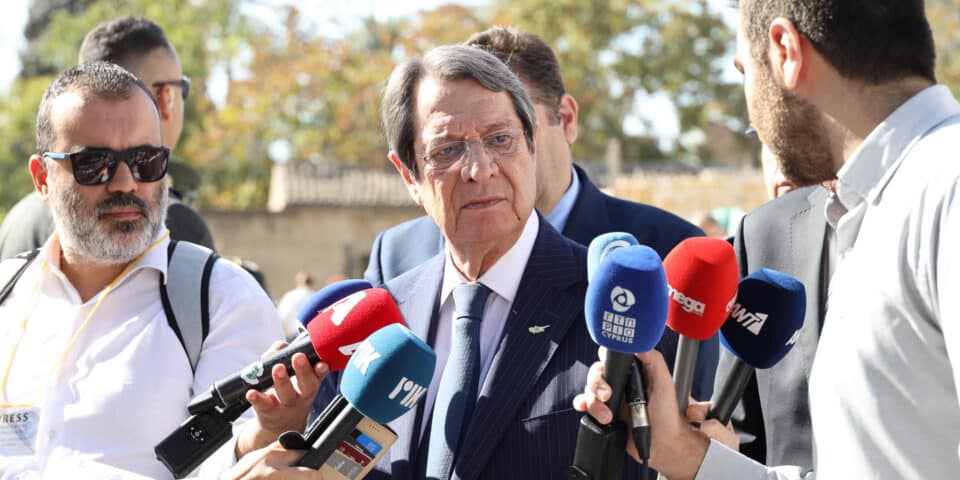
The issue of disclosing personal assets by politically exposed persons (PEP) in Cyprus has been problematic, with no standardized or verified submission process. Former President Nicos Anastasiades submitted an asset list that was widely mocked for appearing to underrepresent his wealth. Criticism from the Council of Europe led to a proposal for submissions to be checked by a committee of auditors. Recently, Tax Commissioner Sotiris Markides suggested PEPs should publish their net asset position instead of a detailed list, to avoid disclosing sensitive information. However, deputies argued this method lacks transparency. Another proposal is for PEPs to submit a capital statement prepared by an auditor, which may offer more transparency but has raised concerns about cost. Discussions on amending the laws are ongoing, with all parties recognizing the need for a more serious and formal system.

Disagreements stall capital statement talks

Disagreements stall capital statement talks

MPs in Cyprus have been unable to progress on the issue of mandatory capital statements for politically exposed persons, despite months of discussions. The House ethics committee acknowledged serious gaps in reaching an agreement on who should disclose their assets upon taking office. The accountants’ association suggested that the disclosure should include a capital statement, a clear declaration of assets including those of the spouse and children, and subsequent disclosures of income and expenses to illustrate an individual’s net worth. There is some consensus on the need for reform as the current form of capital statements, which includes details like vehicle ownership, has been criticized. However, disagreements persist on the format of the statements, what information should be public, the timing of disclosures, and specifically who should be required to submit these statements. Currently, the president, ministers, MPs, and MEPs are mandated to submit capital statements under article 49 of the law, with discussions ongoing about expanding this requirement to include other positions like government spokespersons, mayors, the attorney general, and commissioners. These discussions are being led by a three-member parliamentary committee.