Iran threatens to annihilate Israel should it launch a major attack
Fact: Iran launched a barrage of missiles and drones at Israel on April 13 in retaliation for Israel’s suspected deadly strike on its embassy compound in Damascus on April 1.
Iran’s Supreme Leader Ali Khamenei thanked the country’s armed forces for their attack on Israel, saying Iran demonstrated its power regardless of how many targets were hit. Iran launched over 300 missiles and drones in retaliation for an attack on its embassy in Damascus. The attack caused modest damage in Israel, with most missiles and drones shot down. Khamenei emphasized that Iran’s display of power was the main focus, not the number of hits. Iran also downplayed an Israeli attack on Isfahan, with no plans for retaliation to avoid escalating tensions. Khamenei urged military officials to continue innovating and learning enemy tactics.
A huge blast at a military base in Iraq killed a member of an Iraqi security force that includes Iran-backed groups. The Iraqi military is investigating the cause of the explosion, which killed one person and wounded eight others. The incident occurred in Babil province amid heightened tensions in the Middle East, including recent attacks between Iran and Israel. The PMF, which includes Iran-backed groups, has previously targeted U.S. troops and Israel, claiming support for Palestinians. The U.S. military denied reports of carrying out airstrikes in Iraq.
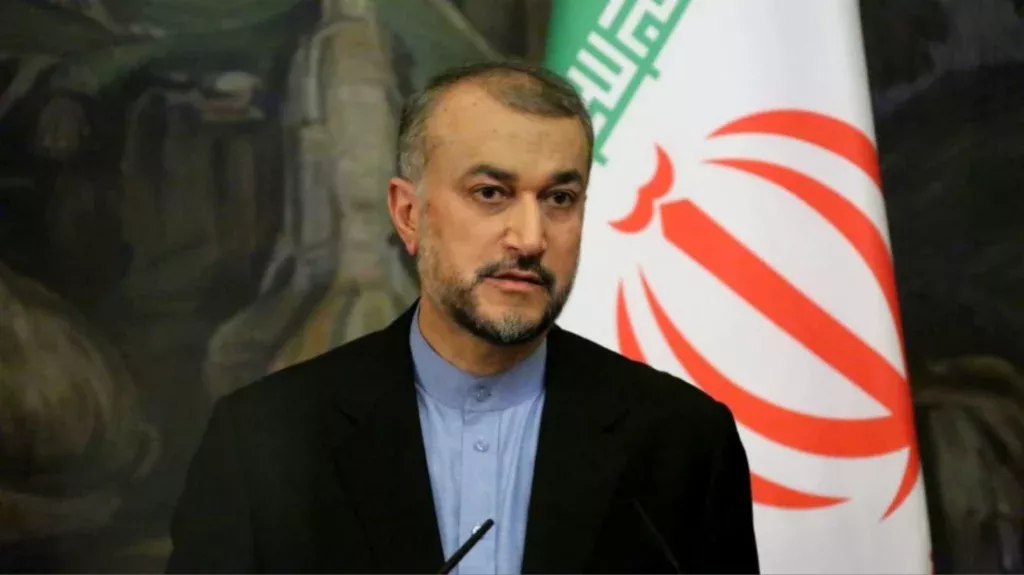
Iran’s foreign minister downplayed an overnight attack on Iran, stating that there was no proven link to Israel. The attack involved drones that were downed after flying only a few hundred meters. Iranian media described the incident as an attack by “infiltrators” rather than by Israel. The attack targeted an Iranian Air Force base near Isfahan but did not cause major damage. Israel had previously said it would retaliate after a strike on April 13, but as of now, there has been no word on further action. The ongoing violence between Israel and Iranian proxies has raised fears of escalation into a direct conflict.
Israel has attacked Iran in retaliation for a drone strike on Israel. Iran’s air defense systems destroyed drones in Isfahan, causing explosions. Analysts fear the Israel-Gaza conflict spreading in the region. Iran warned of a severe response to attacks. Financial markets reacted negatively to the escalating tensions. Iran’s nuclear facilities were unharpmed, and flights in Iran were disrupted. Israel’s military offensive in Gaza has resulted in numerous Palestinian casualties. Iran-backed groups have supported Palestinians by launching attacks from various countries.
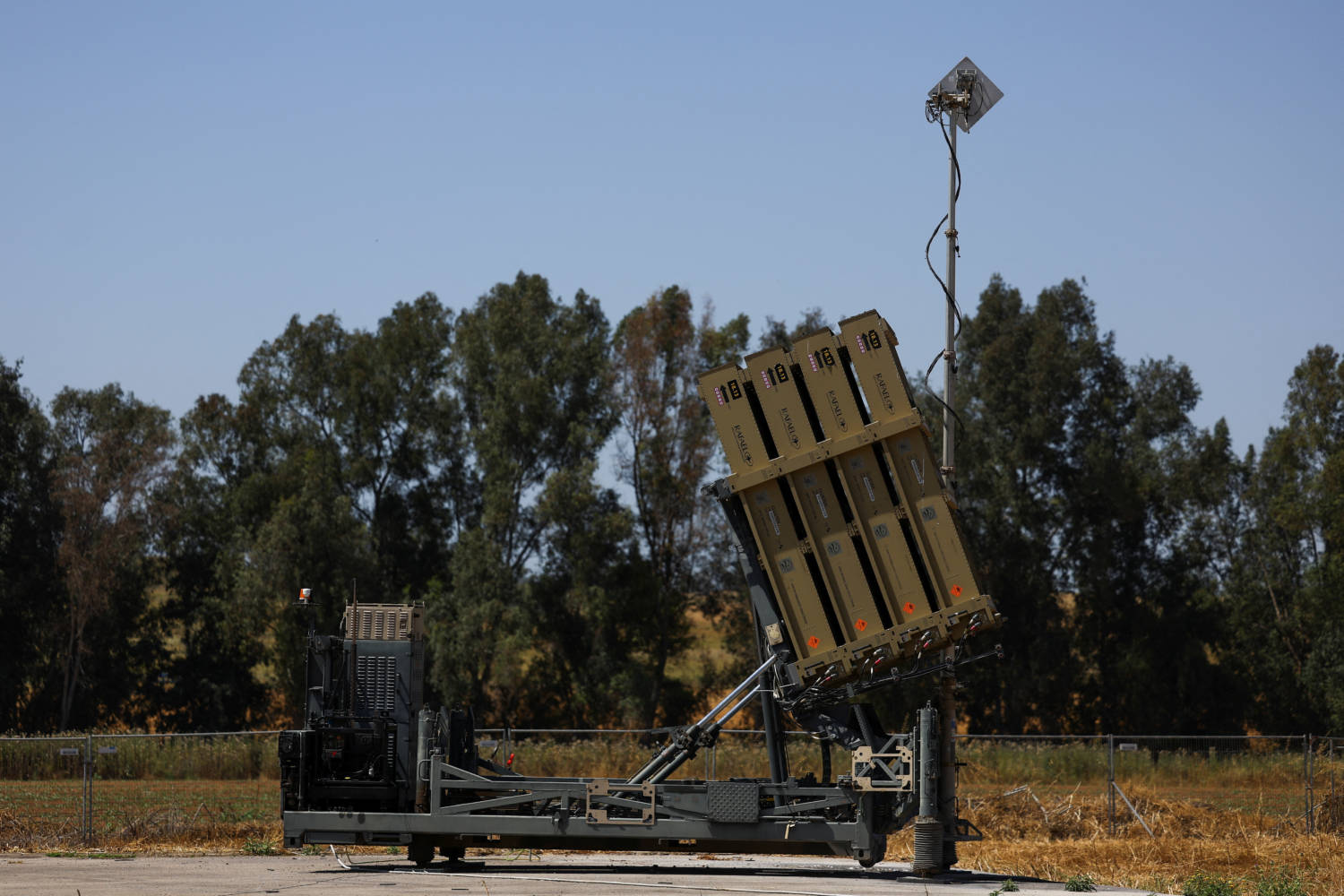
Iran’s aging air defenses make the country vulnerable to an Israeli attack, despite its strong ballistic missiles and drones. Israel’s formidable defense systems have the capability to hit targets inside Iran due to its obsolete air force and aging Russian-based air defense systems. Israel’s main challenge would be successfully striking military bases in western and southern Iran, requiring the use of penetrating bombs. The cost of repelling Iran’s attack could be significantly higher than the cost of the attack itself. Israel is working to replenish its air defense systems in preparation for potential future attacks. Israel is unlikely to rely solely on defense and may respond with significant offensive options if attacked by Iran.
The West Texas Intermediate (WTI) futures dropped to .00 due to weak demand outlook and expectations of the Federal Reserve keeping interest rates higher. The Fed’s confidence in price pressures declining to 2% has been dented by higher consumer price inflation and strong labor market data. Expectations of higher crude oil inventories and fears of oil supply tightening due to Iran’s attack on Israel have also impacted the oil price. Treasury Secretary Janet Yellen mentioned the possibility of new sanctions on Iran, which could affect their oil exports.
Hezbollah, a heavily armed non-state group in Lebanon, is a key player in the Iran-backed “Axis of Resistance” alliance against Israel and U.S. influence in the Middle East. Hezbollah possesses a vast arsenal of over 150,000 missiles and rockets, including precision weapons, anti-tank, anti-aircraft, and anti-ship missiles. The group also has around 45,000 fighters and has used drones in hostilities with Israel.
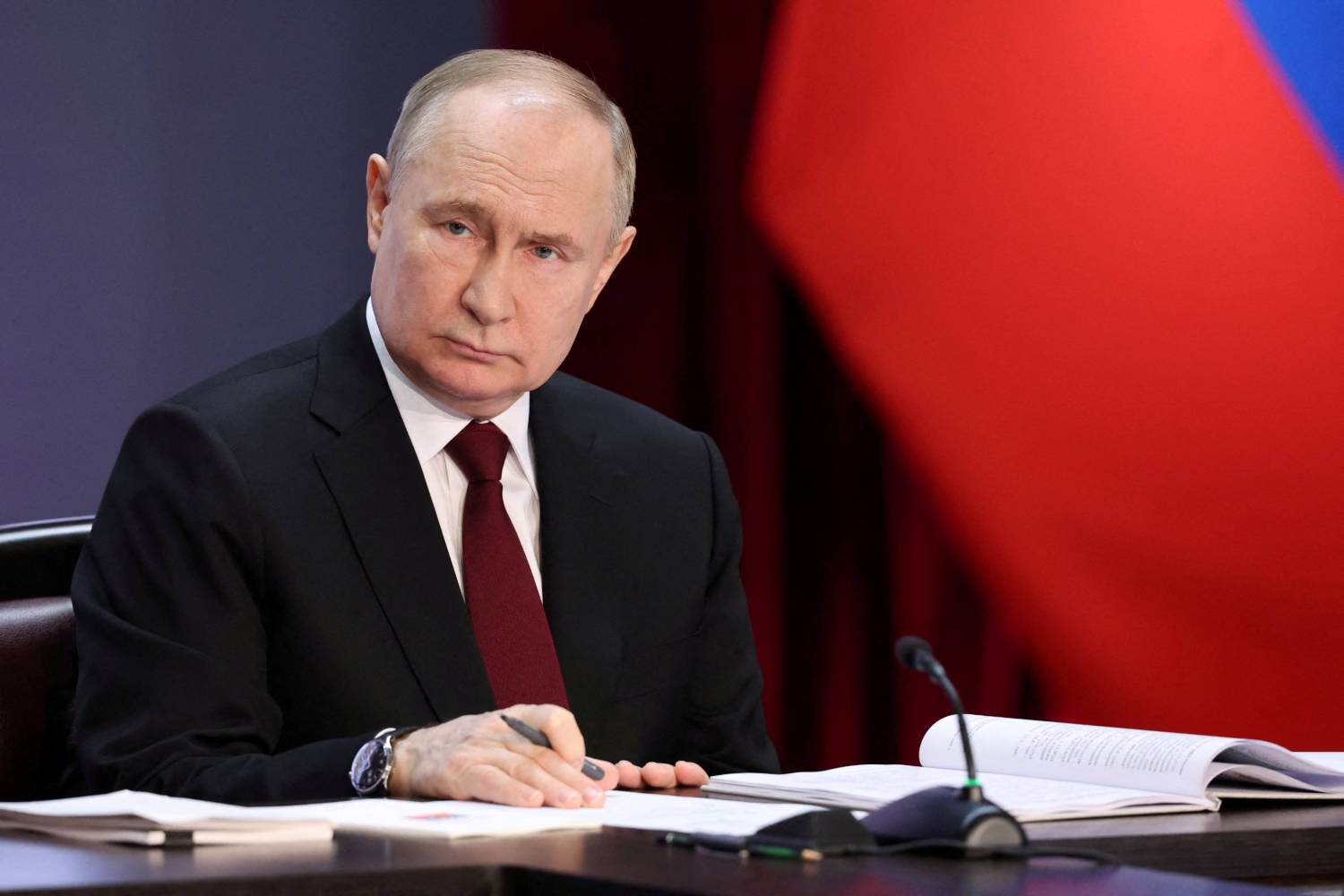
Russian President Vladimir Putin urged all sides in the Middle East to avoid actions that could lead to a new confrontation with catastrophic consequences for the region. Putin spoke to Iranian President Ebrahim Raisi about Iran’s retaliatory measures against Israel and emphasized the need for restraint to prevent further escalation. The root cause of instability in the Middle East was attributed to the unresolved conflict between Palestinians and Israel. Both leaders confirmed their support for an immediate ceasefire in Gaza and a political settlement of the crisis. Iran has provided Russia with powerful missiles and drones used in Ukraine.