Holy scandal: monks to appear before church court

Holy scandal: monks to appear before church court

The ecclesiastical court will convene within the week to address allegations involving two monks from the Ayios Avakoum monastery in Fterikoudes, related to a sex and cash scandal. The court, which will conduct its proceedings behind closed doors, will be led by Kiti Bishop Nektarios. Tamasos Bishop Isaias initiated the investigation but has since recused himself to avoid a conflict of interest, as has Morphou Bishop Neophytos due to his good relations with the accused monks. The court will consist of six Holy Synod members. The monks are accused of possessing €800,000 in cash, owning property in Greece and Limassol, and being caught on CCTV footage engaging in sexual activities with each other. Police, however, have denied involvement in any undercover operation targeting the monks, despite claims of a violent kidnapping by the monks’ lawyers. Police spokesman Christos Andreou stated that two officers were present at the monastery on March 5 for security during evidence collection but were not part of the ecclesiastical investigation. The police are investigating separate allegations of financial crimes and reports of assault, threats of violence, and other offenses related to the monastery. President Nikos Christodoulides has commented on the case, emphasizing that it is subject to an ongoing investigative and judicial process.
Russia responsible for Navalny’s death, UN rights expert says

Russia responsible for Navalny’s death, UN rights expert says

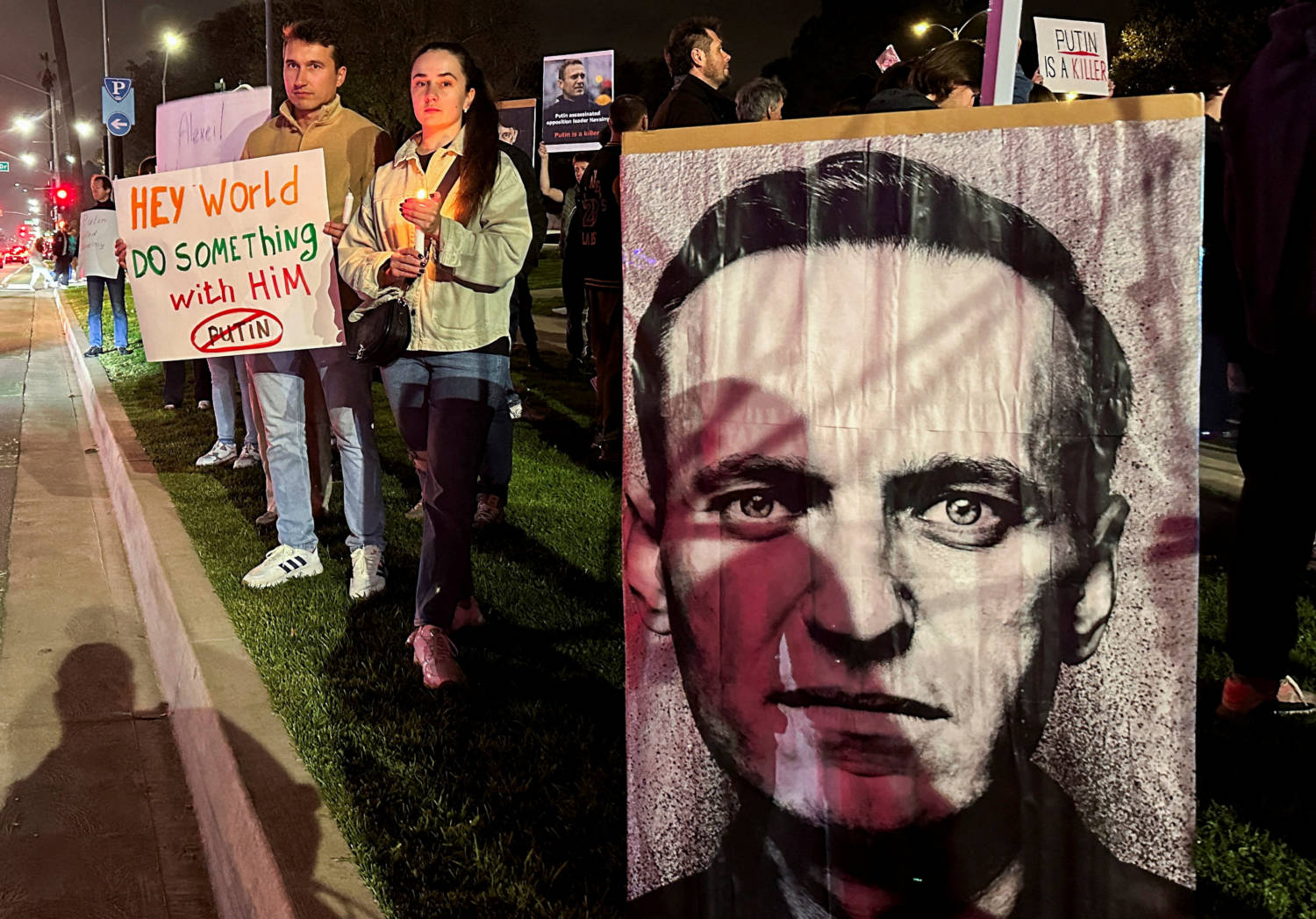
The U.N. human rights expert on Russia, Mariana Katzarova, stated that the Russian government is responsible for Alexei Navalny’s death, which occurred either due to being killed in prison or from detention conditions equating to torture. Navalny died on February 16 in an Arctic prison, with Russia’s spy chief claiming he died a natural death. Katzarova expressed concern for other detainees in Russia, including opposition politician Vladimir Kara-Murza, fearing they might face the same fate as Navalny. The Kremlin has denied accusations from Navalny’s wife, Yulia Navalnaya, that President Vladimir Putin had Navalny killed. Yulia Navalnaya has called for a massive election day protest against Putin on March 17, citing public support for Navalny’s cause since his death.

Christodoulides to meet UN envoy Holguin

Christodoulides to meet UN envoy Holguin

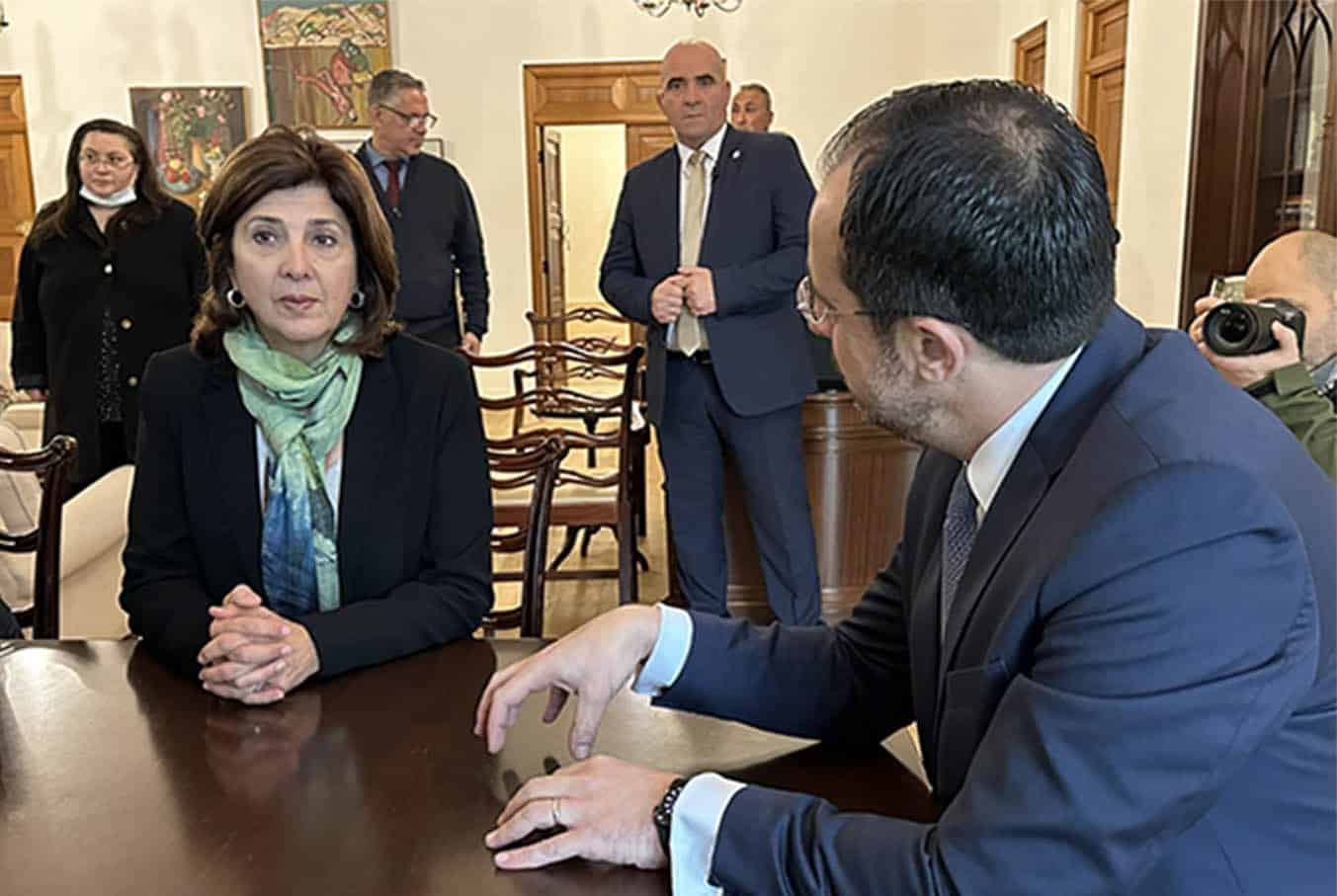
President Nikos Christodoulides of Cyprus is scheduled to meet with Maria Holguin, the UN Secretary General’s personal envoy, to discuss specific issues and receive updates. Foreign Minister Constantinos Kombos emphasized that any discussions with the Turkish Cypriot side would remain within the UN framework. Christodoulides mentioned that Holguin’s visit, which is expected to last about a week to ten days, will not be limited to a single meeting. Holguin is also set to meet with Turkish Cypriot leader Ersin Tatar. The president expressed hope for positive developments towards resuming talks, following discussions with European Commission President Ursula von der Leyen and Holguin’s other contacts, including in Brussels.

We have made so many mistakes since the 1940s

We have made so many mistakes since the 1940s

Leontios Ierodiakonou, in his analysis of the Cyprus problem, highlights the decision-making failures of Cyprus’s first two presidents following the Turkish invasion. He attributes these failures to various factors, including fear of losing popularity, protecting political careers, and personal interests, which hindered the ability to make difficult but necessary decisions. This approach led to setting unattainable targets that ultimately benefited Turkey by perpetuating a stalemate and allowing the consolidation of the invasion’s outcomes. Ierodiakonou also revisits historical instances, such as Makarios’s rejection of constitutional revisions agreed upon with the Turkish Cypriots and Spyros Kyprianou’s rejection of international plans for settlement, to illustrate missed opportunities for resolving the Cyprus problem.

A strategic EU role for the Cyprus problem

A strategic EU role for the Cyprus problem

The text discusses the flaws in the traditional negotiations process regarding the Cyprus problem and suggests that a solution requires a slow, incremental process of “deliberative democracy” and strategic international coordination to incentivize leaders towards a negotiated settlement. The EU and the US play crucial roles in this process. The text highlights how the US improved its relationship with Greece, making it a strategic partner in southeastern Europe through military and energy developments, suggesting a similar approach could be applied to Cyprus. The text proposes enhancing Cyprus’s role in humanitarian assistance as a geopolitical incentive, mentioning the Republic of Cyprus’s involvement in evacuations and support in various crises. It discusses the EU’s engagement with Cyprus through the Task Force for the Turkish Cypriot community and suggests that strategic political decisions on Cyprus could be better managed by placing them under the Secretariat-General of the European Commission. The text concludes with the author’s credentials and involvement in Cyprus negotiations.

The artistic flair inspiring greener European cities

The artistic flair inspiring greener European cities

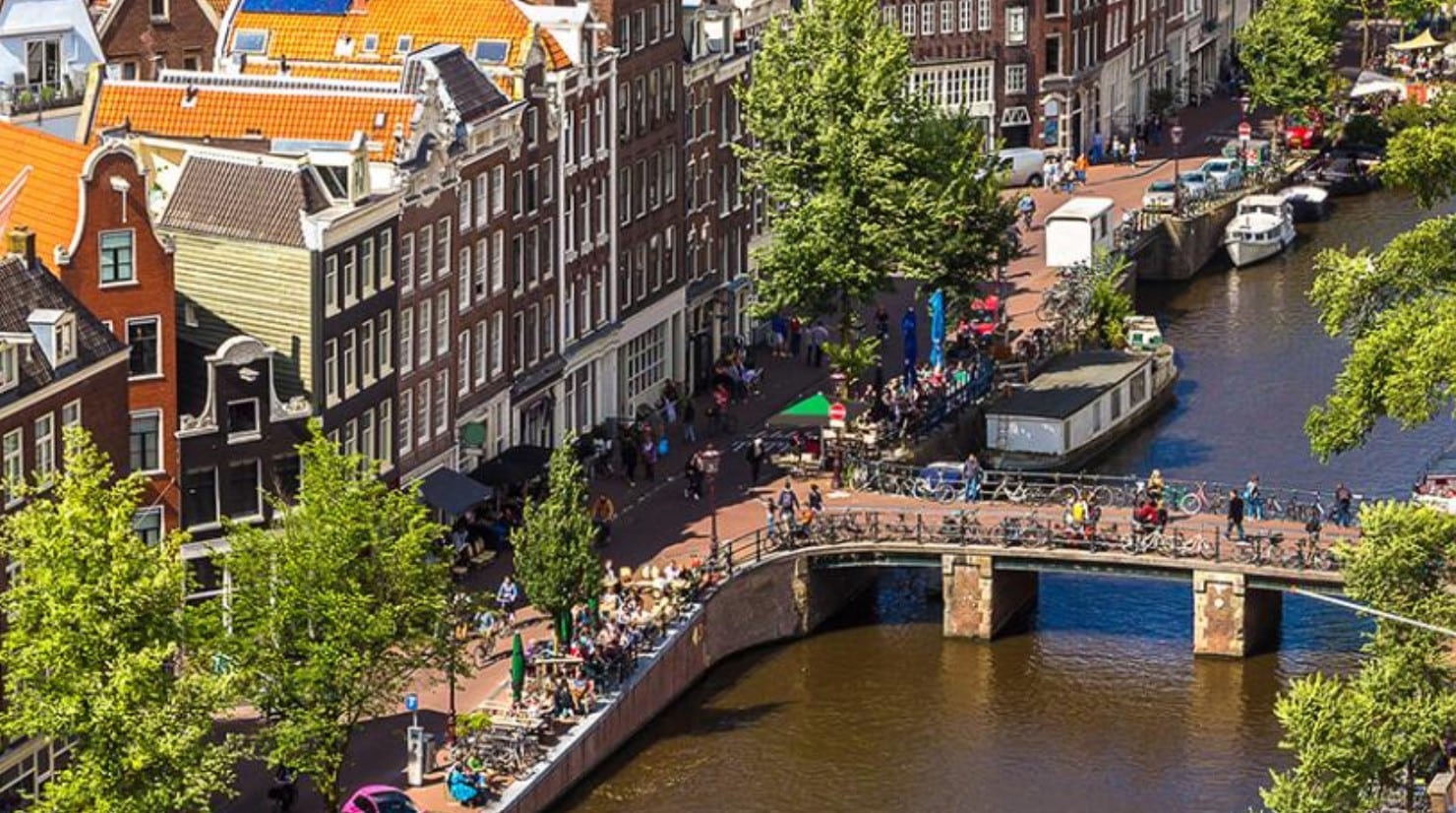
In Amsterdam, the Stadhouderskade thoroughfare is being transformed into a nature-friendly area with the help of students from various disciplines. This initiative, known as the “Green Mile,” is supported by six Dutch organizations including the Rijksmuseum and Heineken. The transformation aims to reduce car traffic and increase green spaces. The project is part of the CRAFT research project, which received EU funding and runs through April 2025. CRAFT is inspired by the “New European Bauhaus” initiative, aiming to integrate art, culture, and nature into daily life. Amsterdam, along with Bologna and Prague, is a leading city in this initiative, sharing knowledge and experiences to promote sustainable urban transformation. Activities in Amsterdam include installing an “insect hotel” and organizing clean-up events. The goal is to make Stadhouderskade a green and sustainable area by 2030. Another EU-funded project, CreaTures, explored the role of arts in addressing climate change through various experiments, including a role-play game in Finsbury Park, London. The project concluded in 2022 and aimed to inspire more active engagement with the environment through creative arts.

Aid ship heads to Gaza

Aid ship heads to Gaza

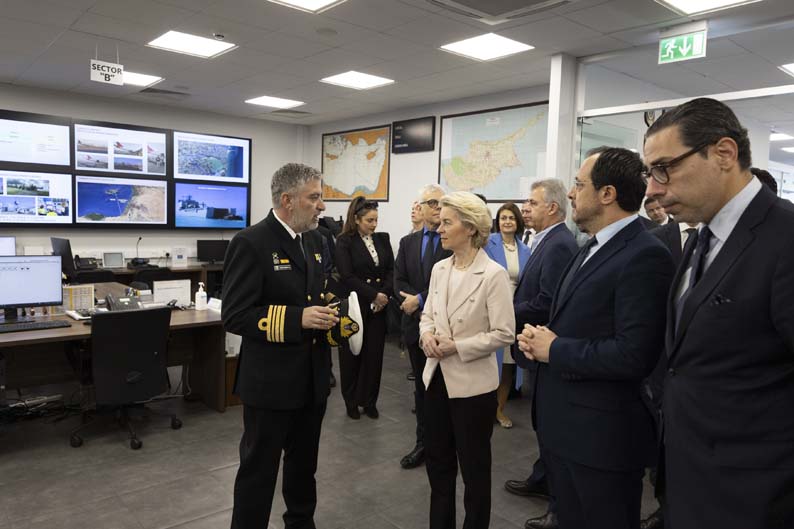
The maritime corridor for humanitarian aid from Cyprus to Gaza is likely to be launched on Sunday, as stated by European Commission President Ursula von der Leyen in Larnaca after inspecting the port installations with President Nikos Christodoulides. The Amalthea Initiative, aimed at delivering aid to Gaza following five months of war, was led by Cyprus and supported by the EU, the United Arab Emirates, the U.S., and the U.K. The first vessel, belonging to the Spanish NGO Open Arms, is anchored in Larnaca, ready to deliver food and supplies provided by the World Central Kitchens charity. The U.S. military plans to set up a temporary port off Gaza’s coast to support the initiative, as announced by President Joe Biden. The Cyprus maritime corridor intends to scale up aid by complementing other routes, including the Rafah crossing from Egypt and airdrops from Jordan. The UN Special Coordinator for Gaza, Sigrid Kaag, plays a crucial role in coordinating humanitarian assistance to Gaza. The European Commission President emphasized the dire humanitarian situation in Gaza and the need for aid, mentioning Europe’s financing of a major humanitarian effort for Palestinians in Gaza and the region, amounting to €250 million this year. The EU has launched 41 flights carrying over 1,800 tonnes of aid and is considering all options, including airdrops. The EU naval force operation Aspides was launched to ensure freedom of navigation in the Red Sea amid deteriorating maritime security. Von der Leyen highlighted the importance of preparing for a viable two-state solution, calling for an immediate humanitarian pause leading to a sustainable ceasefire, opposing forced displacement of Palestinians and the blockade of Gaza, and condemning Gaza as a safe haven for terrorists.

The hidden costs of feeding the world

The hidden costs of feeding the world

Kathleen Merrigan finds that the true cost of food is far higher than what consumers pay at the checkout counter, taking into account economic, environmental, social, and health impacts. The United Nations Food and Agriculture Organization’s 2023 report using true cost accounting reveals that the global cost of the agrifood system in 2020 was up to US.7 trillion more than retail prices, about 10% of global GDP or per person per day worldwide. Hidden costs in wealthy countries are mainly due to unhealthy dietary patterns, while in low-income countries, they stem from poverty and undernourishment. Environmental costs, including nitrogen runoff and greenhouse gas emissions, represent about 20% of the global hidden costs. True cost accounting could guide policy changes, potentially reallocating 0 billion in agricultural subsidies worldwide to support more sustainable and equitable food production methods.

Israel destroying Gaza’s food system in ‘starvation’ tactic, UN expert says

Israel destroying Gaza’s food system in ‘starvation’ tactic, UN expert says

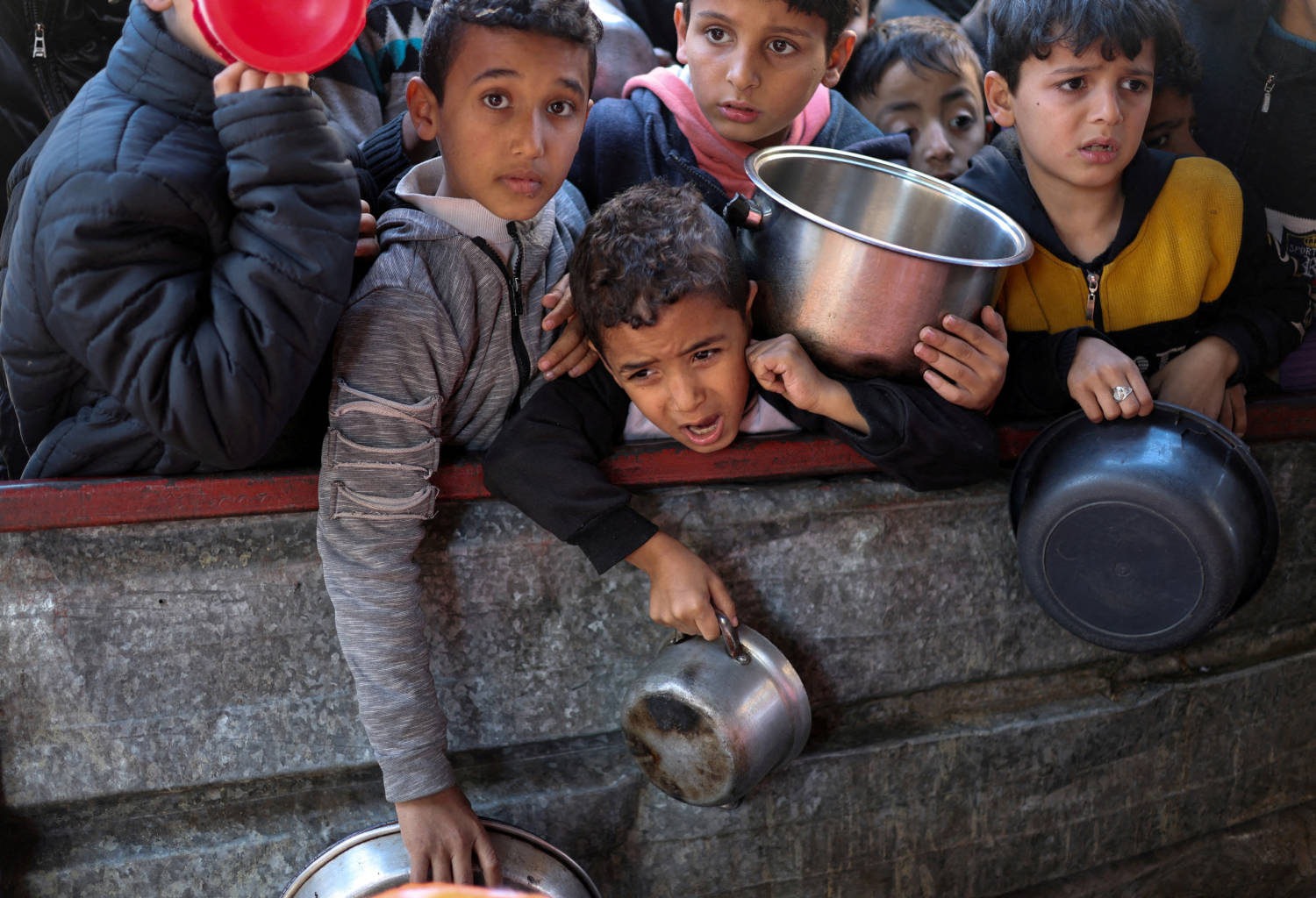
A U.N. expert, Michael Fakhri, stated that Israel is destroying Gaza’s food system as part of a “starvation campaign” in its war against Hamas militants. Aid officials have warned of a looming famine, and hospitals report children dying from malnutrition. Fakhri accused Israel of denying and restricting humanitarian aid and specifically targeting the fishing sector, with around 80% of Gaza’s fishing sector destroyed since Oct. 7. Israel denies restricting relief and waging war on civilians, stating its fight is with Hamas.

Eroglu: North must , ‘embrace reality’

Eroglu: North must , ‘embrace reality’

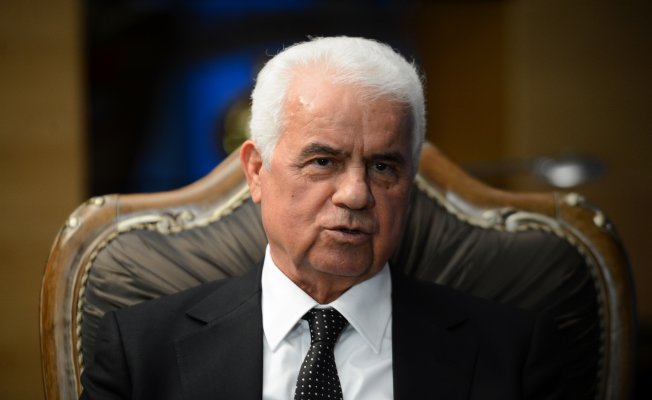
Former Turkish Cypriot Leader Dervish Eroglu stated that the Greek Cypriot side has never intended to accept the Turkish Cypriot side’s conditions for solving the Cyprus problem. He expressed skepticism about the success of United Nations Envoy Maria Angela Holguin’s efforts and highlighted that the Greek Cypriot leadership and church do not accept Turkey’s status as a guarantor power, nor do they accept the Turkish Cypriot’s participation in government, veto rights, or a rotating presidency. Eroglu criticized the international embargoes on the north, describing them as shameful and a failure to respect human rights. He mentioned that despite promises made before the 2004 referendum, there has been no easing of embargoes, with the EU and the world continuing to punish the Turkish Cypriots while rewarding the Greek Cypriots. Eroglu also reflected on the negotiation processes after the Annan plan, mentioning his own tenure and the negotiations with former President Demetris Christofias and Nicos Anastasiades, indicating a lack of progress towards a federal solution and attributing it to the Greek Cypriot side’s unwillingness to share the administration and wealth of the island.