Dollar struggles to find demand in Fed aftermath
Dollar struggles to find demand in Fed aftermath

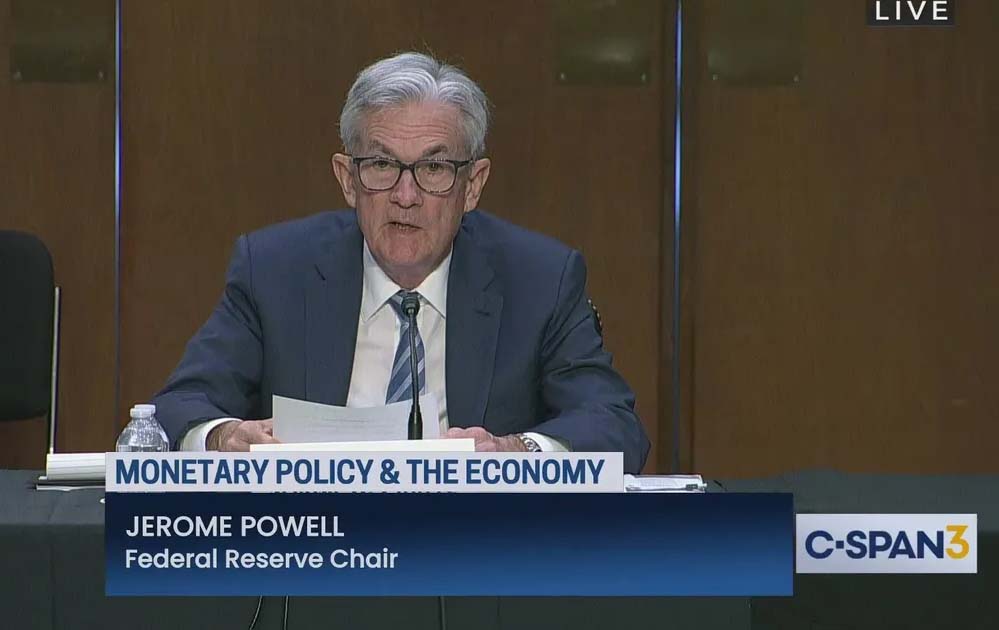
– The US Dollar experienced significant losses against major rivals after the Federal Reserve left the interest rate unchanged and due to Chairman Jerome Powell’s comments on the policy outlook.
– Investors are awaiting the Bank of England’s policy announcements and S&P Global PMI data for Germany, the Euro area, the UK, and the US.
– The US economic docket will include weekly Initial Jobless Claims and Existing Home Sales data for February.
– The Federal Reserve’s Summary of Projections indicates a total of 75 basis points reduction in the policy rate expected in 2024.
– Chairman Powell noted high inflation numbers in January and February but attributed them to seasonal effects, suggesting they do not alter the disinflation narrative.
– Following the Federal Reserve event, the 10-year US Treasury bond yield approached 4.25%, Wall Street indexes rallied, and the USD Index dropped nearly 0.5%, ending a four-day winning streak.
– In Asian trading, Australian unemployment decreased to 3.7% in February, better than the expected 4%, and employment rose by 116,500, significantly above the anticipated 40,000.
– The AUDUSD pair saw gains, rising more than 0.5% above 0.6620.
– The USDJPY pair experienced fluctuations, with a notable correction below 150.50 before regaining momentum.
– The Bank of England is anticipated to maintain the policy rate at 5.25%, with market participants looking for indications on policy direction following soft UK inflation data.
– The GBPUSD rose 0.5%, trading near 1.2800.
– Gold reached a new all-time high of ,222 before retreating toward ,200.
– The EURUSD pair rallied above 1.0900, trading slightly below 1.0950.

Over 1,000 teachers strike demanding job security

Over 1,000 teachers strike demanding job security

A subset of teachers went on a 24-hour strike on Thursday demanding job security for their posts. The Education Minister, Athena Michaelidou, described the strike as “hasty and untimely”. The protesting group, consisting of 1,200 teachers working in the ministry’s support programmes, expressed concerns over potential unemployment after ten years of work. These teachers are contract workers who have signed collective agreements for their services. Andreas Kounnis, the general secretary of Pasey-Peo, criticized the working conditions and pledged to fight against any potential unemployment of colleagues. The teachers demanded job security for all involved in the 12 support programmes. Union members accused Minister Michaelidou of delaying decisions to avoid reactions. Michaelidou stated she is working on resolving the labour issue and has shared a draft bill to regulate the employment status of these teachers, awaiting feedback from the unions. She also mentioned an upcoming proposal for the pedagogical restructuring of the programmes.

Our View: Labour minister is biased against businesses

Our View: Labour minister is biased against businesses

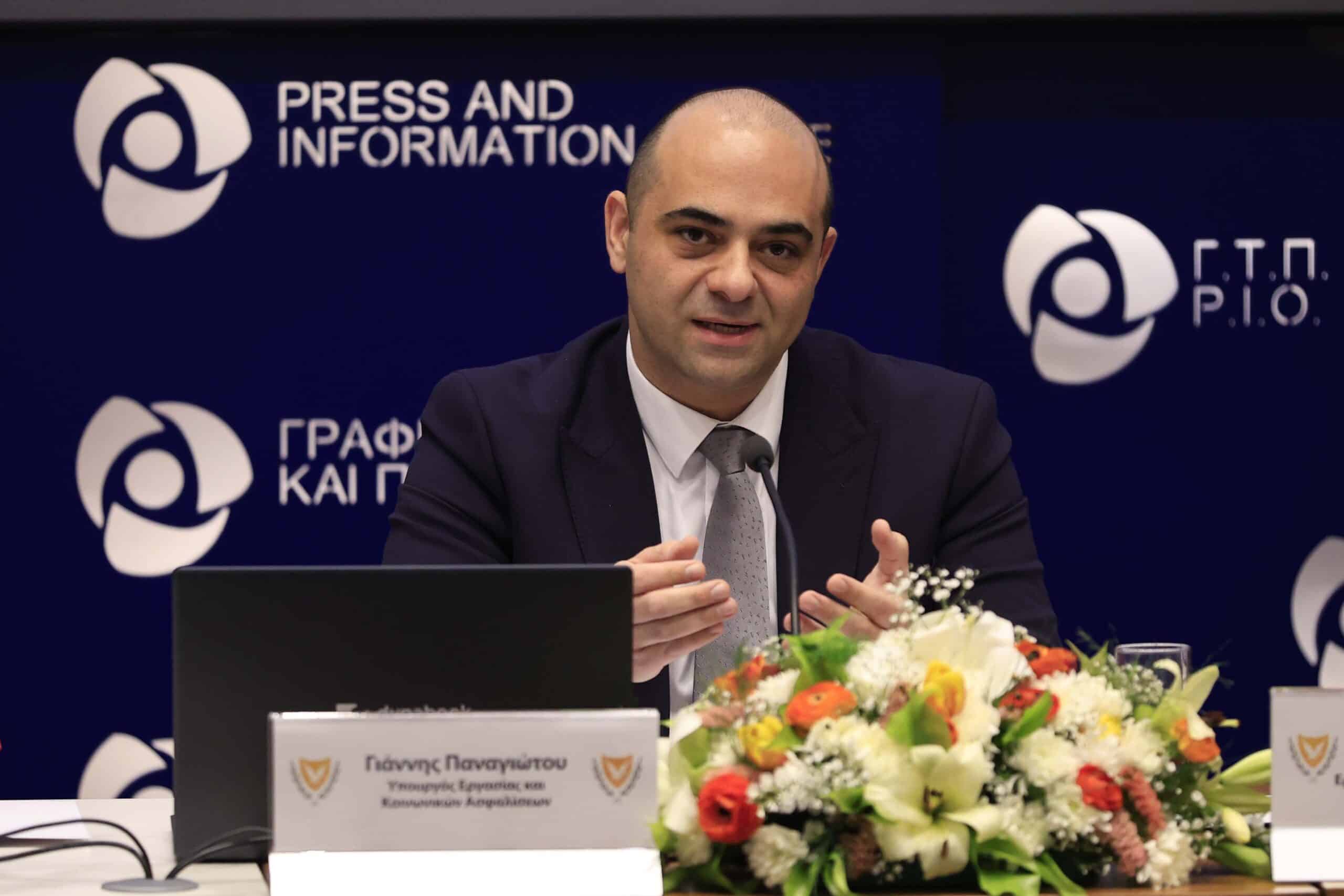
Yiannis Panayiotou is the Minister of Labour in the Christodoulides government, known for his strong support of union interests. Over the past year, he has implemented several measures favoring workers, including increasing the Cost of Living Adjustment (CoLA), raising the minimum wage and the minimum wage in the hotel industry, introducing telework legislation, stopping outdoor work during heatwaves, drafting a law to protect workers from standing too long, extending maternity leave to five-and-a-half months, and raising the income of practising lawyers and engineers by €100. Plans for the coming year include stronger regulation of work terms and conditions, more support for working parents, tackling illegal work, extending parental leave, increasing birth allowance, and enhancing workplace safety. Despite these efforts, there is a concern about addressing the labor shortage of about 150,000 workers, especially in the hotel industry. Panayiotou aims to clamp down on illegal employment by increasing inspections by 65% and raising fines, but there are doubts about his approach to the labor market’s needs and his perceived bias against business interests.

Knowledge of Greek set to impact work permits

Knowledge of Greek set to impact work permits

Knowledge of Greek will be a key factor in the renewal of work permits and for new foreign applicants, according to Minister of Labour Yiannis Panayiotou. Despite a clampdown on illegal work, there is still a shortage in the domestic workforce to meet the island’s labor needs. Priority for employment will be given to the unemployed and students from third countries already residing in Cyprus. Proficiency in Greek will be required, especially for long-term employees in the service sectors. A satisfactory level of Greek will expedite the examination of work applications. A campaign to attract EU workers is also in progress, involving bilateral agreements with accession states and third countries for the utilization of medium and low-skilled workers. Inspections will increase to 10,000 in 2024, up from 6,000 in 2023.

Anti-racism march takes place in Nicosia

Anti-racism march takes place in Nicosia

An anti-racism event was held in the old city of Nicosia on the occasion of the International Day for the Elimination of Racial Discrimination, which is observed annually on March 21. The event was organized by the Alliance Against the Far Right, Fascism, and Racism, with participation from Greek Cypriot and Turkish Cypriot political parties and organizations. Attendees included Akel’s General Secretary, Stefanos Stefanou, and the Green Party Leader, George Perdikis. The march started at Solomos Square and ended at Faneromeni Square, where an artistic program took place. Participants chanted slogans against racism and fascism. Marina Stavrinou-Koukou, a member of the alliance, stated the march aimed to highlight the importance of equality and the rights of all individuals, especially vulnerable groups, migrants, and those from diverse backgrounds. Koukou emphasized the worsening situation regarding the rise of the far right and inhumane ideologies, and the need for continued efforts towards human rights, equality in employment, and humane living conditions. She called on the state and government to support these efforts, highlighting the impact of racism and fascism on society. The alliance includes over 60 organizations, encompassing Greek Cypriot, Turkish Cypriot, and migrant groups.

Shifting focus in higher education

Shifting focus in higher education

The number of EU students enrolling in British universities has significantly decreased by more than half since the UK’s withdrawal from the European Union in 2016, with notable declines from Italy, Germany, and France. This trend is also observed in Cyprus, where students are now considering universities in other countries. British passport holders and children of British passport holders residing in the EU can still apply for UK universities and receive home fees until January 1, 2028. Before Brexit, EU students paid just over £9,000 in home fees and had access to student finance, but now, with no loans available, tuition fees can rise to £38,000. Despite the increase in tuition fees, some UK universities still offer home fees or scholarships to reduce costs. Students from Cyprus are exploring universities in various countries, including the Netherlands, France, Ireland, Greece, Germany, Austria, the Czech Republic, Canada, the USA, and Australia. There is also a noticeable increase in students applying to local private universities in Cyprus due to the variety of courses, scholarship opportunities, flexible entry requirements, and easy application processes. Students are increasingly pursuing courses that offer immediate employment opportunities, with a growing interest in fields such as artificial intelligence, cybersecurity, risk management, data analysis, art and design, real estate, business, economics/finance/accounting, law, medicine, engineering, psychology, and physiotherapy.

Minister to deal , ‘aggressively’ with illegal work

Minister to deal , ‘aggressively’ with illegal work

Labour Minister Yiannis Panayiotou of Cyprus announced plans to address illegal employment through increased workplace inspections and an electronic census of workers. The government aims to improve the categorization of self-employed individuals for social insurance, enhance work conditions, align with EU directives on minimum wages, and support working parents with state benefits and timely maternity pay. Efforts will also focus on raising local employment rates, attracting workers from the EU and EEA, and signing agreements with third countries for medium and low-skilled workers. Panayiotou highlighted past achievements, including raising the minimum wage, improving the cost-of-living allowance, ensuring timely pension and unemployment benefit payments, and extending maternity leave for new mothers.

The future of work: Why we need to think beyond the hype of the four-day week

The future of work: Why we need to think beyond the hype of the four-day week

Since the 19th century, the number of hours spent at work has been steadily declining in developed countries. The four-day week emerged in the 90s as a demand for a more equal division of work, developed in 1993 by French economist Pierre Larrouturou and tested in 1996 with France’s de Robien law. Antoine Riboud, CEO of Danone, supported the idea, and Volkswagen adopted the four-day week in 1994 but abandoned it in 2006. The Covid crisis renewed interest in the four-day week, with 56% of British employees willing to earn less for more free time. New Zealand introduced a four-day week post-pandemic to boost productivity and work-life balance, with Japan and several companies, including Hitachi and Microsoft, following suit. Belgium and the Nordic countries implemented a model where working hours are concentrated over four days without salary reduction. In contrast, Southern Europe, including Spain and Portugal, has explored a 32-hour week aiming to maintain productivity by reducing unproductive time. The concept of the four-day week challenges traditional work paradigms and suggests a shift towards valuing personal and collective fulfillment over individual success.

Cyprus bolsters maritime ties at European Cruise Summit

Cyprus bolsters maritime ties at European Cruise Summit

Cypriot Deputy Minister of Shipping Marina Hadjimanolis played a significant role at the European Cruise Summit organized by the Cruise Lines International Association (CLIA) in Genoa, Italy, from March 12 to March 14, 2024. She participated in a panel discussion on the decarbonisation of the cruise industry, highlighting Cyprus’ efforts and initiatives in this area and the country’s support for the cruise sector’s compliance with new requirements. Hadjimanolis also addressed the conference on opportunities for women’s employment in the cruise industry and held meetings with CEOs of major cruise lines and Edoardo Rixi, the Italian Deputy Minister of Transport, to discuss competitiveness and environmental regulations in shipping. Additionally, an event was organized to present credentials to the new Consul of Cyprus in Genoa, enhancing connections with Italy’s maritime community.