Halloumi decision post EU court ruling in February

Halloumi decision post EU court ruling in February

The EU Court is expected to issue a decision on the halloumi appeal after February 21. Agriculture Minister Maria Panayiotou announced that the government will make decisions regarding halloumi during a meeting with all stakeholders after the court’s decision. The EU is ruling on a lawsuit filed by cow breeders and cheesemakers challenging halloumi’s status as a Product of Designated Origin. Sheep and goat farmers will submit their suggestions on increasing milk production by the following Friday. The president will convene a meeting with stakeholders in the halloumi production sector after the court’s decision.

Turkish Cypriot butchers protest as consumers buy from Republic

Turkish Cypriot butchers protest as consumers buy from Republic

Turkish Cypriot butchers are experiencing a loss of customers as consumers opt to buy cheaper meat in the Republic of Cyprus. The butchers held a protest at the north’s slaughterhouse, where they slaughtered two lambs. They are urging the northern government to take urgent action to allow meat to be sold at competitive prices. The butchers’ association has highlighted that the high price of livestock in the north is causing economic difficulties for vendors, leading to potential bankruptcy. They are unable to sell meat, which leads to waste as the unsold meat spoils, and as a result, animal slaughter rates have dropped significantly. The butchers have expressed dissatisfaction with the government’s inaction to address the crisis, which is affecting their livelihood and the broader economy, including production and tourism sectors. They warn that if the situation does not improve, it could lead to more severe consequences.

Turkish Cypriot butchers protest as consumers buy from Republic

Turkish Cypriot butchers protest as consumers buy from Republic

Turkish Cypriot butchers have called on their government to take action because consumers are buying cheaper meat in the Republic of Cyprus instead of from them. They held a protest at the north’s slaughterhouse, where they slaughtered two lambs. The butchers’ association is urging the government to find a solution that would allow them to sell meat at prices competitive with those in South Cyprus. They are experiencing a decline in sales, which is leading to financial difficulties such as being unable to pay for basic expenses. The price of livestock in the north has increased, forcing butchers to raise their prices, and as a result, the stock of meat has dropped due to low demand. They are discarding unsold meat that has spoiled, and the rate of animal slaughter has decreased significantly. The butchers have expressed dissatisfaction with the government’s lack of action to address the crisis and warned that if the situation continues, it could lead to more severe problems.

‘Photovoltaics for all’ gets final OK

‘Photovoltaics for all’ gets final OK

The Cabinet has approved the “Photovoltaics for All” scheme, which will subsidize up to 6,000 homeowners to install solar systems on their roofs. The scheme aims to democratize access to solar energy and roof insulation for all households. Homeowners will be able to install a photovoltaic system to reduce consumption and lower electricity bills, even if they don’t have the initial capital. The budget for the scheme is €30 million, and it will cover installations of up to 4 kW. The scheme includes different categories with varying levels of grants for photovoltaics and roof insulation. Changes to the previous grant scheme include the introduction of a category for citizens without initial capital, increased subsidies for vulnerable households, and the option to receive a one-off bonus if both photovoltaics and roof insulation are installed. The application process will be streamlined through electronic processing, and installation tasks will be carried out by registered contractors. Pre-approval will be required before investment implementation to ensure eligibility for grants.

Government slashes sick leave for civil servants

Government slashes sick leave for civil servants

The Cyprus government has decided to reduce sick leave days for civil servants from 42 days to 28 days. The period of absence without a medical certificate has also been reduced from eight days to six days. The government aims to boost productivity and modernize public services. The new regulations include three six-month periods of sick leave extensions for chronic patients, with varying levels of pay. The requirement for approval of sick leave extensions by a medical council has been eliminated. The government has also implemented other measures to reform public services, such as facilitating remote working and introducing flexible work hours. The government has sought assistance from the International Monetary Fund to rationalize the state payroll. The decision to reduce sick leave entitlement was made due to past cases of misuse and the observation that most civil servants do not fully utilize their entitled sick leave days. The government has also approved a policy framework for flexible forms of employment in the public service, including remote work and flexible working hours. Civil servants can work from home certain days of the week or for a continuous period during the year. They can also choose to work reduced hours if covered by the relevant legislation. The extension of flexible working hours from 1½ hours to 2 hours has also been implemented.

Catalan leader denies spy agency claim he led separatist protest group

Catalan leader denies spy agency claim he led separatist protest group

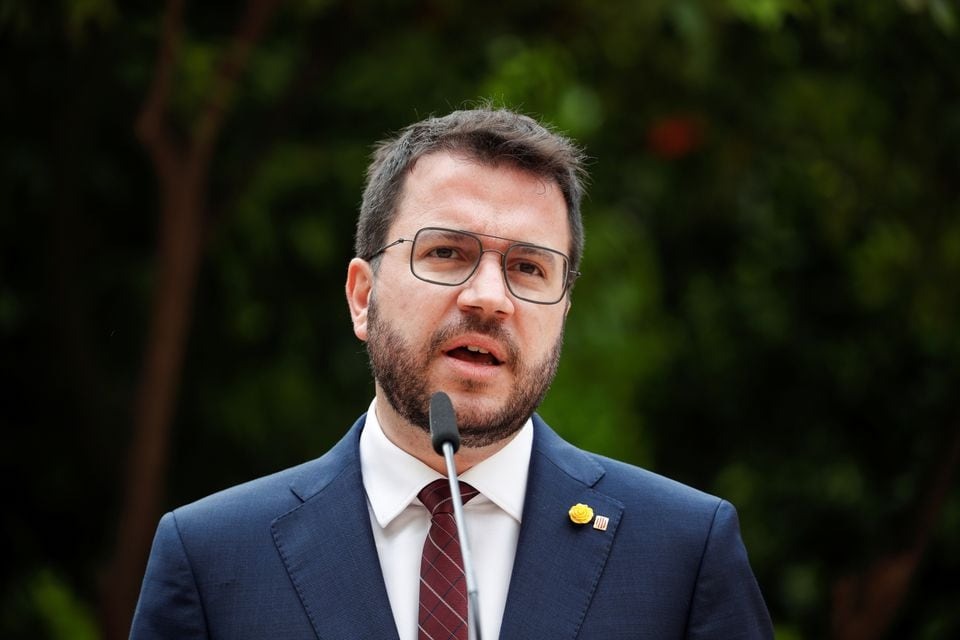
Catalonia’s regional leader, Pere Aragones, has denied allegations by Spain’s spy agency that he secretly led a radical separatist protest group. Aragones received heavily redacted declassified documents related to the alleged espionage and called for those responsible to be held accountable. The Canada-based group Citizen Lab has stated that more than 60 people linked to the Catalan separatist movement, including Aragones, were targeted by Pegasus spyware. Spain’s Justice Minister has reiterated that the government did not know about or authorize the alleged spying. Aragones claims that the documents are full of falsehoods and aim to destroy the legitimate political project of Catalan independence. His case is being investigated by a Barcelona court.

Portugal’s far-right Chega to seek government role to break election deadlock

Portugal’s far-right Chega to seek government role to break election deadlock

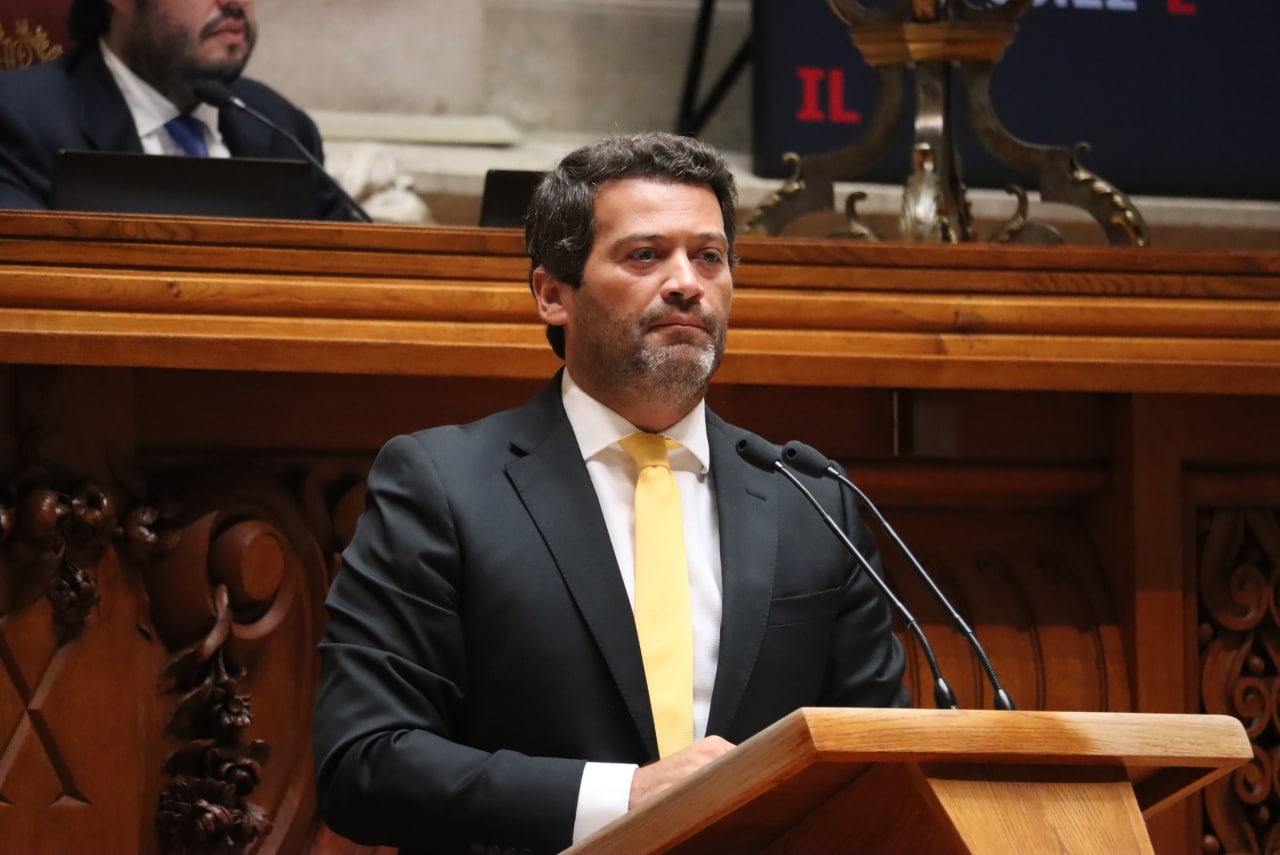
Portugal’s far-right Chega party, led by Andre Ventura, has stated that it would demand to be part of a rightist coalition government in exchange for parliamentary support. Opinion polls suggest that a hung parliament is likely in the upcoming election, with the Socialists expected to win the most votes but right-wing parties projected to win more seats. Chega, currently in third place in the polls, wants to influence policies in areas such as justice, internal affairs, and agriculture in return for supporting a PSD-led government. The party’s demands may be difficult to accept, as the PSD leader has previously ruled out any agreement with Chega. However, Ventura draws inspiration from Italy, where centrist parties backed a coalition led by the hard-right Brothers of Italy. Chega supports the death penalty, chemical castration for repeat rapists, and has a strong stance against illegal immigration. The party has grown rapidly since its creation in 2019 and is expected to win more than 15% of the vote in the upcoming election. Far-left parties accuse Chega of fascism, xenophobia, and racism, but Ventura rejects these labels and believes his party addresses issues that interest people, such as immigration and corruption. The election was called after Socialist Prime Minister Antonio Costa resigned over an investigation into alleged illegalities in his government’s handling of investment projects.

Bank deposits see increase

Bank deposits see increase

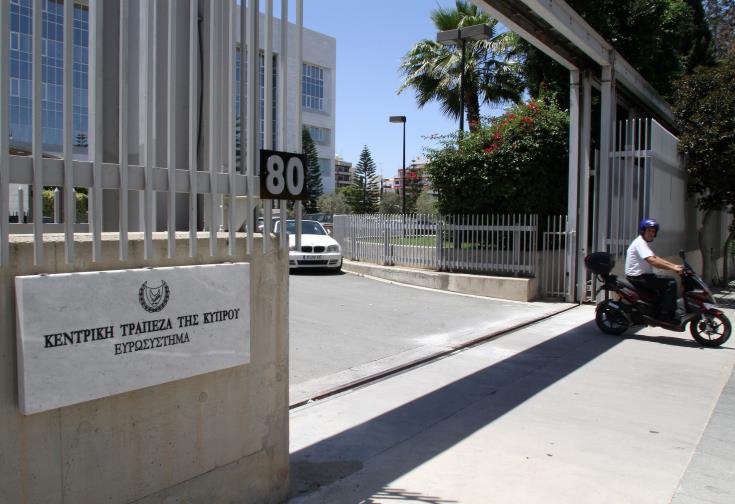
In December, total deposits in the banking system increased by €346 million, reaching €52.2 billion. Total loans also increased by €284.2 million, reaching €24.8 billion. The system liquidity, which is the difference between deposits and loans, was set at €27.4 billion. Deposits from residents of Cyprus increased by €388 million, with household deposits increasing by €461 million. Deposits from domestic non-financial corporations decreased by €252 million. Deposits from other domestic sectors increased by €179 million. Loans to residents of Cyprus increased by €132.9 million, with loans to households increasing by €99 million and loans to non-financial corporations increasing by €54.5 million. Loans to other domestic sectors decreased by €20.6 million.

E-justice system , ‘a debacle’, lawyers protest

E-justice system , ‘a debacle’, lawyers protest

Lawyers in Cyprus held a one-hour protest outside district courts on a Friday to express their dissatisfaction with the problems plaguing the e-justice system, which had failed on its first day of operation. The protest occurred because the e-justice system had been causing work paralysis for two weeks, affecting both the justice delivery system and law firms. Deputy chairman of the Bar Association, Nicolas Tsardellis, spoke about these issues outside the Nicosia district court.

The Deputy Minister of Research, Nicodemos Damianou, mentioned an extension to address the e-justice system issues, but there were doubts about resolving the problems promptly. As a temporary solution, there was a suggestion to revert to the previous i-justice system starting the following Monday. The Bar Association supported this idea, but Tsardellis expressed reservations about its feasibility.

Tsardellis criticized the government’s investment in the justice system, stating that the current approaches were superficial and ineffective. He also mentioned that the e-justice system had serious operational problems from its inception, which remained unresolved. He highlighted the outdated and inadequate facilities at the Nicosia court buildings as indicative of the broader issues within the justice system.

Tsardellis pointed out that the transition to electronic justice had effectively stopped since January 15, after having been in place until January 13. He called for immediate government action to address these issues. Additionally, he warned that if the problems were not resolved, lawyers would continue to take measures, noting that earlier in the week, there had already been a protest outside parliament.

Decisions on halloumi after that of the European Court

Decisions on halloumi after that of the European Court

The Minister of Agriculture mentioned a meeting with all the parties involved under the President of the Republic in order to make decisions on the matter. The government will make decisions on the issue of halloumi in a broad consultation with all stakeholders after February 21, when the decision of the European Court will be issued. The Ministry already has a series of measures through the Rural Development Program, but is also working on others. After the court's decision on February 21, the President of the Republic will convene a meeting with all stakeholders in the halloumi production sector, including cheesemakers, cattle farmers, and goat farmers, where the government's decisions will be announced. The goat farmers will submit their recommendations in writing to the President. The goat farmers are waiting to see the issue discussed in the meeting after February 21. The goat farmers believe that it is feasible to increase goat milk production in order to increase the quota for halloumi.