Corporate Taxes Before and After the Trump Tax Law

Corporate Taxes Before and After the Trump Tax Law

– America’s largest, consistently profitable corporations saw their effective tax rates fall from an average of 22.0 percent to an average of 12.8 percent after the Trump tax law went into effect in 2017.
– The 296 largest and consistently profitable U.S. corporations paid 0 billion less in taxes from 2018 to 2021 compared to before the Trump tax law.
– While profits for these corporations rose by 44 percent after the Trump tax law, their federal tax bills dropped by 16 percent.
– The number of corporations paying tax rates of less than 10 percent increased from 56 to 95 after the Trump tax law.
– Many well-known corporations, including Walmart, Verizon, Disney, and Meta, had the largest tax reductions after the Trump tax law.

Georgia Implements Structurally Sound Tax Changes

Georgia Implements Structurally Sound Tax Changes

Georgia Governor Brian Kemp signed bills into law that lower the flat individual income tax rate and align the corporate income tax rate with the individual income tax rate.

Canada’s capital-gains tax change continues decades-old debate over economic growth and tax fairness

Canada’s capital-gains tax change continues decades-old debate over economic growth and tax fairness

The fact described in the text is that Finance Minister Chrystia Freeland announced an increase in the capital-gains inclusion rate to 66 per cent for corporations and trusts, and for individuals on gains above 0,000, in order to raise nearly billion over five years to pay for housing initiatives.

Biden tax plan would pummel average Americans – West Hawaii Today

Biden tax plan would pummel average Americans - West Hawaii Today

President Joe Biden’s 2025 budget blueprint, if implemented, would result in record spending, soaring debt, trillion-dollar deficits, and higher taxes, particularly on corporations. Despite Biden’s promise not to increase taxes on those earning less than 0,000 a year, the proposed corporate tax hikes would ultimately impact all Americans, including middle-class families. The plan mirrors Bernie Sanders’ approach of targeting corporations, but experts argue that these taxes are ultimately passed on to consumers, employees, and investors, including those with pension plans and retirement accounts. Republicans may use these economic realities to challenge Biden’s proposals in the upcoming campaign.

Would Biden Really Scrap The TCJA? Would That Raise Everyone’s Taxes?

Would Biden Really Scrap The TCJA? Would That Raise Everyone’s Taxes?

President Biden posted on social media that he plans to let the individual provisions of the 2017 Tax Cuts and Jobs Act expire at the end of 2025, leading to criticism and accusations of tax hikes for all. However, Biden’s budget includes ways to revise the TCJA without raising taxes for all households, potentially cutting taxes for some and raising them for others. Biden has promised not to raise taxes for those making 0,000 or less, but it remains unclear if this includes corporate taxes. Biden’s plan to revise the TCJA while retaining some key features has led to debates on whether he is scrapping the law or simply rewriting parts of it. The tax law is constantly evolving, and major changes are not binary exercises, with some provisions surviving while others are remade. Biden’s plan to let the TCJA expire in name is seen as an attempt to move away from Trump’s tax policies, which were unpopular with the public.

The Tax Cuts And Jobs Act Mainly Expires In 2025

The Tax Cuts And Jobs Act Mainly Expires In 2025

The fact described in the text is that the 21% corporate flat tax rate enacted under the TCJA is permanent and does not expire.

Biden Tax Increases Won’t Hit Middle Class, Yellen Says

Biden Tax Increases Won’t Hit Middle Class, Yellen Says

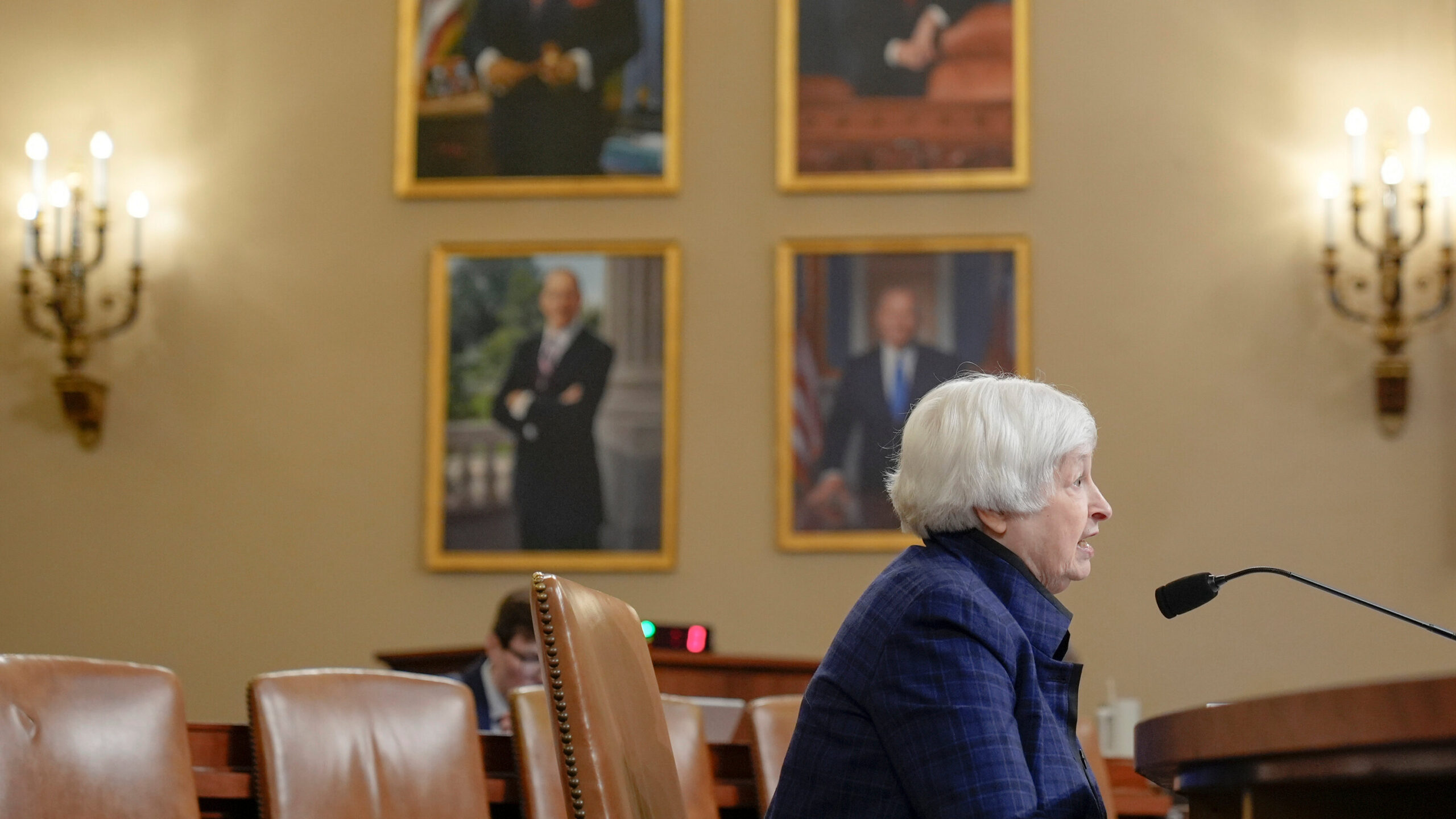
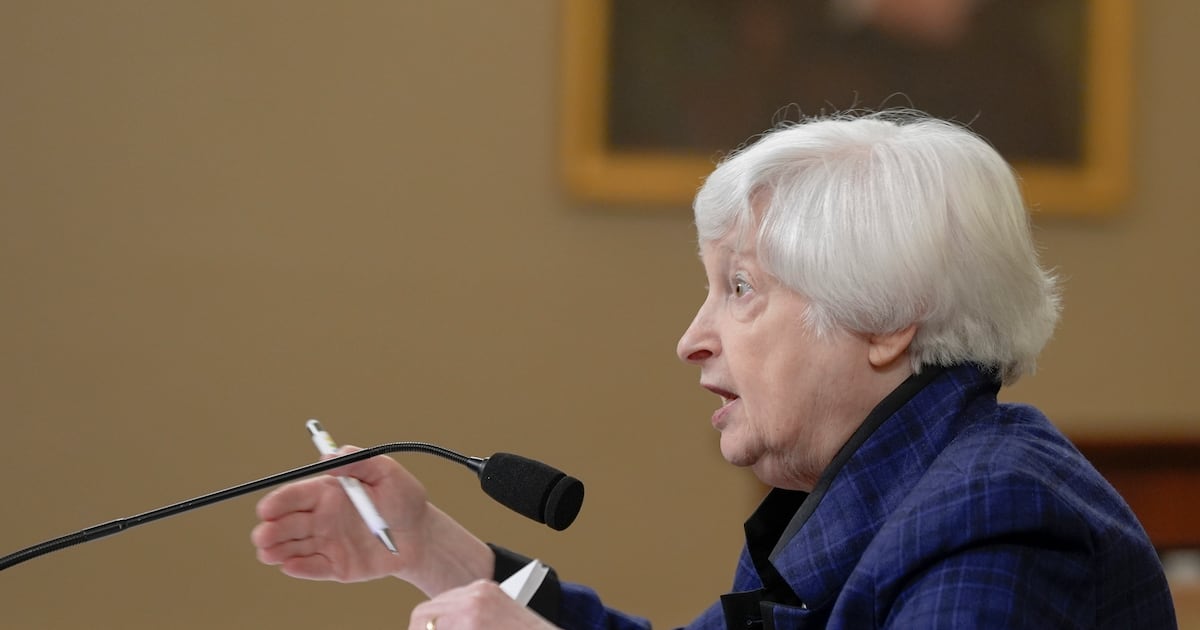
Republicans pressed Treasury Secretary Janet Yellen on President Biden’s tax proposals and the fate of the Trump tax cuts that will expire in 2025.

Rep. Blake Moore, Treasury Secretary Janet Yellen argue over whether Trump-era tax cuts benefitted the middle class

Rep. Blake Moore, Treasury Secretary Janet Yellen argue over whether Trump-era tax cuts benefitted the middle class

Tax policy has an impact on the economy, with Utah Rep. Blake Moore and Treasury Secretary Janet Yellen disagreeing on whether former President Donald Trump’s tax framework or President Joe Biden’s proposed one is more beneficial. Moore argues that the Tax Cuts and Jobs Act of 2017 helped strengthen the economy, while Yellen believes the Trump-era tax cuts disproportionately benefited the wealthy. Biden has proposed raising the corporate tax rate to 28%, with the administration aiming to increase taxes for billionaires and corporations to reduce the national debt. Yellen assures that families earning less than 0,000 will not face a tax hike under Biden’s plan.

Digital Taxation around the World

Digital Taxation around the World

Digital Taxation around the World | Tax Foundation Skip to content taxA tax is a mandatory payment or charge collected by local, state, and national governments from individuals or businesses to cover the costs of general government services, goods, and activities. policies, a significant number of countries adopted unilateral tax measures targeted at digital businesses, … Read more

Uganda taxation: Is targeting small business the answer?

Uganda taxation: Is targeting small business the answer?

– Uganda has a fiscal deficit of 5.6 percent in 2023
– World Bank suspended funding to Uganda over anti-homosexuality law
– Traders in Kampala protested against high taxes and enforcement tactics
– Uganda has a narrow tax base, with tax collections totaling less than 14 percent of GDP
– Only 1 million Ugandans pay tax out of a population of almost 50 million
– Top 1,000 taxpayers contribute more than three-quarters of all tax revenue collections
– Uganda’s tax regime is less effective than many of its Sub-Saharan counterparts
– Tax regime is perceived as unfair by ordinary citizens
– Tax laws have elements of being progressive, particularly in personal income taxation
– Uganda faces challenges in raising sufficient funds for public services and economic development
– Reforms are needed in personal income tax rates, VAT threshold, presumptive tax thresholds, and business taxation
– Greater transparency in public spending and service delivery can improve taxpayer morale and compliance