Govt to participate in interconnector project , – if conditions met

Govt to participate in interconnector project , – if conditions met

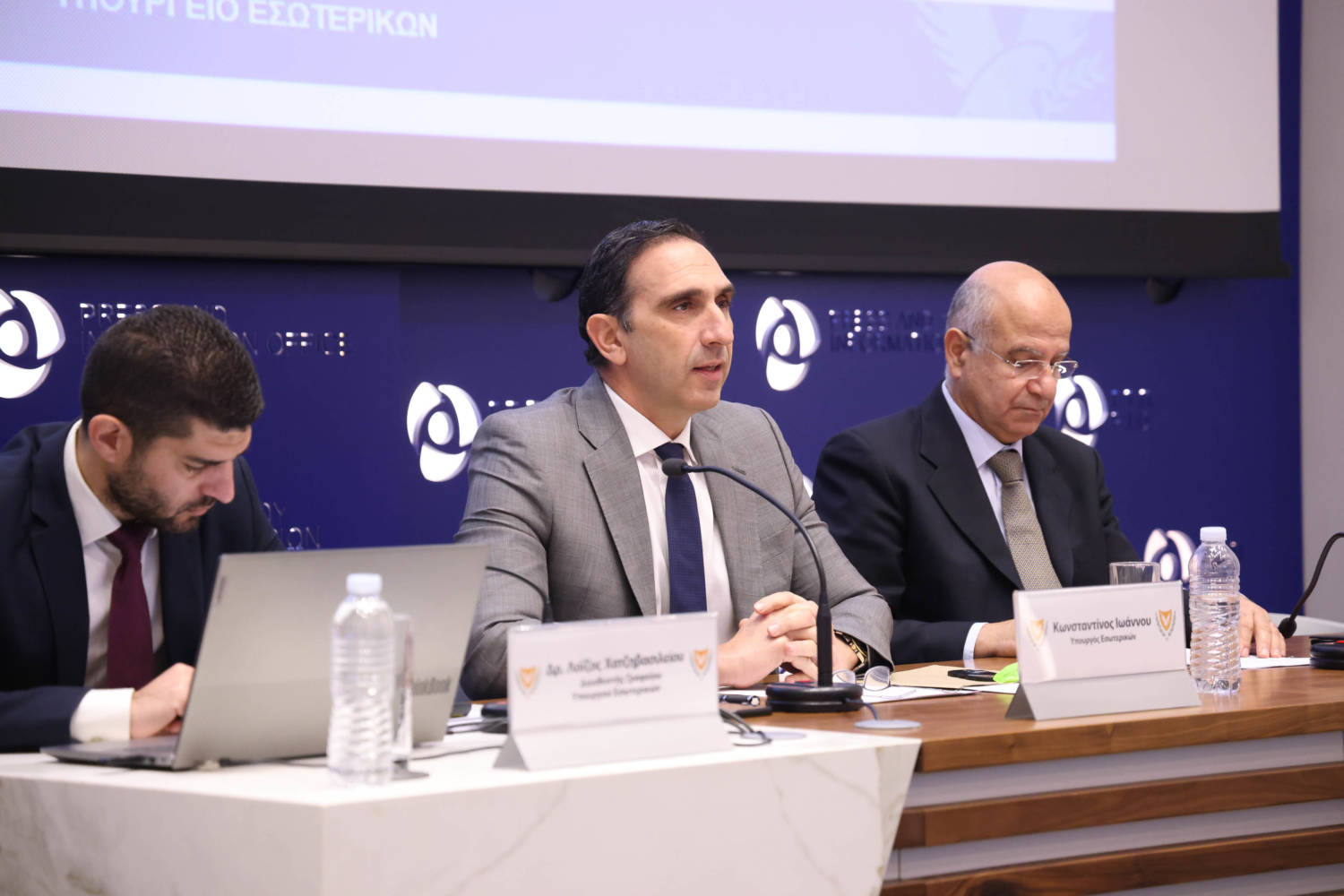
The government of Cyprus, represented by Finance Minister Makis Keravnos, has expressed its intention to participate in the Great Sea Interconnector project alongside Greece and Israel, contingent upon the fulfillment of specific conditions set by the cabinet. This project aims to end Cyprus’s energy isolation by connecting the island to the energy networks of Europe and enhancing energy security. The decision comes after discussions with Greece’s Independent Power Transmission Operator (IPTO), which has urged Cyprus to expedite its participation with a contribution of up to €100 million. Keravnos highlighted the project’s significant geopolitical value and the need to assess all financial costs and potential risks before making a final government decision.

Czech farmers dump manure on Prague streets in renewed protests [PHOTOS]

Czech farmers dump manure on Prague streets in renewed protests [PHOTOS]

Czech farmers protested in front of the government’s office in Prague, demanding more support and a halt to cheap imports to the European Union. They blocked streets with tractors, dumped manure in front of government headquarters, and called for the removal of restrictions from the Green Deal plan and for customs duties on Ukrainian farm products to be reimposed. This protest is part of a wider movement across the EU, with similar actions in Poland and Brussels. The Czech farmers’ demands include subsidies matching 2022 levels, employment support programs, reduced property tax for farmland, and measures to tackle surplus in EU markets due to cheap imports. The government has refused to be pressured, with Prime Minister Petr Fiala calling it “blackmail” and Agriculture Minister Marek Vyborny criticizing the manure dumping.

President warns of impending fuel price surge

President warns of impending fuel price surge

President Nikos Christodoulides warned of significant increases in motor fuel prices at the end of the month due to the end of reduced consumption tax and the introduction of a green tax. The end of the consumption tax reduction is expected to raise gasoline and diesel prices by 8.3 cents per litre, with an additional 5 cents possible from the green tax. The finance ministry aims for the green tax to start on April 1, as part of the Recovery and Resilience Plan. This could lead to at least a 14-15 cent increase per litre in fuel prices. The average price for 95 octane gasoline in Cyprus was €1.38 per litre, and diesel was €1.51 per litre. Prices are not expected to exceed the July 2022 record of €1.83 per litre soon. However, the green tax is set to increase yearly, reaching 25 cents by 2033, with VAT also applied. The Carbon Tax on Energy Products Act 2023 proposes this tax increase, affecting motor fuels, manufacturing fuels, and polluting industries.

Eroglu: North must , ‘embrace reality’

Eroglu: North must , ‘embrace reality’

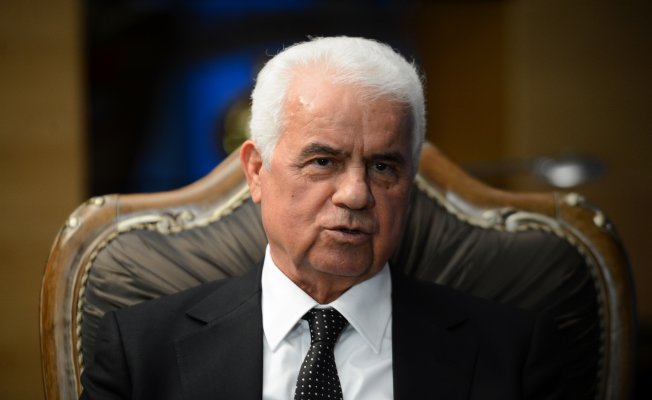
Former Turkish Cypriot Leader Dervish Eroglu stated that the Greek Cypriot side has never intended to accept the Turkish Cypriot side’s conditions for solving the Cyprus problem. He expressed skepticism about the success of United Nations Envoy Maria Angela Holguin’s efforts and highlighted that the Greek Cypriot leadership and church do not accept Turkey’s status as a guarantor power, nor do they accept the Turkish Cypriot’s participation in government, veto rights, or a rotating presidency. Eroglu criticized the international embargoes on the north, describing them as shameful and a failure to respect human rights. He mentioned that despite promises made before the 2004 referendum, there has been no easing of embargoes, with the EU and the world continuing to punish the Turkish Cypriots while rewarding the Greek Cypriots. Eroglu also reflected on the negotiation processes after the Annan plan, mentioning his own tenure and the negotiations with former President Demetris Christofias and Nicos Anastasiades, indicating a lack of progress towards a federal solution and attributing it to the Greek Cypriot side’s unwillingness to share the administration and wealth of the island.

Rubymar cargo ship attacked by Houthis has sunk, Yemeni government says

Rubymar cargo ship attacked by Houthis has sunk, Yemeni government says

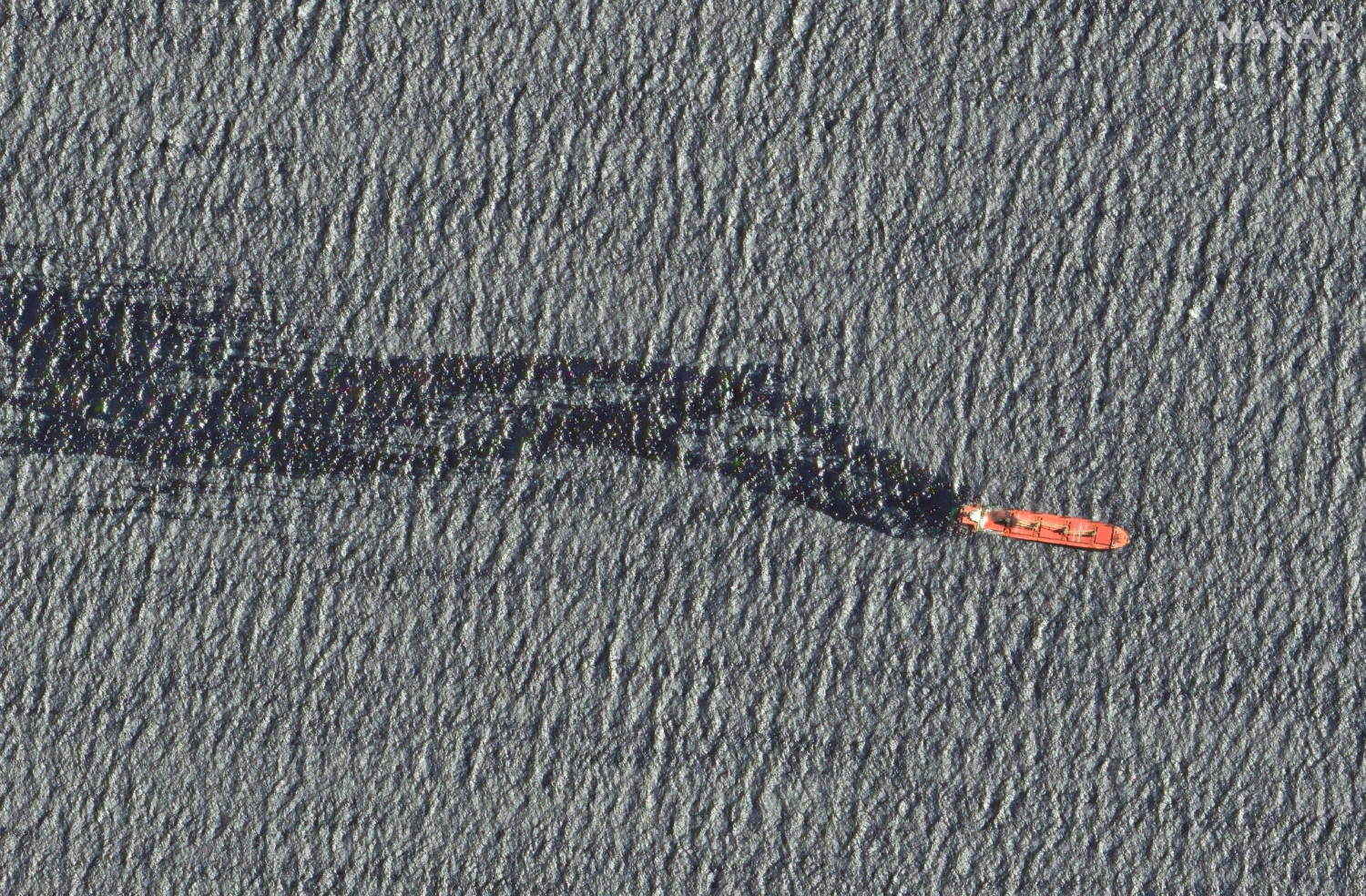
The Rubymar cargo ship, attacked last month, has sunk in the southern Red Sea according to Yemen’s internationally recognized government. This incident marks the first vessel loss since Houthi militants began targeting commercial shipping in November. The ship was carrying over 41,000 tons of fertilizer. Yemen’s Houthi militants have been attacking commercial ships in the Red Sea region since mid-November, in solidarity with Palestinians in Gaza. The attack on the Rubymar, a Belize-flagged, UK-owned cargo ship, caused significant damage and resulted in an 18-mile oil slick. The United Kingdom Maritime Trade Operations (UKMTO) reported a ship sinking and another being attacked near Yemen’s port of Mokha, without naming the Rubymar. Shipping firms have diverted vessels to a longer route around southern Africa due to these attacks. The United States and Britain have retaliated against Houthi targets in Yemen since January.

Gaza truce talks expected as offensive and aid crisis rage on

Gaza truce talks expected as offensive and aid crisis rage on

Mediators are expected to reconvene in Cairo to find a ceasefire formula acceptable to Israel and Hamas for Gaza. Foreign governments have conducted airdrops to aid civilians in Gaza. Israeli and Hamas delegations are expected in Cairo, but Israel wants a list of alive hostages before sending a delegation. A framework for a six-week pause in fighting, agreed upon by Israel, now depends on Hamas releasing hostages. The U.S. has called for more aid into Gaza, which Israel denies restricting. The U.S. military airdropped 38,000 meals over Gaza. Israel disputes the death toll from a food convoy catastrophe, attributing most deaths to being trampled or run over. Since October 7, when Hamas attacked, killing 1,200 and abducting 253, over 30,000 have been killed in Gaza, and tens of thousands injured. Fighting continued around Khan Younis and Rafah, with significant casualties reported. Hamas insists a temporary truce must lead to ending the war, with assurances given for negotiating a permanent ceasefire in later phases.

UNFICYP: A three-month mission that has dragged on for 60 years

UNFICYP: A three-month mission that has dragged on for 60 years

On March 4, 1964, the United Nations Security Council unanimously adopted Resolution 186 (1964), recommending the creation of a United Nations Peacekeeping Force in Cyprus (UNFICYP) for an initial period of three months, due to the situation in Cyprus potentially threatening international peace and security. The first peacekeepers, including Canadians, British, and Finns, arrived shortly after. Since then, over 100,000 peacekeepers from various countries have served in UNFICYP. The force’s mandate includes preventing tensions between the two sides, maintaining law and order in the buffer zone, and contributing to a settlement by building trust and confidence between the sides. Currently, UNFICYP comprises over 800 military peacekeepers from 17 countries, divided into British, Argentinian, and Slovak contingents, responsible for different sections of the buffer zone. UNFICYP also includes a police force of 69 officers from 13 countries, with Ireland being the main contributor. The mission focuses on preventing tensions and building relationships rather than using force, with the use of force as a last resort. UNFICYP has been successful in maintaining calm and stability in the buffer zone. The mission has seen 187 peacekeepers lose their lives, with the last death occurring in 2015. UNFICYP is planning events to honor those who have worked to maintain peace on the occasion of its 60th anniversary.

Moldovan breakaway region asks Russia to protect its economy from pressure

Moldovan breakaway region asks Russia to protect its economy from pressure

Officials from the Russian-backed Moldovan breakaway region of Transdniestria have requested Russia’s assistance to counteract what they claim is economic pressure from the Moldovan government. This request was formalized through a resolution passed by the “congress of deputies of all levels” in Transdniestria, which includes several ministers from its government. The resolution appeals to the Federation Council and the State Duma of Russia for protective measures against Moldova’s increasing pressure. Transdniestria, an unrecognized statelet bordering Ukraine, has been autonomous from Moldova for three decades with Moscow’s support, including the presence of over a thousand Russian troops. Moldova introduced customs regulations requiring Transdniestrian companies to pay import duties to the Moldovan budget, reducing Transdniestria’s customs revenues by 18%. The resolution claims this constitutes social and economic pressure that violates European principles on human rights and free trade. Moldovan government spokesman Daniel Voda criticized the congress as a propaganda event.

Cyprus first in EU in terms of departures on immigrant arrivals, Minister says

Cyprus first in EU in terms of departures on immigrant arrivals, Minister says

Cyprus leads the EU in the proportion of immigrant departures relative to arrivals and ranks fourth in the total number of returns and expulsions. The country has seen a 37% decrease in immigrant arrivals and a 50% drop in asylum applications within a year. A voluntary return programme offers a financial incentive of €1,000 to €1,500, leading to a 66% increase in departures in 2023 compared to the previous year, with 782 arrivals and 1,081 departures in the last month alone, resulting in a departure rate exceeding arrivals by 138%. The Pournara First Reception Centre had over 3,000 occupants, and pending asylum applications surpassed 30,000 in March 2023. The government’s strategy focuses on reducing new asylum seeker arrivals, expediting asylum application processes, enhancing accommodation and reception conditions, and increasing the number of returns. Efforts to reduce arrivals include an online campaign in countries like Nigeria, Cameroon, and Congo, and negotiating the Eastern Mediterranean Action Plan to incorporate measures against unregulated migration from Turkey. The government has pressed for stricter controls on arrivals via Istanbul Airport, with support from Frontex and Europol, and has taken steps to make Cyprus less appealing by reducing financial incentives and tightening work permit regulations for asylum seekers. Enhanced surveillance in industrial areas to prevent illegal employment, a crackdown on trafficking networks, and the establishment of a specialised police unit have been implemented. The average processing time for asylum applications has been reduced from a year to three months, with a goal to reduce this to 30 days in 2024, helping address the backlog now reduced to around 26,000 cases.

Nicosia exhibition honours Ukrainian women

Nicosia exhibition honours Ukrainian women

The U.S. Embassy in Nicosia, in collaboration with Sunseed Art and Resilient Ukraine, presents an art exhibit titled “The Womanly Face of War” in Nicosia to mark the second anniversary of Russia’s re-invasion of Ukraine. The exhibit, opened by the United States Ambassador to Cyprus, Julie D. Fisher, on February 28, 2024, at Eleftheria Square, showcases the roles, challenges, and resilience of Ukrainian women. After debuting in Limassol Old Port on February 22, the exhibit moved to Eleftheria Square where it will remain until March 4, before relocating to Castle Square in Larnaca until International Women’s Day on March 8.