UK plan to deport refugees to Rwanda to be delayed
UK plan to deport refugees to Rwanda to be delayed

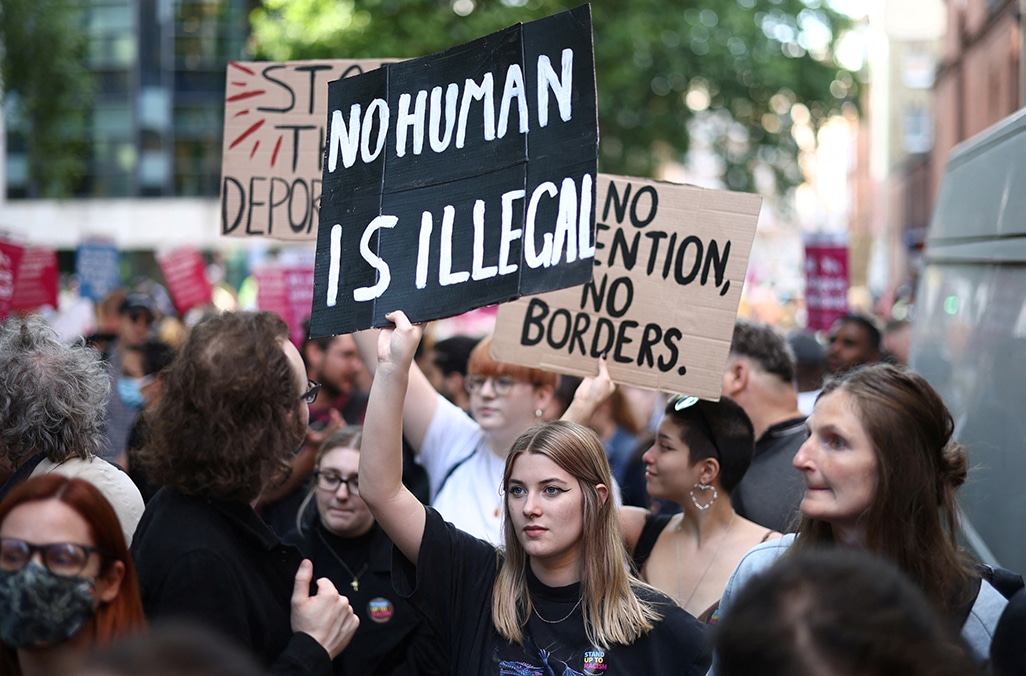
The passage of British Prime Minister Rishi Sunak’s bill to deport refugees to Rwanda may be delayed until at least next month after the upper house of parliament demanded greater protections. The government aims to relocate thousands of asylum seekers who arrive in Britain on small boats each year to Rwanda, but legal challenges have prevented any deportations so far. The legislation is key to Sunak’s pledge to stop the arrival of asylum seekers, aiming to improve his Conservative Party’s standing in polls. The House of Lords voted to amend the legislation for more safeguards for asylum seekers, causing a delay in the bill becoming law until after parliament’s Easter break. The UK’s Supreme Court previously ruled the deportation policy unlawful due to risks to the deportees’ safety. Sunak’s government is attempting to pass the bill by declaring Rwanda a safe country for asylum seekers and modifying parts of human rights law to prevent legal challenges.

Blinken begins new Middle East trip as U.S. strains with Israel show

Blinken begins new Middle East trip as U.S. strains with Israel show

– U.S. Secretary of State Antony Blinken embarked on a Middle East mission, with no initial stop in Israel announced.
– Intense fighting occurred around Al Shifa hospital in Gaza City, with Israel claiming to have killed 90 gunmen and Hamas stating those killed were civilians.
– Blinken was scheduled to visit Saudi Arabia and Cairo to discuss efforts to secure a truce in the conflict.
– Israeli Prime Minister Benjamin Netanyahu rejected a plea from President Joe Biden to call off plans for a ground assault of Rafah.
– Netanyahu aims to complete the elimination of Hamas battalions in Rafah through a ground assault.
– The war between Israel and Hamas began on October 7, with Hamas killing 1,200 people and capturing 253 hostages, and nearly 32,000 Palestinians confirmed killed since then.
– Ceasefire talks have resumed in Qatar, with discussions on a truce involving the release of around 40 Israeli hostages in return for hundreds of Palestinian detainees.
– Israel launched an operation against Al Shifa hospital, claiming Hamas fighters regrouped there, and reported killing 90 gunmen and detaining 160 at the hospital.
– Hamas acknowledged a senior police commander was killed in the hospital but stated he was responsible for civilian security.

Irish Prime Minister Leo Varadkar unexpectedly quits

Irish Prime Minister Leo Varadkar unexpectedly quits

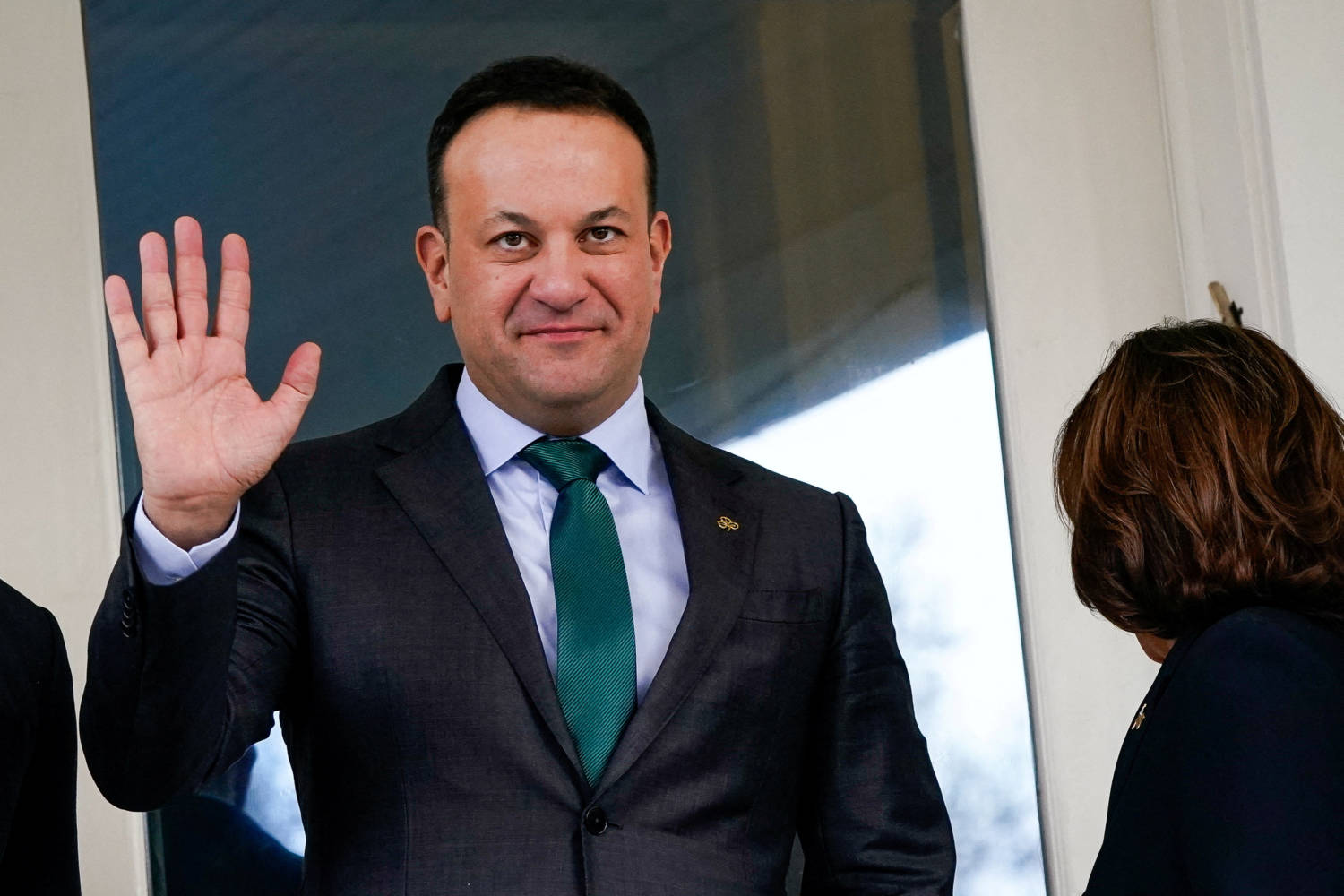
Leo Varadkar announced he would step down as Ireland’s prime minister, believing a new leader would increase the coalition government’s chances of reelection. He has asked his Fine Gael party to elect a new leader by April 6, after which parliament will vote on the new prime minister post-Easter. Varadkar, who became the first gay prime minister of Ireland in 2017 and resumed office 15 months ago, cited personal and political reasons for his resignation. His departure does not trigger a general election, which must occur by March 2025. The main opposition, Sinn Fein, currently leads in polls over Fine Gael and their main coalition partner, Fianna Fail. Potential successors include Simon Harris, Simon Coveney, Paschal Donohoe, and Helen McEntee. Varadkar’s government has seen economic recovery post-COVID-19 but faced challenges with housing and asylum seeker pressures. Ireland lifted its abortion ban and legalized same-sex marriage during his tenure. Varadkar has no immediate personal or political plans following his resignation.

Greece must bolster flood defences and reduce water-guzzling crops, experts say

Greece must bolster flood defences and reduce water-guzzling crops, experts say

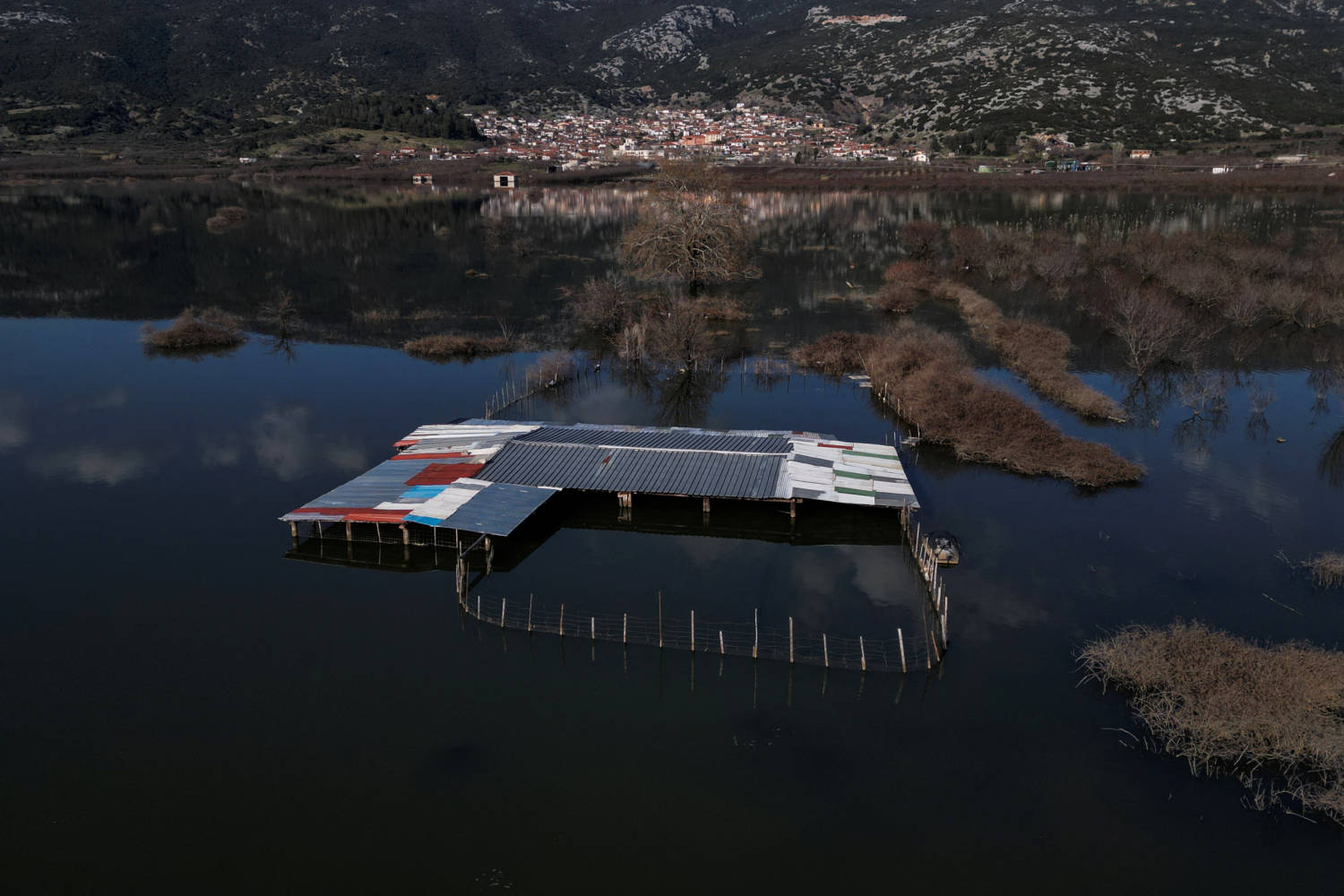
Greece is advised to enhance river flow space and defenses in the Thessaly plain to prevent future floods. Thessaly, contributing 25% to Greece’s agricultural output and 5% to its GDP, was severely affected by Storm Daniel’s record rains last year. A plan by HVA suggests moving dykes, deepening riverbeds, and restricting construction on floodplains. Despite potential water shortages due to groundwater extraction for irrigation, HVA recommends planting less water-intensive crops. Thessaly faces a 500 million cubic meter annual water deficit, expected to rise with climate change. The proposed plan, costing about 4.5 billion euros, aims to address flood risks and water scarcity, potentially enhancing Thessaly’s agricultural competitiveness. The government is reviewing the plan for implementation. HVA also proposes tripling Lake Karla’s size to support agriculture. Public consultation on these proposals ends on March 29.

Hamas says Israeli response to its truce proposal was negative

Hamas says Israeli response to its truce proposal was negative

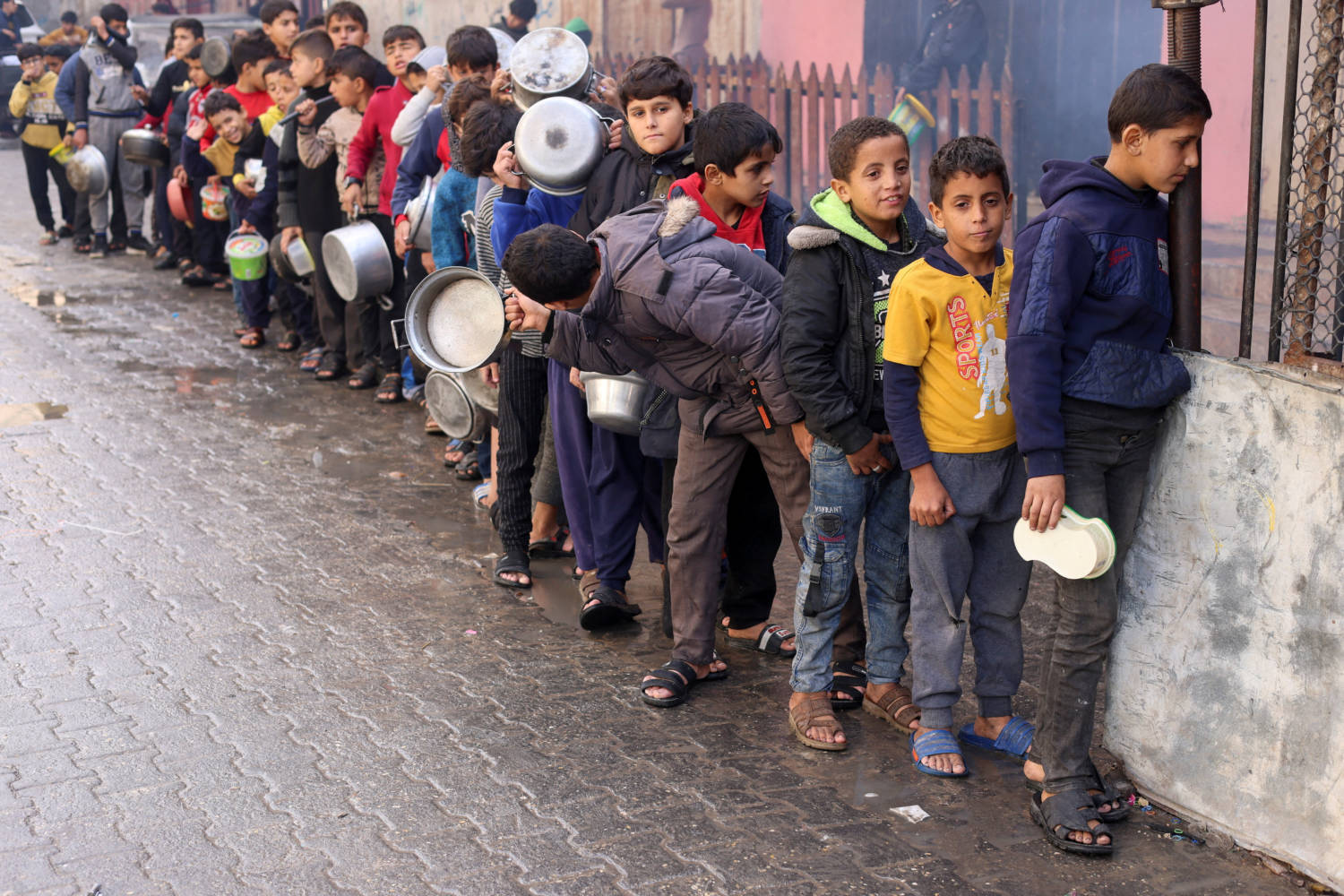
A senior Hamas official announced that Israel negatively responded to Hamas’s latest Gaza ceasefire proposal, as conveyed by mediators on Tuesday. Osama Hamdan attributed the failure to negotiate a hostage release for Palestinian prisoners and to stop the fighting in Gaza to Israeli Prime Minister Benjamin Netanyahu and his government. Despite resumed talks in Qatar, weeks of negotiations have not yet resulted in an agreement between Israel and Hamas to address the humanitarian crisis in Gaza.

Finance Minister hosts Eurobank delegation

Finance Minister hosts Eurobank delegation

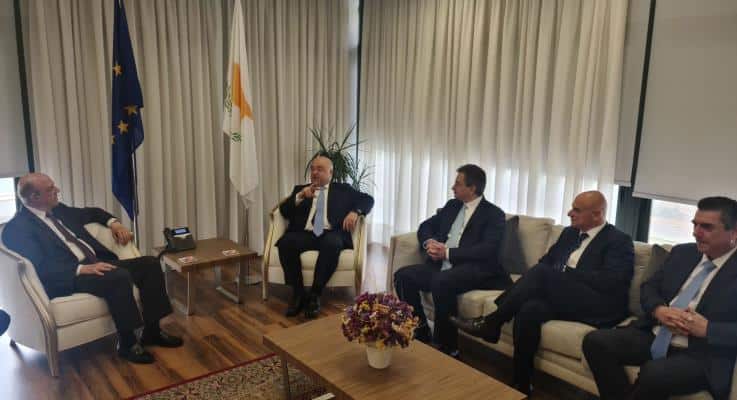
Cyprus’ Finance Minister Makis Keravnos met with the president and board of directors of Eurobank Holdings to discuss the importance of attracting foreign investments to Cyprus. The meeting took place at the Ministry of Finance in Nicosia and was led by Eurobank’s board president Georgios Zanias. Discussions included the Greek and Cypriot economies, the banking sector in both countries, and the positive prospects and stability of their financial sectors.

Disagreements stall capital statement talks

Disagreements stall capital statement talks

MPs in Cyprus have been unable to progress on the issue of mandatory capital statements for politically exposed persons, despite months of discussions. The House ethics committee acknowledged serious gaps in reaching an agreement on who should disclose their assets upon taking office. The accountants’ association suggested that the disclosure should include a capital statement, a clear declaration of assets including those of the spouse and children, and subsequent disclosures of income and expenses to illustrate an individual’s net worth. There is some consensus on the need for reform as the current form of capital statements, which includes details like vehicle ownership, has been criticized. However, disagreements persist on the format of the statements, what information should be public, the timing of disclosures, and specifically who should be required to submit these statements. Currently, the president, ministers, MPs, and MEPs are mandated to submit capital statements under article 49 of the law, with discussions ongoing about expanding this requirement to include other positions like government spokespersons, mayors, the attorney general, and commissioners. These discussions are being led by a three-member parliamentary committee.

UN says Russia consolidates control of occupied Ukraine with , ‘climate of fear’

UN says Russia consolidates control of occupied Ukraine with , ‘climate of fear’

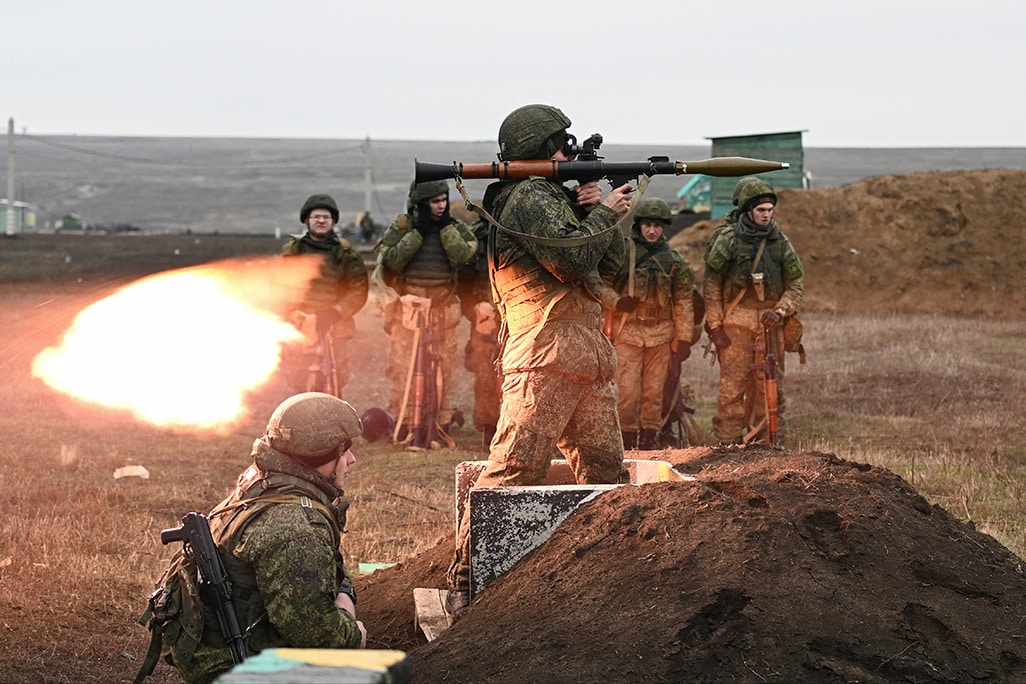
Russia is consolidating control over occupied Ukrainian territory through arbitrary detention, killings, and torture, creating a climate of fear. The U.N. Human Rights Monitoring Mission in Ukraine (HRMMU) reported on rights breaches by Russia, including censorship, surveillance, political oppression, repression of free speech, and movement restrictions. Russia denies committing atrocities or deliberately attacking civilians, calling its actions a “special military operation.” Russia controls over 17% of Ukraine’s territory, affecting several million people. The HRMMU’s findings are based on interviews with over 2,300 individuals. Initial rights violations involved killings, torture, and arbitrary detention, targeting those linked to Ukrainian security forces or supportive of Ukraine. This was followed by restrictions on movement, assembly, and expression, and efforts to replace Ukrainian state institutions with Russian ones, violating international humanitarian law. Schools were forced to adopt the Russian language and curriculum, and the justice system jailed people in Russian prisons. Civil servants were compelled to comply with new systems. At the Zaporizhzhia nuclear power plant, workers faced threats, intimidation, and arbitrary arrest if they resisted. Russia also pushed for residents to take Russian citizenship, linking access to services like healthcare and social security to holding a Russian passport. Residents were encouraged to spy on each other, and communication links between Ukrainians in occupied areas and those in territories controlled by Kyiv were cut, isolating families.

7,500 new voters registered for June, ’s elections

7,500 new voters registered for June, ’s elections

– 7,500 new voters have been registered for the forthcoming elections in June.
– The total number of people registered to vote in Cyprus is 569,086.
– There are 557,578 people on the permanent electoral roll.
– 11,559 EU citizens are registered to vote in local elections, and 9,190 in European parliament elections.
– A special electoral list exists for Turkish Cypriots living in the north, with 82,925 names on it.
– Eligible voters can register to vote until April 2.
– Citizens of the Republic of Cyprus and EU citizens residing in Cyprus who are over 18 on election day are eligible to vote.
– Eight elections are scheduled to be held simultaneously on June 9.

Christodoulides to address college during official meetings in Belgium

Christodoulides to address college during official meetings in Belgium

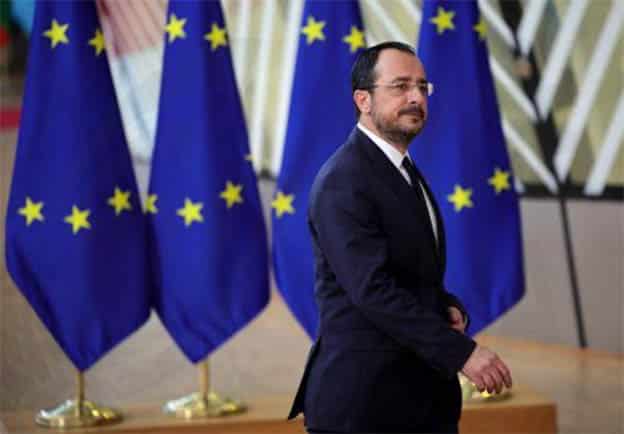
President Nikos Christodoulides of Cyprus is visiting Bruges, Belgium, to address the College of Europe on invitation by the Cypriot students association during the national week dedicated to Cyprus. This marks the first visit by a Cypriot President to the college. Christodoulides will be greeted by Rector Federica Mogherini, speak to students and academics, and meet with Vice-President of the European Commission, Margaritis Schinas. His agenda also includes participating in European People’s Party deliberations, discussing global issues with UN Secretary General Antonio Guterres and EU heads of state, and attending the 30th anniversary of the European Economic Area. Christodoulides will have another meeting with Guterres and will return to Cyprus on Friday evening.