New York and other states are using AI to hunt down wealthy remote workers and demand more tax

New York and other states are using AI-generated letters to challenge wealthy remote workers who are avoiding paying taxes.
New York and other states are using AI-generated letters to challenge wealthy remote workers who are avoiding paying taxes.

– In 2016, the average company managed 162.9 terabytes of data.
– In 2024, roughly 2.5 quintillion bytes worth of data are generated each day, with over 44 zettabytes of data in the entire digital universe.
– GenAI solutions generate, organize, and operate on data, and businesses’ ability to manage and manipulate data will define their success in the marketplace.
– Legislators are considering taxing data as a way to generate revenue from corporations.
– Different states have proposed various methods of taxing data collection.
– The international implications of data taxes are complex and would require alignment among jurisdictions.
– Corporations need to be vigilant and prepared for potential data taxes in the future.

Meta Platforms’ Oversight Board is reviewing the company’s handling of sexually explicit AI-generated images of female celebrities on Facebook and Instagram. The board aims to evaluate Meta’s policies and enforcement practices around pornographic fakes created using artificial intelligence. The images were not named to prevent further harm, as advances in AI technology have made fake content indistinguishable from real content, leading to an increase in sexual fakes online. Elon Musk’s social media platform also faced challenges with controlling the spread of fake explicit images of Taylor Swift. Industry executives are calling for legislation to criminalize harmful “deep fakes.” One case involved an AI-generated image of a nude woman resembling a public figure from India on Instagram, while the other featured an AI-generated depiction of a nude woman resembling an American public figure on Facebook. Meta initially left up the image of the Indian woman but reversed course after the board selected it for review. Meta has pledged to implement the board’s decisions.
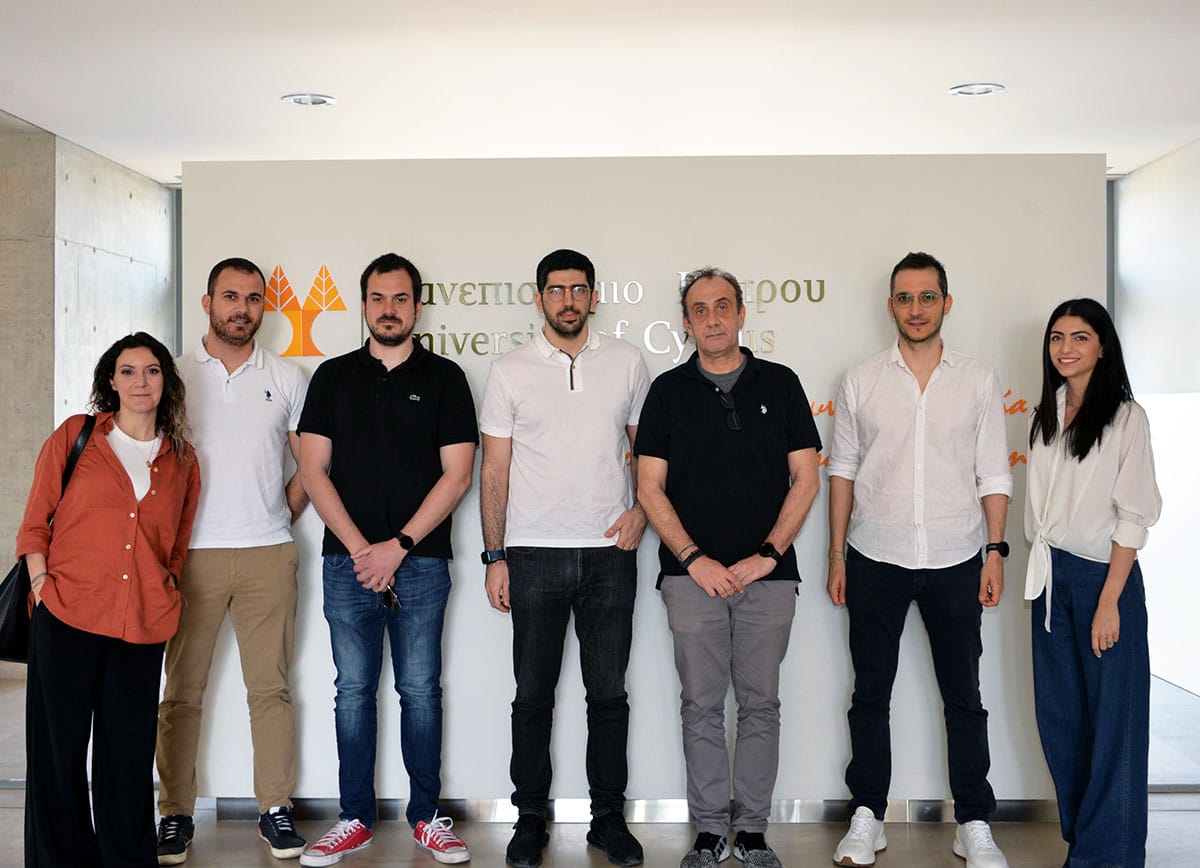
The University of Cyprus and Boltzmann Research have signed a Memorandum of Understanding (MoU) to advance research in Artificial Intelligence (AI), Machine Learning (ML), Statistics, and time series forecasting.

The federal government announced intentions to raise the inclusion rate on capital gains taxes for corporations and individuals earning beyond a certain threshold, which will impact wealthy individuals who are benefiting from tax advantages not available to middle class Canadians, according to the Budget 2024.
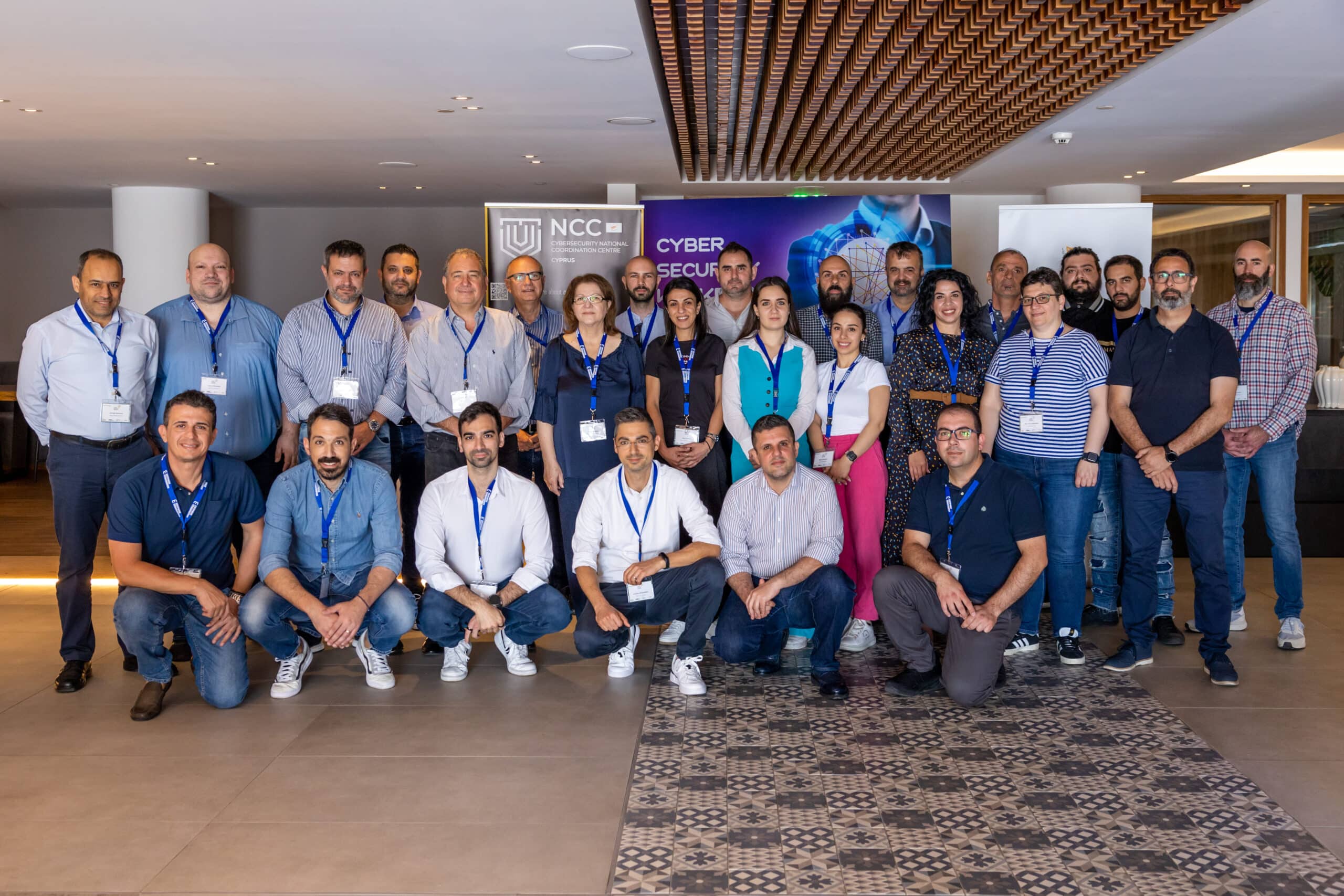
The Cyprus Chamber of Commerce and Industry (Keve) and the Digital Security Authority (DSA) co-organized the second “Cyber Security Weekend” in Larnaca to raise awareness among businesses on cybersecurity issues. Executives from 10 companies attended the event, where they were informed about cybersecurity on a theoretical level and engaged in face-to-face meetings with specialized companies in the cybersecurity sector. The initiative was well-received, and there are plans to establish the Cyber Security Weekend as an annual event. Gartner research has identified cybersecurity as one of the most pressing issues for businesses in 2024, highlighting trends such as Generative AI, unsecure employee behavior, third-party risks, continuous threat exposure, boardroom communication gaps, and identity-first approaches to security.

Fact: Quadcode is organizing the “HackAIthon: AI & Personalization in Fintech” event on June 15-16 at The Warehouse by IT Quarter, with a 40,000 euros prize pool for over 100 participants from diverse backgrounds and nationalities.

Big technology-related company earnings are expected to lead S&P 500 profit growth in the upcoming US reporting period, refueling optimism for stocks after a weak start to April.

Fact: OpenAI Chief Executive Sam Altman has hosted roadshow-like events in San Francisco, New York, and London to pitch AI services for corporate use, including ChatGPT Enterprise, software to connect customer applications to AI services, and text-to-video models.

Fact: In a 2021 survey, only 24.5% of respondents across OECD countries said they trust political parties.