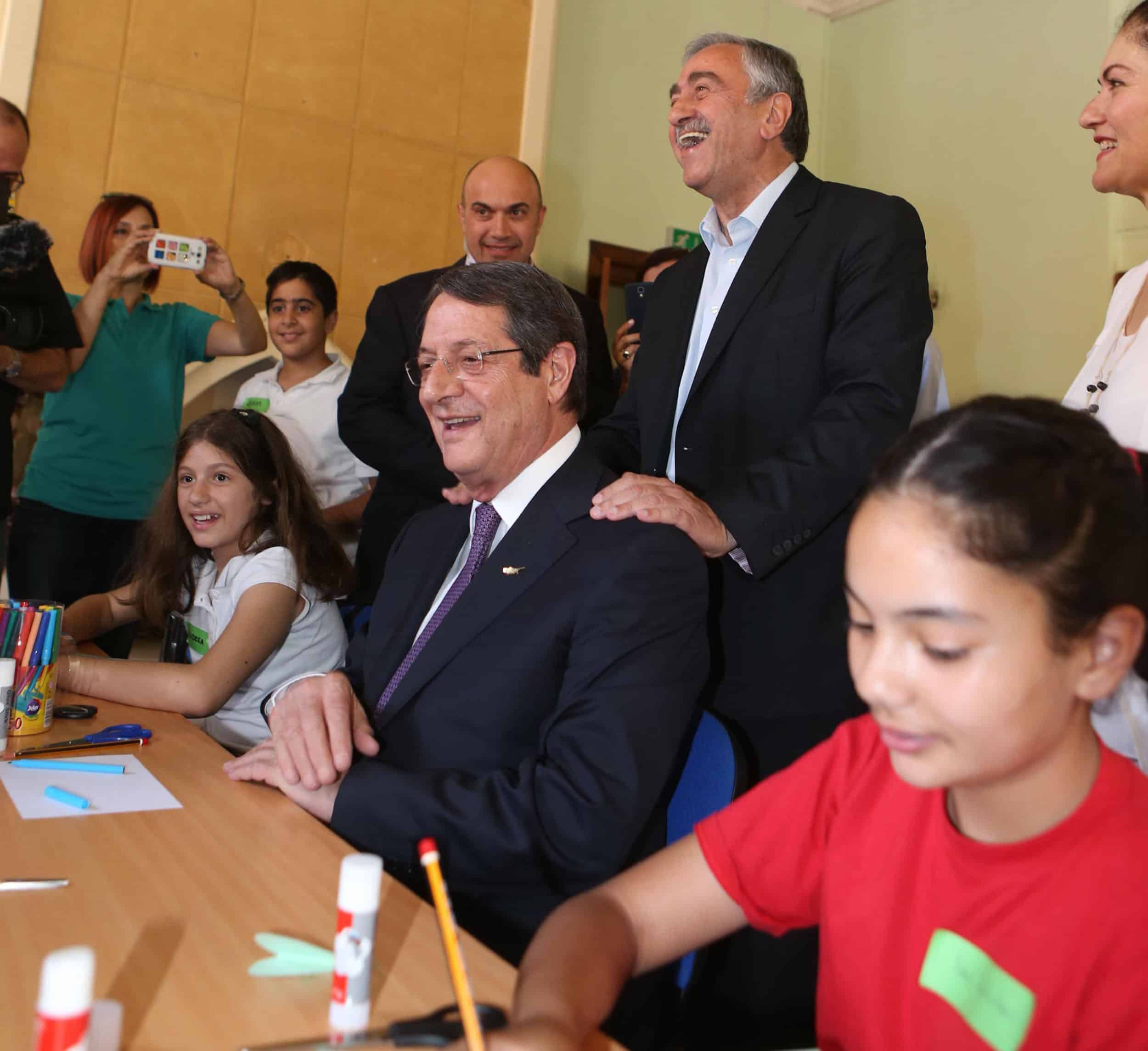
Leontios Ierodiakonou, in his analysis of the Cyprus problem, focuses on the Crans-Montana talks in 2017. Mustafa Akinci, elected Turkish Cypriot leader in April 2015, and Nicos Anastasiades, the Cyprus president, both showed a willingness for a settlement, leading to a positive climate and meetings in Mont Pelerin (2016) and Geneva (January 2017). The UN Secretary-General’s report from September 28, 2017, highlighted convergences on many issues, including the exchange of maps for the first time. The Crans-Montana conference on June 30, 2017, saw the introduction of the “Guterres framework,” which proposed the abolition of the Treaty of Guarantee and the unilateral right of intervention, and discussed the withdrawal of foreign troops. However, disagreements persisted, particularly regarding the role of Turkey in a future monitoring mechanism. Anastasiades’ behavior at the conference, questioning proposals and showing reluctance to negotiate, contributed to the talks’ collapse. Despite this, the Greek Cypriot side later expressed a willingness to resume negotiations from where they left off at Crans-Montana. Akinci’s proposal on April 30, 2018, for a “strategic agreement” based on the Guterres Framework was not responded to by the Greek Cypriot side. Ierodiakonou criticizes the decision-making process in Cyprus, suggesting a more collective approach to national issues.