Brazil heading to rare sequence of rising coffee crops
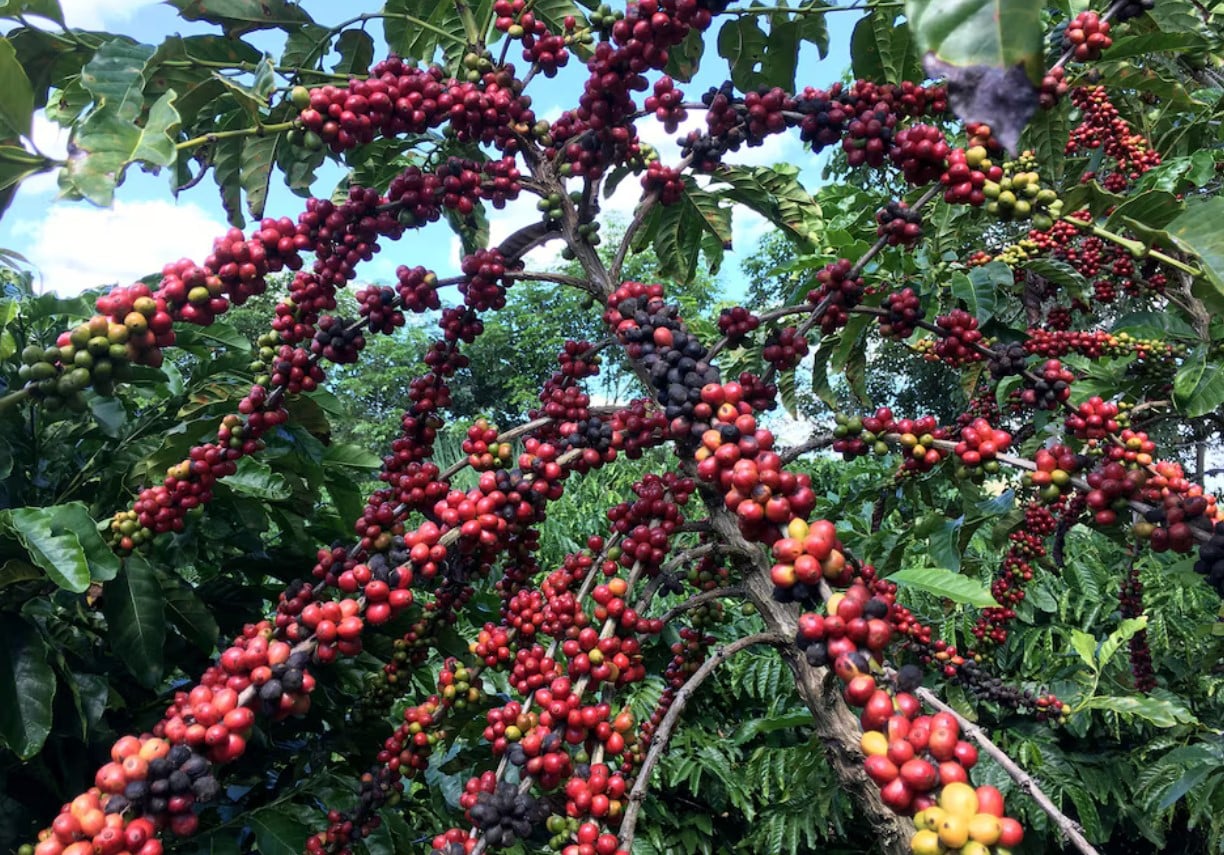
Brazil is expected to post its third annual increase in coffee production this year, marking a rare occurrence in its coffee history. This sequence of production increases is mainly due to rising production of robusta beans. Brazilian coffee production typically follows an arabica biennial cycle, where production alternates between high and low years. However, this cycle was disrupted by extreme weather events around 2020 and 2021. Since then, Brazil has seen larger crops each year due to improved farming techniques and expanded use of irrigation, especially in robusta fields. The growth in robusta production is a significant factor in the stable increase in overall coffee production, as robusta trees do not experience the biennial variation that arabica does. Robusta production areas in Brazil are less susceptible to frosts compared to arabica production areas. The average yield of robusta fields in Brazil has increased by 50% over the past decade, while arabica yields have increased by 24%. Brazil’s 2024 coffee crop is estimated at 58 million bags, a 5% increase from the previous year, potentially reaching a total of 164 million bags over three years from 2022. This growth occurs as Vietnam, the main producer of robusta beans, faces production challenges due to adverse weather. Brazil may soon produce more robusta beans than Vietnam.