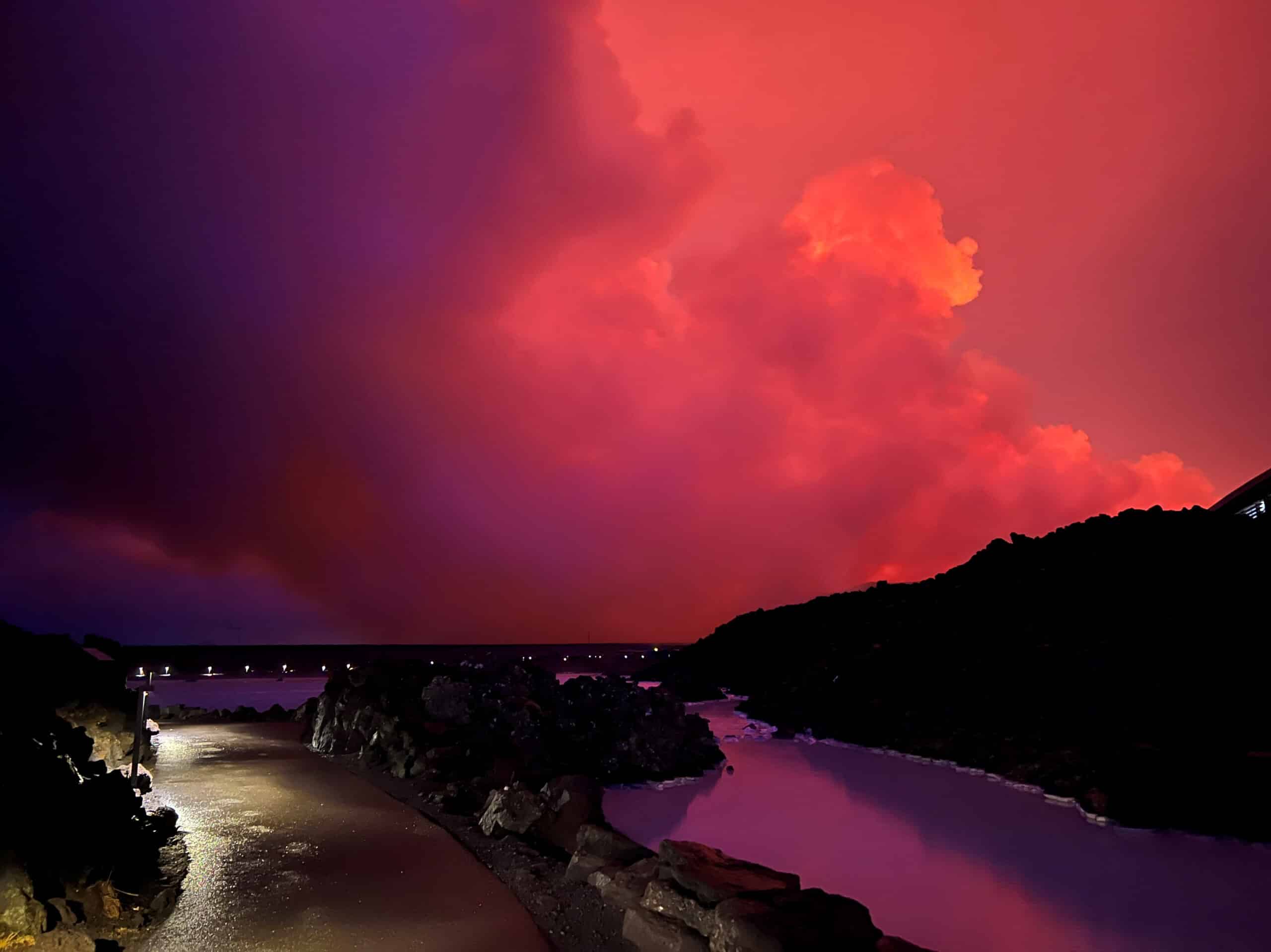
Iceland lava flows slow after fourth eruption since December
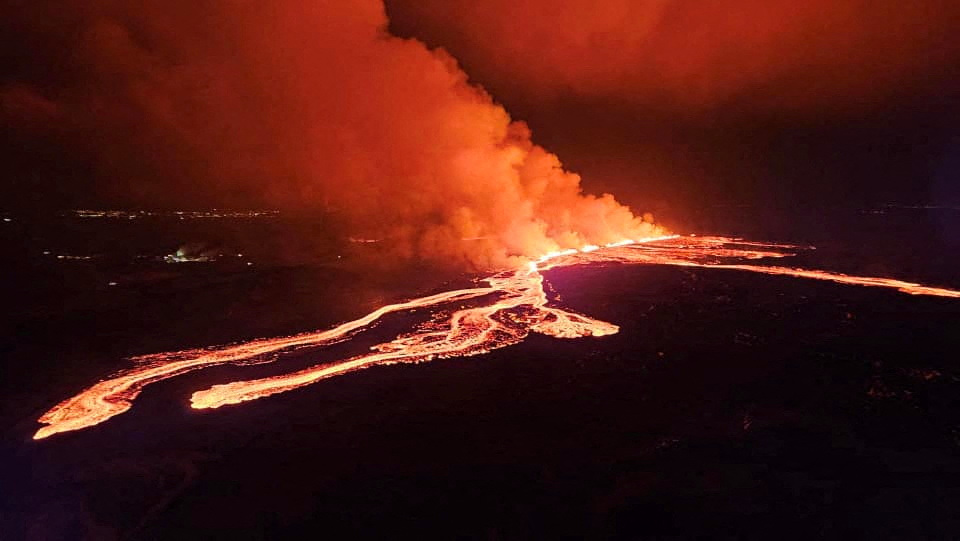
A volcano in southwest Iceland erupted, causing lava flows that initially threatened nearby infrastructure, including a fishing town. The eruption, which began on Saturday evening, was the fourth since December and occurred at the same location as the previous one in February. The fissure from which the lava flowed was approximately 3 km long. Authorities had anticipated the eruption due to underground magma accumulation. Lava flows slowed by Sunday, and man-made barriers were effective in diverting the lava away from the town and towards the sea. Some residents of Grindavik, a nearby fishing town, were evacuated. The Icelandic Meteorological Office monitored the situation, including lava flow towards a geothermal power plant. The eruption was a fissure eruption, which typically does not cause large explosions or significant ash dispersal. By Sunday noon, the eruption’s activity had decreased, with lava flowing from three locations. Keflavik Airport and regional airports remained operational, while the Blue Lagoon geothermal spa closed. The February eruption had disrupted heating for over 20,000 people by destroying roads and pipelines.