Interior ministry rejects monastery appeal on protected land

The interior ministry rejected an appeal by the Famagusta Constantia bishopric to build a monastery on environmentally protected land in Cape Greco.
The interior ministry rejected an appeal by the Famagusta Constantia bishopric to build a monastery on environmentally protected land in Cape Greco.

Fact: The EU Commission sent a reasoned opinion to Cyprus for failing to correctly incorporate EU legislation covering money laundering and financial interests.

– Cyprus’ contribution to the EU renewable energy target is below that required by EU legislation.
– The EU Commissioner for the Environment, Oceans, and Fisheries, Virginijus Sinkevicius, stated that Cyprus has taken significant steps towards implementing green reforms and investments.
– There is untapped potential for renewable energy in Cyprus.
– The updated national Recovery and Resilience Plan is important for accelerating the use of renewable energy in Cyprus.
– Sinkevicius highlighted Cyprus’ failures in Natura 2000 areas and the EU’s decision to take the country to the EU Court of Justice.
– He emphasized the need for appropriate measures in areas of conservation.
– Sinkevicius mentioned that environmental protection and development of tourism should not be contradictory goals.
– The EU supports bi-communal cooperation on the environment in Cyprus through technical support, funding, and projects with an environmental footprint that benefit both sides.
– Sinkevicius discussed the EU’s role in preventing wildfires, reforestation policies, air pollution, and dealing with the increase of dust storms in Cyprus.

Fact: Architects and engineers involved in the construction of a monastery at the environmentally protected Natura 2000 site in Cape Greco will appear before a disciplinary board.
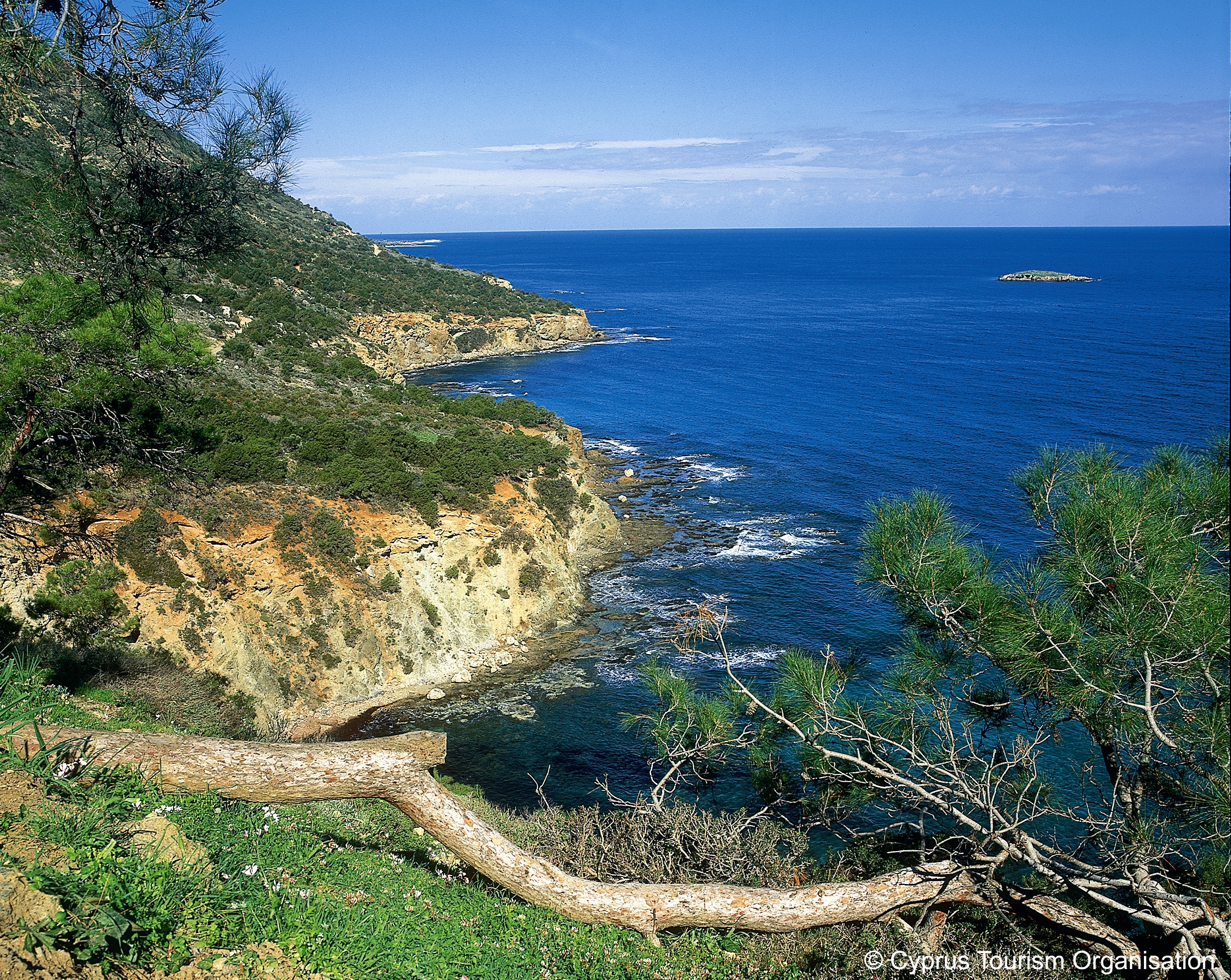
Fact: Cyprus has been referred to the EU Court of Justice by the European Commission for failures to implement the Habitats Directive in environmentally protected Natura 2000 areas.
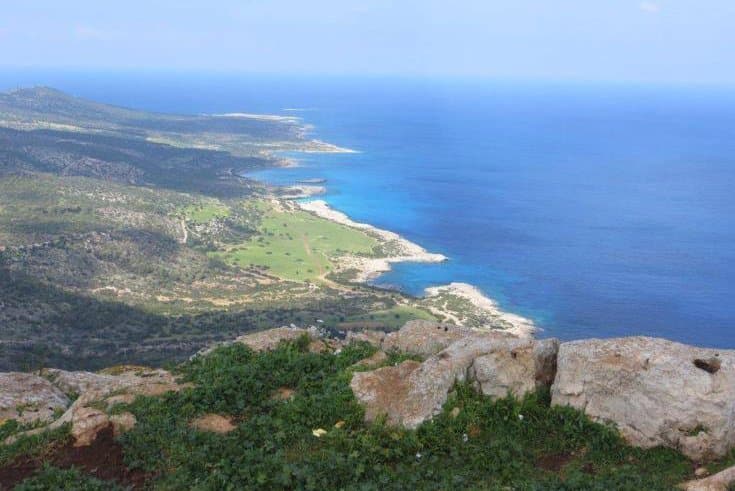
The European Commission has referred Cyprus to the EU Court of Justice for not fulfilling obligations under the Habitats Directive, aimed at protecting over a thousand EU animal and plant species. Cyprus has designated 37 Special Areas of Conservation but failed to establish conservation measures for 28 sites and provided inadequate conservation objectives for five sites. This referral follows a formal notice in June 2021 and a reasoned opinion in April 2022. The Habitats Directive requires member states to designate Sites of Community Importance as Special Areas of Conservation within six years, implementing necessary conservation measures. The Commission’s action is part of efforts to protect and restore biodiversity under the European Green Deal’s Biodiversity Strategy for 2030, with infringement cases pursued against 16 member states regarding conservation designations and measures.
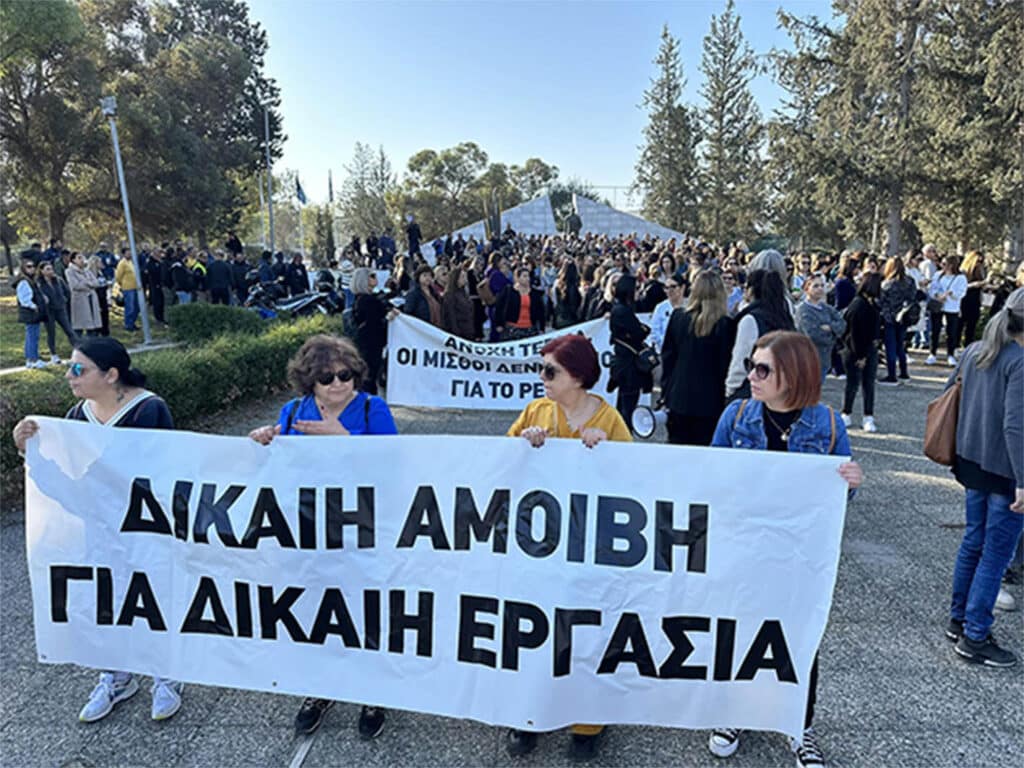
A recent judgment by the EU’s Court of Justice (CJEU) could allow thousands of civil servants on fixed-term employment to become permanent workers, according to the Isotita union. The union has urged the government to make these employees permanent, following the CJEU’s judgment on February 22, which ruled that the indefinite extension of fixed-term employment contracts without a vacancy notice is an abuse that member states must prevent. The CJEU stated that simple compensation for unfair dismissal or awarding posts through competitions are not sufficient measures to prevent such abuses. The judgment implies that converting temporary contracts into permanent ones could be a necessary measure to address the issue. Isotita has reminded the government of the president’s pre-election promises regarding employment conditions and has called for immediate action to comply with EU law by making all affected workers permanent.